Neuron held a speed dating event with scientists to inspire a new generation
17 June 2026
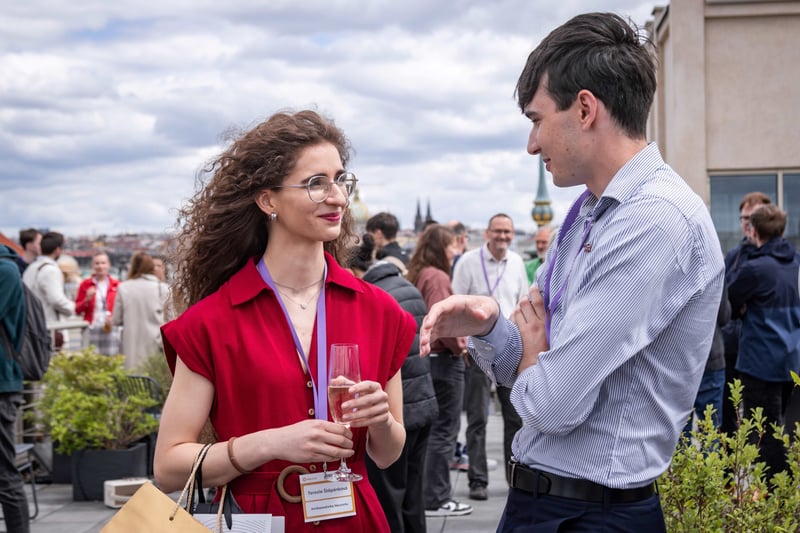
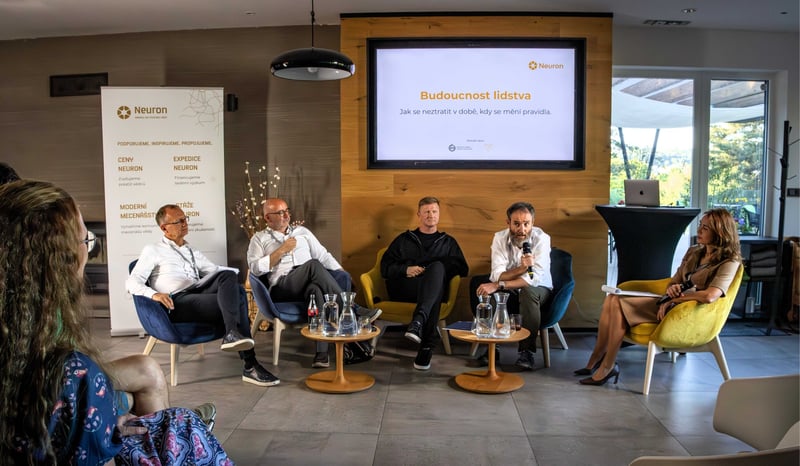
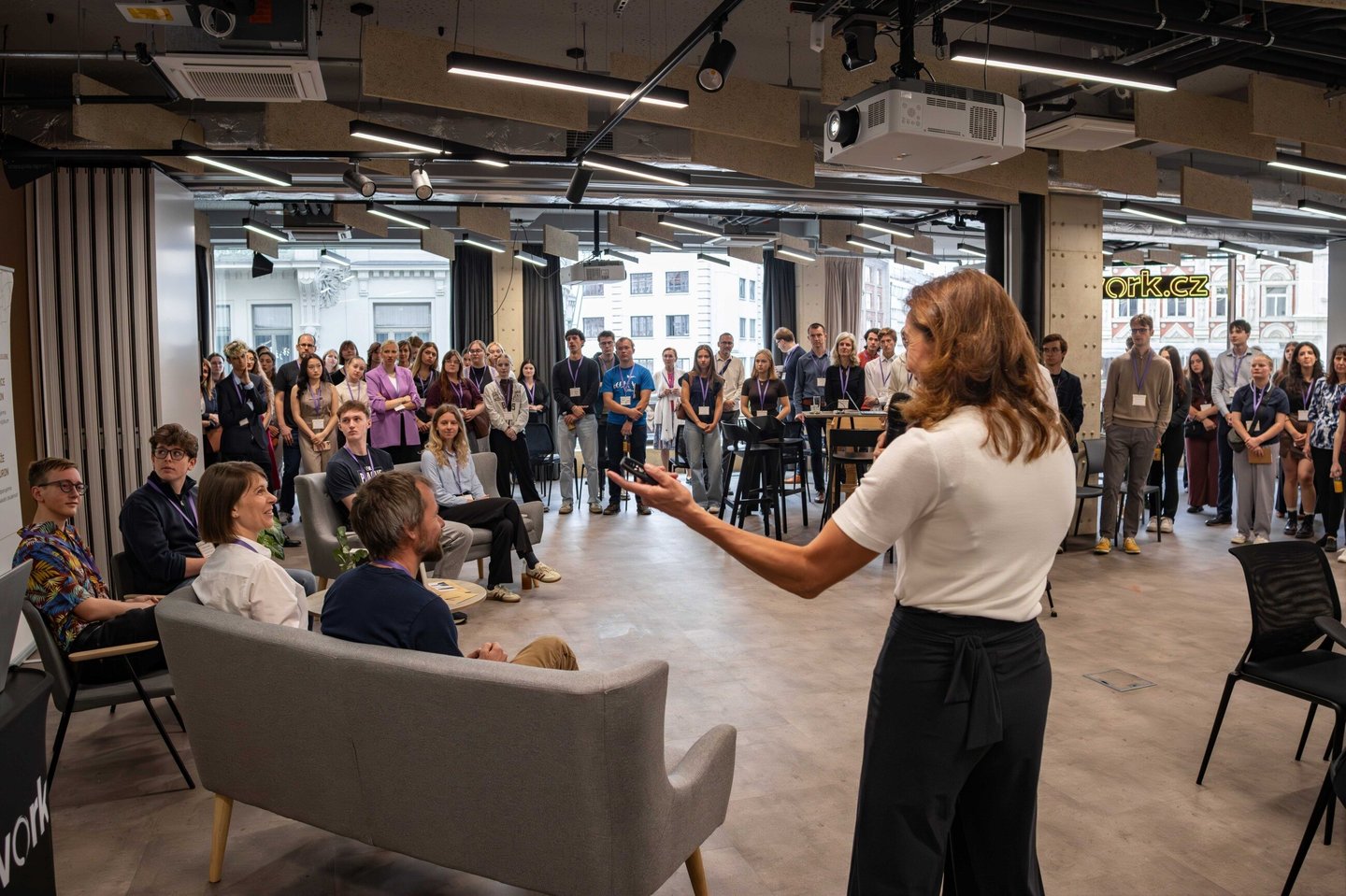
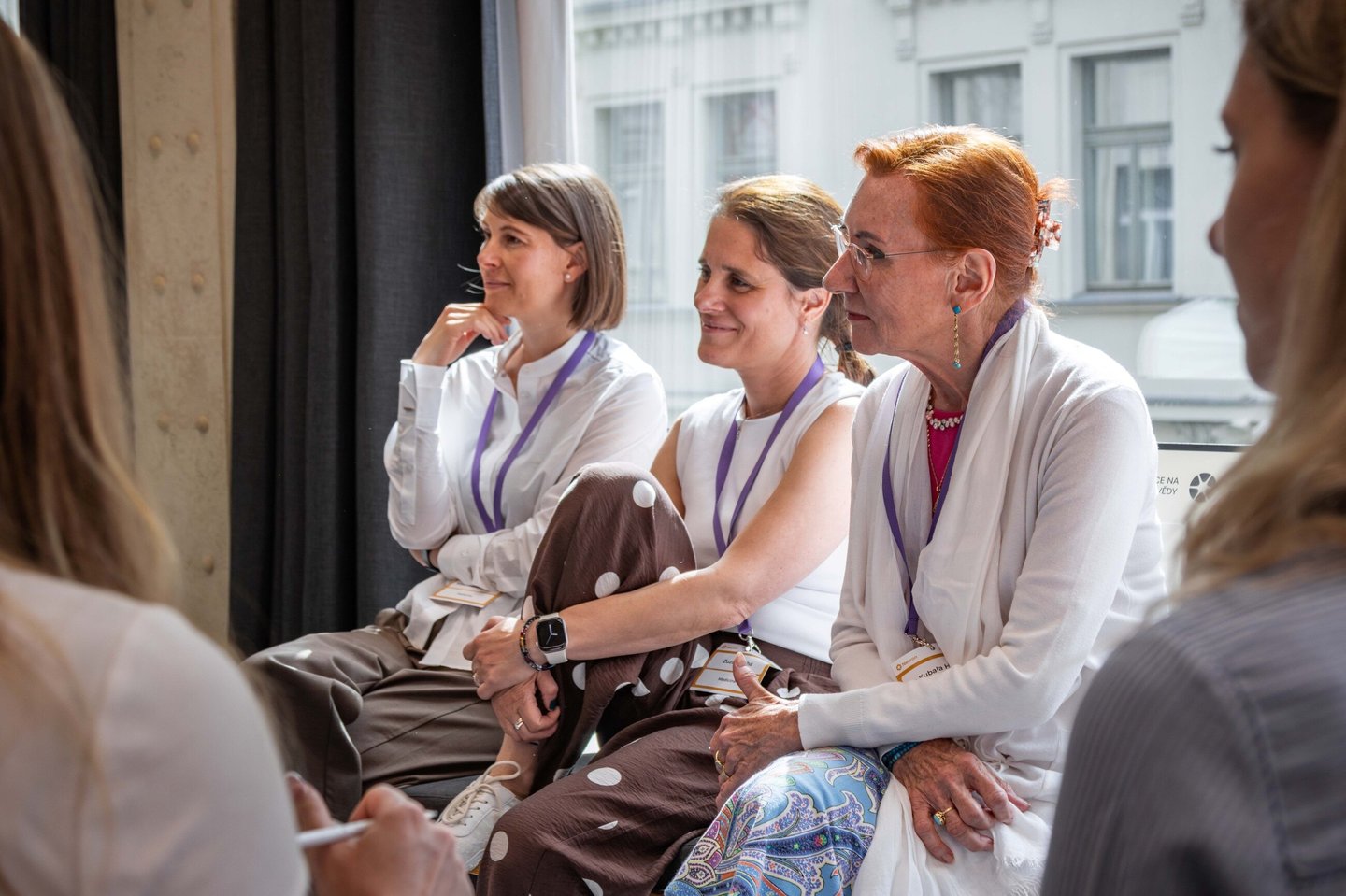
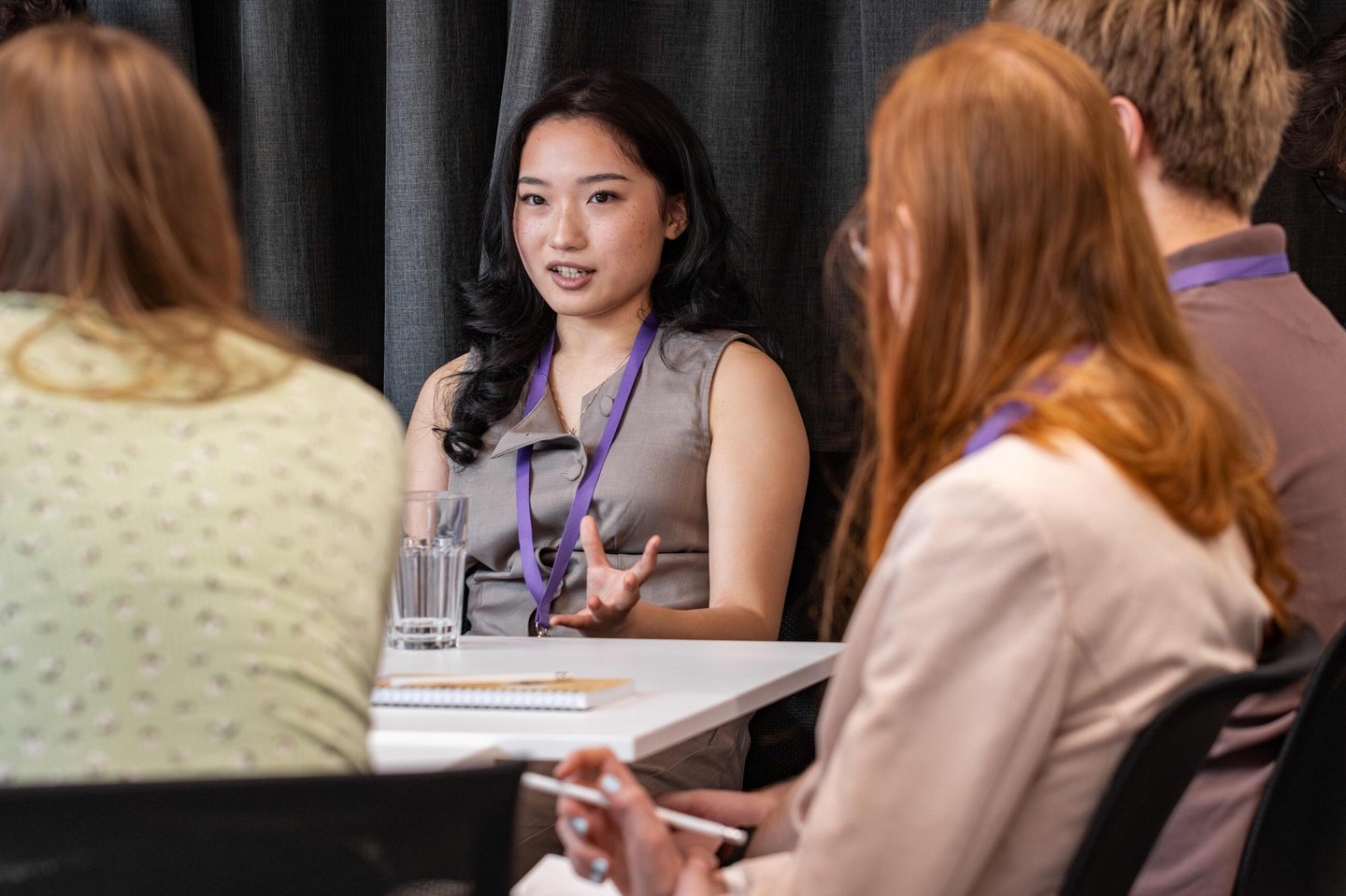
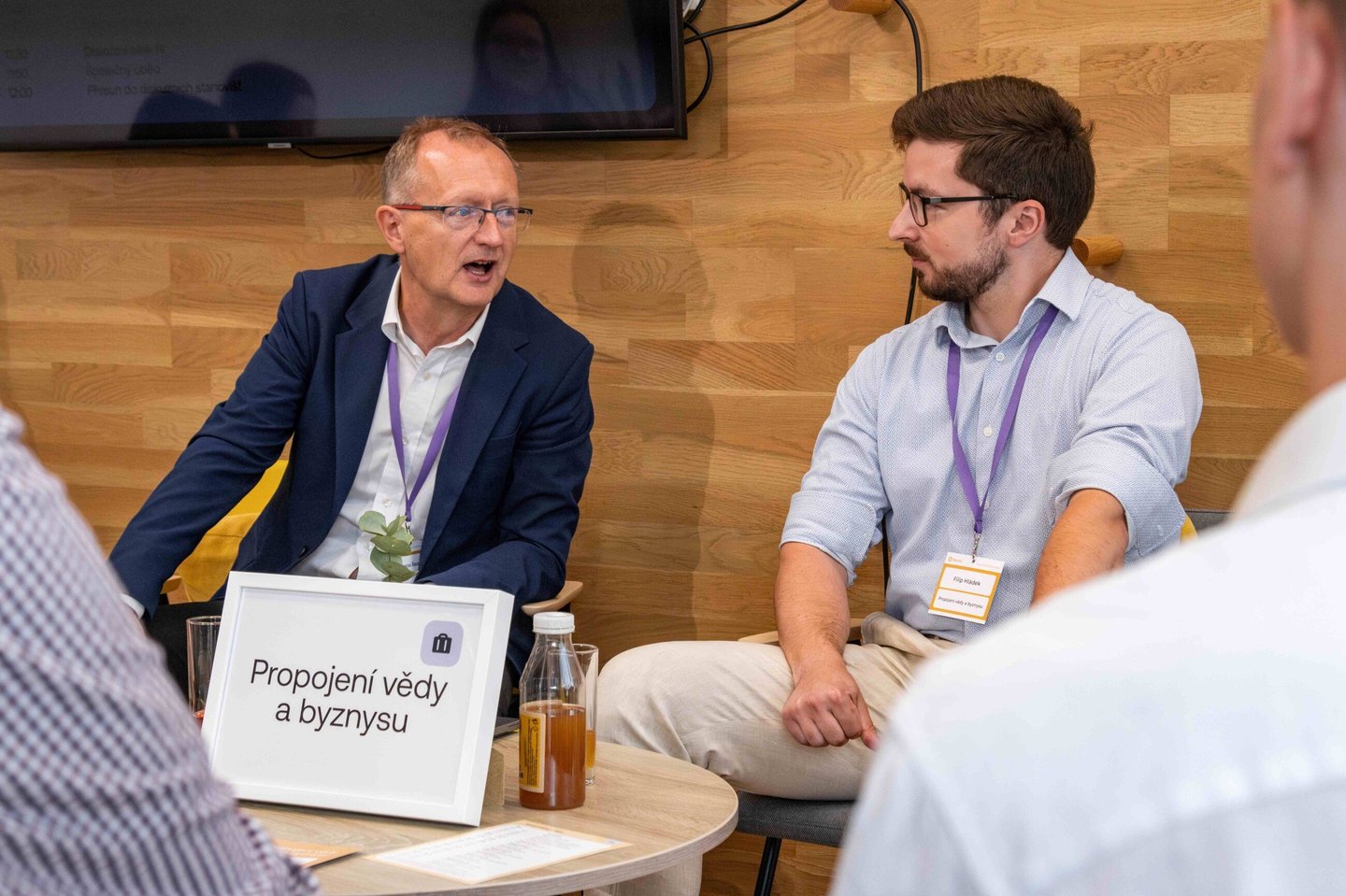
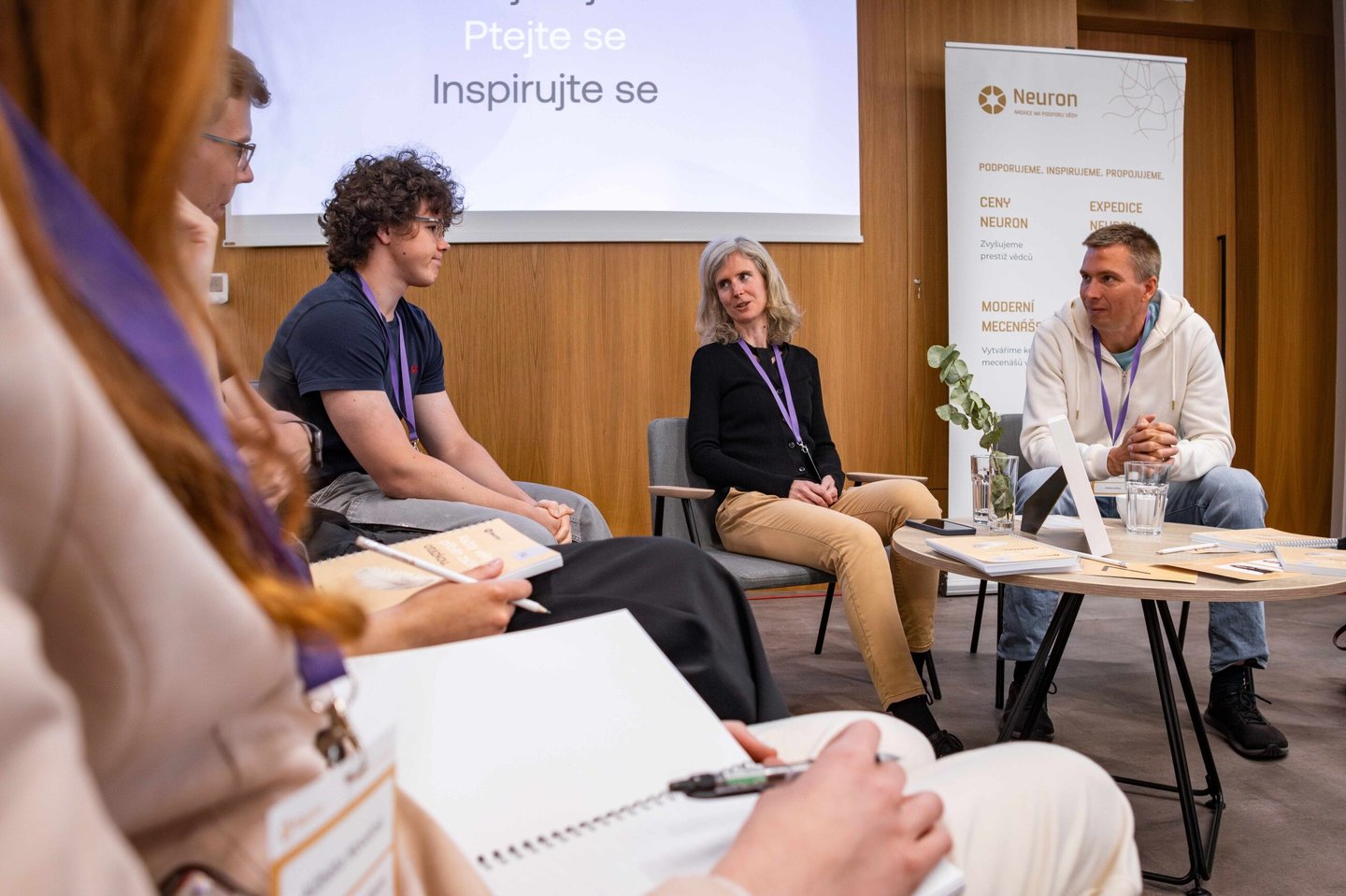
A pleasant venue, interesting people full of energy and curiosity. From the morning of 15 June, more than eighty talented students, mainly from secondary schools across the Czech Republic, had a unique chance at Zenwork in Prague to talk face to face with some of the country's most significant scientists. Fifteen Neuron Award laureates — including this year's winner of the main award, Eva Kubala Havrdová — talked with young people in eight subject "nests" at this debut Speed Dating event, whose aim is to inspire young people to take an interest in science. And to show them that top-class research can be a real path in life — perhaps for them.
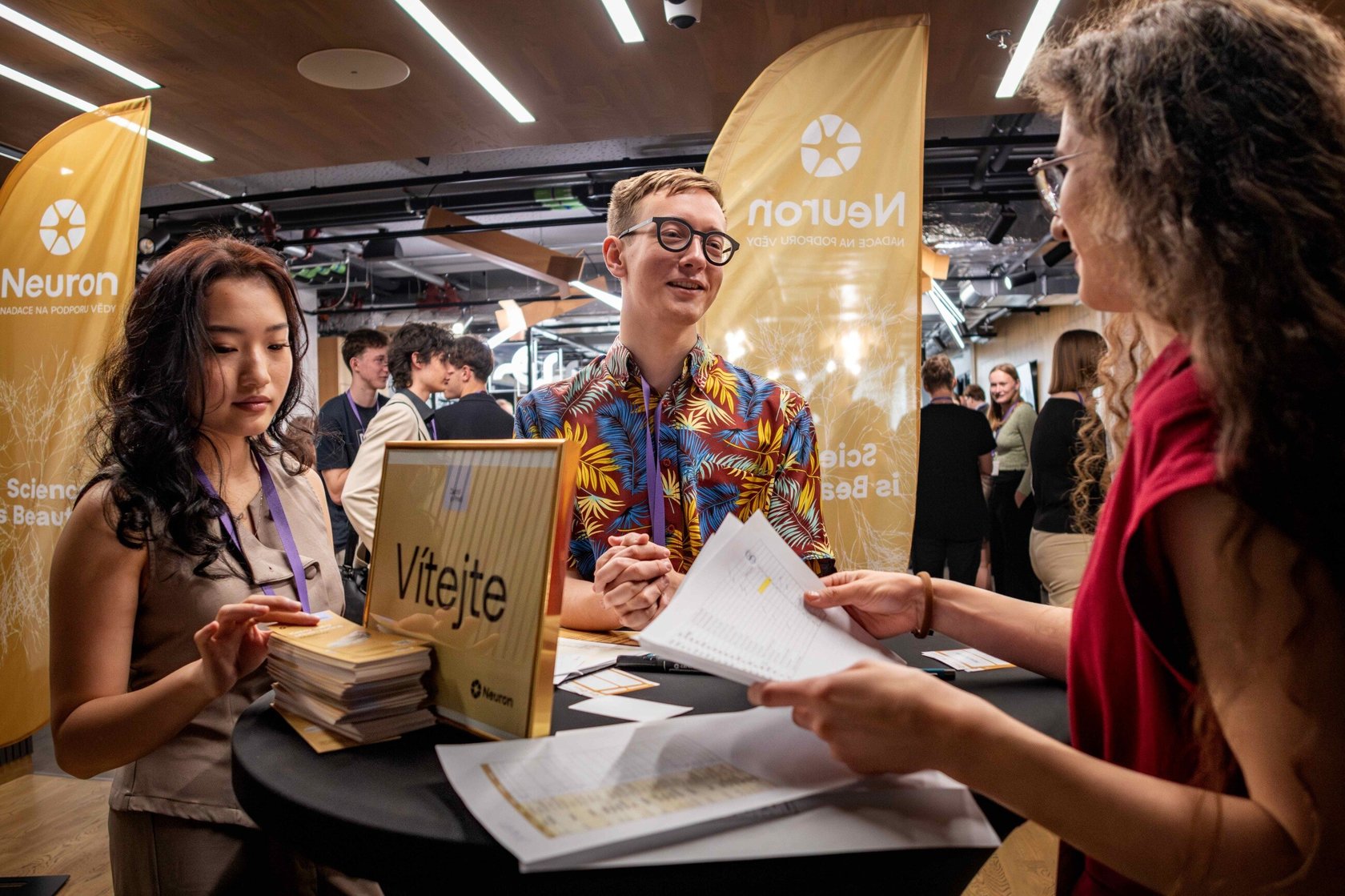
A pleasant venue, interesting people full of energy and curiosity. From the morning of 15 June, more than eighty talented students, mainly from secondary schools across the Czech Republic, had a unique chance at Zenwork in Prague to talk face to face with some of the country's most significant scientists. Fifteen Neuron Award laureates — including this year's winner of the main award, Eva Kubala Havrdová — talked with young people in eight subject "nests" at this debut Speed Dating event, whose aim is to inspire young people to take an interest in science. And to show them that top-class research can be a real path in life — perhaps for them.
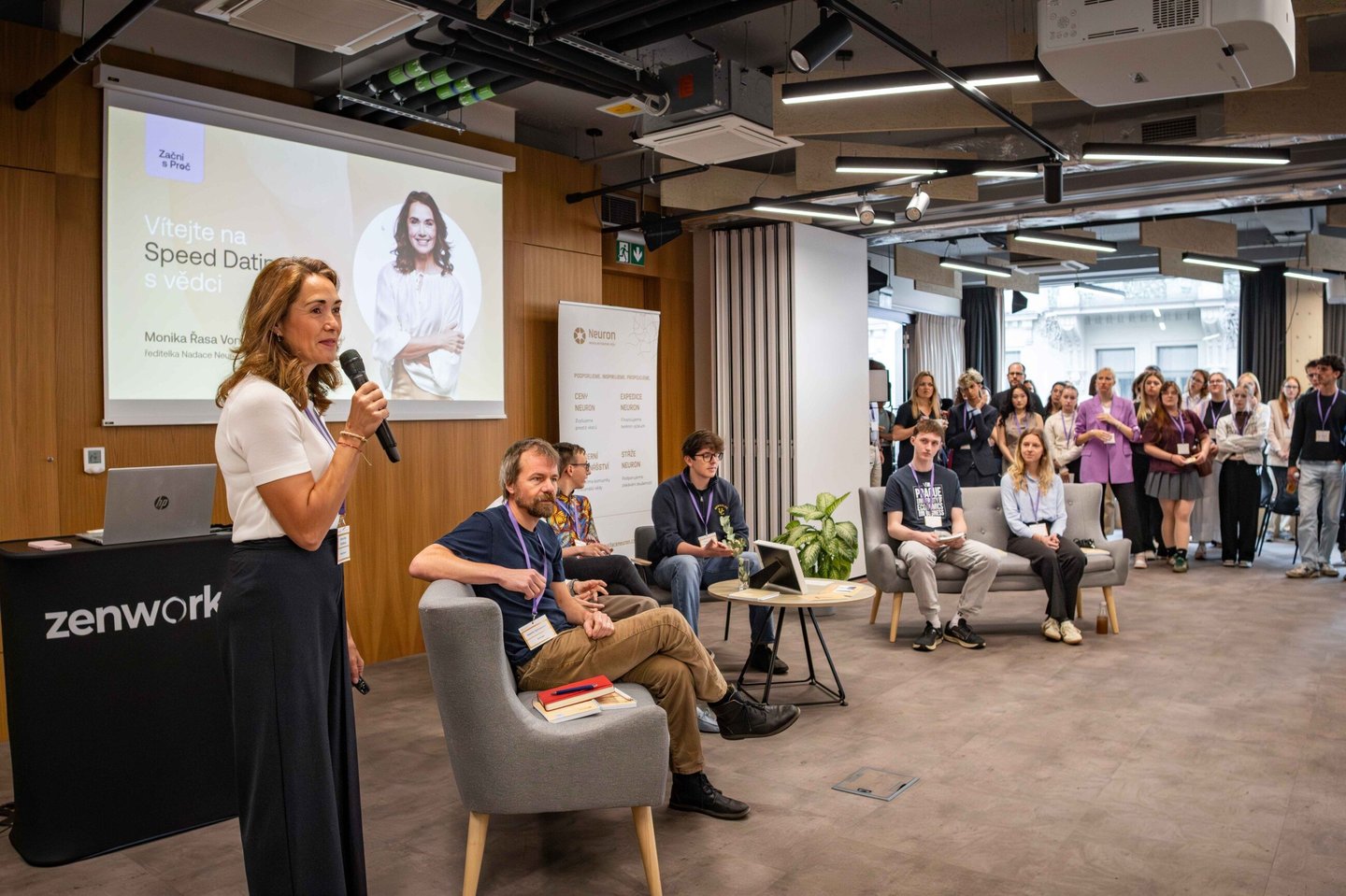
This unique event, held in the spacious surroundings of Zenwork, was hosted by Marek Brousil, a former Neuron Junior award winner. "At a speed dating event you have the chance to get to know a partner in a short time. But at this event we are not looking for romance, we are looking for a love of science," said this young doctor and scientist, who won an award in the FameLab science communication competition. And he showed why, keeping dozens of enthusiastic people entertained and creating a relaxed, if scientific, atmosphere.
"I am really delighted with this event. It worked! We saw with our own eyes how well young people can get on with outstanding scientists who show them that they can set off on the beautiful path of top-class science," Monika Řasa Vondráková, director of Neuron, said of the meeting.
A scientific date for the whole country
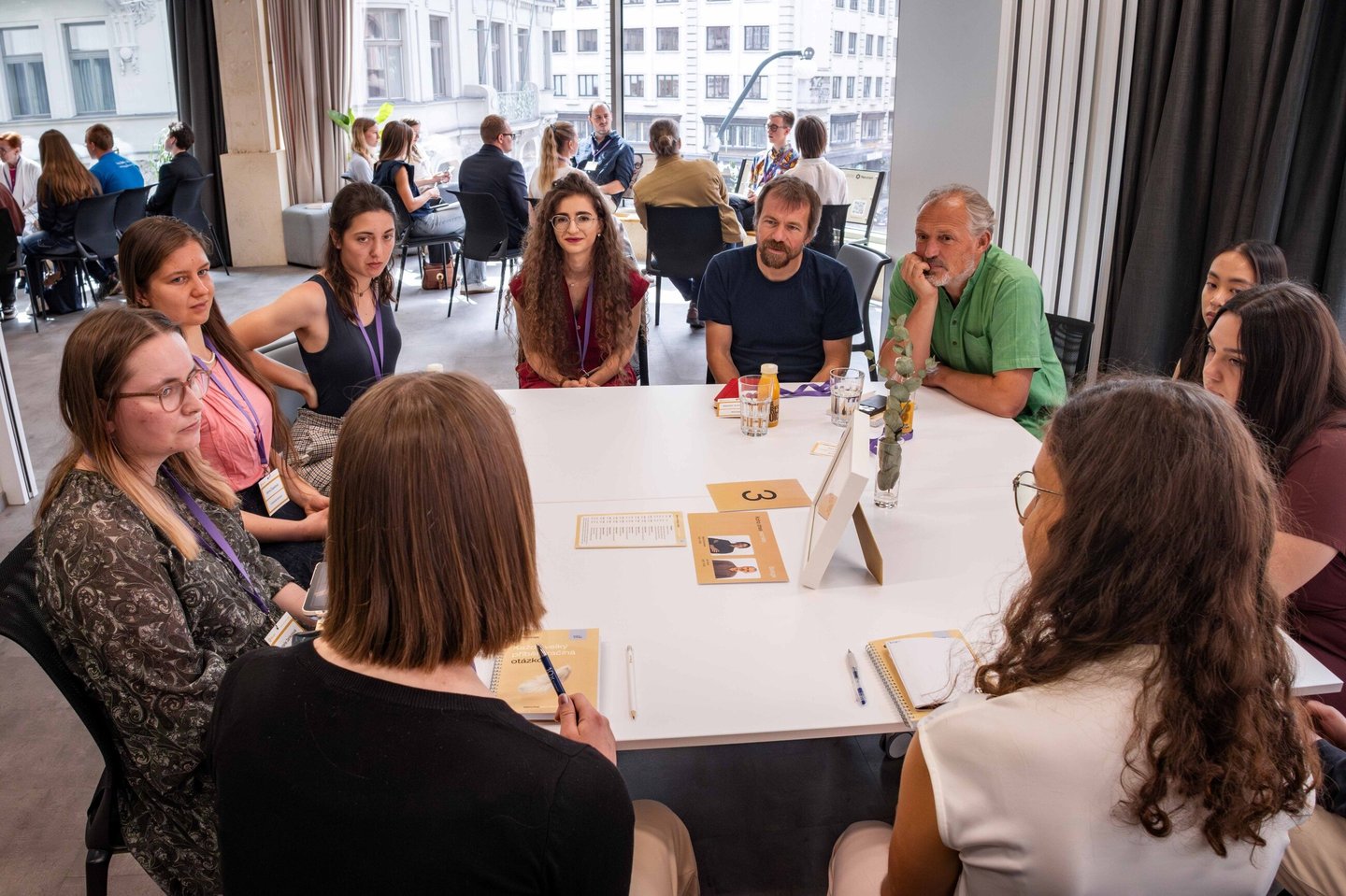
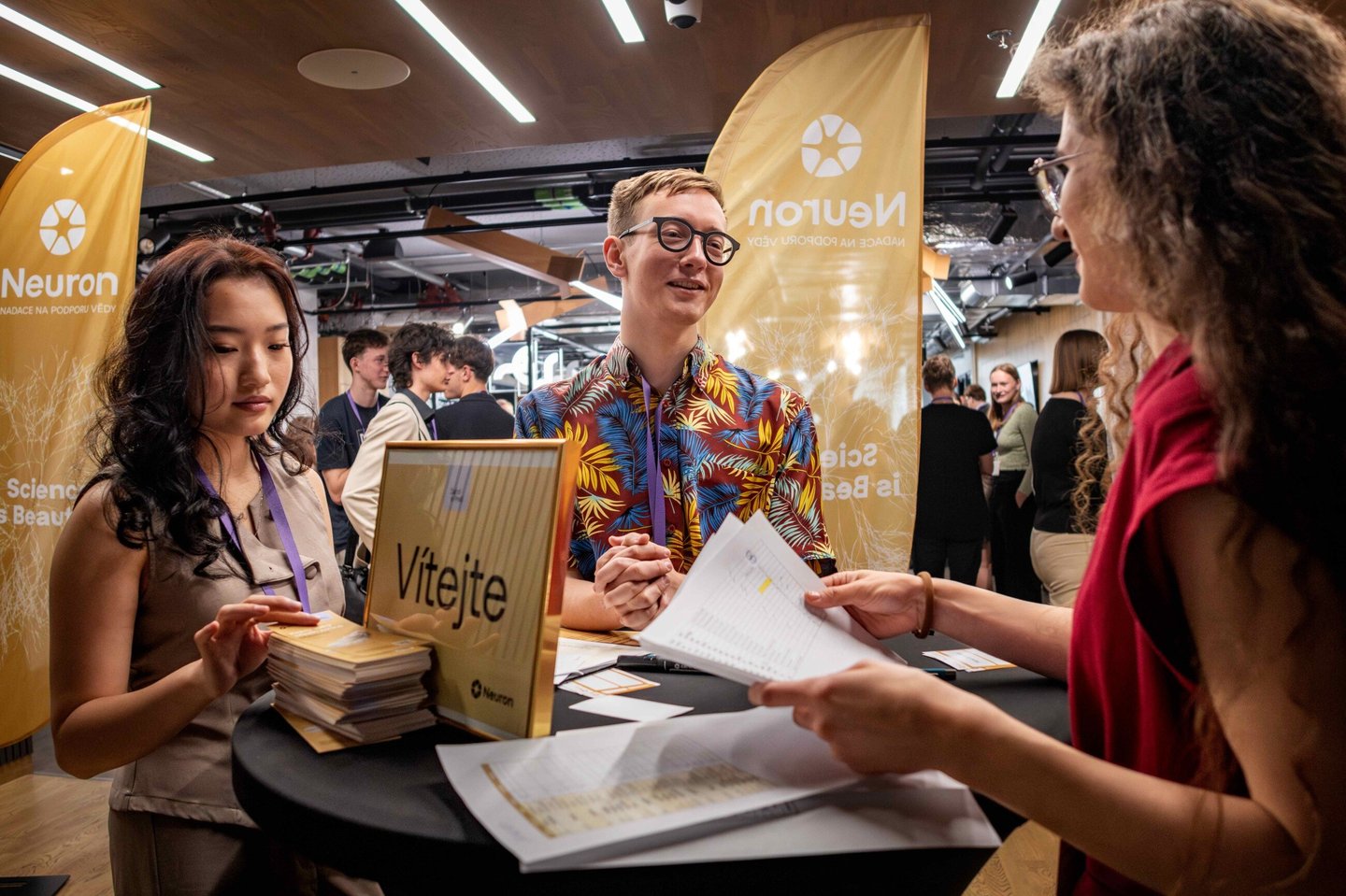
In this modern space, more than eighty students rotated between eight tables (for a full five hours!); half of them were nominated by secondary school heads, while the Neuron Foundation selected the other forty from hundreds of serious applicants from the Start with Why campaign. On the day of the event the website recorded almost 70,000 unique visits and nearly 20,000 people interested in science completed the motivational quiz. Outstanding students came from Prague schools such as the Nad Alejí Grammar School, the Jaroslav Heyrovský Grammar School, the Mensa Grammar School, the Christian Doppler Grammar School, the Jan Kepler Grammar School and the Smíchov secondary technical school, but there were talents from all over the country too.
One student pleased with how it went was Tobiáš Boreček, who came from the grammar school in Rožnov pod Radhoštěm. He went home full of impressions and perhaps new plans too: "I am leaving absolutely thrilled. I had been looking forward to biology and chemistry, but the leaders in the other panels showed me that the other fields are terribly interesting too, and that connecting them matters all the more."
The students' partners for this "scientific date" were leading scientists such as the cell biologist Jan Černý (holder of the Neuron Award for fostering a love of science), the microbiologist Martin Schwarzer, the chemist Tomáš Pluskal, the astrophysicist Ondřej Pejcha, the cancer researcher Kateřina Rohlenová, the archaeologist Jaroslav Řídký and the neurologist Eva Kubala Havrdová, laureate of the main Neuron Award 2025, who works on the research and treatment of multiple sclerosis.
The scientists: a concept that works well
"Speed Dating strikes me as a superb concept. It lets young people see that doing what genuinely interests them can lead to an interesting scientific career too. They can now put a face to it. And the normative experience matters as well — that they deal with adult scientists as equals," is how Professor Jan Černý of Charles University, who has also worked at Harvard and has for years nurtured the Czech scientific hopes who take part in international biology olympiads, assessed the event.
This year's laureate of the Neuron Award for outstanding young scientists in computer science was also pleased. "I am leaving today in a really optimistic mood, because a lot of the students were truly wonderful. They follow what is happening, they had superb questions. Talking with them, I felt I was talking to junior colleagues and not to much younger students still at secondary school," added the computer scientist Václav Rozhoň of the Faculty of Mathematics and Physics, who has worked at ETH Zurich and MIT.
The four brave ones. Those who have already succeeded
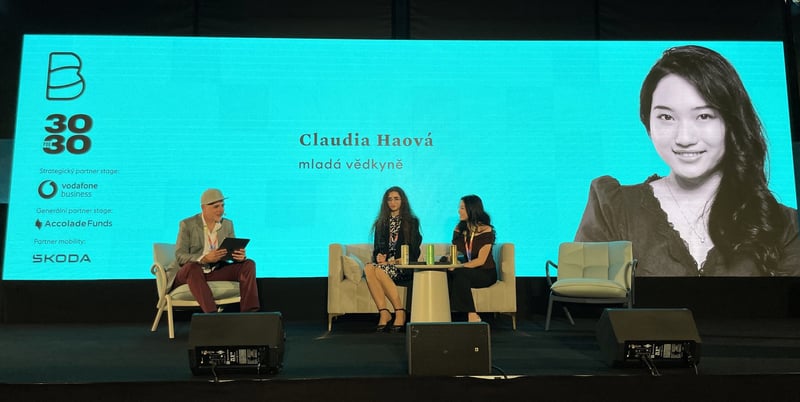
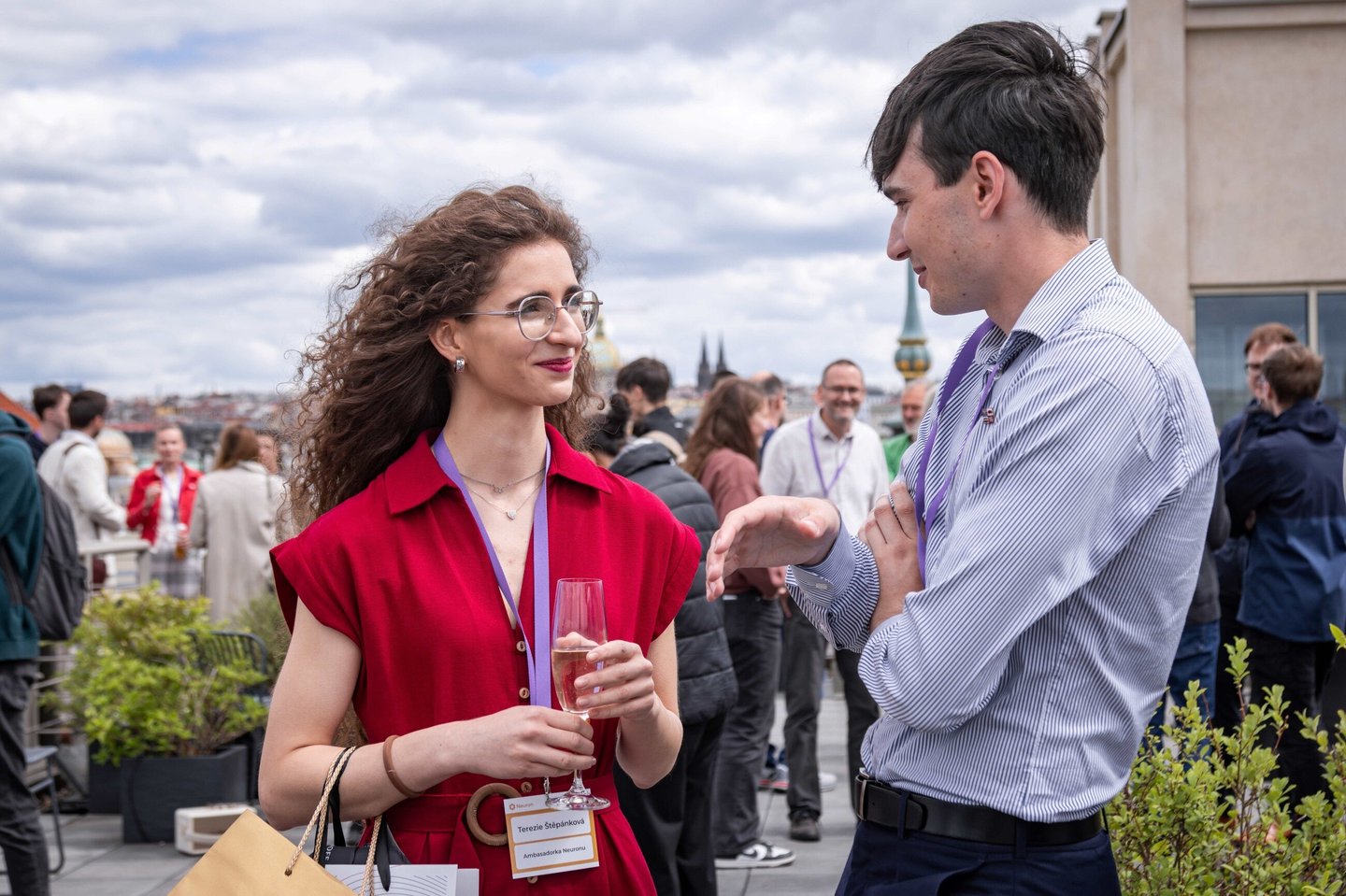
The students also talked with the faces of the motivational campaign Start with Why, four exceptional scientific talents in their teens who asked exactly that question at the right time and are therefore heading for serious science: Terezie Štěpánková (who was already developing a nanofibre dressing for wound healing while at the grammar school in Žamberk), Václav Knapp (an AI specialist and Berkeley intern, this year in Forbes 30 under 30), Václav Verner (who already works on drug development and received the very first Neuron Rising Star award) and Claudia Haová, author of an AI model for diagnosing skin diseases. She enjoyed Speed Dating: "It is quite innovative; I had never seen a project that would connect science and the generations," Claudia told iDNES.cz. "Networking matters as much as what scientists actually do. You can never achieve anything alone," Knapp added.
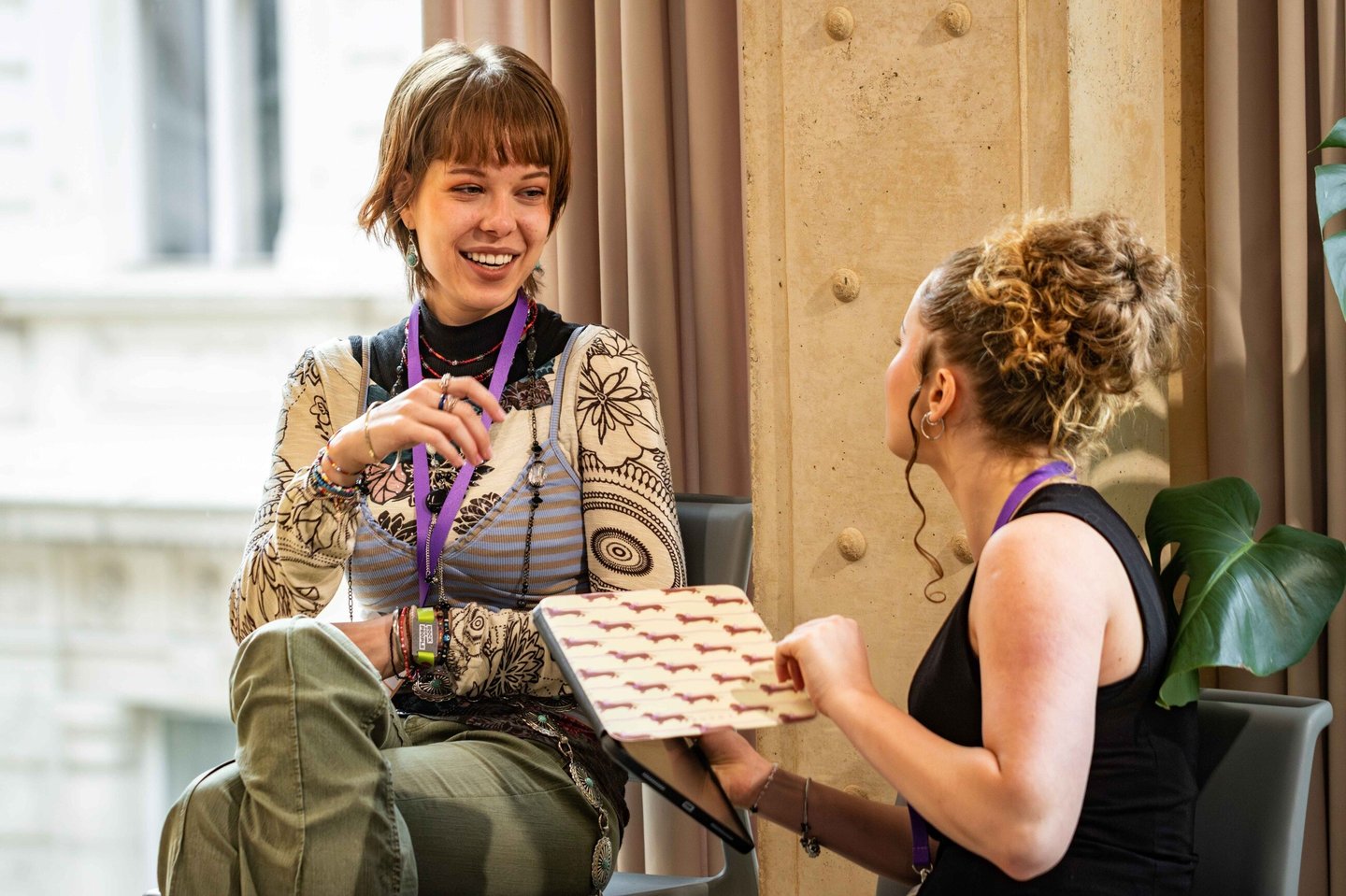
The students asked lively questions of their near-contemporaries and of leading scientists alike. "At school we often find we have a lot of subjects so that we learn as much information as possible. But the deeper context is often lost. Neuron and its question Why is terribly important. When I heard an event like this was being held, I saw it as the place where I would be able to understand what science looks like in practice," said Eduard Bolina from the Christian Doppler Grammar School.
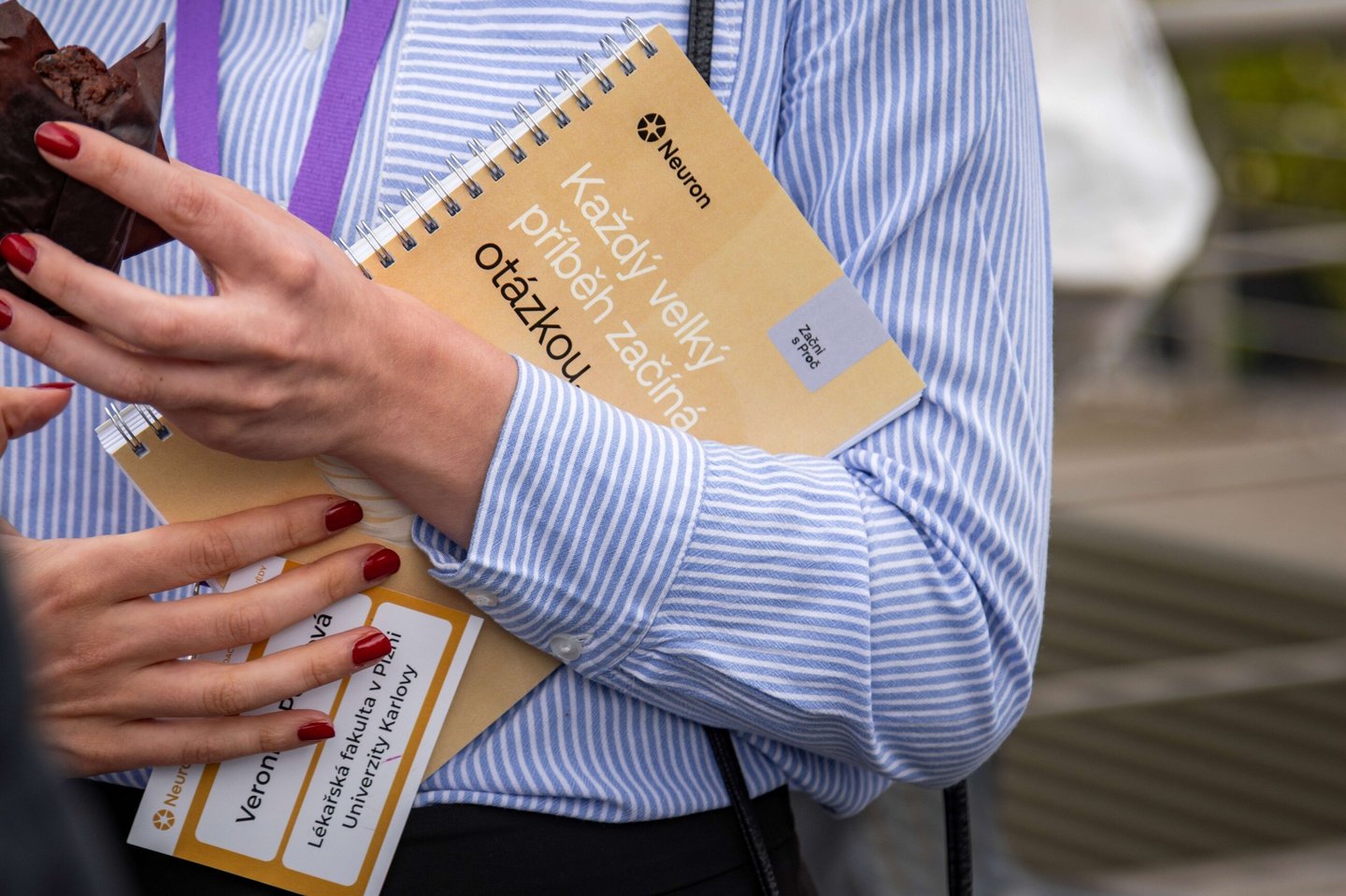
Among the participants were also several university students (even from Trinity College Dublin) who completed the quiz and wanted to come to this new kind of event. "Scientific events were part of my secondary school studies and I was afraid there would be no room for them after my school-leaving exams. Fortunately I was wrong. It is important to get out of your bubble and realise how important it is to work across fields," recalled Veronika Pechová, who is studying at the Faculty of Medicine of Charles University in Pilsen. And the chemist Verner, who while still at the PORG grammar school attended lectures at the University of Chemistry and Technology and worked in the laboratories of the elite IOCB of the Czech Academy of Sciences, told his peers: "You have the chance to ask how to combine study with research."
Řasa: Supporting these hopes matters for the whole country
This successful Speed Dating event was the culmination of the Start with Why campaign, which has been running online since April and can also be seen on benches and other outdoor advertising. "We want to show young people that formulas, physical laws or equations are not the goal but the means to creating great and wonderful things, because science is beautiful," says Monika Řasa Vondráková, co-founder of Neuron. "I am personally very pleased at such great interest from young talents in this initiative, and that the Notino Foundation, which has support for science, education and enterprise as one of its pillars, has become an active partner of our campaign. And curiosity, as we say, connects us," she adds.
The campaign's aim is to show young people inspiring scientific figures, to bring them the real stories of Czech scientists and to motivate them to ask their own Whys in life and not be afraid to look for their own answers. The Speed Dating format will therefore most likely be continued or developed further.
"At Neuron we are convinced that our campaign has a deep purpose. We — we as a whole country — need to develop superb talents, whether they head into science or develop their ideas in business start-ups," urges Jaroslav Řasa, entrepreneur and member of Neuron's board, who was one of the participants in the subject "nest" devoted to economics and business.