Skip to content
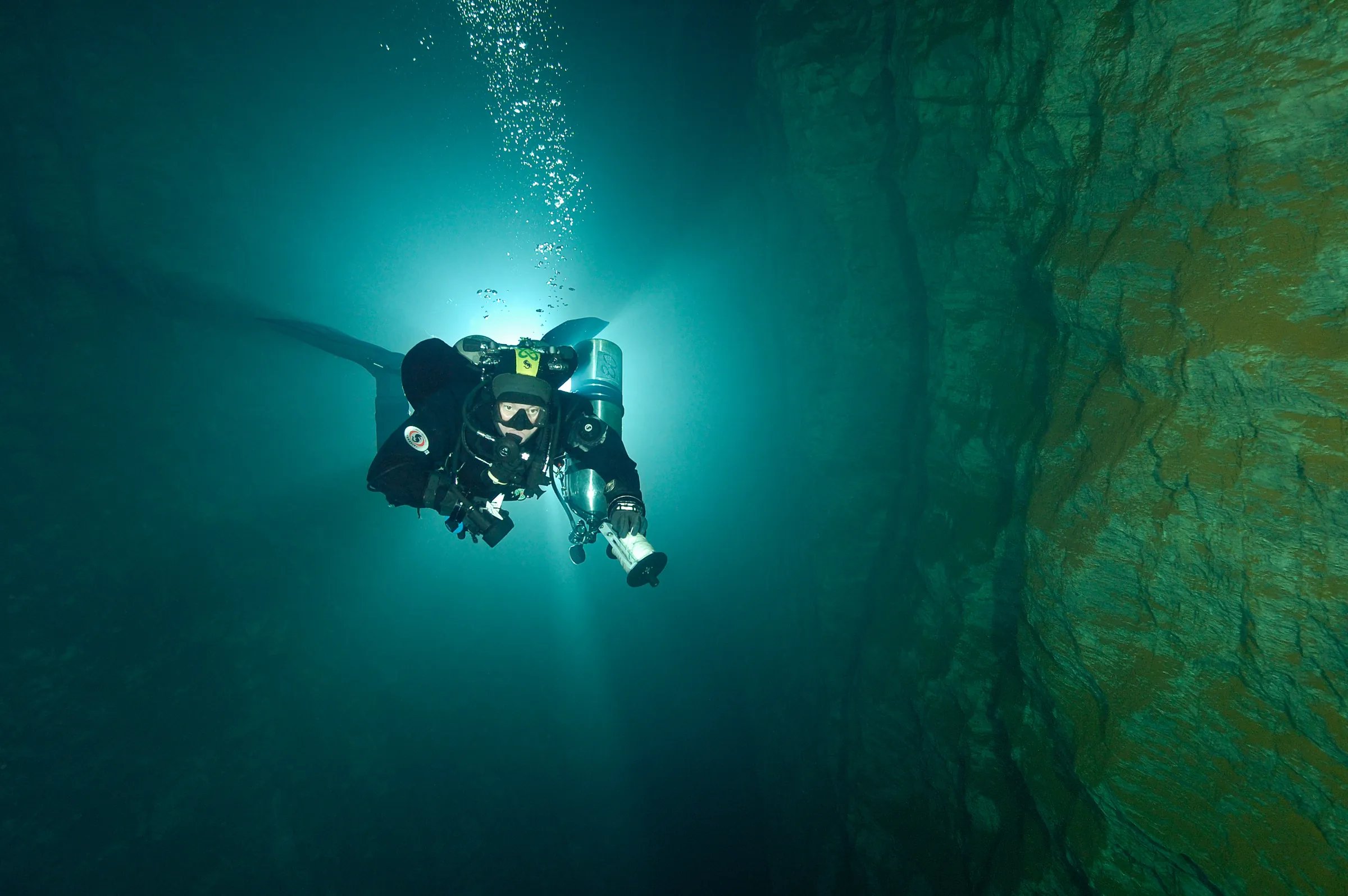
A Neuron Expedition diver in a flooded cave

Neuron Expedition

The largest underground thermal lake in the world

More about the expedition

About the expeditions

We have searched for a lost Maya city, studied glaciers in the tropics, discovered the mythical Imperial snipe bird, located the forgotten Congo crocodile and measured the length of the world's deepest abyss. Our grant programme Neuron Expedition assists scientists in the field research through which they leave an international legacy.

The expeditions carry on the famous era of the travellers Zikmund and Hanzelka, exploring the world in all its diversity. From its patrons’ gifts the Neuron Foundation has so far supported:

  • 13 scientific expeditions since 2015
  • 6.8 mil CZK paid out to support expeditions
Neuron Expedition For the Lost Mayan City

For the Lost Mayan City

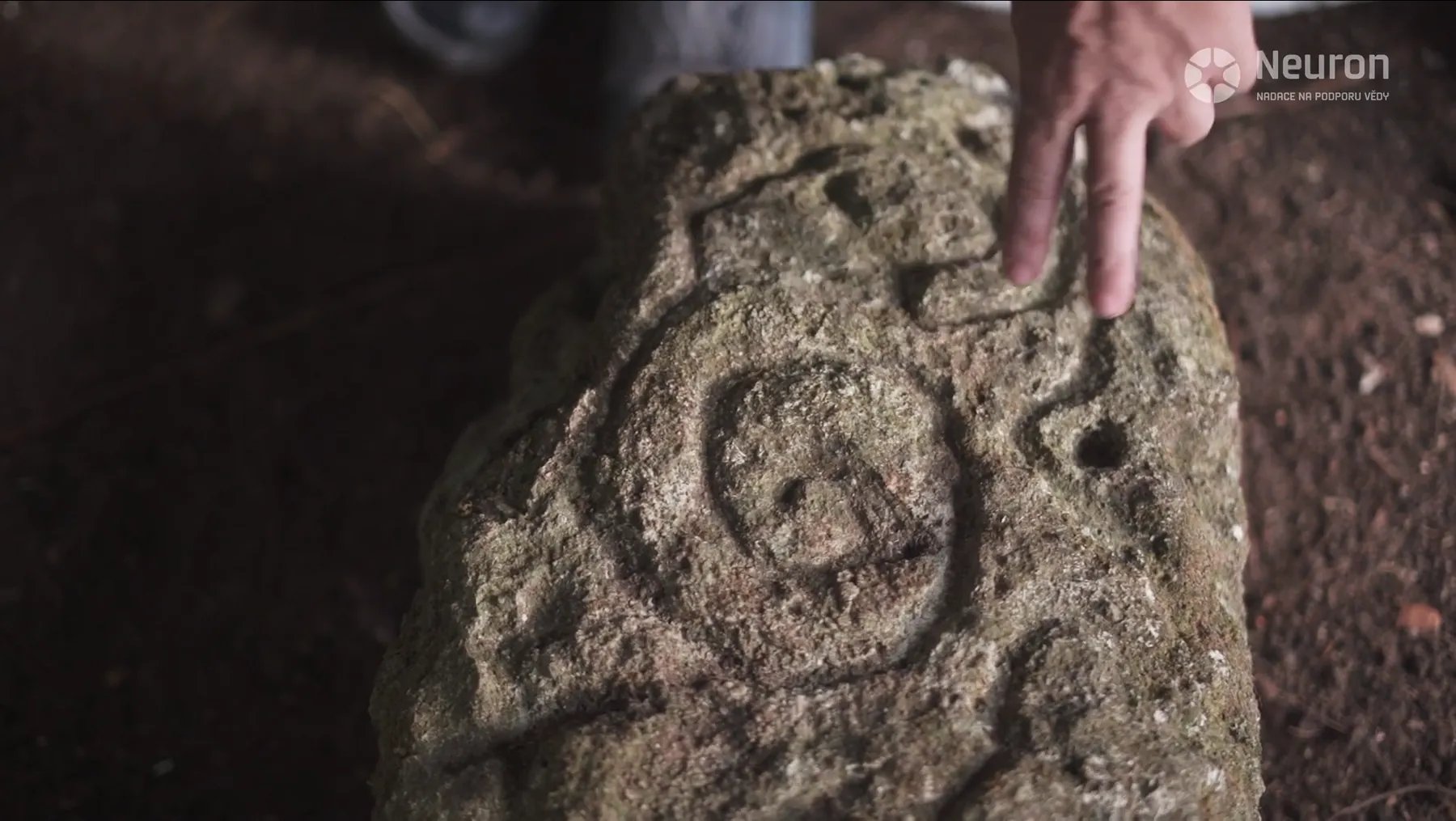
LIDAR laser scans showed that an important city of the Maya civilisation lies hidden in northern Guatemala.

More about the expedition

Applications for Neuron Expedition 2026 closed on 29 April

Do you have a bold field research project? Get it ready and wait for the next Neuron Expedition call to open in spring 2027.

Frequently asked questions and rules

List of Neuron Expeditions

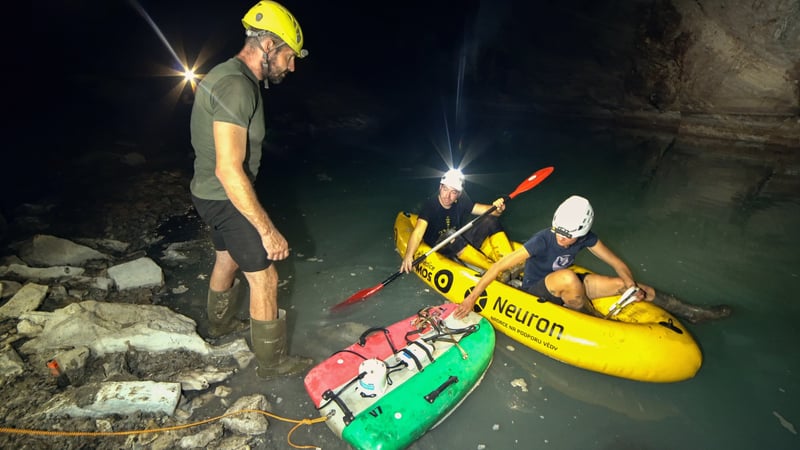
  • Neuron Expedition Atmos: the discovery of the world's largest underground thermal lake

    Neuron Expedition Atmos: the discovery of the world's largest underground thermal lake

    • 2024
    • Greece/Albania
    • expedition leader: Marek Audy

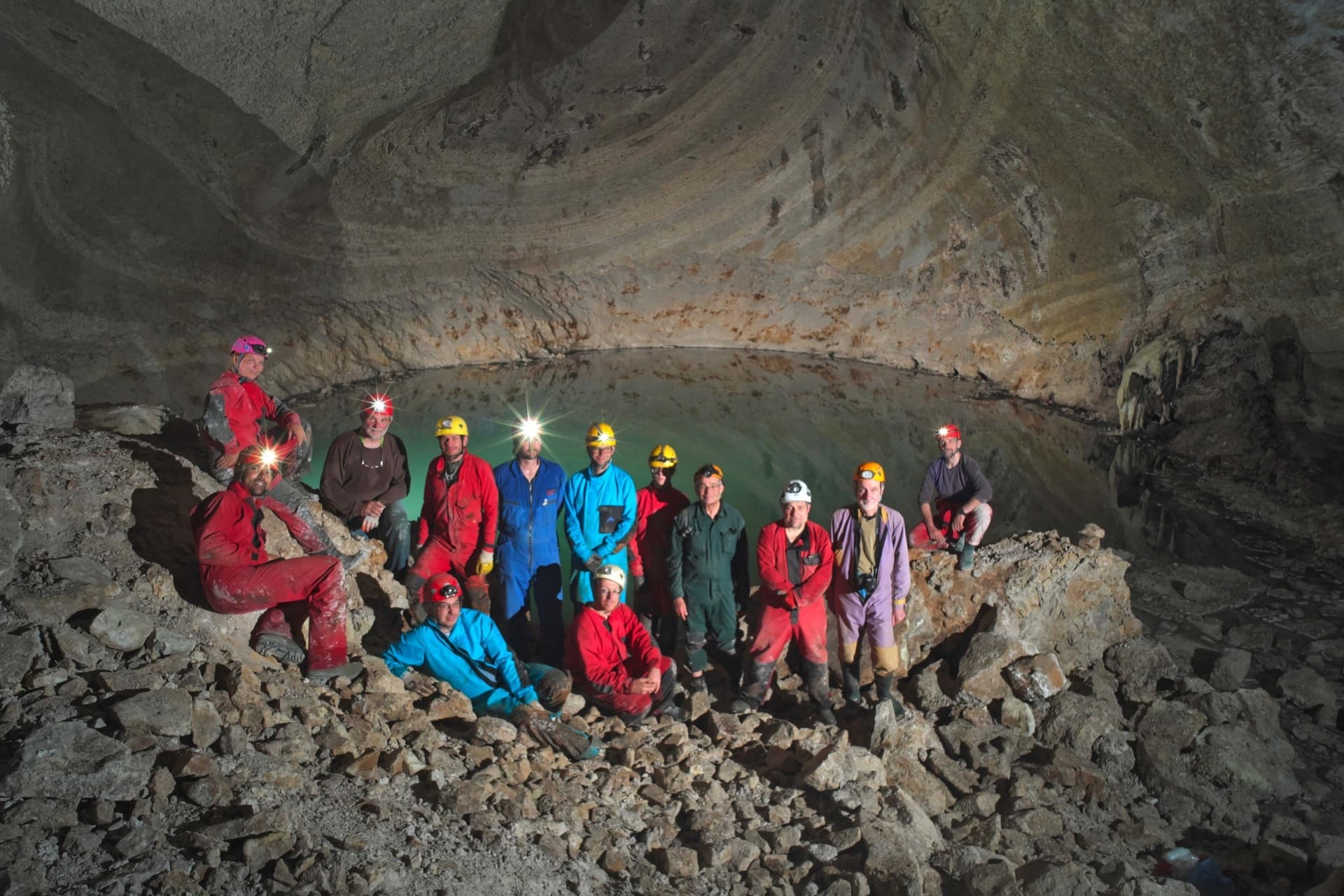
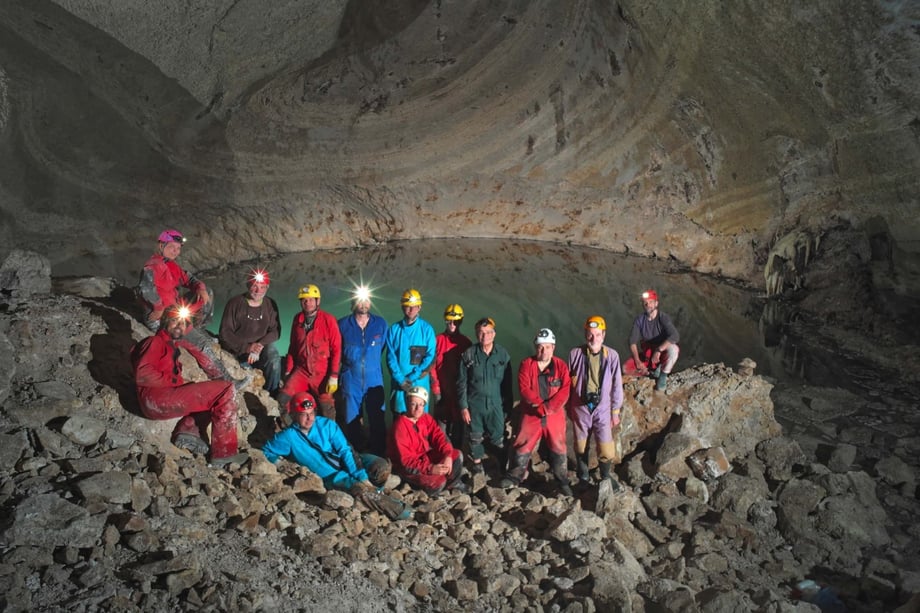
    In 2022 scientists discovered what is probably the world's largest underground thermal lake on the border of Albania and Greece. Their equipment was not good enough to prove the discovery, though. Marek Audy's party later returned to the site to confirm it thanks to the Neuron Expedition, and announced it publicly in February 2025.

  • Neuron Expedition For the Lost Mayan City

    • 2023
    • Guatemala
    • expedition leader: Ladislav Šilhán

    LIDAR laser scans show that a city of the Maya civilisation lies hidden in northern Guatemala. How old is it? What will it tell us about the society, the culture and the way the people there lived? The answers were found by the Neuron Expedition For the Lost Mayan City. The team of Ladislav Šilhán, an expert in the 3D visualisation of Mayan centres, was supported by Neuron with more than a million crowns.

  • Neuron Expedition For the Asexual Basilisk

    • 2022
    • Honduras
    • expedition leader: biologist and zoologist Lukáš Kratochvíl

    Is the basilisk Laemanctus julioi asexual in the wild? What is the origin of the asexual lineage kept in Europe? Is the asexual lineage an interspecific hybrid, as other asexual reptiles are? And how many genetic clones make up any wild asexual populations? These are the questions the Neuron Expedition 2022 set out to answer when it headed for Honduras.

  • Neuron Expedition For the Longevity of the Greenland Shark

    • 2022
    • Iceland
    • expedition leader: biologist Václav Brázda

    The target of the expedition was the Greenland shark, which has so far remained outside the interest of world science — its DNA probably contains a molecular-genetic trick that lets it escape the processes of ageing and prevent tumour growth. The research team therefore set out for the sharks' refuge in the waters between Iceland and Greenland, to contribute to our understanding of the molecular-genetic basis of its longevity.

  • Neuron Expedition Dzamba Ya Lobi

    • 2019 to 2022
    • Congo
    • expedition leader: zoologist Arthur Sniegon and zoologist Tomáš Jůnek

    We mapped the wildlife corridors between national parks, discovered salt licks and unknown places in the rainforest, and broke up poaching gangs. We began working with international conservation organisations and left a distinct mark on the protection of African nature.

  • Neuron Expedition For the Tropical Glaciers

    • 2018 to 2022
    • Svalbard + Uganda
    • expedition leader: polar biologist Marie Šabacká

    How do the glaciers at the North Pole differ from the glaciers at the equator? Are they part of the same ecosystem, or do they host unique, isolated communities? In 2018 we studied glaciers in the northernmost part of Svalbard; in May 2022 our scientists set out for the Rwenzori Mountains in Uganda to take samples for further analysis.

  • Neuron Expedition For the Imperial Snipe

    • 2017
    • Peru
    • expedition leader: ornithologist Vojtěch Kubelka

    The imperial snipe, a mysterious wader species, was considered extinct for more than a century. The aim of the ornithologist Vojtěch Kubelka's expedition was to explore the presumed territory of the imperial snipe (Gallinago imperialis) in the Peruvian Andes, to verify the records that exist and, where possible, to map new sites where it occurs.

  • Neuron Expedition For the Lost Uakari Monkey

    • 2017
    • Venezuela
    • expedition leader: naturalist Jan Dungel

    On his journey to Venezuela in 1800, Alexander von Humboldt discovered a short-tailed primate that was never encountered again. The Neuron Expedition was the culmination of several years of research north of the Neblina massif and on the right bank of the Brazo Casiquiare river, where von Humboldt's holotype is said to have come from. The team obtained DNA samples and, for the first time, proved and documented the species Cacajao melanocephalus beyond doubt.

  • Neuron Expedition The Never-Finished Dream

    • 2017
    • Peru
    • expedition leader: social anthropologist Radan Haluzík

    The social anthropologist Radan Haluzík studies the megalomaniac villas of the “rich poor” as a global phenomenon in a time of worldwide change and globalisation. He has mapped the Balkans and the Caucasus, the Middle East and Sri Lanka; as part of the Neuron Expedition he set out for Africa and Central America to confirm the thesis that people are the architects of their dreams.

  • Neuron Expedition For the Congo Crocodile

    • 2016
    • Congo
    • expedition leader: herpetologist Václav Gvoždík

    The aim of the expedition to Congo was to prove that the crocodile the team came across in its research is not the slender-snouted crocodile but an entirely new species. It differs both genetically and morphologically, yet its existence is not generally accepted so far. The expedition set out to gather field data that would support the validity of this overlooked crocodile species.

  • Neuron Expedition For the Use of Ayahuasca

    • 2016
    • Peru
    • expedition leader: psychiatrist Tomáš Páleníček

    Antidepressants work for only some patients with depression, so new forms of treatment need to be found. A very fast and strong antidepressant effect has newly been found in some psychedelics. The aim of the expedition to Peru, led by Dr Tomáš Páleníček, was to answer the question of whether the ritual use of the psychedelic ayahuasca has antidepressant potential from a clinical and a neurobiological point of view, and can therefore be used in further research into the treatment of depression.

  • Neuron Expedition Exploring the Hranice Abyss

    • 2015
    • Czech Republic
    • expedition leader: hydrogeologist Helena Vysoká

    The Neuron Expedition was led by the hydrogeologist Helena Vysoká, who first wanted to take water samples from a depth of 384 metres and, with a team of cave divers, explore the last blank space on the map of Czechia. Along the way the team also found that the Hranice Abyss is 404 metres deep, making it the deepest flooded cave in the world.

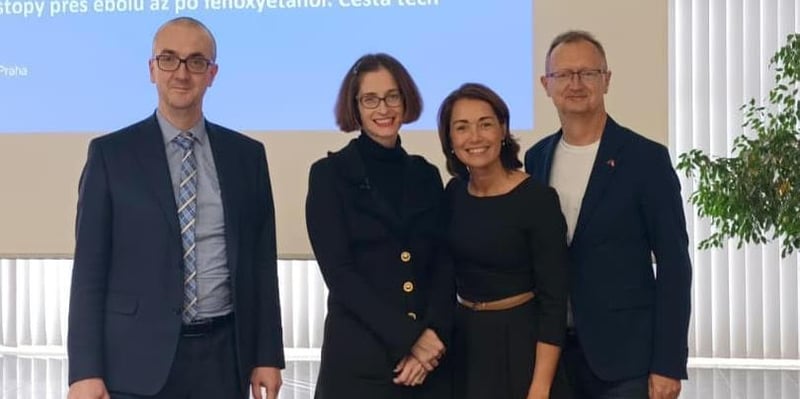
Neuron Expedition Council

“Science is not done in the laboratory alone, but in the field as well. Supporting Expeditions and sending scientific teams out into the world is one of the Neuron Foundation’s key activities.”
Monika Vondráková Monika Vondráková co-founder and director of the Neuron Foundation

Be informed

Discoveries lie waiting all around, do not let them slip by! Every month we will send you a fresh batch of information about the world of science and Neuron.