A Neuron Expedition sets out to confirm the discovery of the largest underground thermal lake
26 August 2024
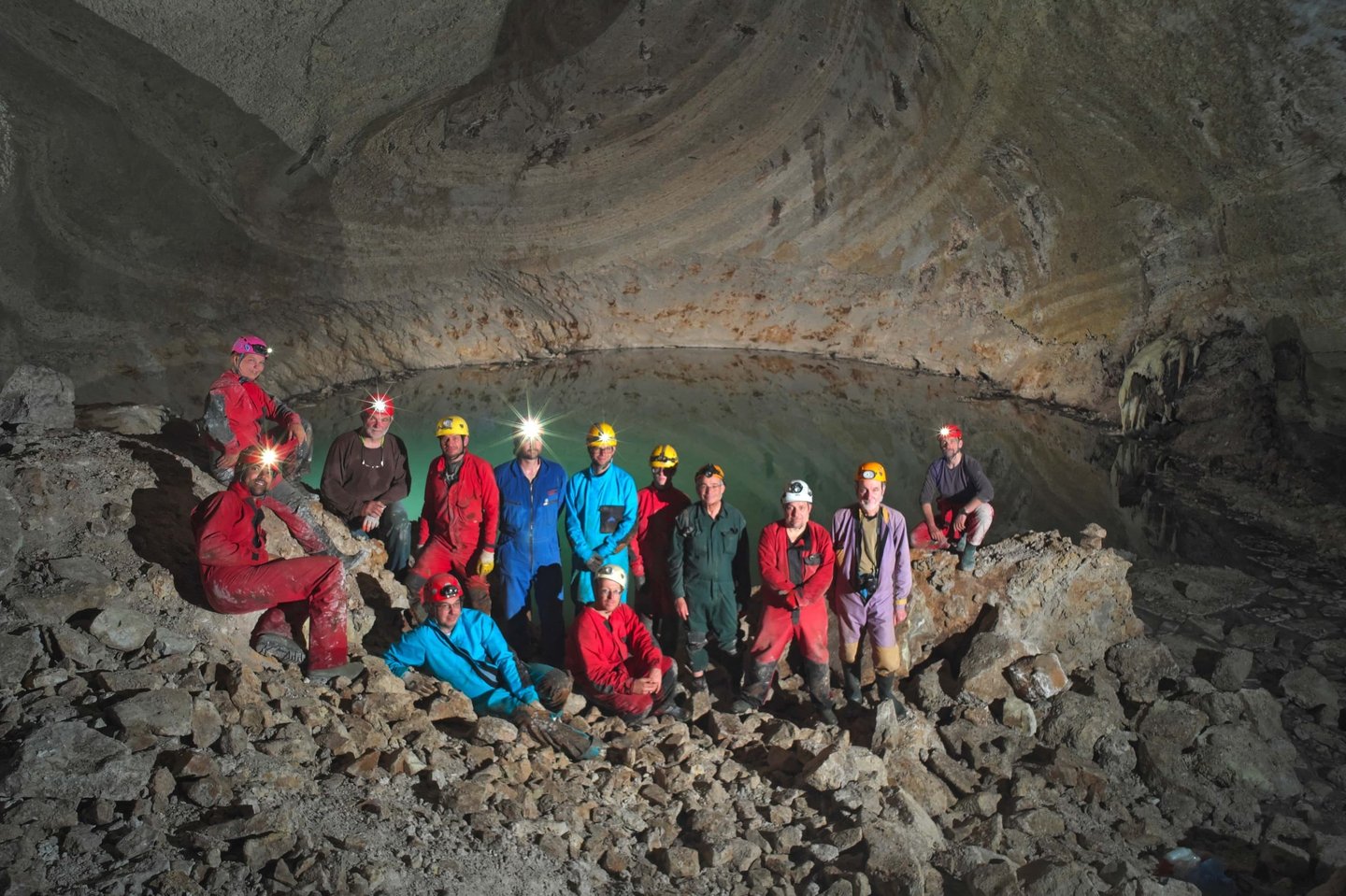
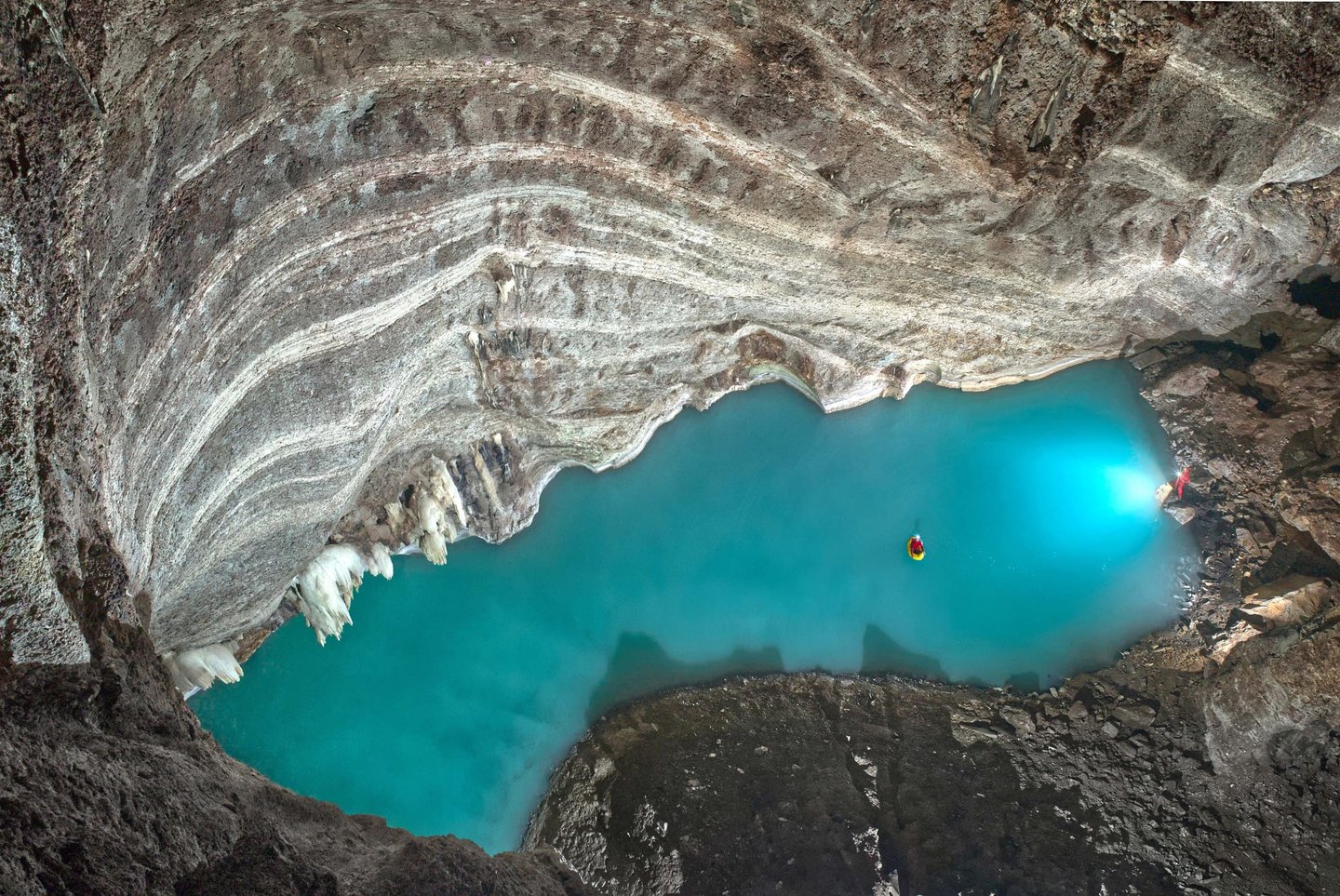
In 2022 they discovered what is probably the world's largest underground thermal lake on the border of Albania and Greece. Because their equipment was inadequate, though, they could not prove the discovery. Now Marek Audy's expedition is preparing to return to the site to confirm its find thanks to the Neuron Expedition.
In 2022 they discovered what is probably the world's largest underground thermal lake on the border of Albania and Greece. Because their equipment was inadequate, though, they could not prove the discovery. Now Marek Audy's expedition is preparing to return to the site to confirm its find thanks to the Neuron Expedition.
An interesting feature of the Vromoner area, where the Neuron Expedition Atmos is heading, is that because of earlier Albanian policy it has remained almost untouched by scientific research. It lies on the border of Greece and Albania in what used to be the border zone, which remained closed because the Albanian government feared a possible invasion or the flight of its citizens. The situation only began to improve after the fall of the communist regime in the 1990s and the restoration of routes in the formerly closed border areas at the start of the 21st century. Marek Audy's expedition therefore has a unique opportunity to explore an entirely unknown part of Europe.
The successful Neuron Expedition In Search of a Lost Mayan City, which managed to discover one of the oldest cities of the Mayan civilisation in Guatemala, has handed the baton to the Atmos expedition. That will head for caves on the Balkan peninsula, specifically to the borders of Albania and Greece in the Vromoner area. "We are continuing the era of the travellers Hanzelka and Zikmund, who began their second journey in Albania," says the leader of the Neuron Expedition Atmos, Marek Audy.
Audy's expedition first visited Vromoner in 2022, but because of inadequate technical equipment it could not carry out precise measurements and so prove that it really had discovered the largest underground thermal lake.
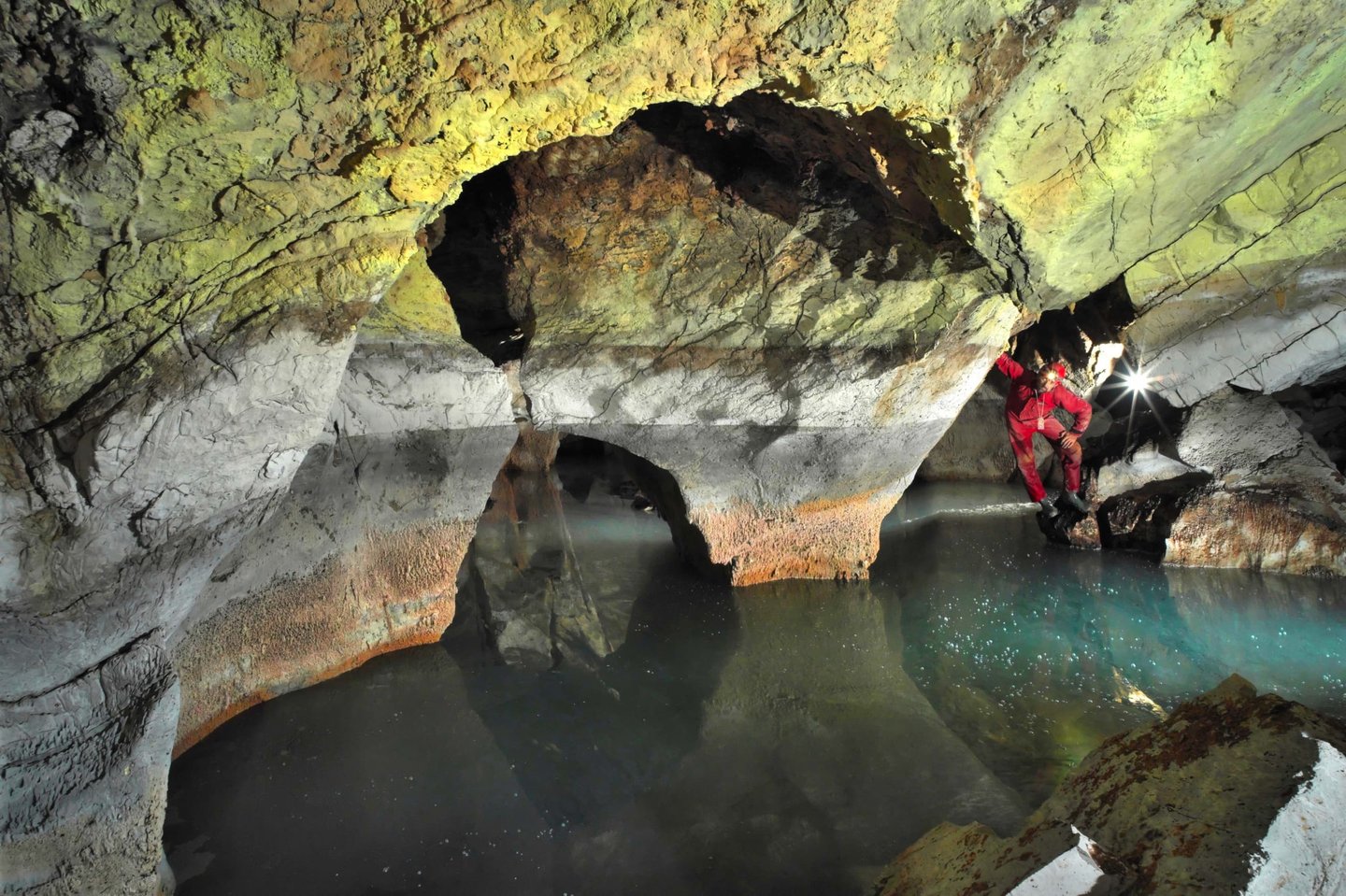
"Following a high column of steam emerging from the limestone massif we managed to find an abyss over 100 metres deep. We named it Atmos. At the bottom we discovered a strong thermal inflow and an extensive lake. But for Czech science to be able to present this phenomenal discovery, scientific research and precise measurements have to be carried out," Audy adds.
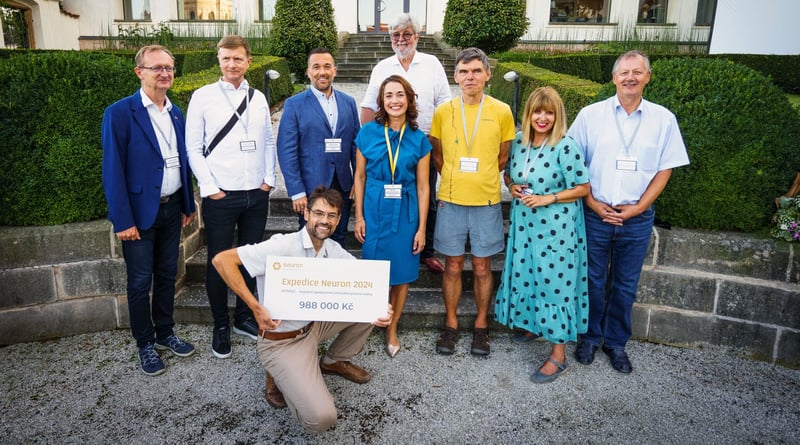
That is exactly what the Neuron Foundation should help him with through the Neuron Expedition project. It has supported his expedition with almost a million crowns, thanks to which it can acquire a special LiDAR 3D scanner and the necessary software.
"We realise that top-class scientists need to do research in the field and to have top-class technology for it. That is why we decided to fund this whole expedition, including the purchase of the LiDAR scanner, which will also help other researchers who decide to join forces with the Neuron Foundation. We have agreed with the research team that they will lend this expensive equipment to other Neuron Expeditions that need it," says Monika Vondráková, co-founder and director of the Neuron Foundation. "Cooperation between scientists and between disciplines is key for our foundation."
The expedition itself should take place in the autumn of this year. It hopes to bring back not only a map and a 3D model of the underground cave and the lake, but also samples of animals from the lake and its shores.