"Rohlenová is a hero to me!" says a student after an internship in a research group
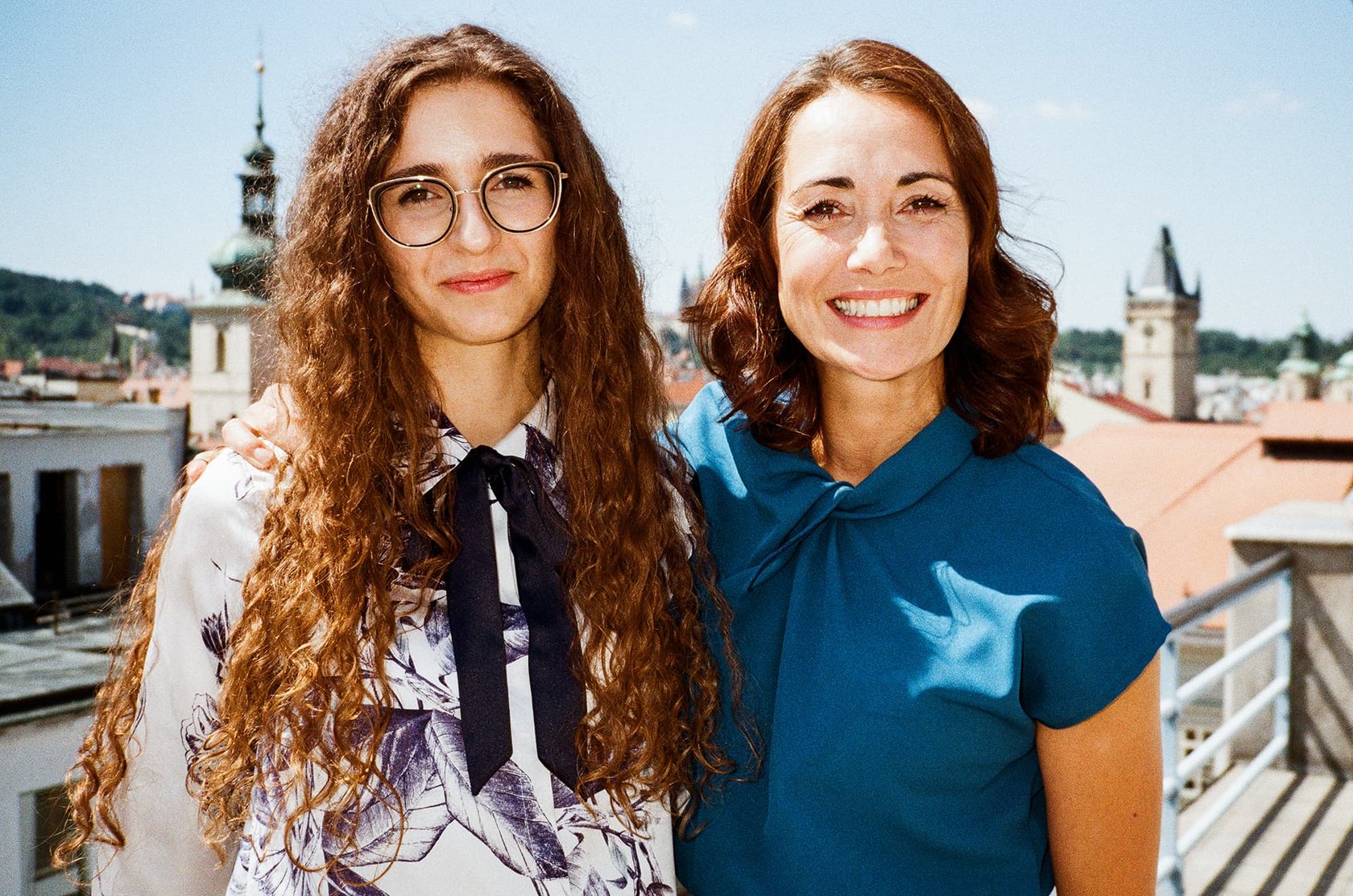
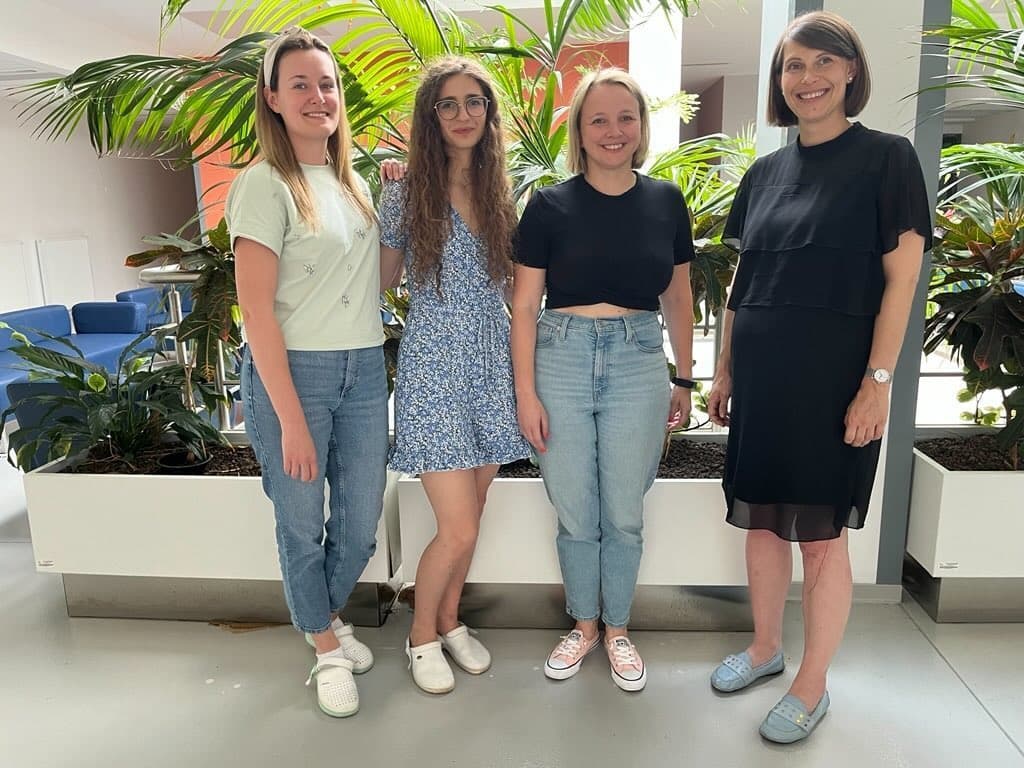
She comes from a small village in eastern Bohemia. As a little girl she was already experimenting with vinegar and baking soda as she tried to make a small rocket fly. Curiosity and enthusiasm for science did not leave her at secondary school either, nor did her ambition to conquer the world of science. Meet Terezie Štěpánková, a 19-year-old student whose scientific dream we fulfilled by arranging an eight-week internship for her in the research group of our laureate and expert in tumour biology Kateřina Rohlenová.
What did you work on during the internship in Kateřina Rohlenová's research group?
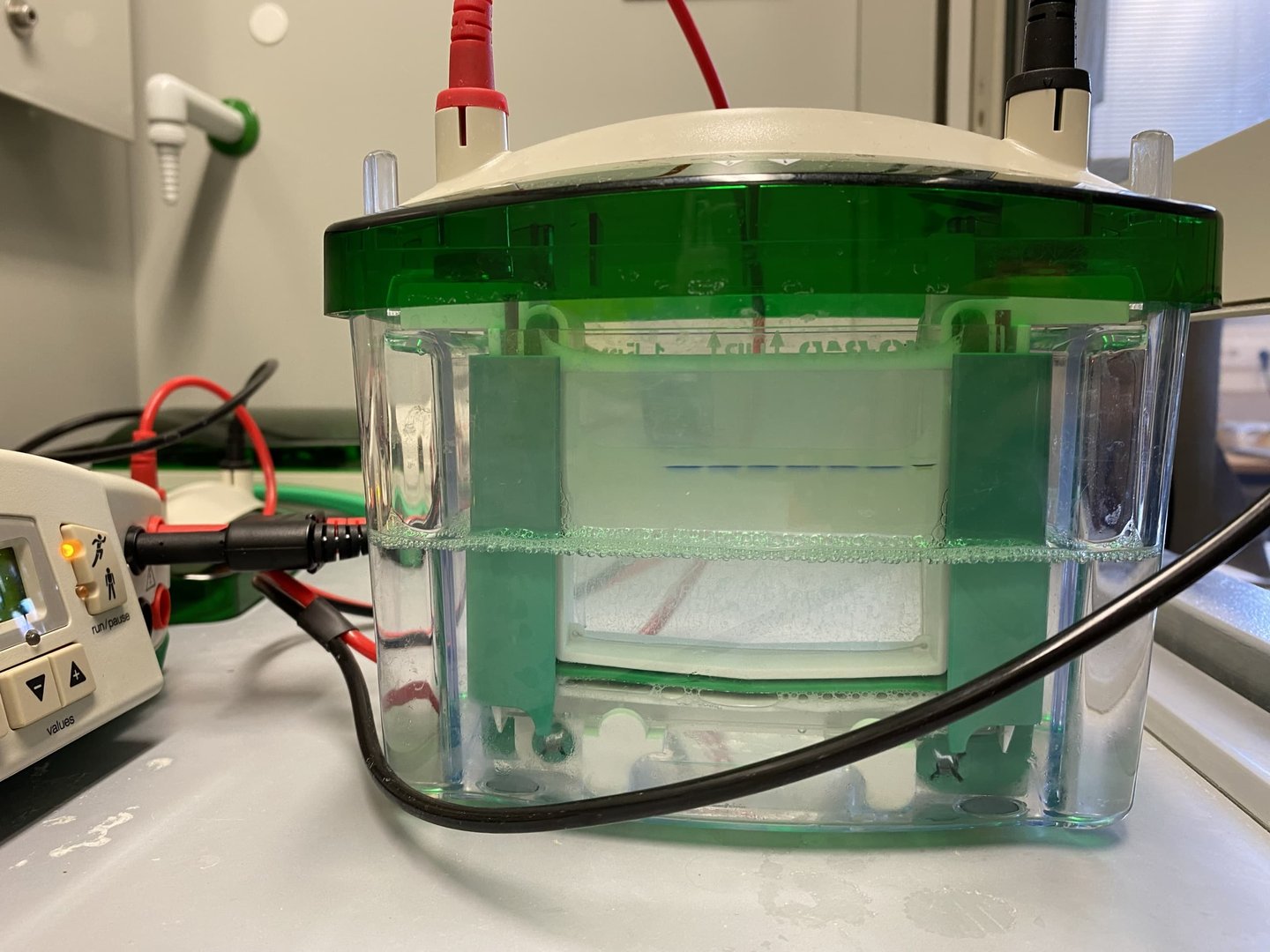
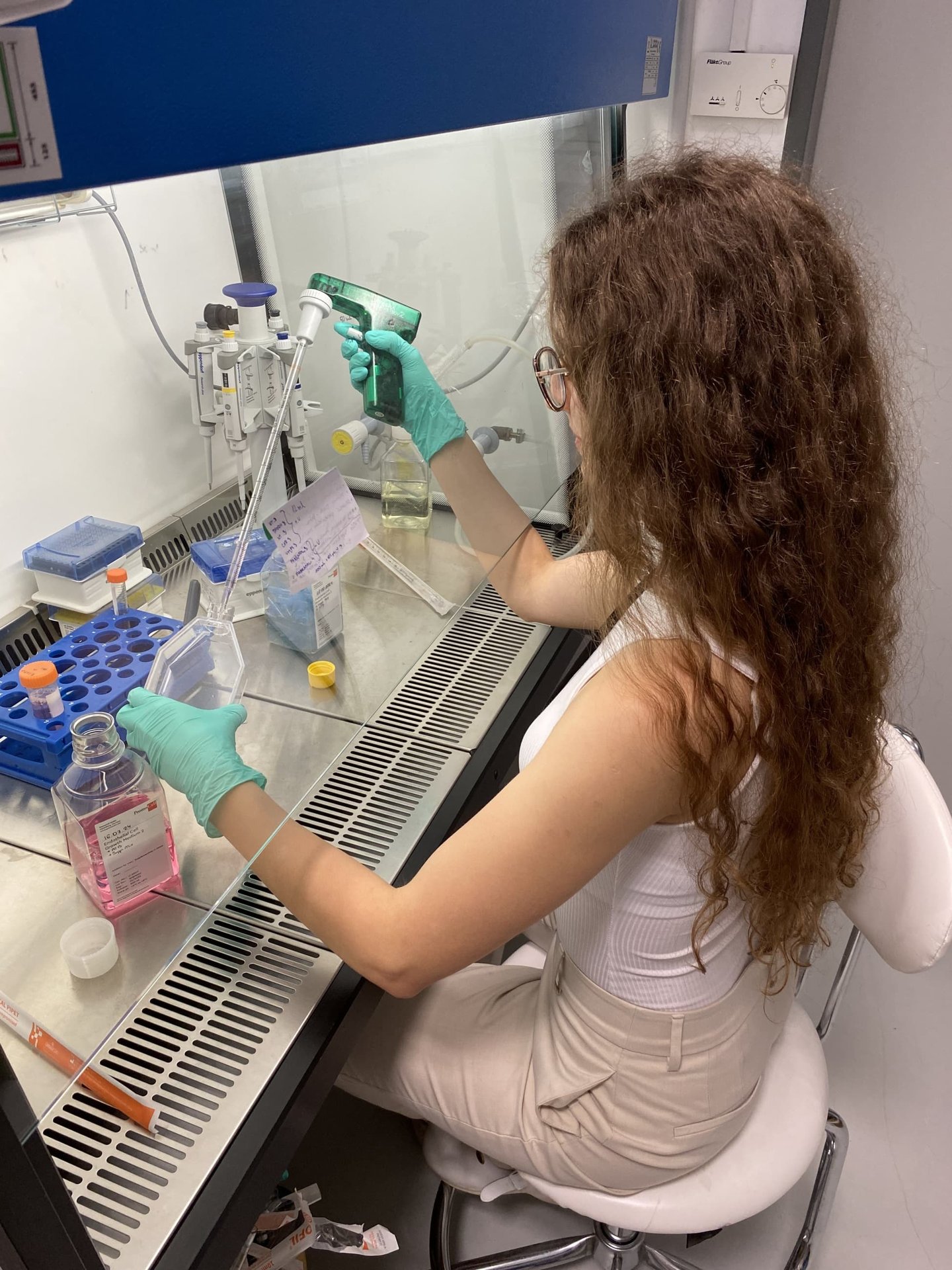
Kateřina Rohlenová's group works on the metabolism of healthy tissue and of tumours. Specifically, we addressed the question of how antimetabolite treatment affects non-malignant cells. And now let me explain a little why that is interesting and important! Antimetabolite treatment is widely used to treat tumours and the aim of this treatment is to prevent cells from dividing further and the tumour from growing further. But this treatment does not act only on tumour cells, it acts on all the cells in the body. I specifically worked with endothelial cells, which form the lining of blood vessels, and I observed what impact a particular treatment has on their formation and organisation. Because they are very important for the tumour — the tumour uses them to secure its supply of nutrients and oxygen.
The results of this research could clarify the mechanisms by which resistance arises during the treatment of tumours and at the same time could provide new suggestions about what to target in treatment and how to develop more effective therapy.
What does Kateřina Rohlenová mean to you?
She is a hero of sorts to me. She is wonderful and I really admire how far she has got. She had time to talk to me about how the internship was going. She consulted with me about my time in her group as it went along, even though she is really busy.
How did the internship affect you? Did it inspire you in any way for your onward path?
The internship certainly gave me a big dose of enthusiasm and motivation. Thanks to it I found out how scientists actually get to the bottom of difficult questions. I witnessed how hypotheses become answers by means of laboratory methods. And the most valuable thing was that I could try it out for myself in practice.
"A love of science can bring, for instance, a greater ability to think critically."
— — Terezie Štěpánková —
When was your love of science born?
Perhaps my very first experimenting at primary school is worth mentioning, when I tried vinegar and baking soda in every possible way. I remember a little rocket that did not fly more than five centimetres off the ground, but even so I was hugely excited about it. Of course the path was longer than that. It would never have occurred to me that this could be my dream profession.
My active interest began in my first year at secondary school, where I looked into what opportunities we as secondary school students have to get to science. First I wanted to find out whether it really was what I would want to do. From the age of 16 I commuted to a laboratory in Olomouc, and a year later I started going to the laboratories at the company Contipro.
And did school help you on this path too?
I was probably a bit more active; I looked a lot of it up myself as well. But the school supported me and allowed me to be absent from lessons once a week, which not every school would allow.
Why do you think it is important to develop a love of science?
I think a love of science can bring, for instance, a greater ability to think critically. And that is a very widely discussed subject at the moment. I think it is a skill that is important not only for scientists in laboratories but for everyone in ordinary life too.
How did your path meet the Neuron Foundation?
I encountered the Neuron Foundation in the autumn of 2023. I presented my project on nanofibres at the Junior Scientific Conference. And Neuron apparently liked it, and that brought me to this internship.
Why do you think the Neuron Foundation is important for young scientists?
For me it is a lovely group of people who believe in science. They believe science is the right engine for society and therefore they take care of its development. For me personally it is a great motivation for the future.