Pluskal has opened a database to the world that could speed up the search for drugs
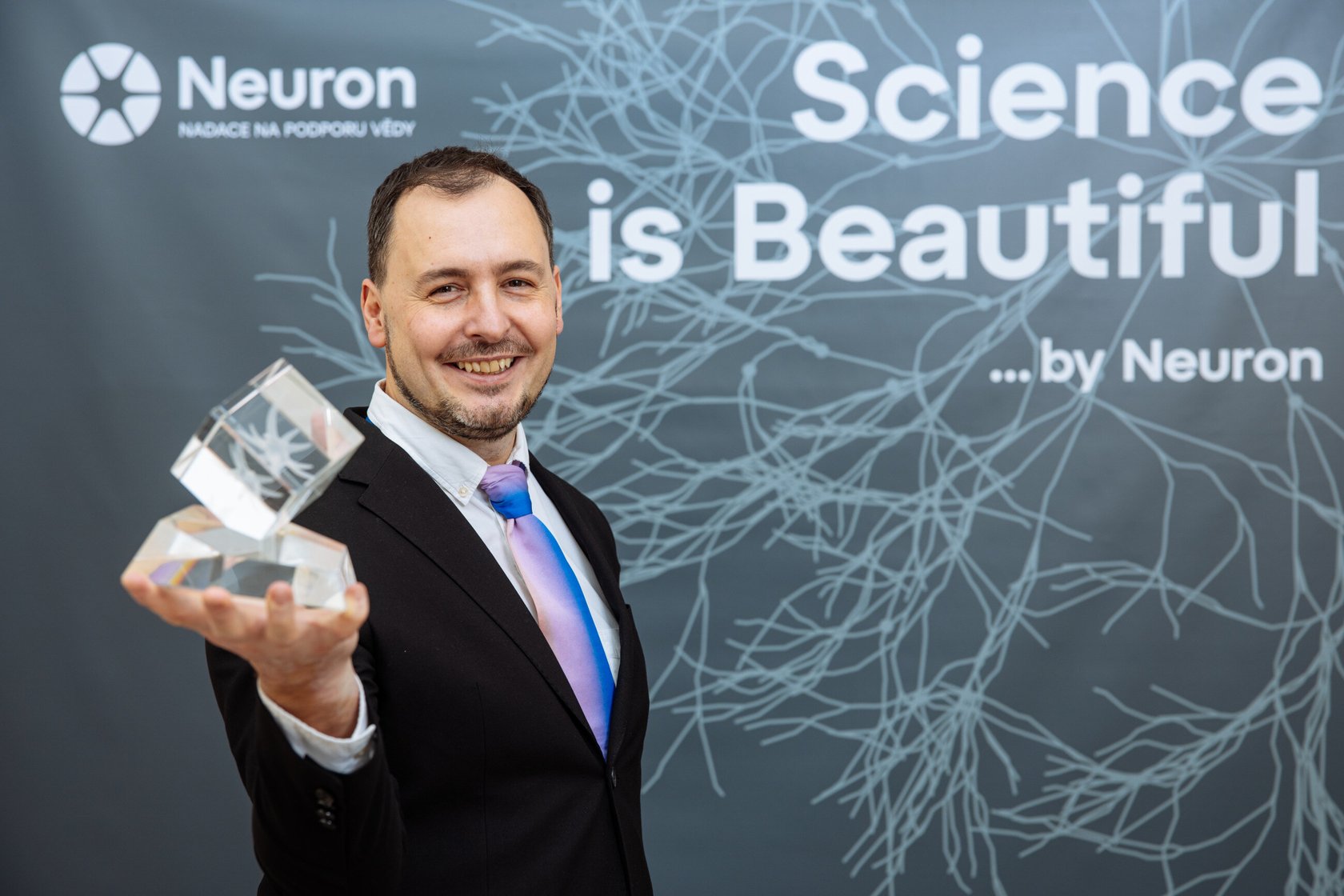
A team of Czech scientists led by the Neuron Award laureate Tomáš Pluskal has developed the largest database of its kind in the world, which could fundamentally speed up the development of new drugs. They have made their groundbreaking achievement, reported by the prestigious journal Nature Methods, freely available to the entire scientific community.
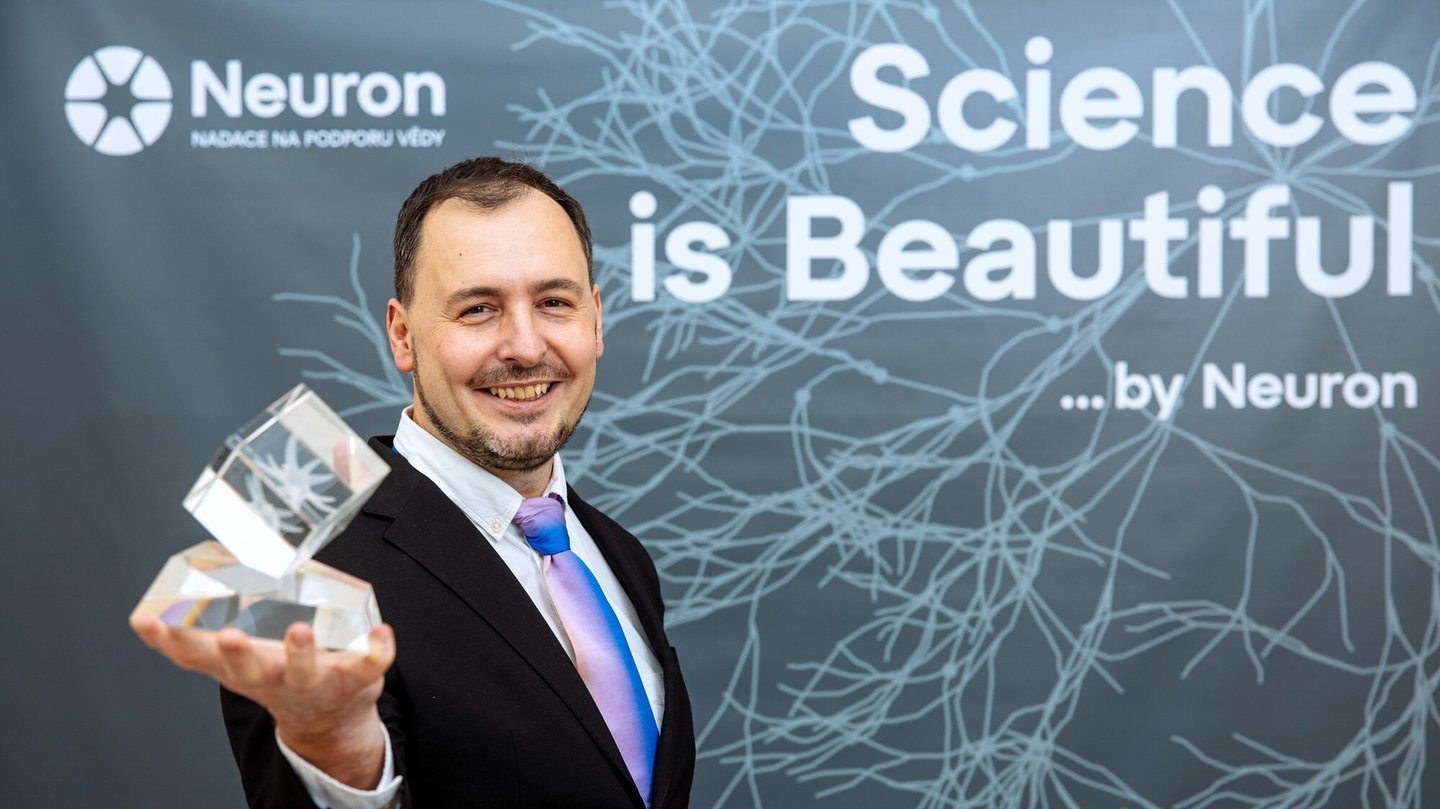
Scientists from the Institute of Organic Chemistry and Biochemistry of the Czech Academy of Sciences have achieved something nobody has managed in the past twenty years. They have created and made freely available an enormous database of spectra of hitherto unknown substances, which functions as a universal "library of fingerprints" for molecules. Thanks to it, laboratories all over the world can identify chemical substances faster and more precisely — from metabolites in the human body to compounds in plants, which is key to medicine, pharmacy and environmental research.
Fingerprints for molecules
The composition of chemical substances is revealed by mass spectrometry. The instrument "breaks" an unknown substance into smaller pieces and, from these fragments, infers what the original molecule looked like. That produces a spectrum — a unique fingerprint for each substance. It is compared with known spectra in libraries. The problem was that these libraries were small and incomplete.
Tomáš Pluskal's team changed that. Instead of the laborious process of analysing each substance separately, they can measure ten substances at once and the whole process takes only a minute and a half. Using a pipetting robot and multi-stage "breaking" of molecules, they obtain a far more detailed picture of their internal structure. Thanks to that they collect spectra for roughly 3,000 substances a day.
The enormous quantity of data also serves as fuel for artificial intelligence. The scientists "feed" it to machine learning models, which thereby learn to estimate the structure of entirely unknown molecules with far greater accuracy. The whole project is moreover supported by the open source software MZmine, whose development is also driven by Pluskal's team, which makes it easy for scientists around the world to use the data.
Read the full article at e15