Neuron Science Night 2025: From the laboratory to the market
29 September 2025
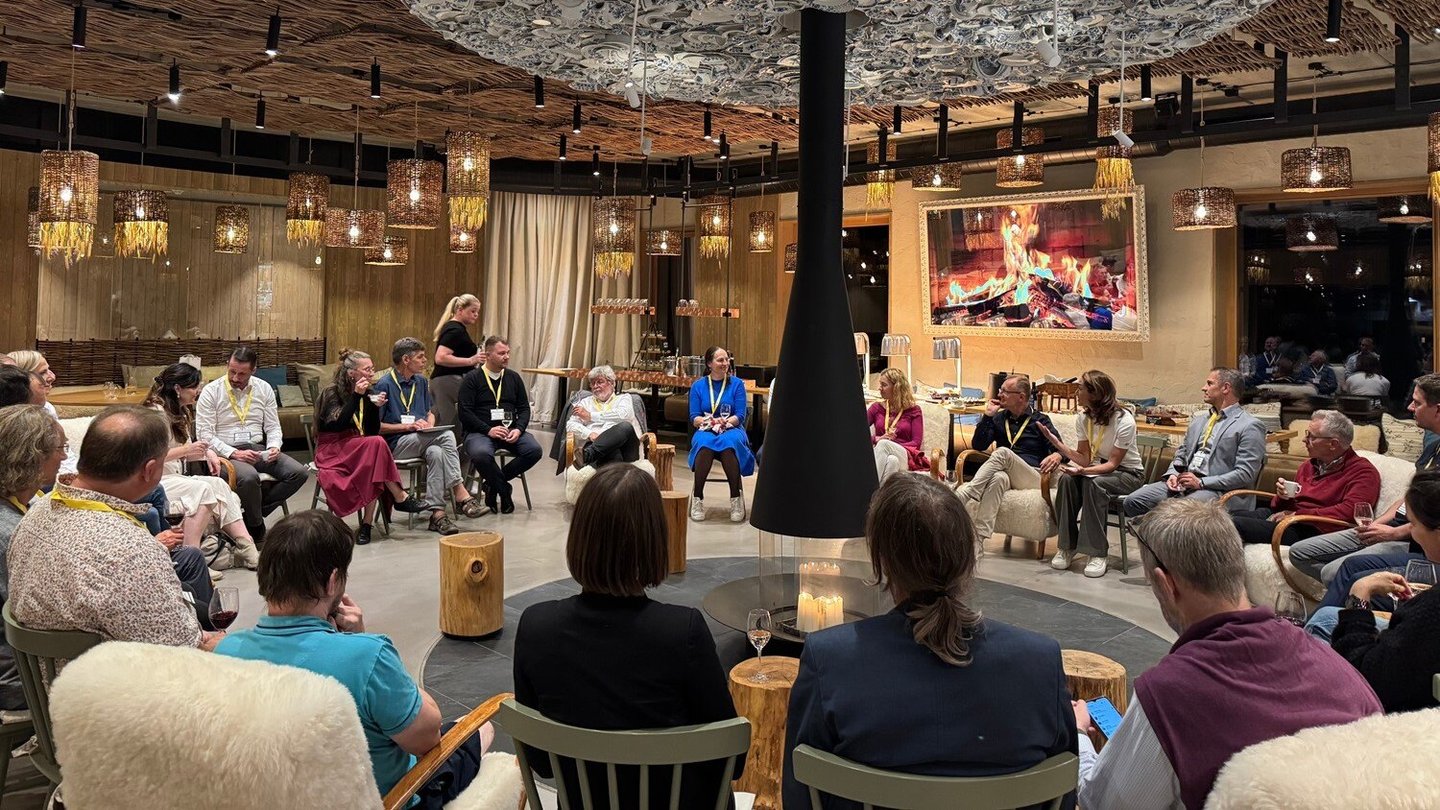
How do you turn a top-class scientific discovery into a globally successful product? And what obstacles do Czech scientists run into when they decide to enter the world of business? These were exactly the themes that resonated during the unique "sleepover" event Neuron Science Night 2025, which brought together the world of top-class science and business in the beautiful surroundings of the Oblík Resort.
"Neuron Science Night 2025 confirmed once again that the path from discovery to monetisation is possible, but that it requires courage, perseverance and above all dialogue. I am glad that the Neuron Foundation is a key builder of bridges between the worlds of science and business. The informal, intensive atmosphere of the meeting was proof that creating a platform where new partnerships and ideas can be born is absolutely essential to the future of the innovative Czech science scene," says Monika Vondráková, co-founder and director of the Neuron Foundation.
And how did the event go?
An evening full of inspiration and open debate was opened by three case studies from scientists who have taken the demanding path of monetising their research.
Stories that are writing the future
- Martina Benešová-Schäfer, nuclear chemist and Neuron Award laureate, described the phenomenal success of the prostate cancer drug Pluvicto, which has become a global "blockbuster". At the same time she warned that success brings new challenges: extreme competitive pressure, institutional obstacles and growing bureaucracy.
- Petra Szeszula presented her Swedish start-up developing "mini-brains" for drug testing. Her story showed how essential a supportive state ecosystem is, one that provides venture capital at an early stage in the knowledge that only a fraction of projects can succeed.
- Tomáš Pluskal of the IOCB, also a Neuron Award laureate, described the transformation of the academic software MZmine into a commercial product. His path pointed to a "gap in the market" in investment — while venture capital funds look for "unicorns" with billion-dollar potential, many superb projects with a smaller market fall through the net and have to look for alternative routes, such as angel investors.
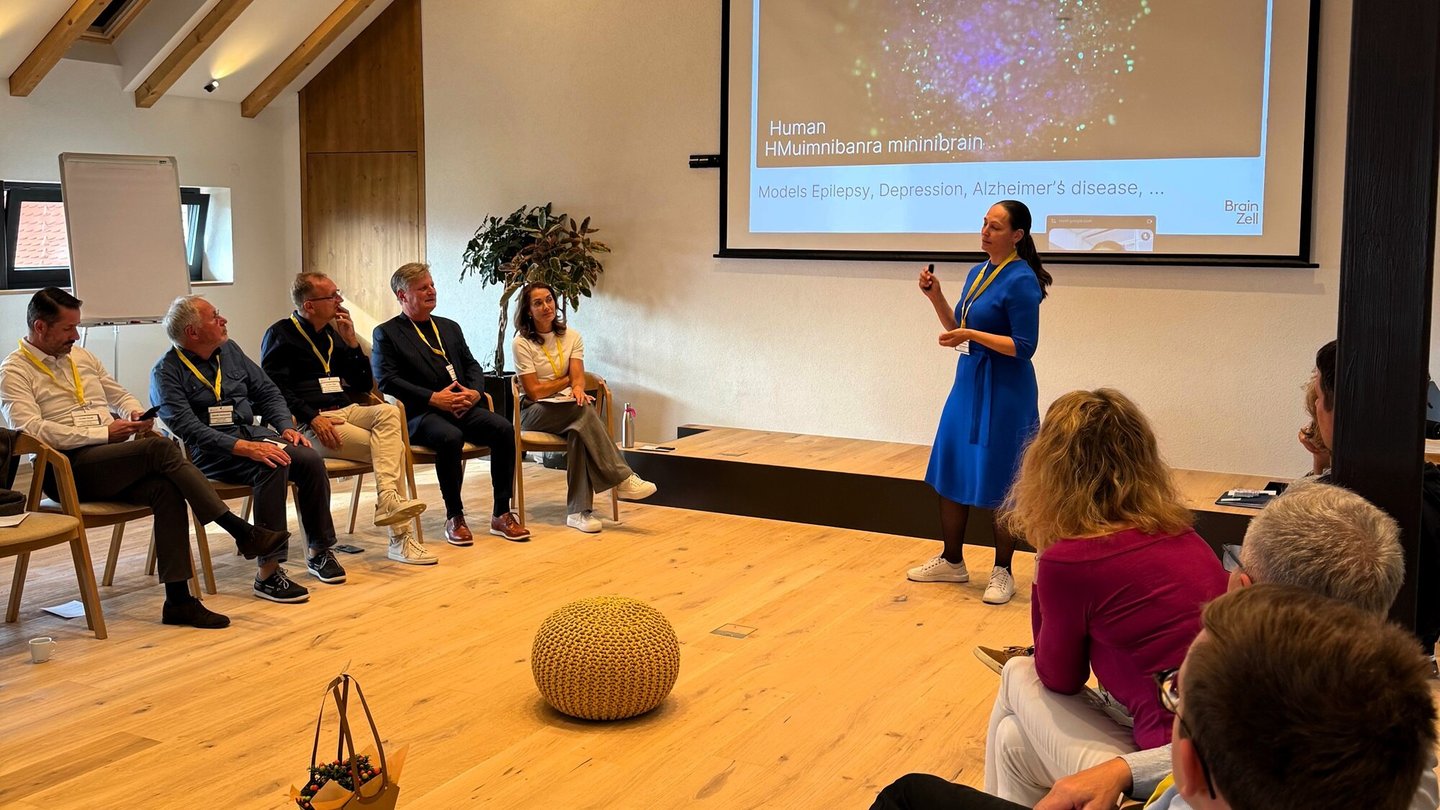
A clash of worlds: why do science and business so often fail to understand each other?
The discussions that followed confirmed that a marked gulf still exists between academia and the world of business. It is not just a matter of different language but of fundamentally different thinking.
The cultural barrier: On one side stands the academic world, whose main motivation is curiosity. A certain "contempt for money" still prevails there. On the other stands business, whose mantra is execution.
Economic reality: The Neuron Foundation patron Jaroslav Řasa offered a key view of financial reality. After costs are deducted from revenue, a company is left with a profit of around 10% — a kind of "tithe". It follows that the value of the scientific idea itself, expressed in licence fees, may amount to only low single-digit percentages. This is not an attempt to "fleece" scientists but an economic necessity for a sustainable business.
Systemic obstacles: The transfer pioneer Martin Fusek drew attention to the "insane fragmentation" of the Czech system — from the large number of grant agencies to the universities. By contrast he cited functioning cooperation in Brno. One of the most pressing problems is the absence of a physical biotechnology incubator in Prague, which would give start-ups key infrastructure.
New connections, new energy
And how did the participants themselves see the event? The response was exceptionally positive and confirmed that the greatest benefit was the connection itself. The unique mix of leading figures and the informal atmosphere led to concrete results — one example is the meeting of the scientists Martina Benešová and Petra Szeszula, who saw each other for the first time at the event and immediately opened a discussion about a possible "trade in mini-brains". Many described the event as "an enormous privilege" with an energy that charges you up and motivates you.
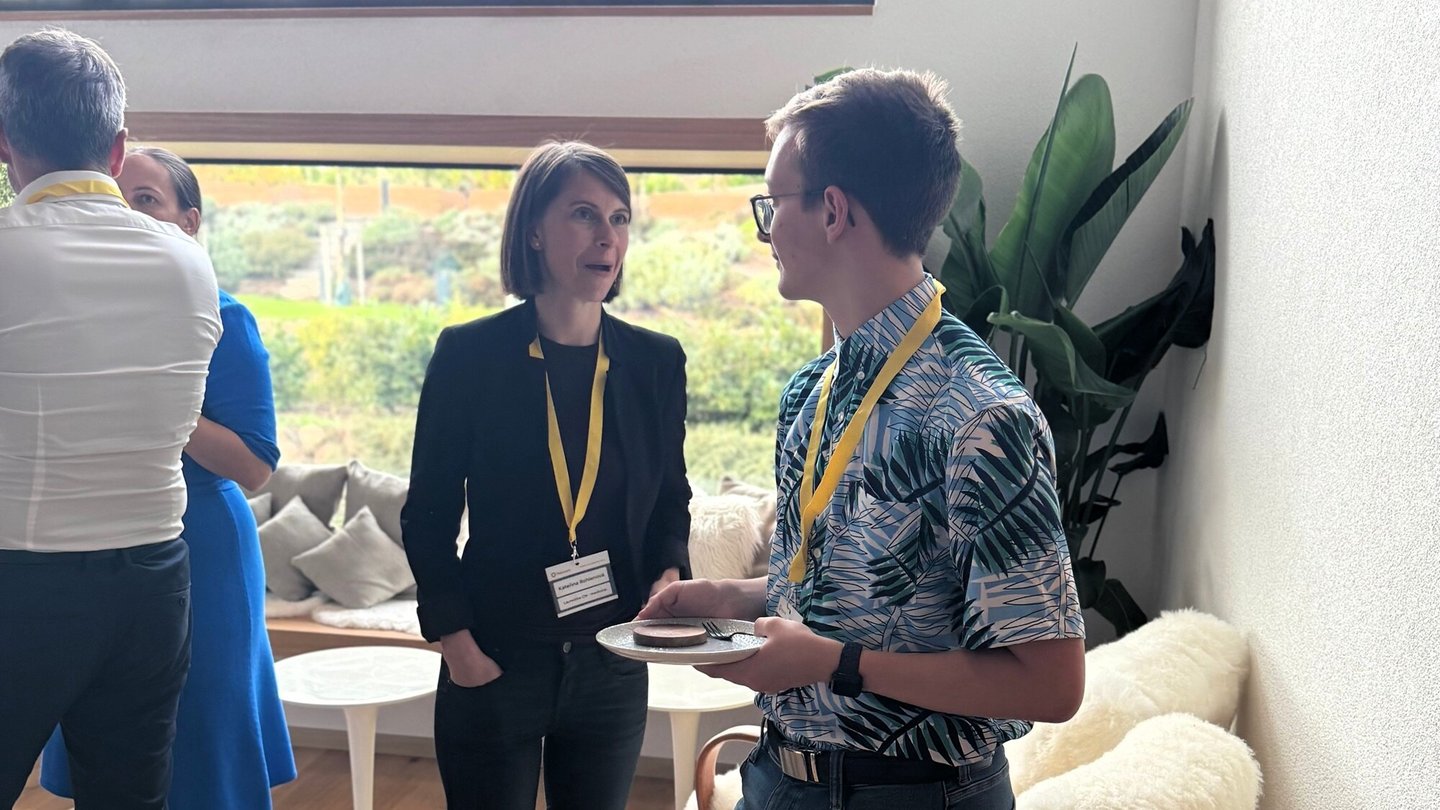
Hope in the new generation
Despite all the challenges, strong optimism prevailed at the event. It stems above all from the emerging generation of scientists and entrepreneurs who are returning from abroad with more open minds and without prejudices.
The youngest talents took part too. They were the Neuron Foundation ambassadors Soňa Kleiner and Václav Verner, who demonstrate enormous potential and personal determination.
Neuron Science Night 2025 confirmed that the path from discovery to monetisation is possible, but that it requires courage, perseverance and above all dialogue. The Neuron Foundation is a key builder of bridges between the worlds of science and business. The informal, intensive atmosphere of the meeting was proof that creating a platform where new partnerships and ideas can be born is absolutely essential to the future of the innovative Czech science scene.