When science turns into adventure
Science has many faces. Sometimes it takes place in quiet laboratories, at other times under a blazing sun among ancient ruins. And this year, in the summer of 2025, it became a journey in both directions for the first time. The internship programme the Neuron Foundation runs in cooperation with the IOCB Tech Foundation has been going for several years. This year, though, students travelled both from the Czech Republic to Israel and from Israel to us for the first time.
The result? Four bold missions. Each different, each unique. From courtrooms through night vision to biblical hills. And each of them shows that science can be every bit as adventurous as travel. Judges' thinking under the microscope
In Jerusalem the Czech lawyer Tomáš Knap took his place on the benches. This time not as an advocate or a judge, though, but as a researcher. His task sounded almost like science fiction: to teach artificial intelligence to read between the lines of judgments and uncover the collective unconscious of judges.
Tomáš believes that even in independent decision-making there are invisible rules. They may be influenced by the offender's age or sex, or by a few "alpha judgments" the courts cannot do without. "Czech judges decide as they wish. The Israelis have guidelines, structured rules for decision-making. We have nothing of the sort," he explains.
Under the supervision of Professor Weinshall, a world authority on the empirical analysis of the judiciary, he is examining whether the Israeli system could be an inspiration here too.
Night vision against cataracts
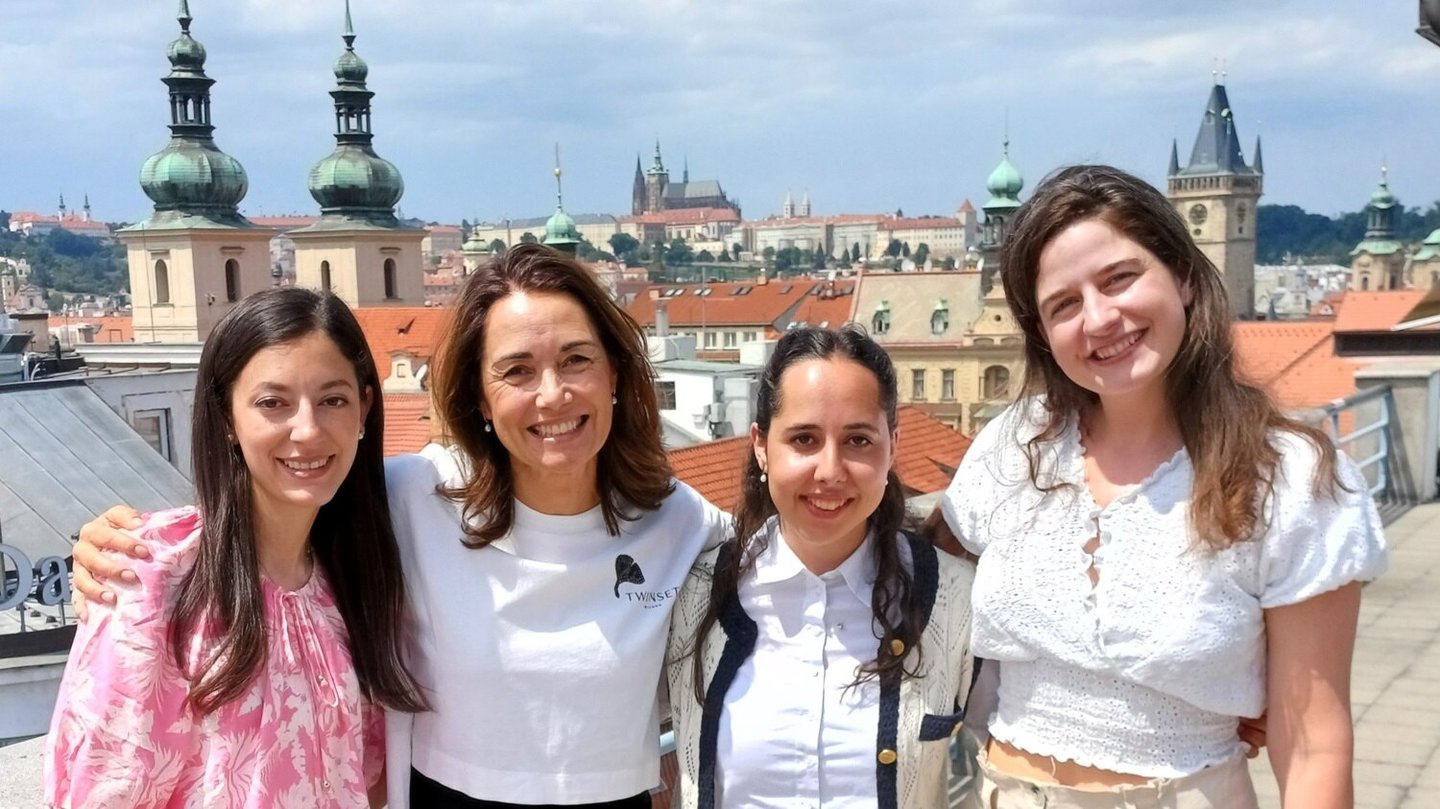
While Tomáš was analysing court judgments, a different kind of vision was being studied in Olomouc — the kind that determines safety on the roads after dark. The Israeli optometry students Deborah Kassabi and Rivka Bloom spent a month in the laboratories of Palacký University measuring how cataracts affect vision at dusk.
Thanks to their hard work the planned 25 measurements turned into 38 volunteers, and the results may therefore have a direct impact on how to help people drive safely even with impaired sight. "The laboratories were first-rate and communication with our Czech colleagues worked superbly," Deborah says.
The heart of innovation
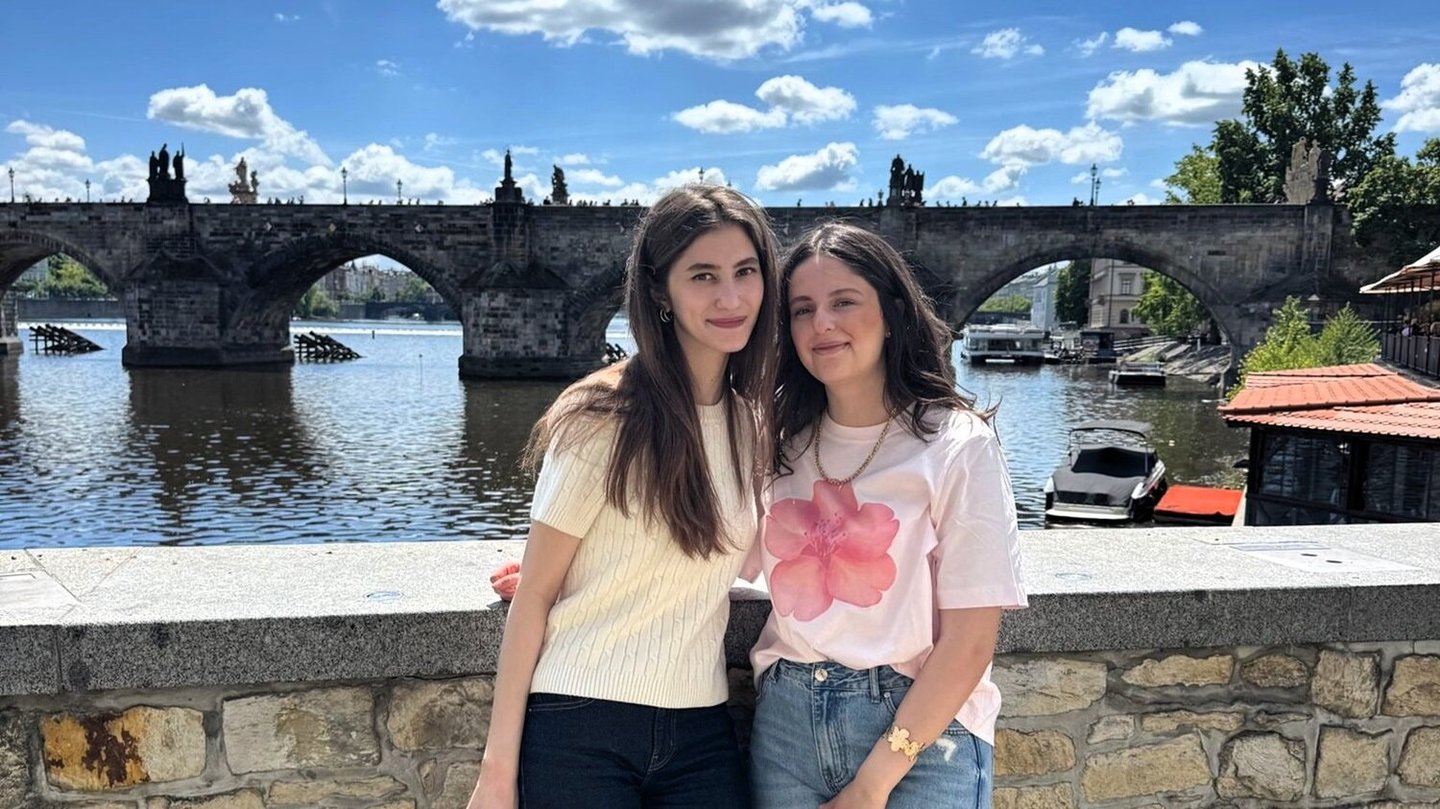
At the Czech Technical University in Prague, Nowar Nureldin and Yumna Jbr studied the Czech start-up ecosystem. They helped develop the EduMatch platform — an artificial intelligence that connects students with companies.
"Prague enchanted me! The ecosystem is dynamic, open and connects universities with business," says Nowar. Their recommendations showed where the Czech and Israeli approaches to innovation differ and where, on the contrary, they can inspire each other.
2,500 years back in time
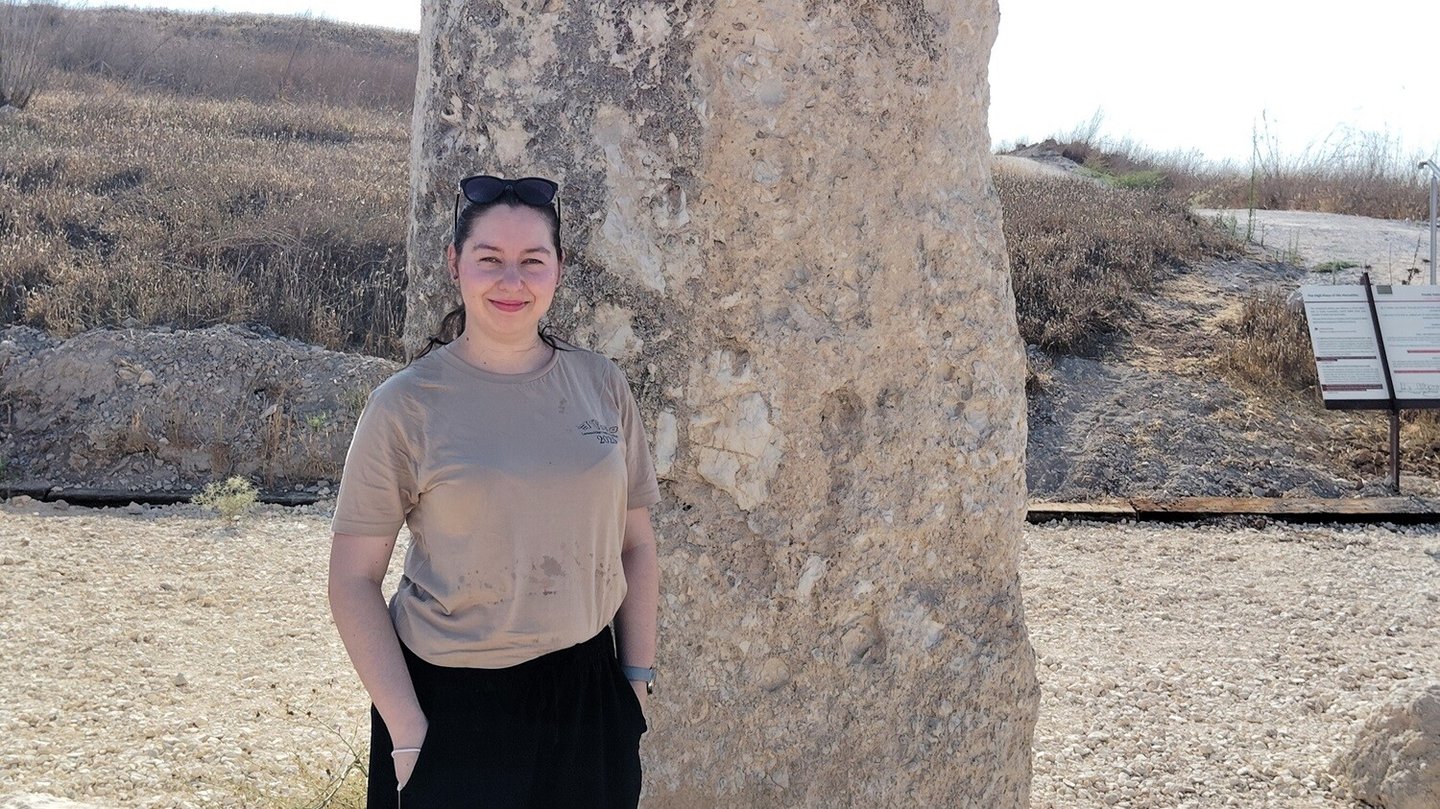
The Czech archaeologist Tereza Holasová went in the opposite direction. At the excavations at Tel Azekah and Tel Gezer her day began at 4:30, because digging started at five in the morning and continued until the heat of the sun made work impossible.
In trench T5 she discovered Iron Age agricultural features probably connected with the production of wine or olive oil. Work was followed by washing hundreds of pottery sherds and by specialist lectures in the evening. "Sunrise over Tel Azekah was magical. And then you are holding something that a human being last saw two and a half thousand years ago," Tereza says.
"It was a unique programme that opened up new possibilities for cooperation," one of the mentors sums up. These four stories have more in common than appears at first sight. They are proof that international scientific cooperation brings concrete results, innovation and inspiration.
The internship programme is run thanks to cooperation between the Neuron Foundation and the IOCB Tech Foundation, which we thank for its financial support and for opening new horizons for young scientists with us.