A summer in the sign of science
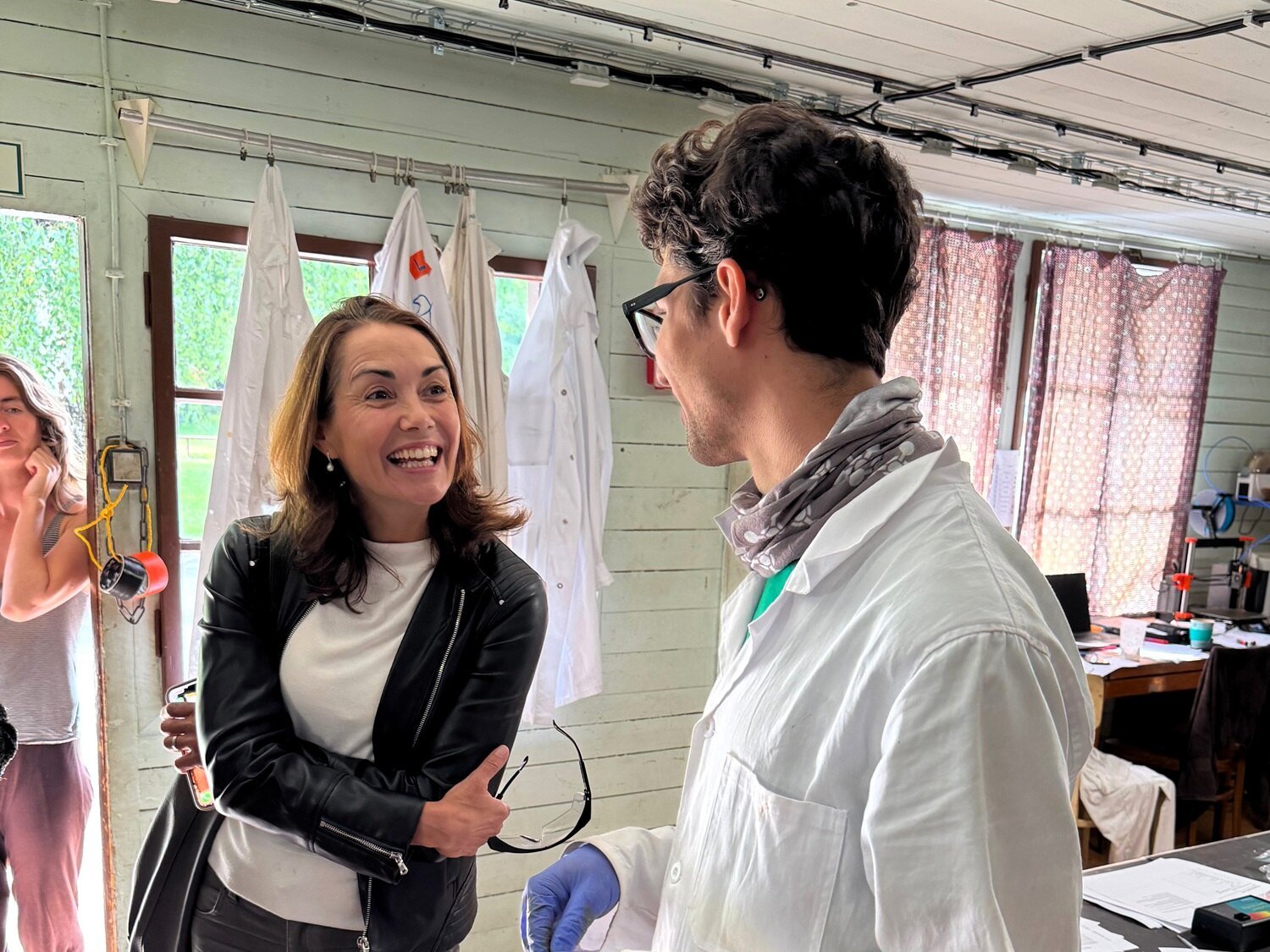
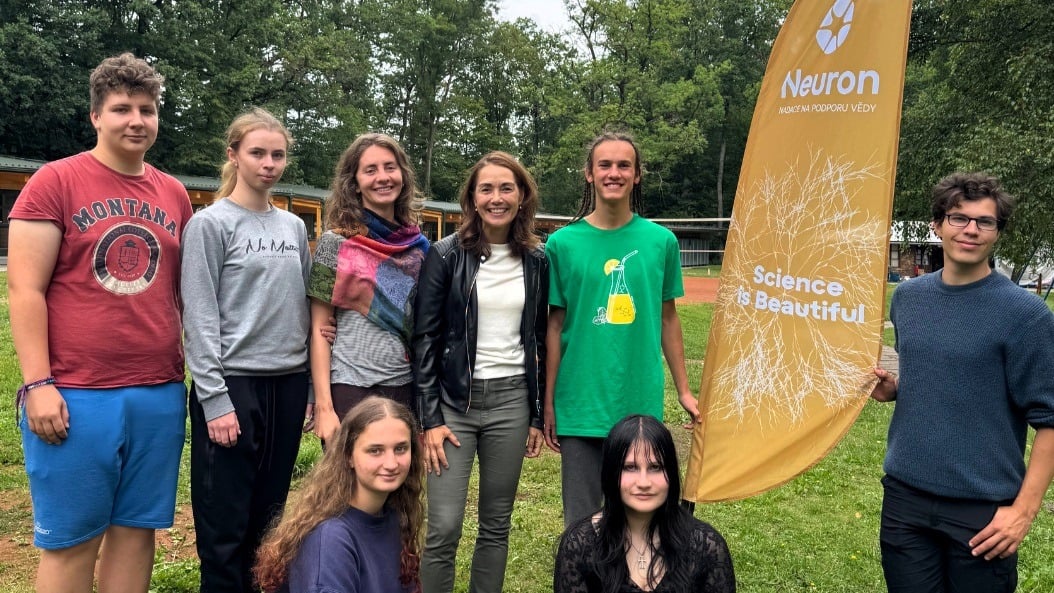
What comes to mind when you hear "summer camp"? A campfire, woods, singing with a guitar? Now imagine that instead of a guitar you are holding a pipette, studying physics experiments in a lab or solving a cipher in the forest. That is exactly what the summer holidays looked like at the camps supported by the Neuron Foundation. Because here science is not a school subject, it is an adventure! Science Camp: Cambridge, Czech style
Four Czech universities joined forces to create an ambitious science camp for secondary school students. "We took inspiration from the Cambridge approach," explains the organiser Tomáš Heger. "At Cambridge it is not unusual for a biologist to study physical processes in cells. We want to show that science is not about isolated fields but about connecting them."
Sixty students spent a week in laboratories discovering how chemistry intertwines with biology and how the laws of physics govern the behaviour of molecules. Twenty-seven hours of science that breaks down the boundaries between disciplines.
"The future belongs to people who can think across fields," adds Monika Vondráková, director of the Neuron Foundation.
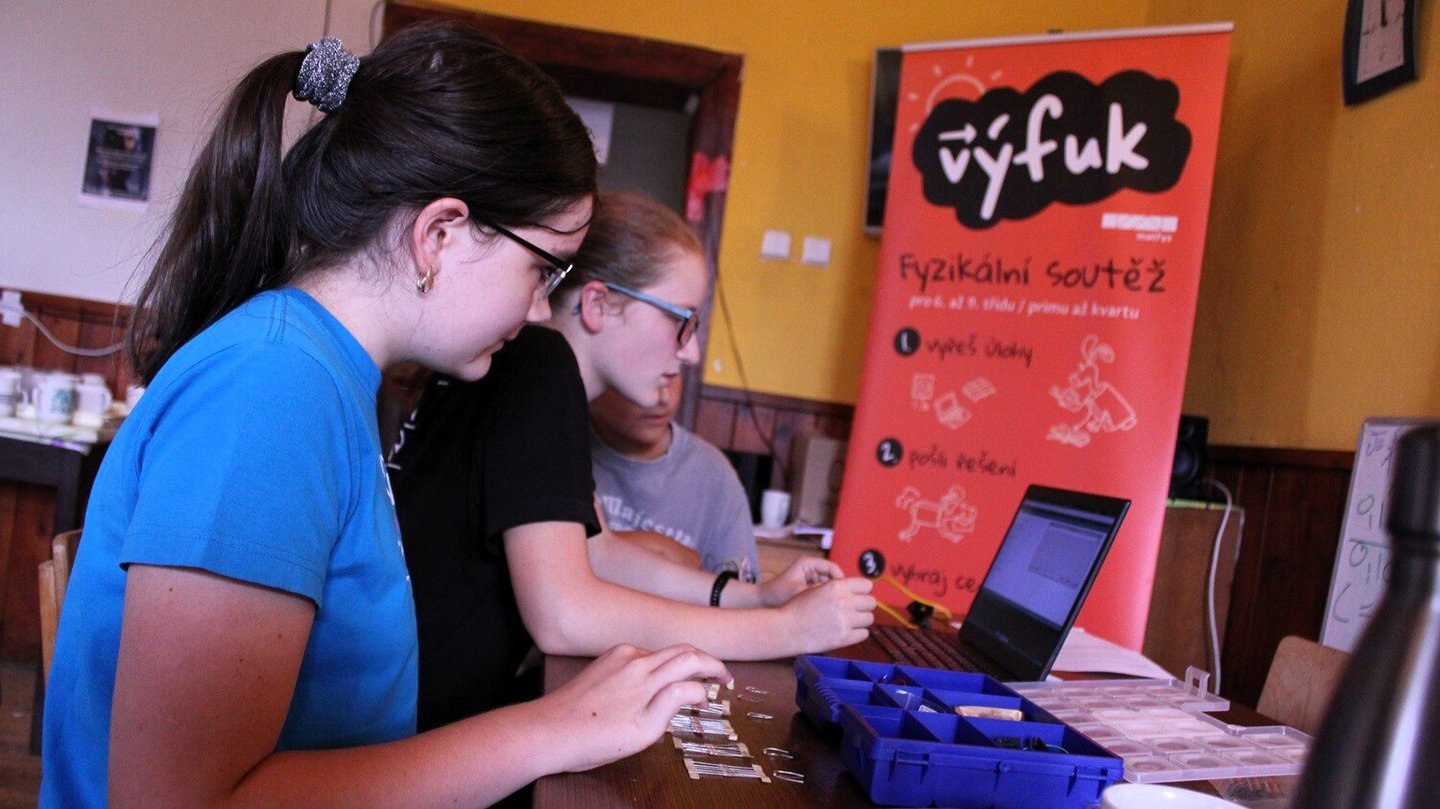
Výfuk: physics that makes sense
Twenty-nine young physics enthusiasts came together in the Lusatian Mountains. The youngest was six. "I enjoy the fact that it explains the things around us," says that same six-year-old, Jakub Brabec. Experiments? Organic batteries made from fruit, measuring the thickness of a hair with a laser, the vibration of a string. "What interested me most was the experiment on organic batteries, where we measured the voltage across various kinds of fruit," recalls Matěj Dudek, winner of the correspondence competition.
And when the question came whether they wanted to be scientists, the answers were amusing: "No, but I still have plenty of time to change my mind," says Matěj. Jakub, by contrast, is clear: "Yes, I would like to work in engineering."
Jáma lvová: mathematics as a game
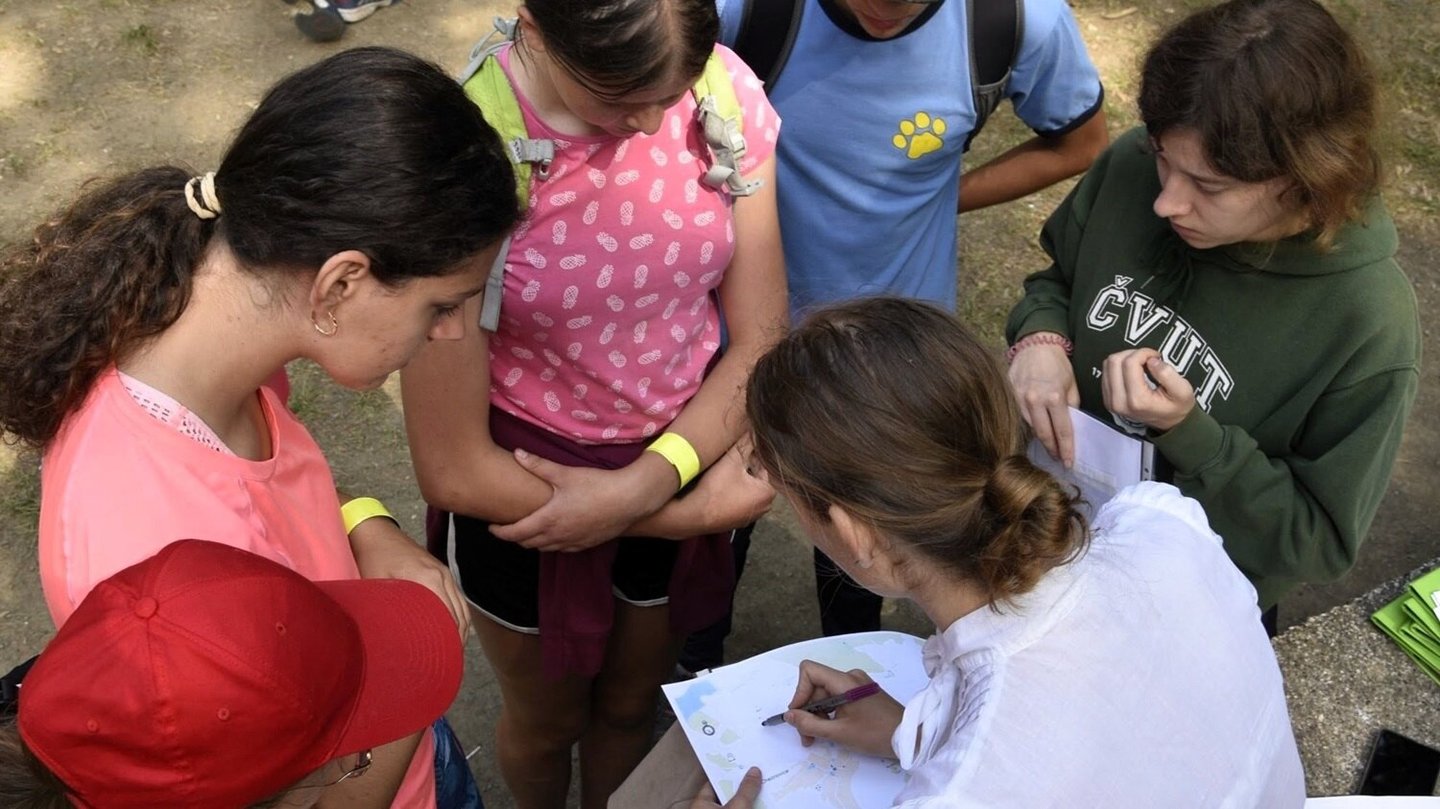
By Mácha's Lake, mathematics turned into adrenaline. No long lectures, but ciphers, water fights and a labyrinth like a video game "in real life". "The best camp you can go to!" one participant judges. And another adds: "A superb camp where you don't just sit and listen to lectures for five hours at a stretch. You solve tasks and have a lot of fun."
Asked who their scientific role model was, names such as Einstein and Tesla came up. And then one participant said: "Moses, because he split the sea in two." Science through children's eyes is simply something else!
Why does it work?
Because science here is not an obligation. It is a game that means something. As Kateřina from Výfuk says: "Why is the sky blue? You are bound to remember that one day!"
And that is exactly what the children at the camps do. They ask the right questions. That is why the Neuron Foundation supports projects like these. Because among those playing with experiments today there may be a future Nobel Prize laureate.