Neuron Club on the theme of "Psychedelics"
11 December 2025
Merry Christmas, or about the substances Santa does not usually bring
This time the Christmas Neuron Club plunged into a world long spoken of only in whispers — the world of psychedelics. Substances that once symbolised rebellion and prohibition, but that today are opening the door to new understanding of the mind and to treating mental illness.
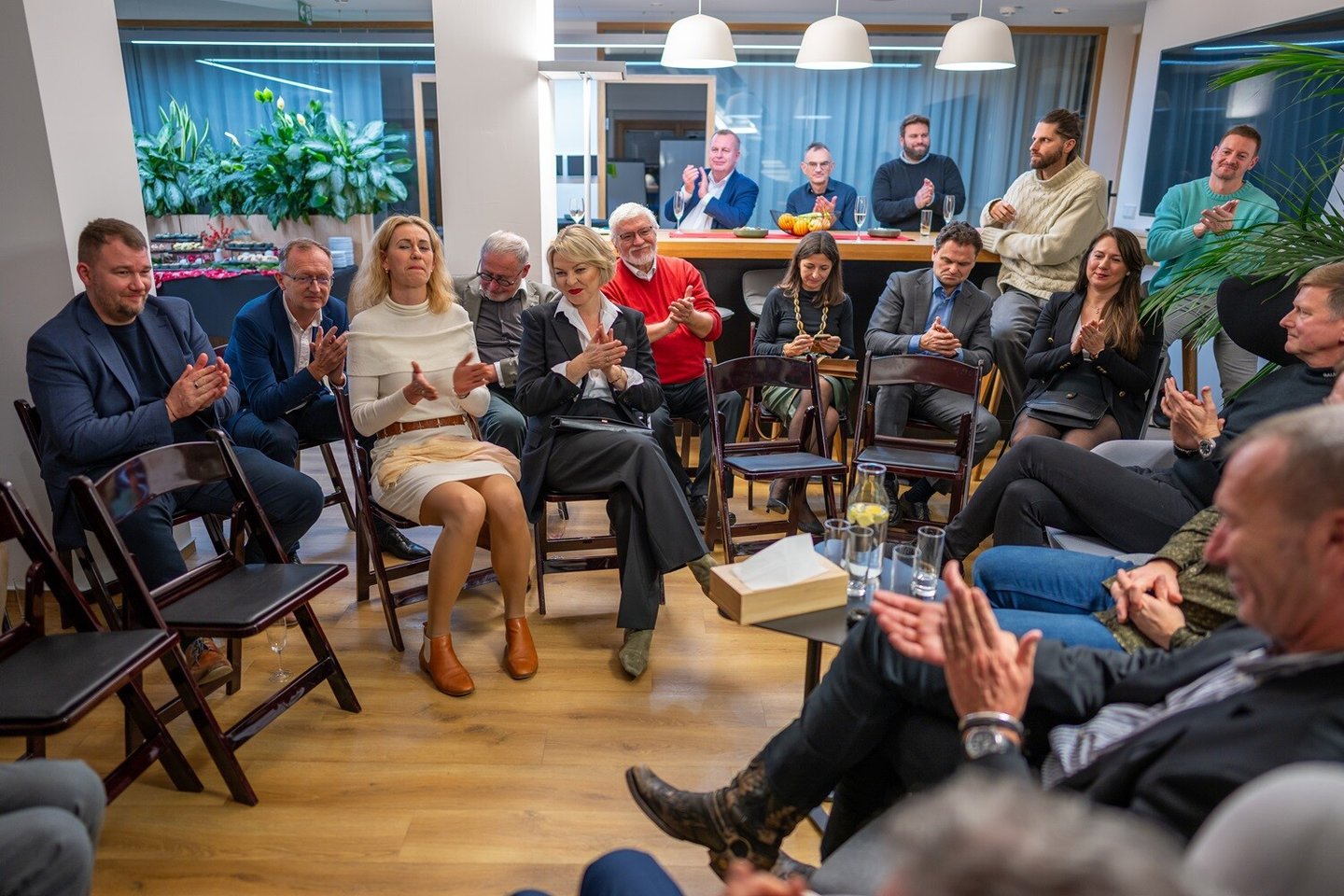
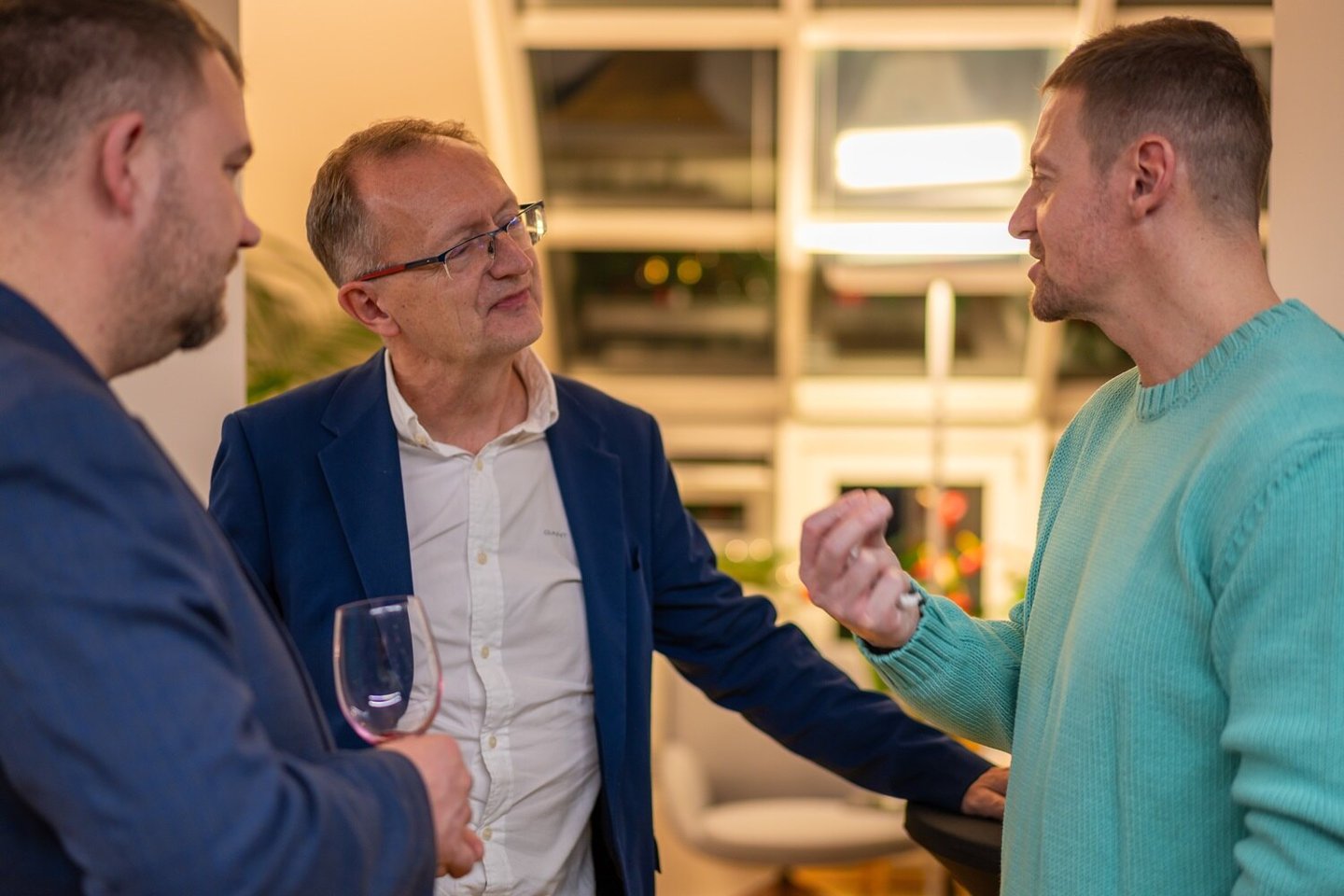
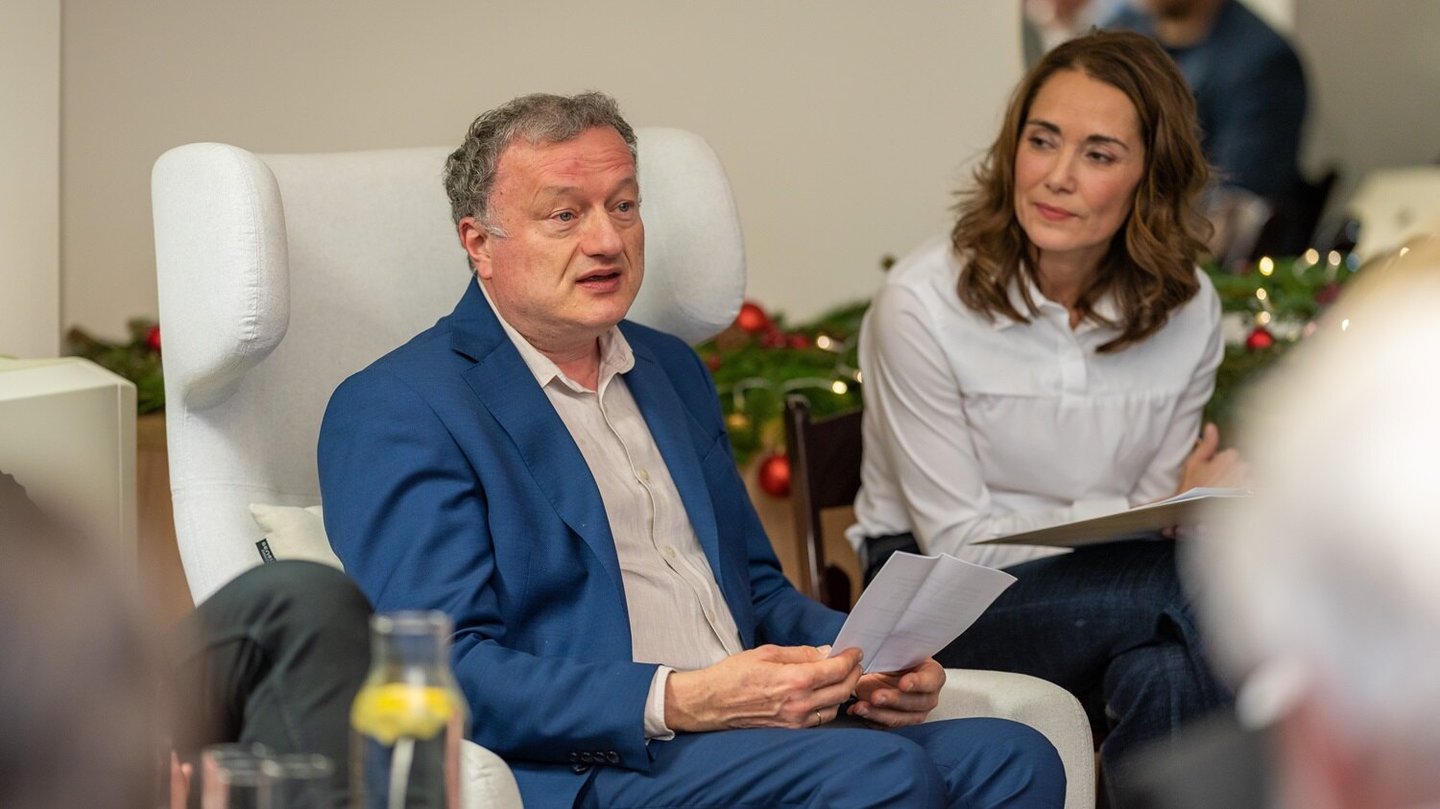
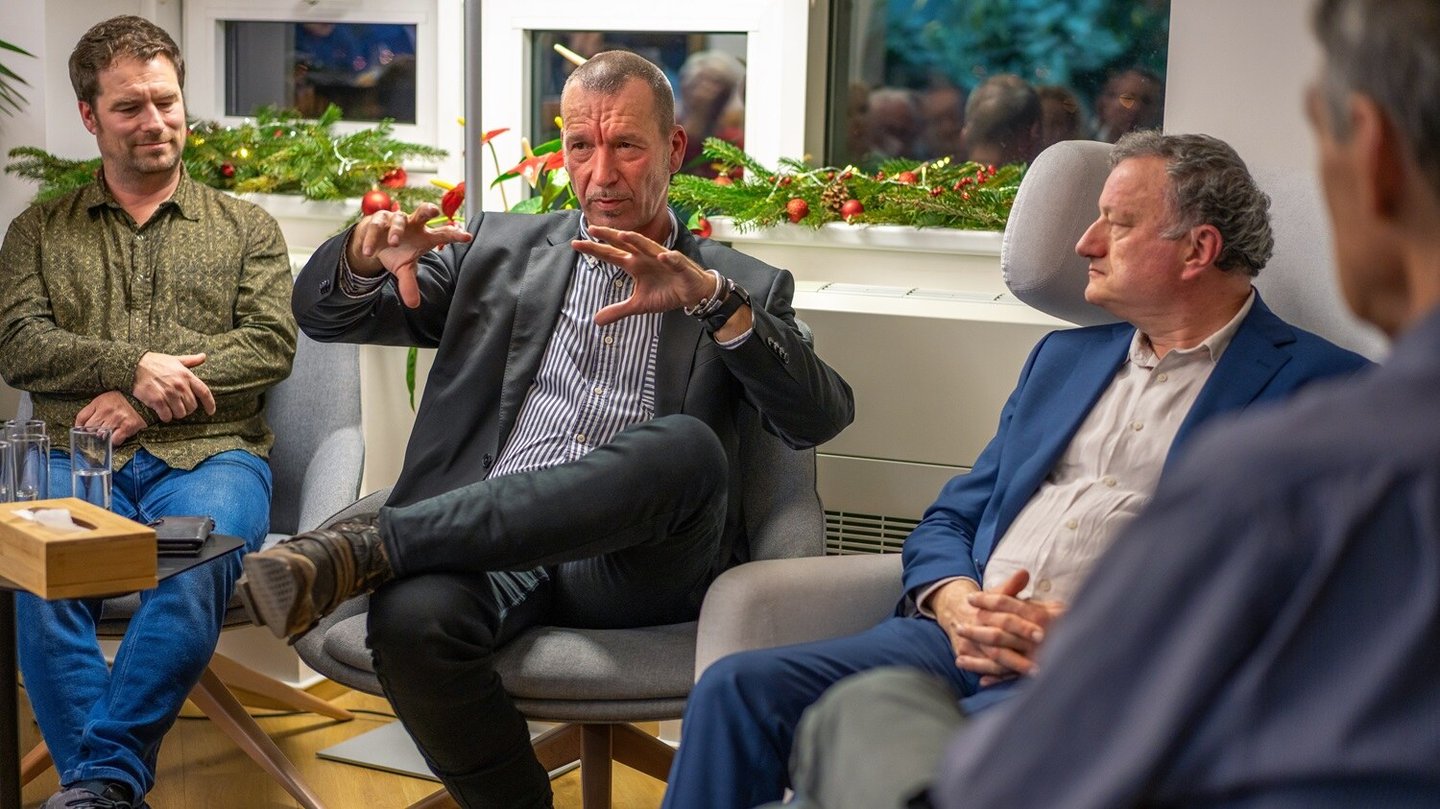
In the intimate atmosphere of the Neuron Foundation's Prague offices, scientists, patrons and friends gathered to enjoy an evening that brought together science, humanity and the courage to cross boundaries.
The evening was hosted by Monika Vondráková, director and co-founder of the Neuron Foundation. On stage she welcomed figures who connect the worlds of research, clinical practice and philanthropy: Prof. Jan Konvalinka, chemist and director of the IOCB; Prof. Jiří Horáček, psychiatrist and director of the National Institute of Mental Health; Assoc. Prof. Tomáš Páleníček, neuropharmacologist and member of the Neuron Expedition; and Václav Dejčmar, patron and co-founder of the Neuron Foundation and of the Psyres Foundation.

WHEN SCIENCE SHEDS ITS PREJUDICES
The discussion opened with a question that seems simple but conceals a fundamental distinction: what distinguishes a drug from a psychedelic?
While drugs stimulate the dopamine system and lead to addiction, psychedelics act above all on serotonin receptors and change the way the brain assembles its picture of reality.
"Psychedelics do not reward, they open. They make it possible to think the unthinkable," Prof. Jiří Horáček summed up. Unlike addictive substances they do not produce euphoria but bring insight — the ability to see oneself and the world from a new perspective.
FROM FOLK REMEDIES TO NEUROSCIENCE
The chemist Prof. Jan Konvalinka recalled that the road from natural substances to modern medicines is as old as humanity itself.
"Willow bark helped with fever long before we discovered salicylic acid in it," he noted. "But with the psyche it is different — there we lack a Petri dish that can think. And mice do not have dreams."
Psychedelics therefore stand on the boundary between exact science and subjective experience. Researching them requires not only data but an understanding of human consciousness.
HOW PSYCHEDELICS "RESET" THE BRAIN
Psychedelics act as a temporary reset of neural networks. For a short while they disrupt established patterns and allow the brain to create new connections. They increase neuroplasticity — the brain's ability to learn and change.
"The substance's effect lasts only a few hours, but the positive changes persist for weeks or months," Prof. Horáček explained. It is precisely this ability to open the mind even after years of depression or anxiety that makes psychedelics one of the greatest hopes of modern psychiatry.
WHEN A SUBSTANCE IS NOT AN ESCAPE BUT A TOOL
In a therapeutic context this is not an experiment but a deliberate process of change — so-called psychedelic-assisted therapy (PAT). The patient prepares, undergoes the experience under a therapist's supervision and then integrates it together with them into everyday life.
"Without integration the experience remains just a trip on a roller coaster," the scientists say. "With integration it becomes a path to recovery."
A LEGAL ROUTE AND A CZECH FIRST
The Czech Republic is among the pioneers of the modern approach to psychedelics.
From 1 January 2026 psychiatrists will be able to prescribe synthetic psilocybin to patients with treatment-resistant depression.
Behind this change stands the Psyres Foundation, founded by Václav Dejčmar. "Philanthropy here is not about fashion but about a change of paradigm — about how we understand mental health," Václav Dejčmar recalled.
What is psilocybin?
- the active component of "magic mushrooms";
- it has a rapid antidepressant effect and supports neuroplasticity;
- the effect lasts 4–6 hours, the benefit persists for months;
- legally available in a clinical framework from 2026.
FROM THE RAINFOREST TO THE LABORATORY
One of the evening's themes was also ayahuasca, the Amazonian brew containing DMT, which has been part of the rituals of indigenous cultures for thousands of years.
"It is a union of nature, the human being and consciousness," explained Assoc. Prof. Tomáš Páleníček.
Traditional ayahuasca ceremonies and modern research alike confirm that shared experiences can strengthen connection between people and help in coping with trauma or depression.
Ayahuasca
- a traditional Amazonian brew containing DMT and MAOI inhibitors;
- used in ritual and therapeutic contexts;
- supports connection, introspection and the treatment of trauma;
- modern research confirms its effectiveness in depression and addiction.
While ayahuasca and psilocybin open doors to knowledge, scientists see kratom as a warning — a substance that is legal but activates opioid receptors and can cause addiction.
THE CZECH TRACE AND ITS INTERNATIONAL REACH
The Czech Republic occupies an exceptional position in the field of psychedelics. It continues the legacy of Stanislav Grof, the legendary pioneer of LSD research, and at the same time has world-class institutions — the National Institute of Mental Health, Psyres, the IOCB.
Thanks to the combination of science, courage and philanthropy, our country can become a leader in researching substances that transform human consciousness and mental health.
IN CLOSING
Monika Vondráková closed the evening with words that captured its spirit: "Substances that were once a symbol of rebellion are becoming a path to understanding the soul."
Guests left with a gift — ceremonial cacao, a symbol of the connection between nature, mind and energy. And with the feeling that Czech science has the courage to open up subjects that were once not spoken of.