The Neuron Expedition 2025 is halfway through
21 November 2025
More than two weeks in tropical terrain, thousands of kilometres from home, with secateurs for cutting twigs in hand. That is what the Neuron Expedition 2025 currently looks like. How is the search for the social life of digger wasps going, and what has the team been through so far?
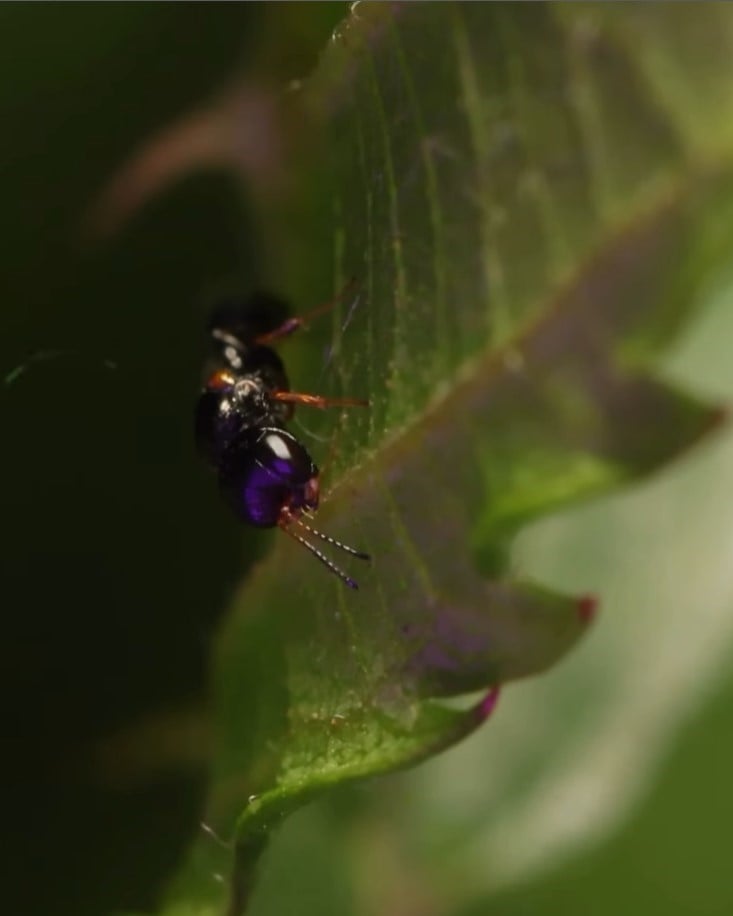
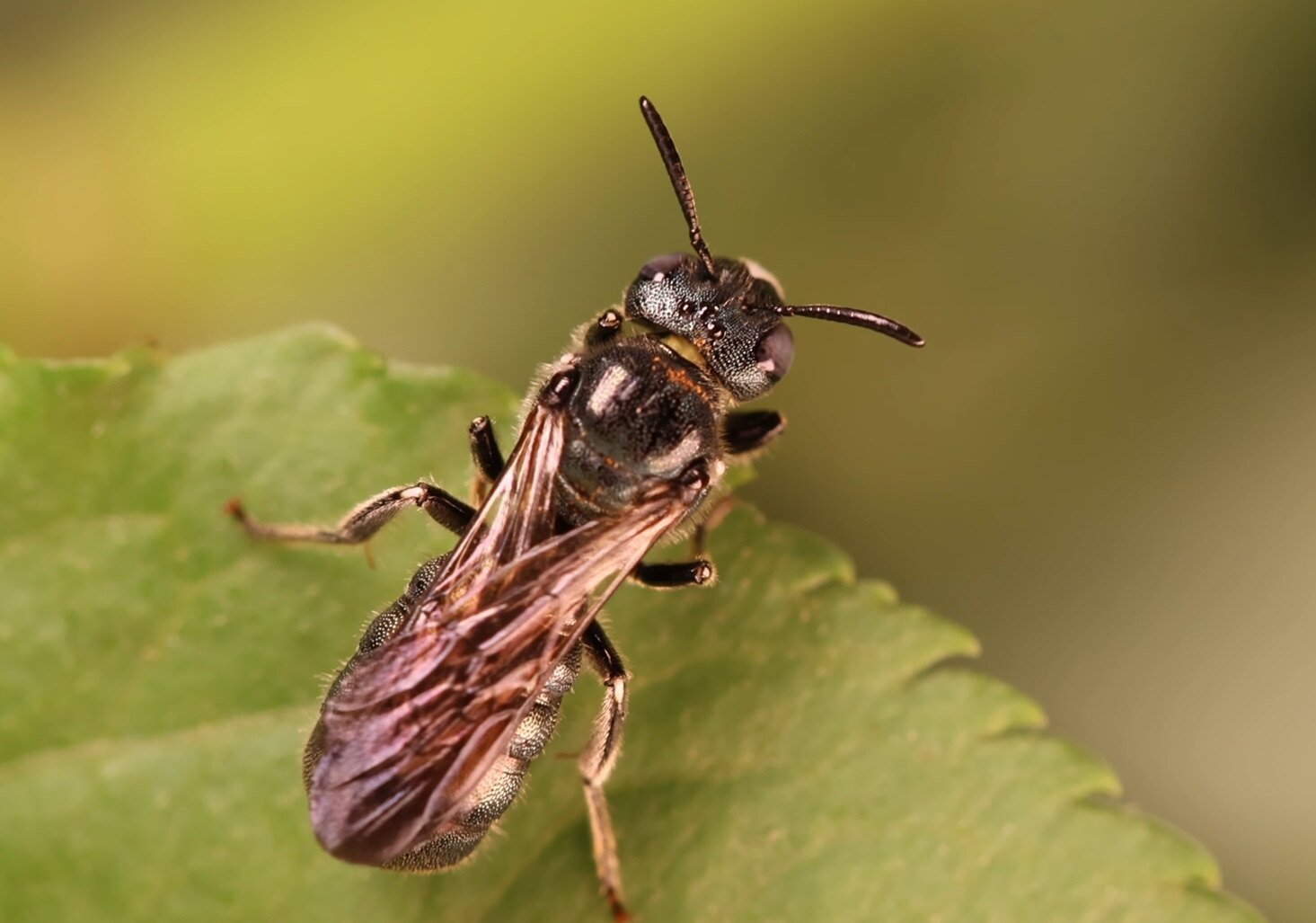
The expedition, whose aim is to shed light on the evolutionary mysteries of social behaviour in insects — in digger wasps — has passed into its second half. The research team has more than a fortnight of intensive work and travel behind it.
Stop: La Ruta del Yalú
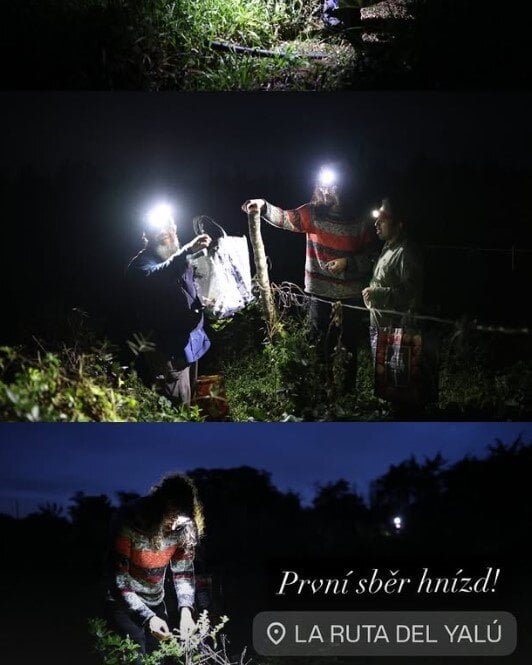
The journey of discovery began in the area of La Ruta del Yalú. It was here that the team started the key phase of the research — collecting nests. But it is not only a matter of finding samples and storing them. Michael Mikát and his colleagues subjected the nests they found to immediate examination on the spot. Such a "field laboratory" is essential to the expedition's success, because it allows the scientists to respond to current conditions and to the state of the colonies.
"Work in the field is not only about collecting data, it is about immediate analysis and understanding the context of the environment in which these insects develop," is how Michael Mikát describes the atmosphere of the expedition.
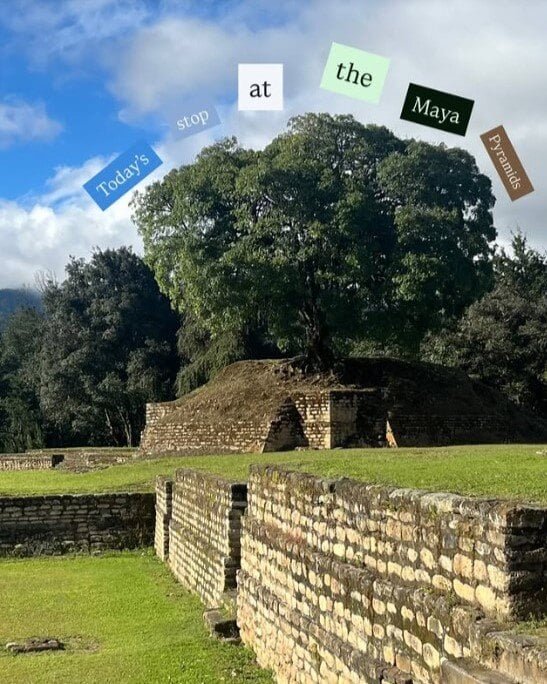
Past Mayan ruins to the foot of a smoking volcano
From La Ruta del Yalú the expedition's steps led deep into the past. The team moved to the vicinity of the town of Tecpán, where ancient Mayan ruins lined their route. Here distant history is interwoven with biological diversity and offers a unique context for scientific work.
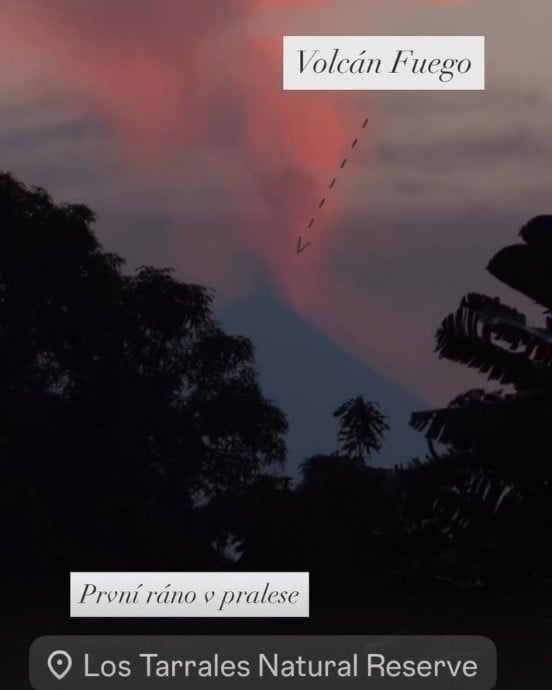
The greatest visual experience, though, awaited the expedition after it moved to the Los Tarrales nature reserve. Besides rich fauna and flora, the team members were treated to an exceptional, breathtaking view of the active Fuego volcano.
The smoking giant forms the backdrop to the next phase of the research. At Los Tarrales too the team is continuing with the most important task — collecting and examining in detail further nests, obtained simply by cutting open the hollow twigs where digger wasps tend to nest.
What next?
The Neuron Expedition 2025 in Guatemala is far from over. Michael Mikát and his team have further weeks in the field ahead of them. They face moves to other sites, the collection of new data and, above all, the effort to understand which factors determine whether digger wasps live solitary lives or in complex communities.
Keep following our pages so you do not miss further news from this unique scientific expedition.