Forbes: Neuron laureate Jakub Rákosník on Baťa and the innovators
4 April 2026
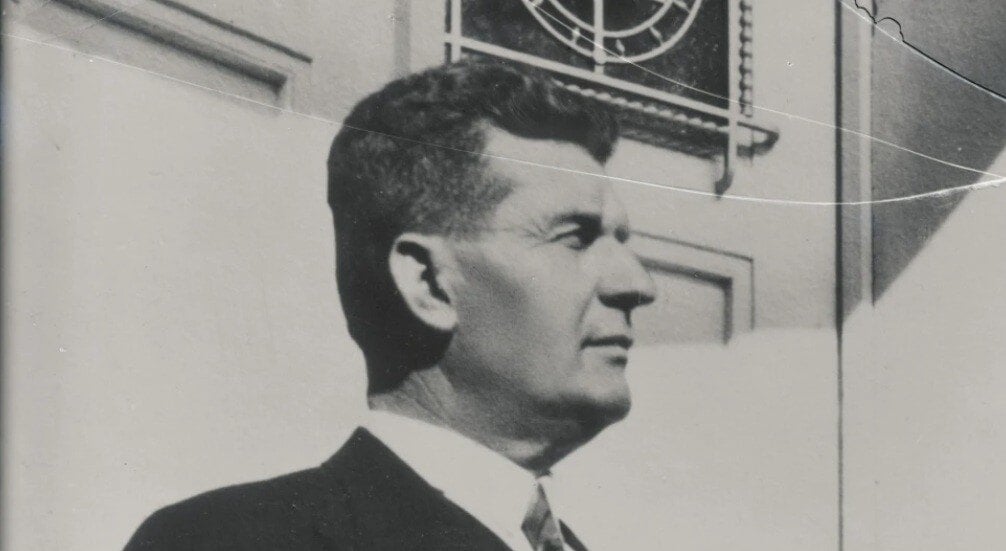
Tomáš Baťa understood the relationship between science, innovation and money already in his youth. It was confirmed at the beginning of the 20th century, when he went to America and took a job in factories there, bringing back a key insight: the fundamental handicap of Austro-Hungarian production was low labour productivity, writes Forbes magazine to mark the 150th anniversary of the birth of the entrepreneur and innovator Tomáš Baťa.
To raise productivity he needed better technology and better organisation of work. And better technology requires better research. "That created a kind of interconnection between science, productivity and capitalist profit," explains the historian Jakub Rákosník of the Faculty of Arts of Charles University, who works on economic history and who is a laureate of the Neuron Foundation's award for the social sciences.
"The Neuron Foundation, which honoured Rákosník's research, itself embodies the conviction the historian writes about: that science and business can strengthen each other," Forbes notes.
The foundation brings together successful entrepreneurs such as Dalibor Dědek, Eduard Kučera, Václav Dejčmar, Libor Winkler, Ondřej Bartoš, Jaroslav Řasa, Jan Barta and others with leading Czech scientists. It is betting that investment in basic research will pay society back. Much as it paid back, a hundred years ago, those industrialists who had the courage to go against the current.
Their own research departments
This connection was not a matter of course in the Czechoslovakia of the time. Compared with neighbouring Germany, which in Rákosník's words was the natural reference point for Czech industrialists, the local corporate structure was fragmented and in-house research departments were rather a rarity.
"It was far simpler to buy foreign licences than to risk an uncertain investment in your own research," Rákosník explains. "It is more expensive, but it is a safe bet. Your own research is costly and risky; you can sink money into it with no result." Most entrepreneurs therefore took the path of least resistance: they bought other people's ideas instead of developing their own. Only the largest corporations tried to move towards creating research departments of their own.
https://forbes.cz/bata-nebyl-sam-kdo-byl-moravsky-edison-a-dalsi-inovatori-prvni-republiky/