ČT24: Fawning over Trump was a mistake, says award winner Smetana
10 March 2026
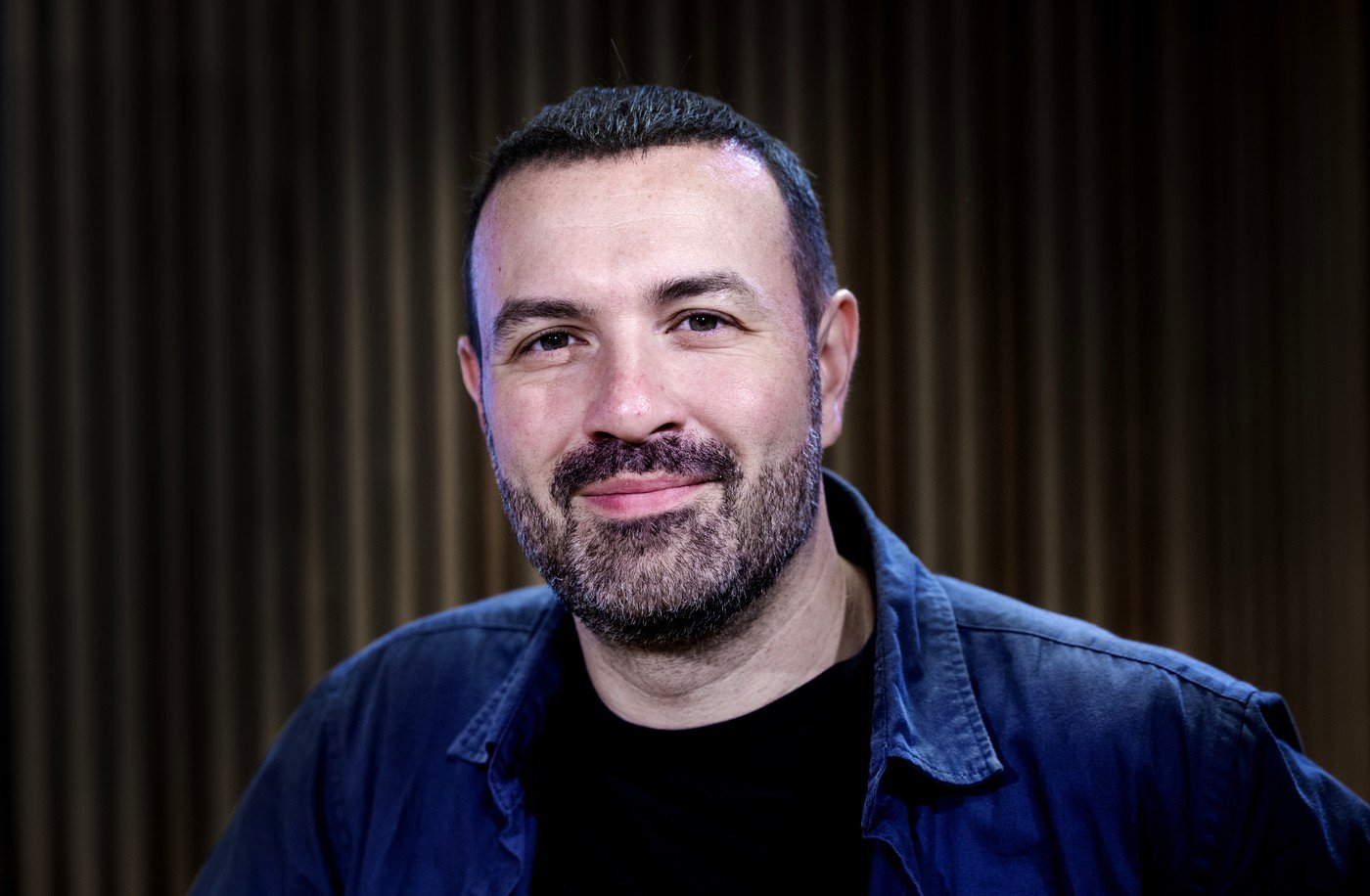
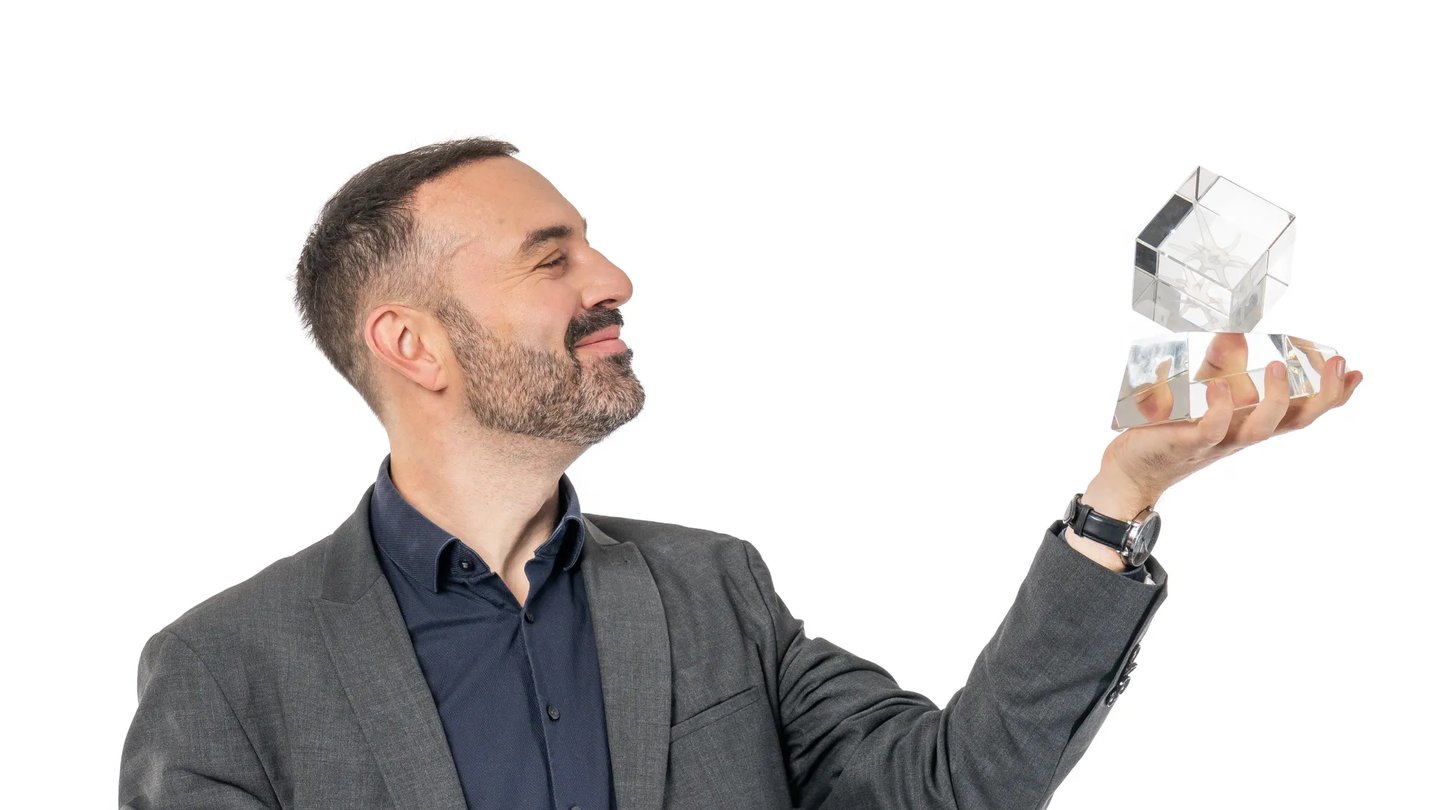
We live in a restless world and conflicts are multiplying. Associate Professor Michal Smetana of Charles University knows something about that; in January he received the Neuron Award for promising young scientists in the social sciences. He is now in great demand from the media, because his research examines international contexts and the paths that lead to wars. ČT24 devoted a long profile to his work and to Neuron. Read his findings, which are — sadly — highly topical.
The old order is ending and a new one does not yet exist, says the foreign policy expert Michal Smetana of the Faculty of Social Sciences of Charles University. He is a new laureate of the Neuron Award for promising scientists and his work examines how people respond to threats and how fear works. The present age, he says, favours authoritarian personalities of the Donald Trump type. Further developments in international politics, he believes, cannot be predicted at all — they may lead to a larger armed conflict, but also to smaller clashes after which society adapts to a new system.
You head the Peace Research Center Prague. Is peace, in your view, something that still exists at all today? Or is it now merely a construct we can study?
Peace of course exists in many parts of the world. Armed conflicts have nonetheless always been part of international politics. We generally say that war is not a permanent state, but that it is always present somewhere in some form. There are always some regions, some hotspots, where military conflicts are taking place. At present we unfortunately find ourselves in a world that is extremely volatile, very unstable, in which conflicts are multiplying and their intensity is also increasing. Overall, the workings of current world politics are bound up with great uncertainty, and it does not look as though the present tense situation will calm down any time soon. On the contrary, we see the potential for further conflicts in some troubled regions of the world.
You mentioned hotspots — can you name specific examples? Where do these conflicts exist over the long term, only with lesser and greater intensity?
There are of course regions or subregions that we regard as problematic in terms of armed conflict over the long term and where violence often escalates. Probably the most classic example is the Middle East, which has decades of very brutal conflicts behind it, both between states and within them. And although some particular relationships — Israel and Egypt, for instance — were settled in the past, as a whole the region still shows a high degree of volatility. Sub-Saharan Africa and South and South-East Asia are of course hot ground too. Often these are conflicts rooted in a colonial past and in artificially created borders.
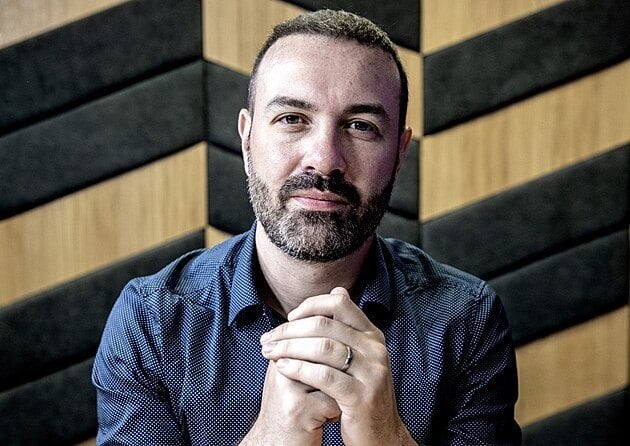
You run the Experimental Laboratory for International Security Studies. How do those two things actually go together — social science and experiments?
We study how people's attitudes to various security questions are formed. Partly at the level of the public, that is, how ordinary people form their opinions, views and approaches. But also, conversely, how public attitudes influence elected politicians and how those politicians influence public attitudes in return. So a complex mutual feedback loop.
And in order to study that, we use experimental methods. We describe to people various fictional scenarios of different situations in international politics and then use statistical methods to examine how different ways of providing information, changes of context and the framing of different situations influence the formation of political attitudes and preferences.
You teach at the Institute of International Studies of the Faculty of Social Sciences. Given the current situation and possible further developments, what kinds of graduates does your field produce? Where do they find, and where will they find, employment?
Our students and future graduates find employment across a fairly wide spectrum of fields. Many head abroad, into European institutions. But also to the ministries of foreign affairs, the interior or defence, or into politics, specialist think tanks and the non-profit sector.
I do not think that education should only be about taking away a certain amount of knowledge; rather it should teach them to think in a different way. To use a combination of critical thinking and work with information. Which means that thanks to these skills our graduates can then pursue careers that at first sight lie outside their field — they go to work in PR or marketing. The ability they have gained to think independently and creatively is very useful to them.