Neuron Expedition 2025: digger wasps, or how a society is born
9 March 2026
The natural science Neuron Expedition returns from Guatemala a success. It studied how digger wasps become allies and why that is such an important subject in evolutionary biology.
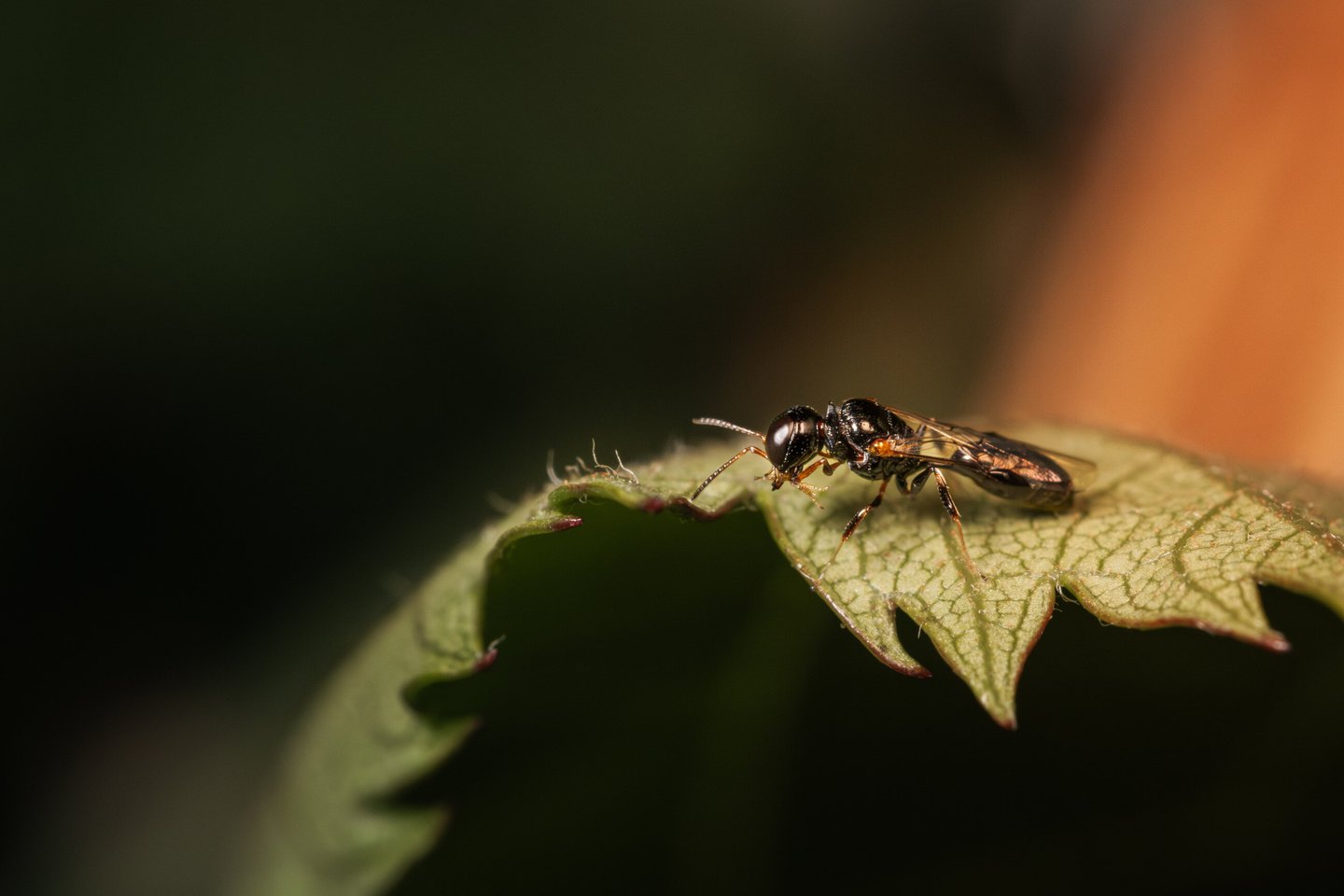
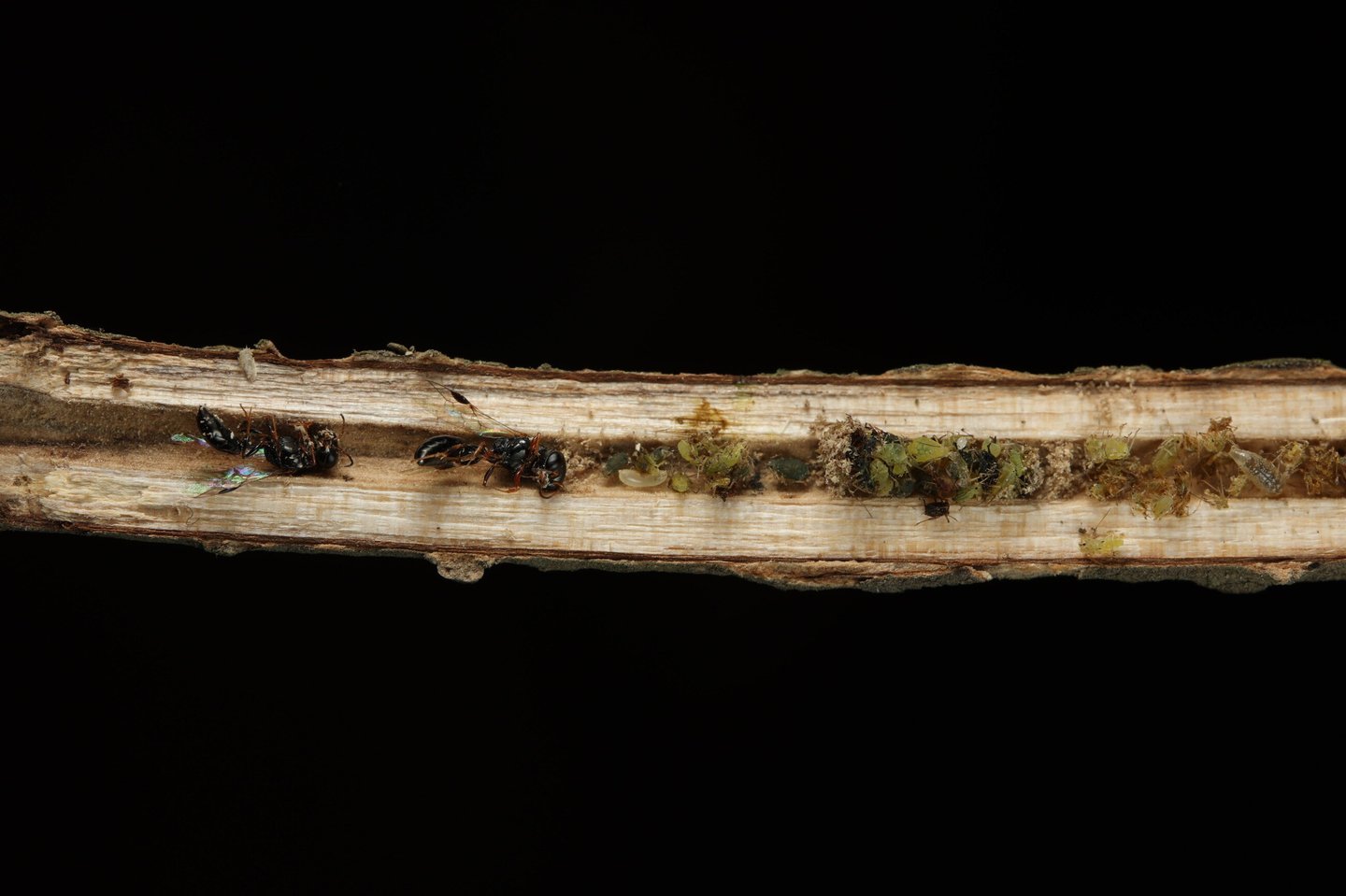
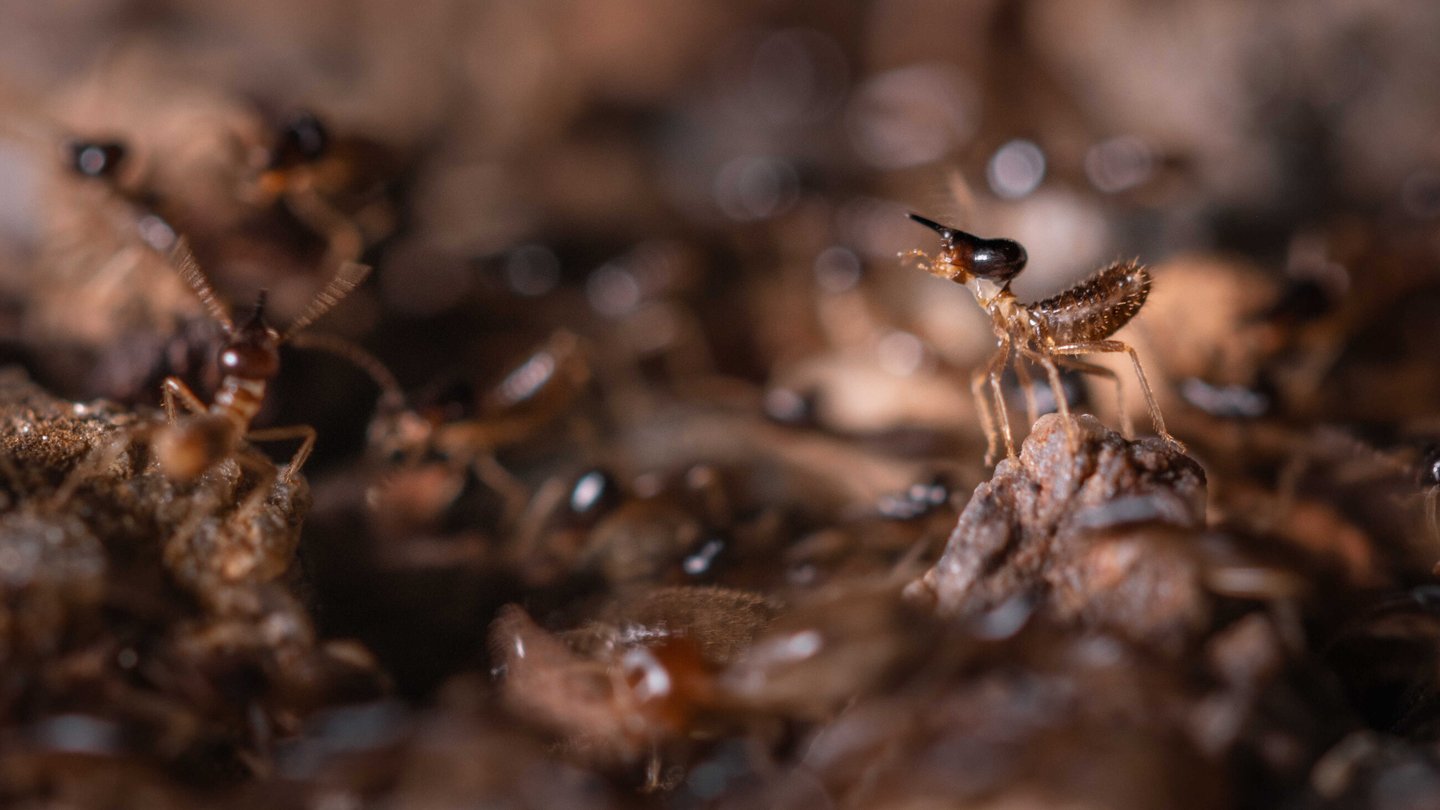
In textbooks, social insects are usually associated with ants, bees or termites. But it is precisely at the edge of the insect world that something remarkable can be discovered. During the Neuron Expedition, the biologist Michael Mikát and his team studied digger wasps, a group of hymenopterans in which social behaviour appears rather rarely. Of ten thousand species, only some form communities — colonies with just two or a few females, which do not differ from one another the way a queen and a worker do in bees. A social system at such an early evolutionary stage is very valuable.
"There are only a limited number of these branches of social insects, and digger wasps are probably the least studied of them," says Michael Mikát, the expedition's leader, who previously studied the small carpenter bee Ceratina nigrolabiata, in which both parents care for the offspring — something almost unheard of in hymenopterans and discovered for the first time in bees. The overwhelming majority of digger wasps live solitary lives, but a very small number are a step further on, living in small communities where the members help one another. "I find it fascinating that thanks to the results of the Neuron Expedition we are getting at the essence of social behaviour, where insect individuals cooperate but also assert their own interests, their own ego," says Monika Vondráková, director and co-founder of the Neuron Foundation, which has now funded fourteen expeditions.
New discoveries from the jungle
In Guatemala, with an international team supported by the Neuron Foundation with CZK 427,500, the biologist Mikát discovered further cases of social behaviour in digger wasps, and moreover in a lineage where it had not been known before. Previously a similar example of cooperation was known in only one genus. "We found two more," the biologist says. And he suggests it is probably not an isolated exception. "We can guess that in the end it will be some dozens of species," he estimates of the wider context.
At first sight this looks like a small detail "from the life of the insects", to borrow from the Čapek brothers, but in reality the finding touches on one of the great questions of evolution: how and why animals begin to cooperate. Why do two females not compete with each other until one is driven out entirely? Why do they stay together in one nest and help each other? And above all, why are some females willing to give up reproducing themselves for the benefit of other females?
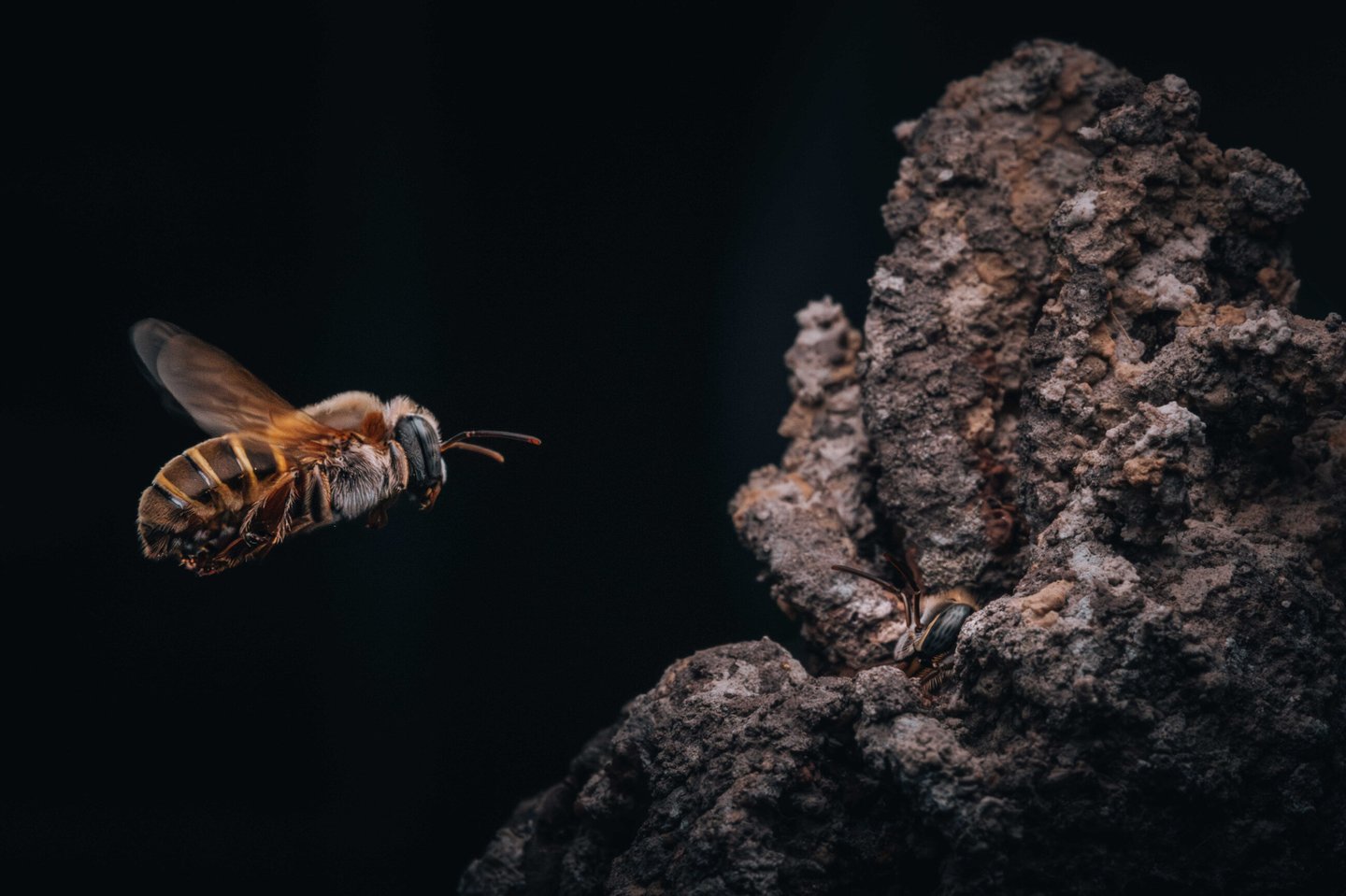
According to Mikát, one of the main explanations is pressure from enemies. "It will most likely be that social nests of this kind are better protected against parasites and other enemies, such as ants. A solitary female tends to be at a disadvantage. When she flies off to hunt aphids or other insects (thrips) for her larvae, she leaves the nest undefended. And at that moment the offspring are unprotected… Ants may eat them, for instance, or parasites may get in, whereas with two the risk is reduced. One female can stay in the nest while the other forages. That may be exactly the first step towards a social arrangement," reflects the entomologist, who directed the fieldwork and research of twelve researchers between 4 and 25 November 2025.
Ego exists in the insect kingdom too
But relations even in these wider "families" are not idyllic. Dr Michael Mikát rejects the romantic notion of a purely harmonious nature. "There is a romantic idea that in nature animals are kind and cooperative and that harmony prevails there. But it is not like that. It is more a matter of hard bargaining in defence of one's own interests. It is sharp, sometimes almost mafia-like negotiation in which everyone defends their own selfish interests. Even tiny animals have an ego," the naturalist unexpectedly reveals.
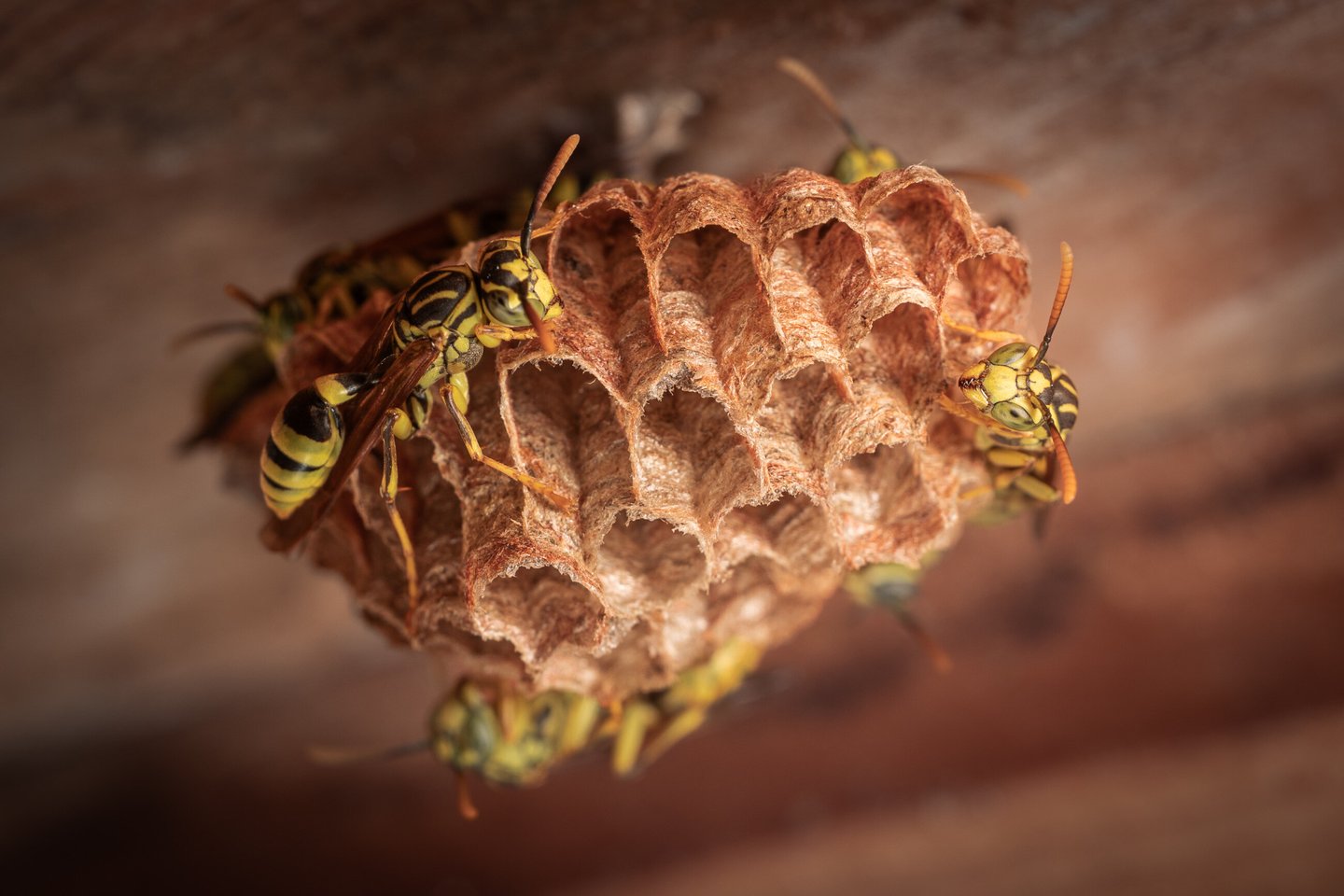
In his view, cooperation does not arise out of pure altruism but out of a balance of advantages. "The fact that they come to an agreement is where their interests overlap, where each gives a little ground and then on the whole it works," the scientist believes. Even though two females side by side defend the nest better together, that does not mean they give up reproducing themselves. One of the key questions of the current research is therefore whether both females reproduce in such a community, or only one. The fieldwork carried out and the laboratory analyses that follow may provide the answers. The scientists are therefore measuring the size of individuals, the development of their ovaries and the wear on their wings, and will test the genetic relatedness of nest members. Only that will show how the community is organised and what relationships prevail in it. Nests with a larger number of females are especially valuable, and the team found some of those too. "The largest had seven females," Mikát says of the largest group science has recorded so far. Alongside the seven females, two males were also found in the nest.
In pursuit of the secrets of Darwinian evolution
It is precisely findings like those made by the Neuron Expedition 2025 that can answer more general questions about evolution. "The best way to look at general things is to see whether a trait arose more than once independently, and to study the groups that have it and what they have in common," the expedition leader explains. Digger wasps are exceptionally valuable in this respect, because they represent a little-explored (and apparently repeatedly arising) route to social life.
The significance of the research, though, does not lie only in the discovery itself. "In order to protect animals well, we have to know them well," points out Mikát of the Department of Zoology of the Faculty of Science of Charles University. Without sufficient knowledge, good decisions cannot be made either in nature protection or in society generally. And he adds a broader and more serious dimension: "Personally I think education is worthwhile in itself. The more we know about the world, especially when it is something complicated, complex and interesting, the better we can make decisions in our lives."
And research on social insects — digger wasps included — has, according to the ecologist Mikát, one more unexpected value. It holds up the proverbial mirror to us as well. "I think that if you understand the behaviour of animals in nature, you can then also understand some of our own instincts and actions." External pressure binds a group together, but competition persists inside it too, and cooperation tends to be the result of compromise, not harmony. In this, people and insects may be closer than you would expect. Small digger wasps are thus not merely a marginal "curiosity" from the tropics: they may become one of the keys to understanding how a society actually comes into being in nature. Not finished, disciplined and stable as in honeybees or ants, but fragile, negotiated and only now timidly being born.
Hundreds of nests brought home
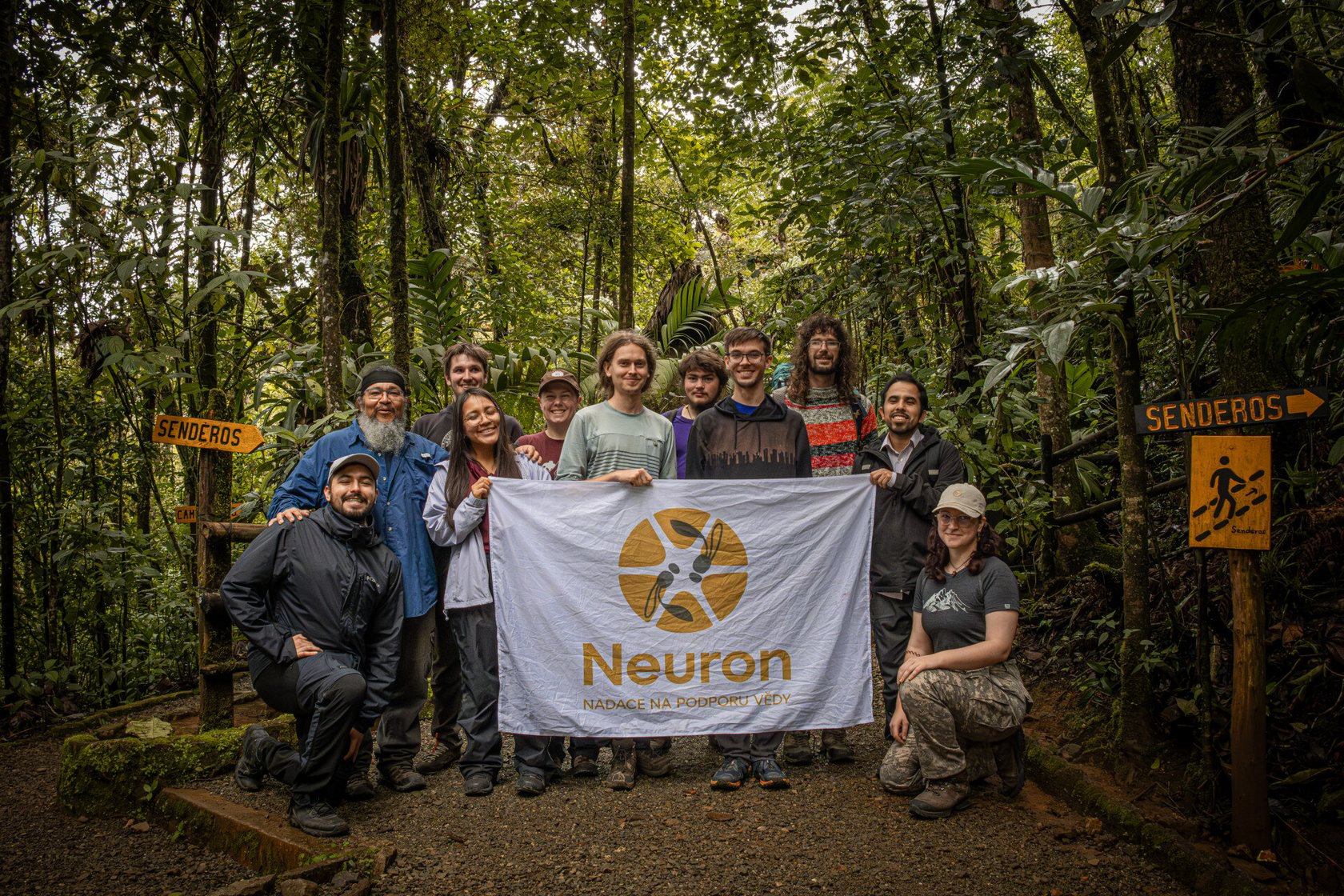
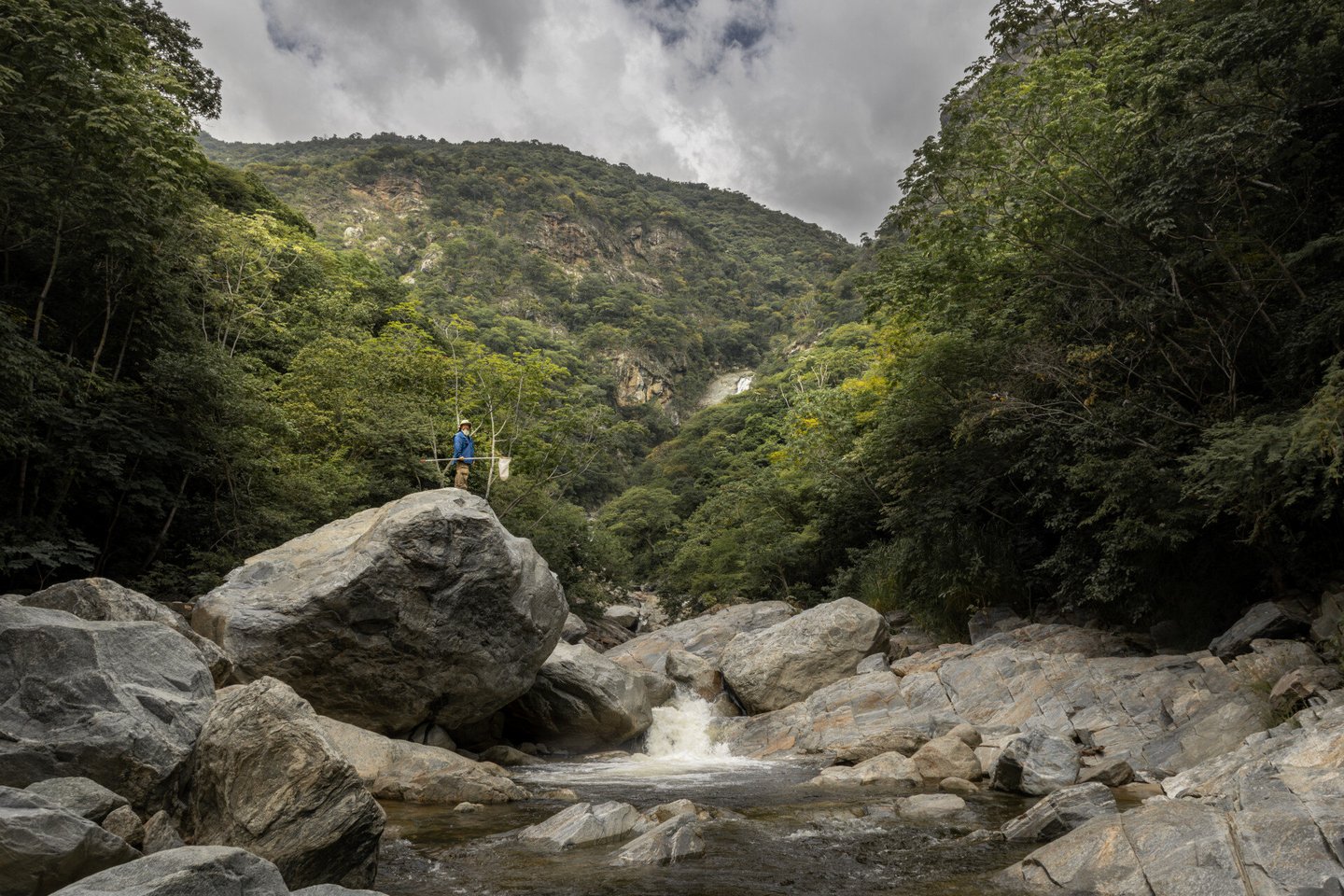
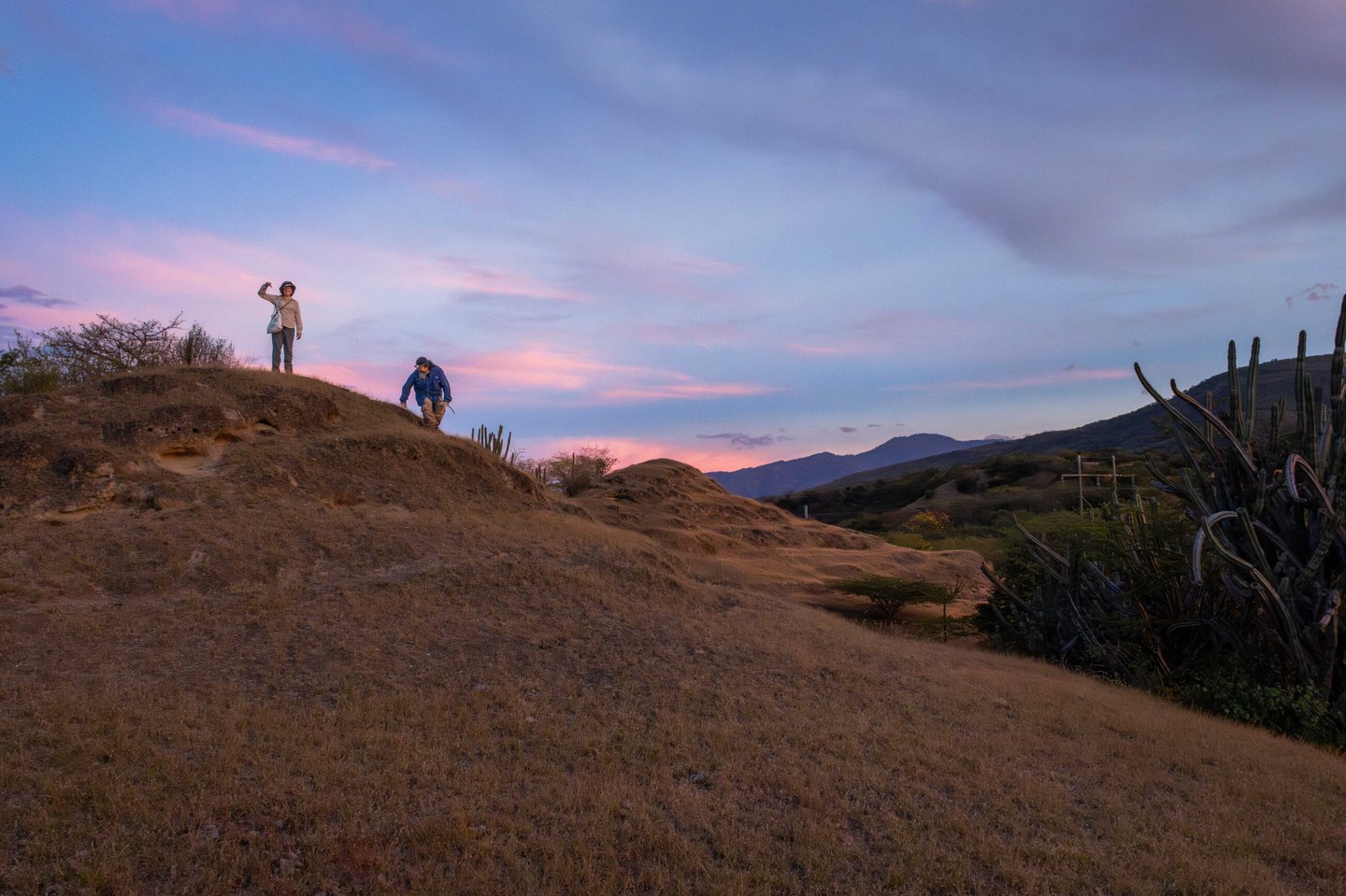
All of this is revealed by the experience gained and the field data the Neuron Expedition collected. "I have to say that Neuron's support helped us put together a larger expedition and involve more young colleagues than would otherwise have been the case. We are delighted about that," says Mikát, who assembled a genuinely international team with an average age of around 25. Two participants — the talented grammar-school student Antonín Pech and the documentary film-maker Kateřina Fialová — had only recently turned eighteen! In all, a dozen people took part, including a few researchers and doctoral students from Guatemala, Colombia and Ecuador. "Supporting young scientists is an absolute priority for us. When I see how unafraid they are to head into the rainforest to study the secrets of cooperation, I know the future of Czech science is in good hands," says Monika Vondráková of Neuron.
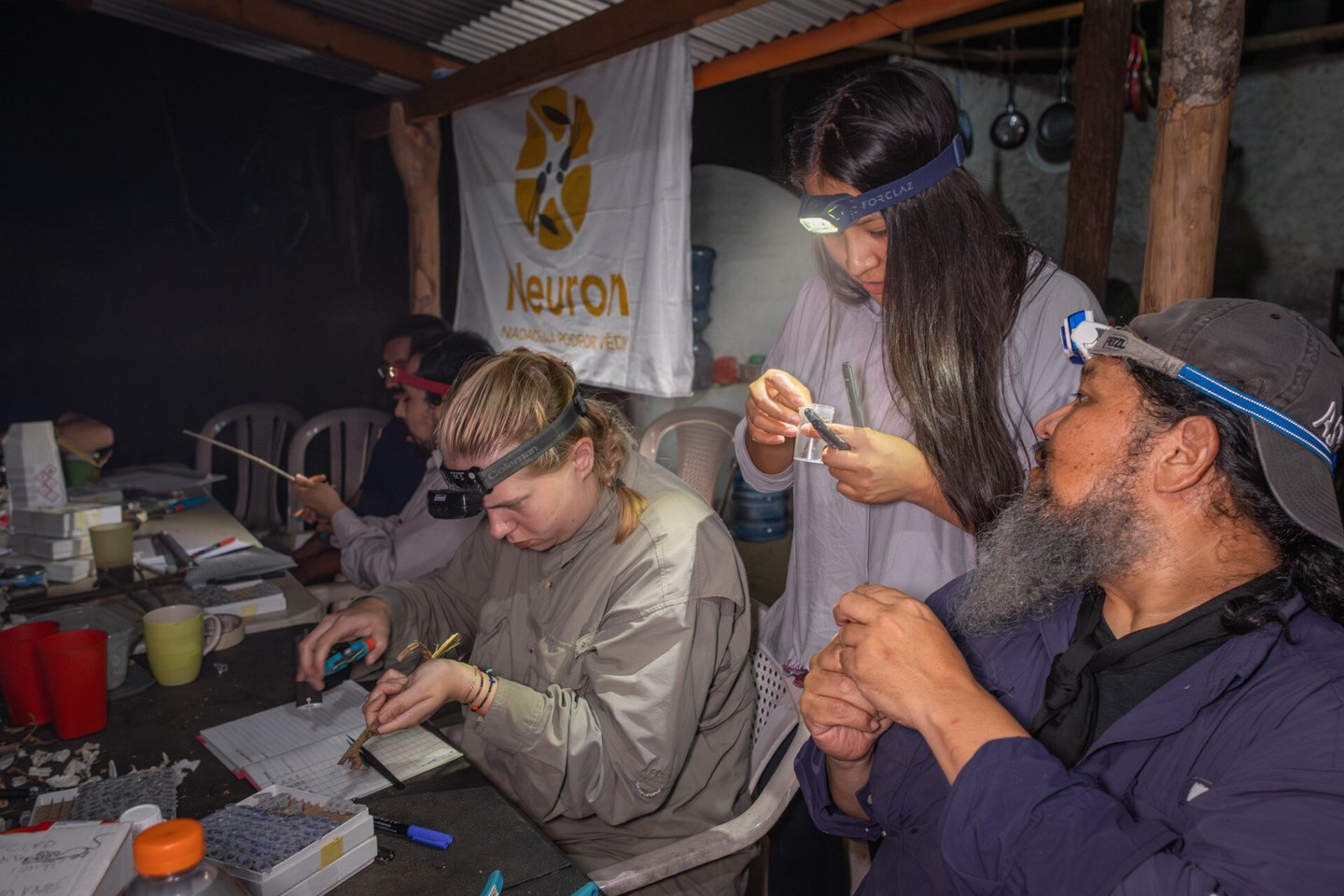
The young team gained valuable observations and recordings in the field, but above all data and samples. And the haul is remarkably impressive! The scientists collected roughly 400 digger wasp nests (in practice the "nests" are found in the dry twigs of plants), and to these were added some two thousand nests of small carpenter bees and further samples of other bees and solitary wasps. "Our rucksacks were full of them," Mikát admits, noting that the nests were opened on site, their structure recorded and the individual adults and larvae taken. These were preserved; only a smaller part travelled across the ocean to the Czech Republic alive.
Further discoveries in the laboratory
The live individuals, larvae and pupae are being left to mature, after which the naturalists will subject them to many analyses, genetic ones included. The research therefore certainly does not end when the team leaves the site but continues seamlessly in a Prague laboratory. Right now, in March, the laboratory phase is entering a new stage. "The genetic analyses will be done by Shannon Serpa Valdez," Michael Mikát says of his doctoral student from Ecuador, who is working on exactly this subject at Charles University. Other team members are helping with bioinformatics, sorting samples or transcribing data. The expedition was therefore not merely a one-off trip "for material" but part of a wider research plan.
The expedition's leader, who as far back as 2020 received the Rector of Charles University's Award for his work on small carpenter bees, has considerable ambitions for the research. Even then, working on "bee parents", he published a paper in the prestigious American journal Proceedings of the National Academy of Sciences (PNAS), which is where he is aiming this time too. "Our goal, which I would see as realistic and at the same time ambitious, is to publish an overall paper on the evolution of sociality in digger wasps in a journal on the level of PNAS, Current Biology or Nature Communications," explains the scientist, who has been interested in nature since he was small. Hardly surprising: his father was an entomologist in Hradec Králové and his mother a conservationist. Now it is up to him to inspire new generations to take up natural science. Of last year's Neuron Expedition he says: "It is wonderful that so many young people took part and gained experience they will not acquire in a laboratory. We are very glad we managed to assemble a large team that got a lot of work done. And at the same time it develops the students and opens up the world to them."