Without scientific discoveries it would be impossible to fight the virus, says immunologist Michal Šimíček
What was their year like, what has changed and what lies ahead? We invited Neuron Award laureates to take part in our survey — Neuron supplies the opening line, the scientists finish the thought.
This time we are joined by the immunologist Michal Šimíček. "We have to prepare for the possible return of some anti-epidemic measures and rigorous checks at the borders. Even so, I remain cautiously optimistic," he says of the current situation.
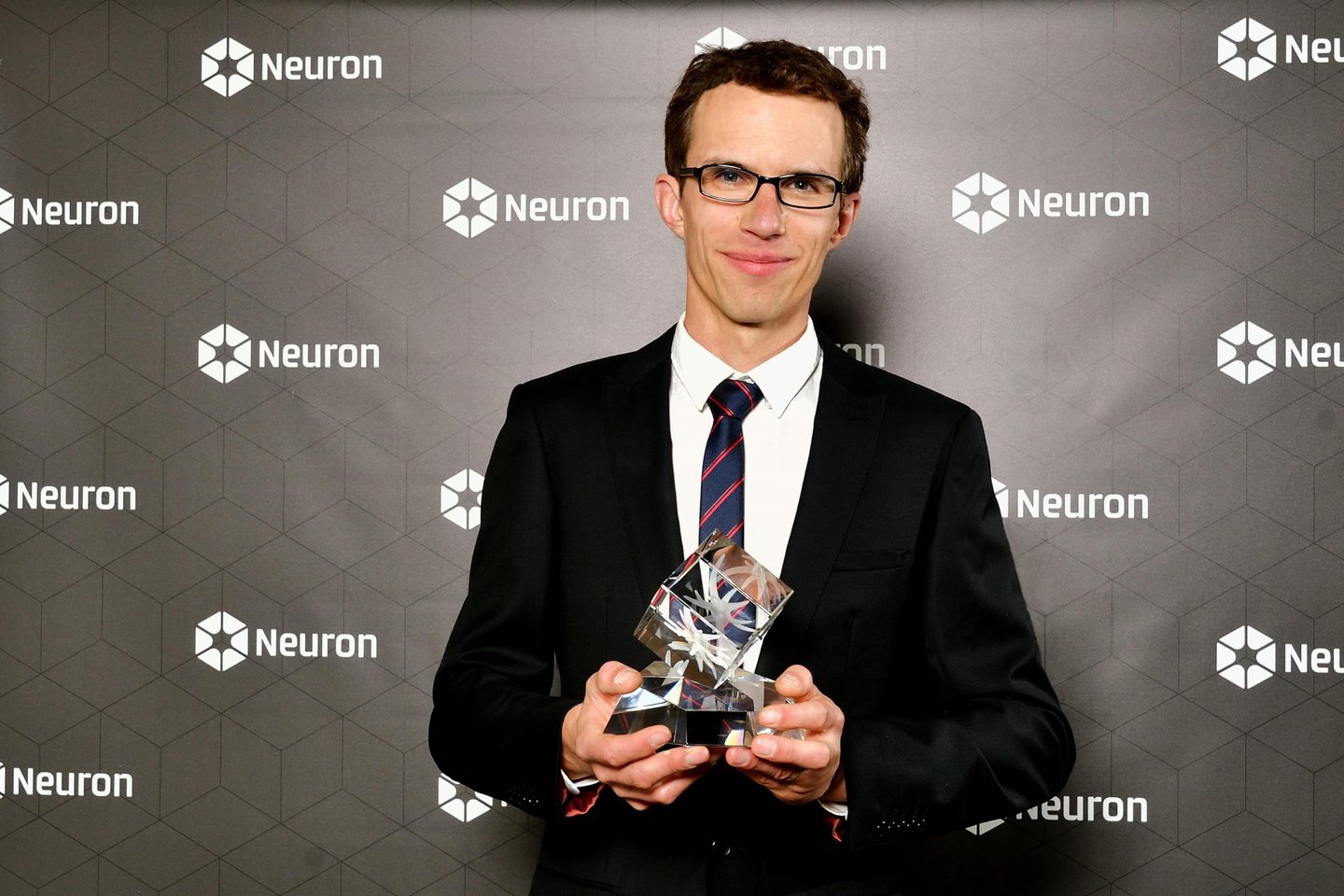
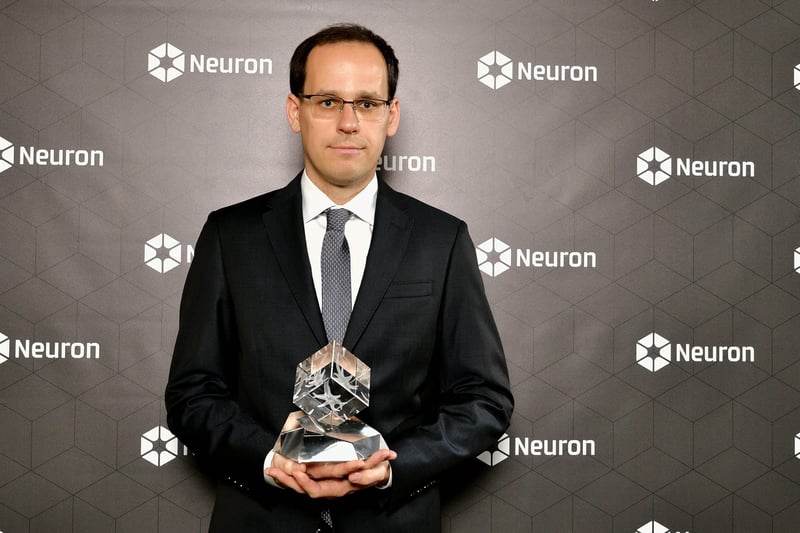
Michal Šimíček received the Neuron Award 2019 for his study of the processes that cause malignant diseases and their drug resistance. He was educated at, and worked for many years at, prestigious institutions abroad in Belgium, London and Cambridge, before returning to his native Ostrava. There he has built a top-class research centre where he is developing a unique cell therapy technology for treating cancer.
When I received the Neuron Award, I could not have imagined
that in the following year our country, and indeed the whole world, would very nearly close down. And were it not for science, we would have stayed in that state for a long time yet.
Last year was for me
above all a challenge in organising work and, despite the logistical complications, managing a number of conferences and collaborations with colleagues abroad.
My field responded to the pandemic by
having most colleagues from research laboratories make their staff and equipment capacity available for testing.
What will hopefully remain of it is
that we will make more use of teleconferencing and that the efficiency of working from home will improve.
And we will finally be rid of the notion
that there is no point in supporting basic research. Without scientific discoveries it would not be possible to fight the virus and other infections successfully.
Because I expect that in the coming months we have to prepare
for the possible return of some anti-epidemic measures and rigorous checks at the borders. Even so, I remain cautiously optimistic. The risk of a new form of the virus appearing, and therefore of a more serious lockdown, has been eliminated by widespread exposure and above all by the vaccination of a large part of the population.
I am preparing for that in practice by
being vaccinated, and by moving a large part of this year's meetings into a virtual format. I will likewise only go on holiday with my family within the Czech Republic.
And my field should focus mainly on
a deeper understanding of the molecular mechanisms that lead to the development of new mutations. Innovative approaches to testing and to vaccine production will be in ever greater demand.
So that future Neuron Award laureates can successfully crack
further unexpected problems facing our society, not only in the area of infectious diseases but in other fields of human activity as well.