Science can think up and create its own questions
What was their year like, what has changed and what lies ahead of them? We invited Neuron Award laureates to our association game — Neuron kicks off with the first sentence, the scientists finish the theme.
The first to answer in the survey is the astrophysicist Ondřej Pejcha. "Part of the effort of astrophysicists that we used to devote to popularising our field has been redirected towards explaining more basic principles of science and its method to the public," is how he sums up recent months.
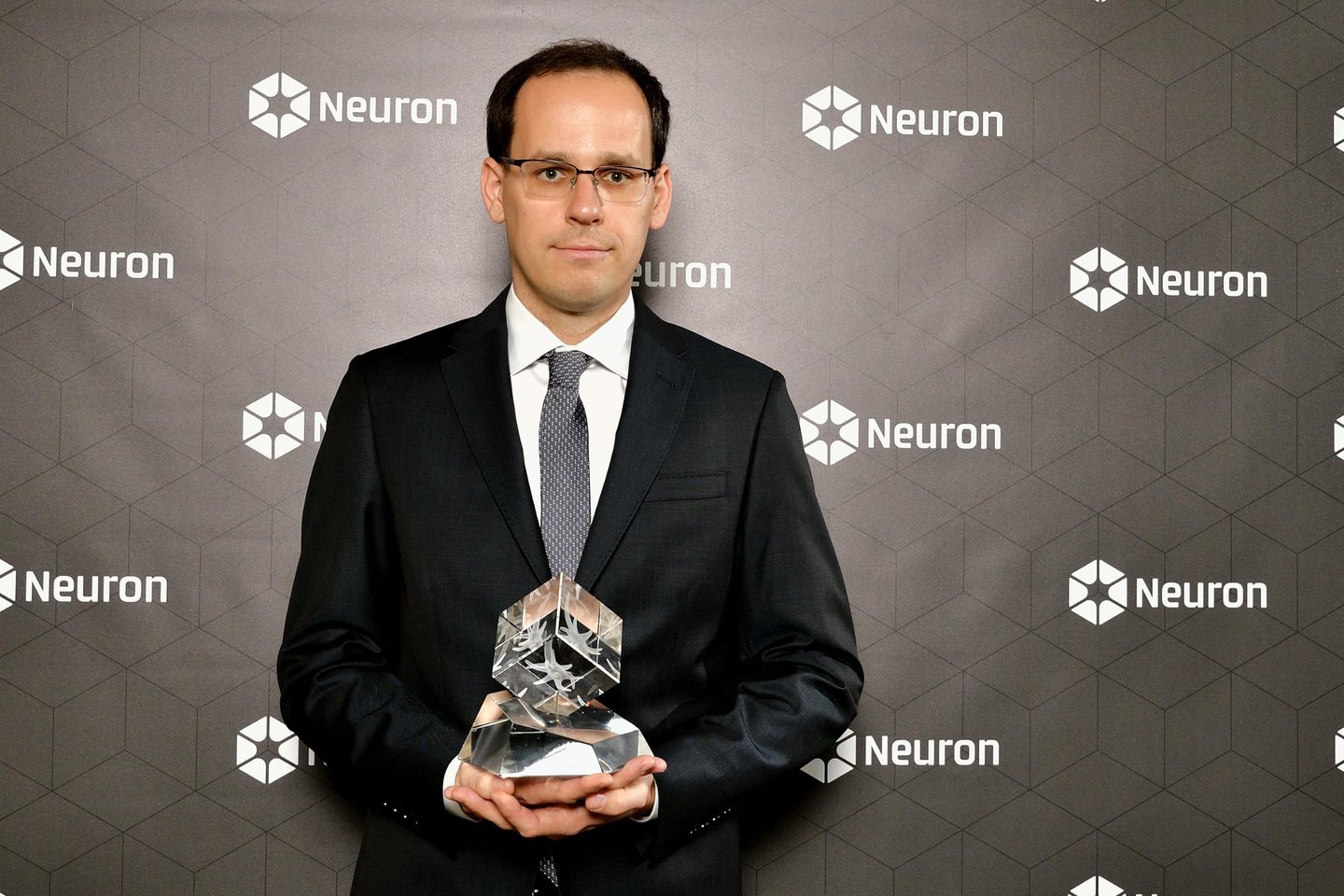
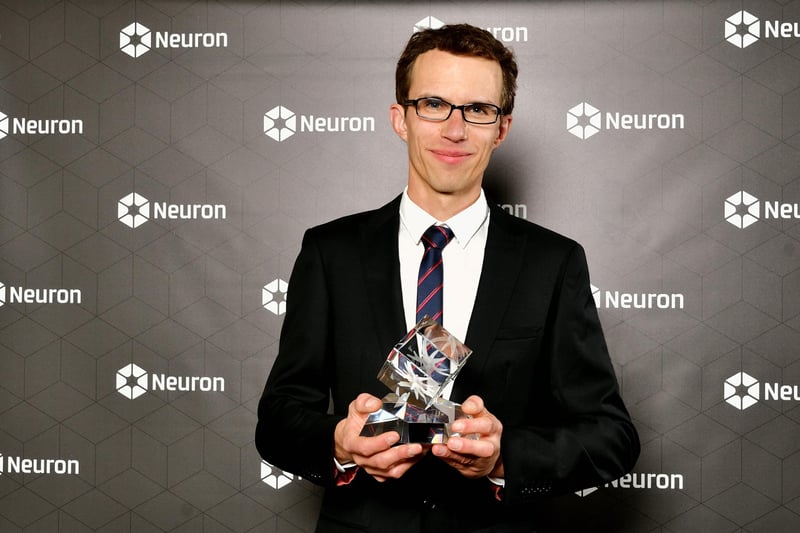
Ondřej Pejcha received the 2019 Neuron Award for significantly enriching current knowledge about the behaviour of supernovae and of other deaths and transformations of stars. He holds a prestigious ERC grant and is one of the most talented Czech astrophysicists.
When I received the Neuron Award, I could not imagine that this distinction would bring me so much attention and media interest. I am glad that I can convey something of the world of the stars to people.
Last year was for me demanding, but at the same time cleansing. Because schools and nurseries were closed, I suddenly had to divide my time between family and work far more. Thanks to that, though, it became clear what is important and what is not, and that cutting out unimportant activities is actually rather pleasant.
My field responded to the pandemic by — astrophysics has no direct applications concerning the pandemic or the associated social questions. So most activities concerned organising how to function in the new situation and creating an environment that would make it possible to continue ongoing projects at least somehow. I had the feeling that part of the effort of astrophysicists that we used to devote to popularising our field was redirected towards explaining more basic principles of science and its method to the public.
What will hopefully remain good about it is that many people have realised that we need more decision-making based on knowledge and evidence and less on feelings and impressions. And that science is precisely the right tool to help us solve even the most complex problems.
And we will definitively rid ourselves of the need to be personally present at many meetings and sessions that can be held more efficiently online. I think all of us can save a great deal of time that way and rid ourselves of stress.
Because I expect that in the coming months we must prepare for continuing uncertainty in travelling and meeting in person. From the point of view of scientific social life it will be interesting for me to see how the transitional state is managed, when conferences will be in hybrid form combining in-person and virtual participants.
In practical terms I am getting ready for that by trying to complete as many as possible of the projects I started before the pandemic. And I am also planning which institutions I will visit and what new collaborations I will pursue.
And my field should focus above all on emphasising the importance of science for our lives, even if it may seem as abstract and remote as astrophysics. We never know where the next danger to our civilisation may come from.
So that the next Neuron Award laureates can successfully crack any problem that seems important to them. What I very much like about science is that it does not contain only a predefined set of problems, but that it can think up and create its own open questions.