"The mysterious Mayan city comes to life: Czechs and Slovaks have found statues of the mythical founders"
28 April 2025
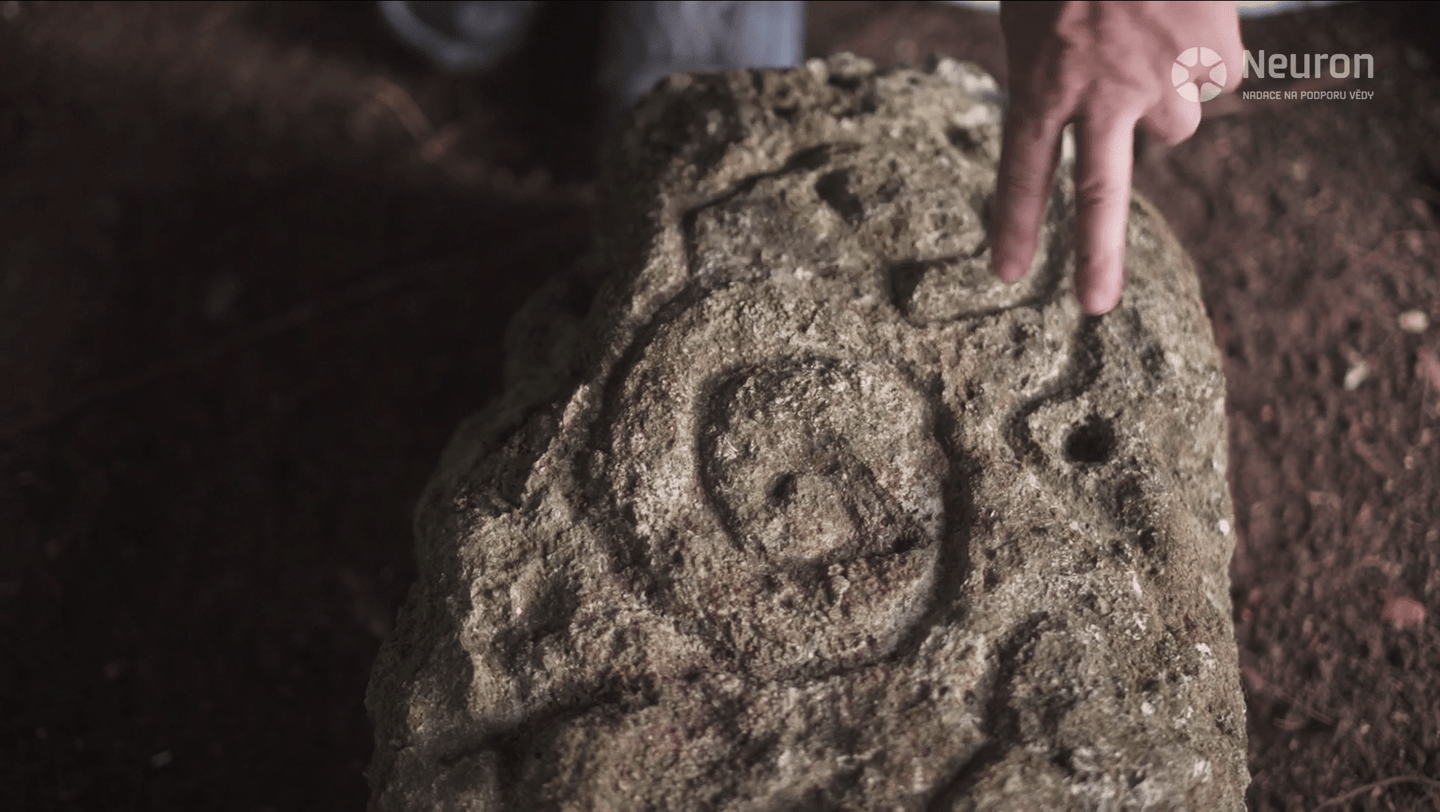
In the heart of the Guatemalan jungle a Czech-Slovak expedition supported by the Neuron Foundation has made a discovery that may rewrite the history books. In the Mayan city of Los Abuelos archaeologists have published their most precious finds for the first time — two monumental statues, a male and a female figure, depicting the mythical pair from the sacred book Popol Vuh. The artefacts, from the period 800–350 BC, offer a unique view of the oldest Mayan art and mythology.
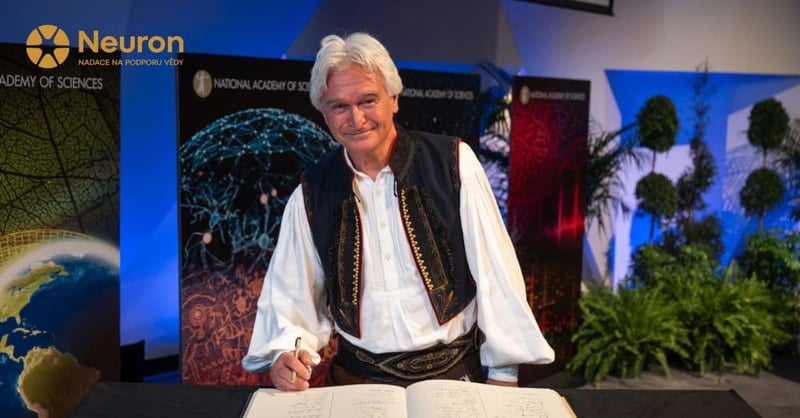
"This amazing discovery shows how important it is to support work in the field, the courage to go into the unknown and putting trust in expedition members. That it was our scientists who discovered a city that may change the textbooks is absolutely fascinating," says Monika Vondráková, director of the Neuron Foundation
Vondráková.
A lost city that tells the story from the beginning of the Maya to their demise
Los Abuelos, a hitherto unknown city in north-eastern Petén, extends over an area of 12 square kilometres. It came into being in the 8th century BC and its urban structure captures both the earliest phase of Mayan civilisation and its dramatic collapse in the 9th century AD. Archaeologists speak of a unique "alpha and omega" of the Mayan world.
"It is already clear that this is a key representative of the earliest phase of Mayan history. Combined with the layers from the period of the collapse, Los Abuelos becomes a unique laboratory for studying the whole of Mayan development," explains the archaeologist Milan Kováč, head of the expedition's research team.
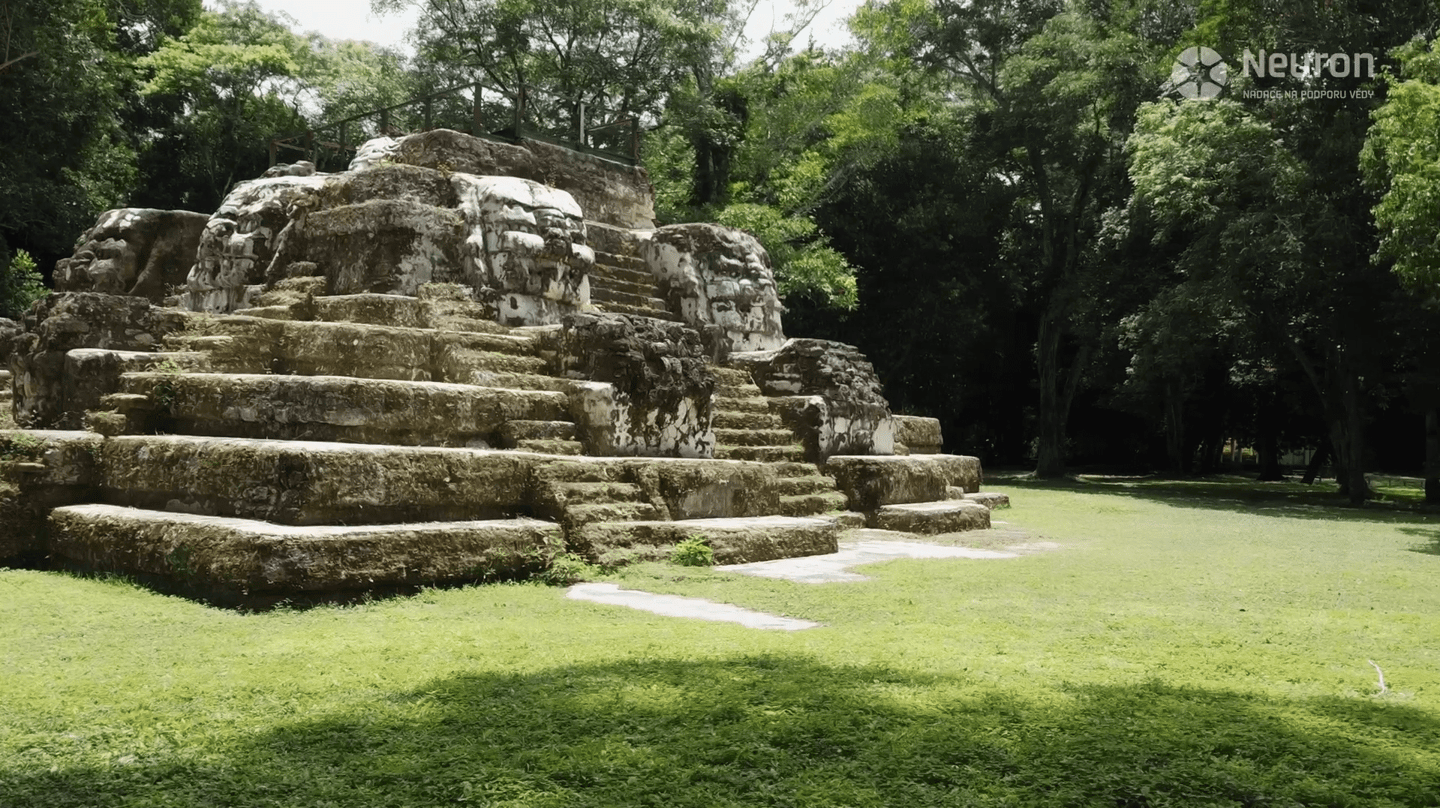
The main find — the sculptural group of the grandparents, after which the city got its name (Los Abuelos — the Grandparents) — was discovered on the top of a small temple oriented towards the setting sun. Beneath the statues, offerings from across the centuries were found, including the bones of two jaguars.
"The moment when we discovered the bones of the sacrificed beasts beneath the statues and immediately afterwards a real live jaguar appeared beside us was absolutely unforgettable. It was as if we had woken something ancient," Kováč recalls.
The oldest observatories and a new settlement
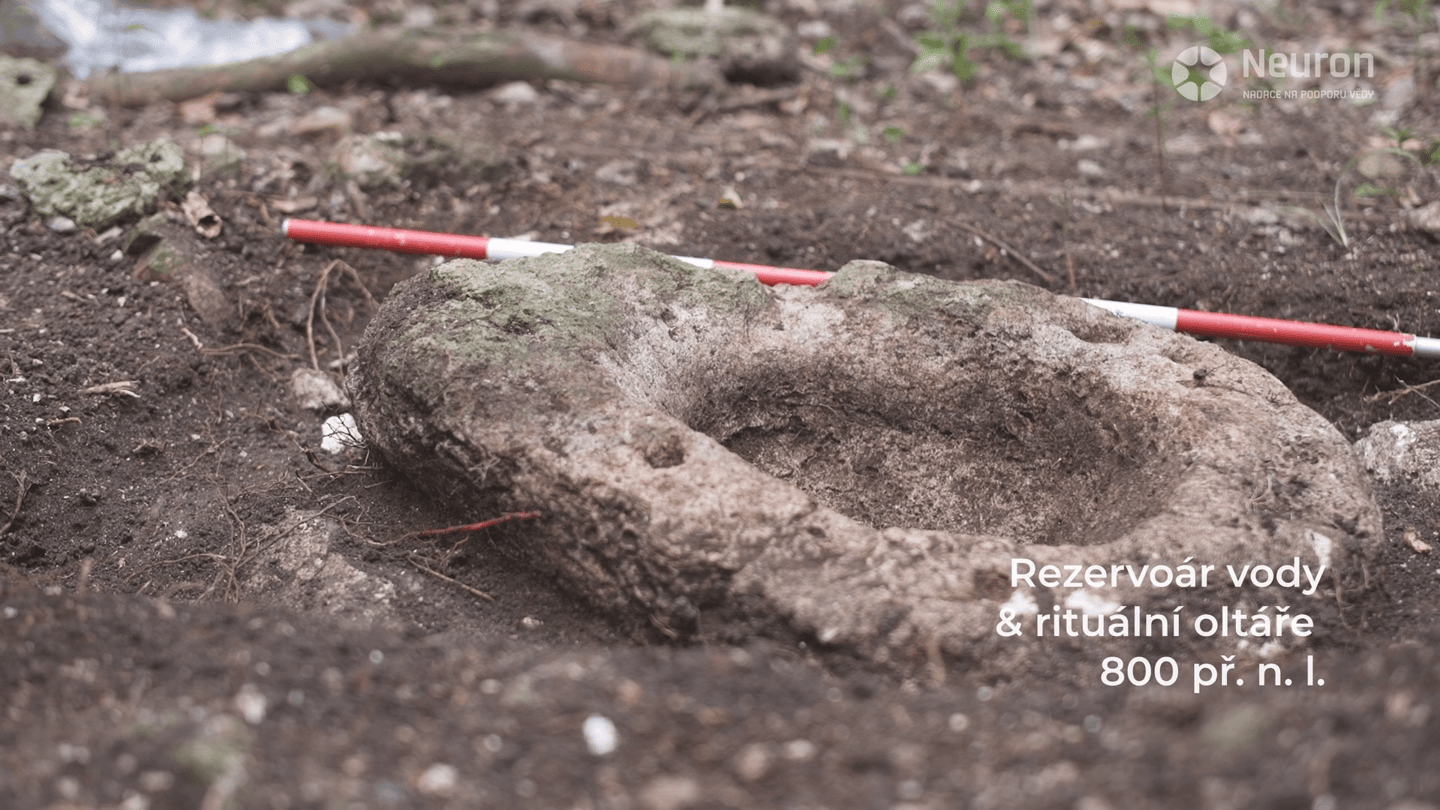
Alongside the sculptural group, the expedition also discovered three stone astronomical observatories used for observing the equinoxes and solstices. One of them was built as early as the 8th century BC and is among the very oldest of its kind. The research also extended beyond the boundaries of the city of Los Abuelos. The expedition mapped seven further sites, including two newly discovered Mayan settlements.
The city through the course of Mayan history
In the early days of Los Abuelos a small palace stood at the head of the city — evidence that royal power was already taking shape there. The archaeologists managed to uncover and reconstruct almost the whole of this palace. After a period of flourishing, however, came decline. The city lost its significance and remained in obscurity for long centuries. In the following periods it was only partly restored.
Another major revival came in the classic period (550–800 AD), when some squares were rebuilt, monuments were repaired, new palaces were built and a garden section came into being too. This phase of flourishing did not last long, however — it is dated only between the years 750 and 800 AD. Then came the last chapter of the city's history and of the whole classic Mayan civilisation. In the period between 800 and 900 AD a steep decline occurred. The quality of ceramics fell, the number of sacrifices rose and ecstatic cults came to the fore.
With the help of the Neuron Foundation, the finds from various periods have thus opened up many new questions that only further research can answer
Technology in the jungle
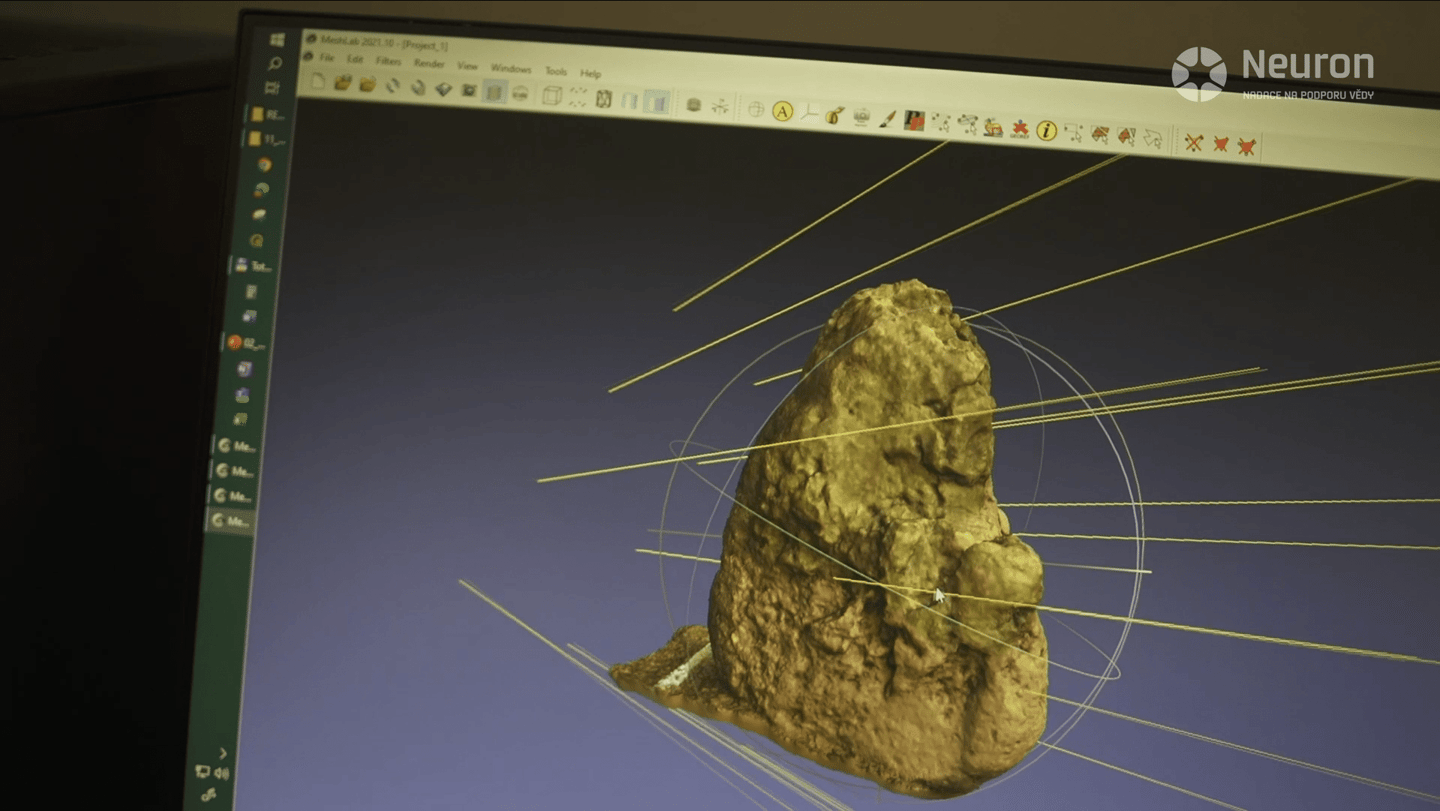
The research team used LiDAR aerial laser scanning, neural networks and 3D modelling of objects. Thanks to that it was possible not only to identify the city but also to document its monuments in detail. The most modern equipment for analysing ceramics was used as well.
During the expedition the team carried out excavations in three cities and surveys in four more. They discovered more than 20,000 ceramic fragments, 3,500 stone tools, 24 complete vessels, 4 stone stelae, two monumental statues and 12 hieroglyphic inscriptions on ceramics. The site thus offers quite exceptional research potential.
What next?
This year the expedition will build on the results so far by continuing excavations with a focus on cultural and chronological contexts. The most significant finds will be presented at an international congress in Guatemala.
"The discovery of Los Abuelos is not only a great scientific success but also confirmation that when you combine passion, top-class technology and trust in scientists, something exceptional comes about," Monika concludes.