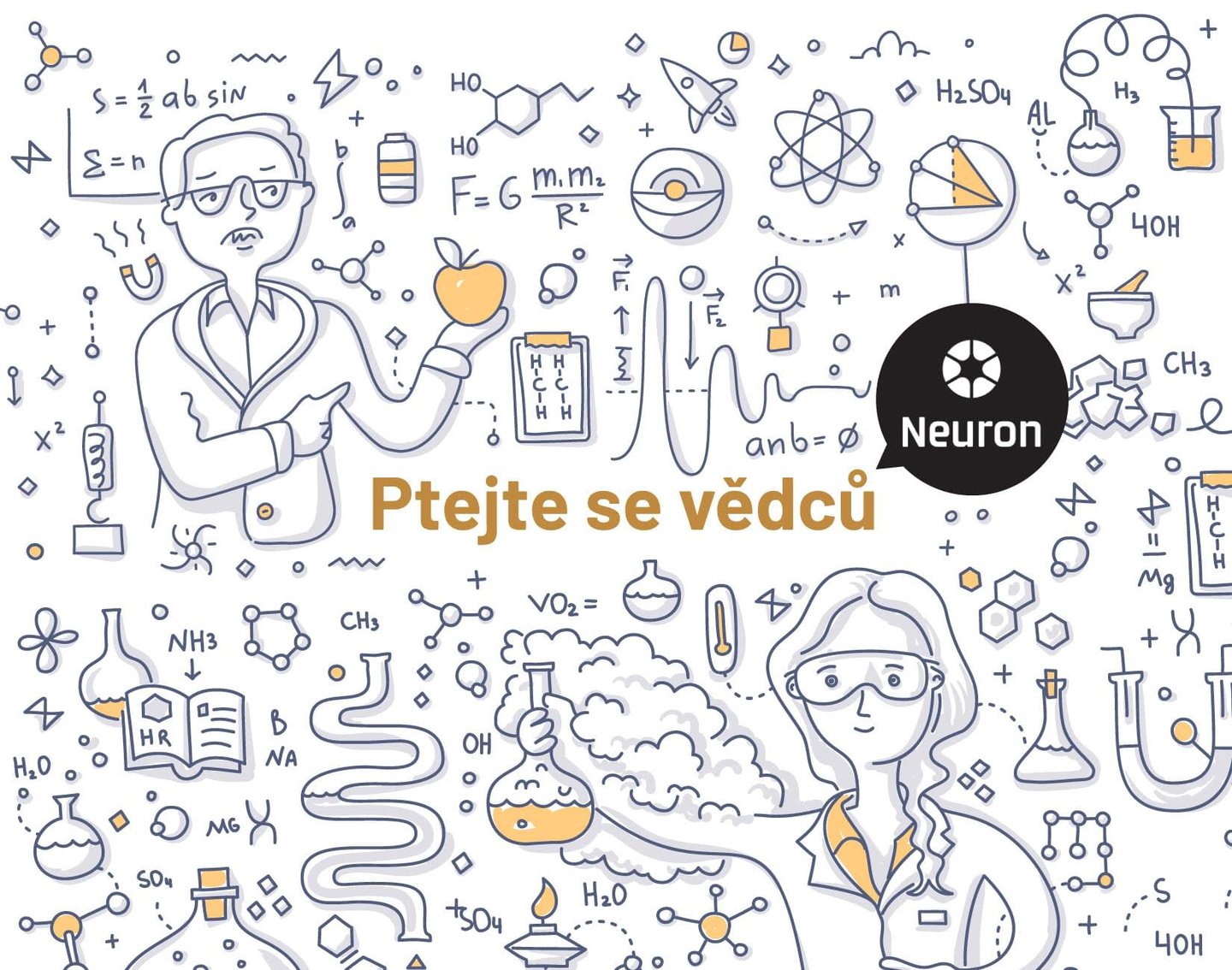
You asked the scientists with Neuron and Aktuálně.cz
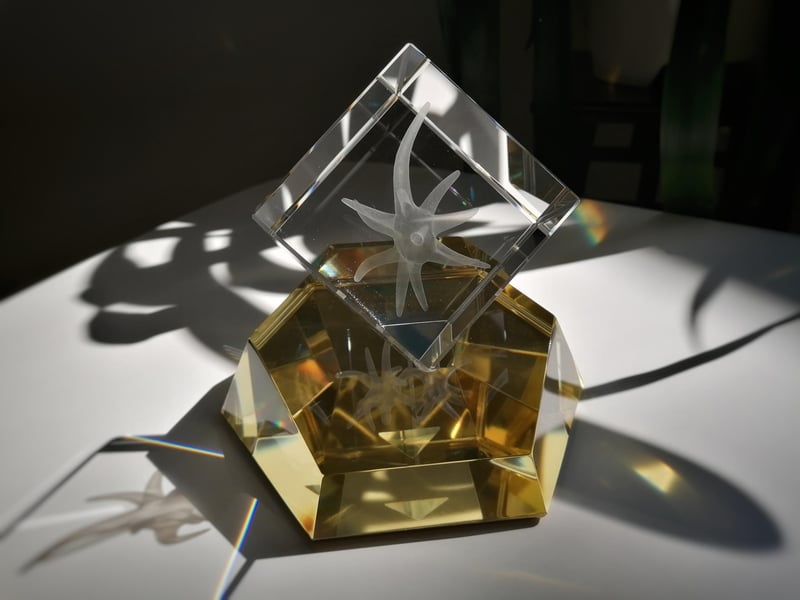
Together with Neuron and the Aktuálně.cz newsroom, you had the chance all summer to ask the best Czech scientists and Neuron Award laureates about everything that interests you in science, and about our scientists' lives too. Together with the wonderful and inquisitive readers of Aktuálně.cz we set out on an expedition into many fields. Take a look at a short overview of the most interesting moments and read the answers of top scientists on the Aktuálně.cz website.
Together with Neuron and the Aktuálně.cz newsroom, you had the chance all summer to ask the best Czech scientists and Neuron Award laureates about everything that interests you in science, and about our scientists' lives too. Together with the wonderful and inquisitive readers of Aktuálně.cz we set out on an expedition into many fields. Take a look at a short overview of the most interesting moments and read the answers of top scientists on the Aktuálně.cz website.
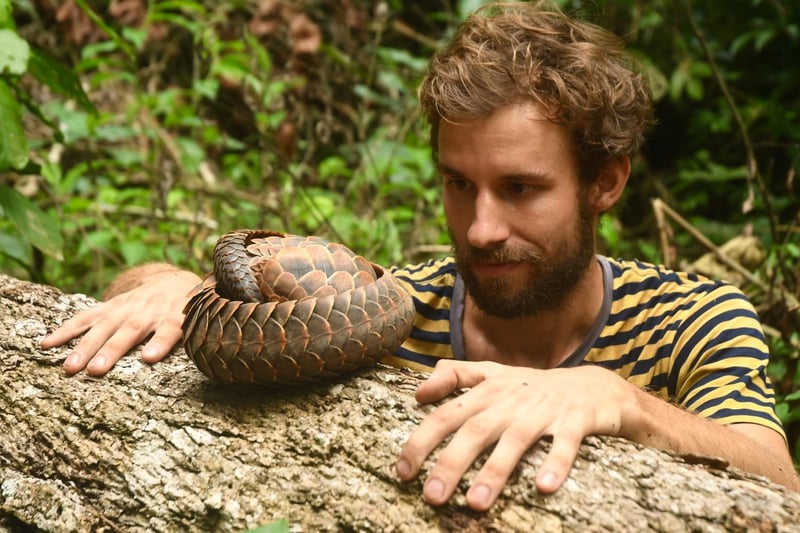
The series was launched by the chemist Hana Macíčková Cahová, who is discovering new chemical structures in RNA. They have an as yet undescribed influence on the processes in our bodies. Hana Macíčková Cahová comes from Zlín and heads a research group at the Institute of Organic Chemistry and Biochemistry of the Czech Academy of Sciences. She studied organic chemistry at the University of Chemistry and Technology in Prague, and from 2010 to 2013 worked as a postdoctoral researcher at the University of Heidelberg, where she won the renowned Alexander von Humboldt fellowship and published in one of the most prestigious scientific journals, Nature.
RNA is far more interesting than DNA, it just isn't taught.
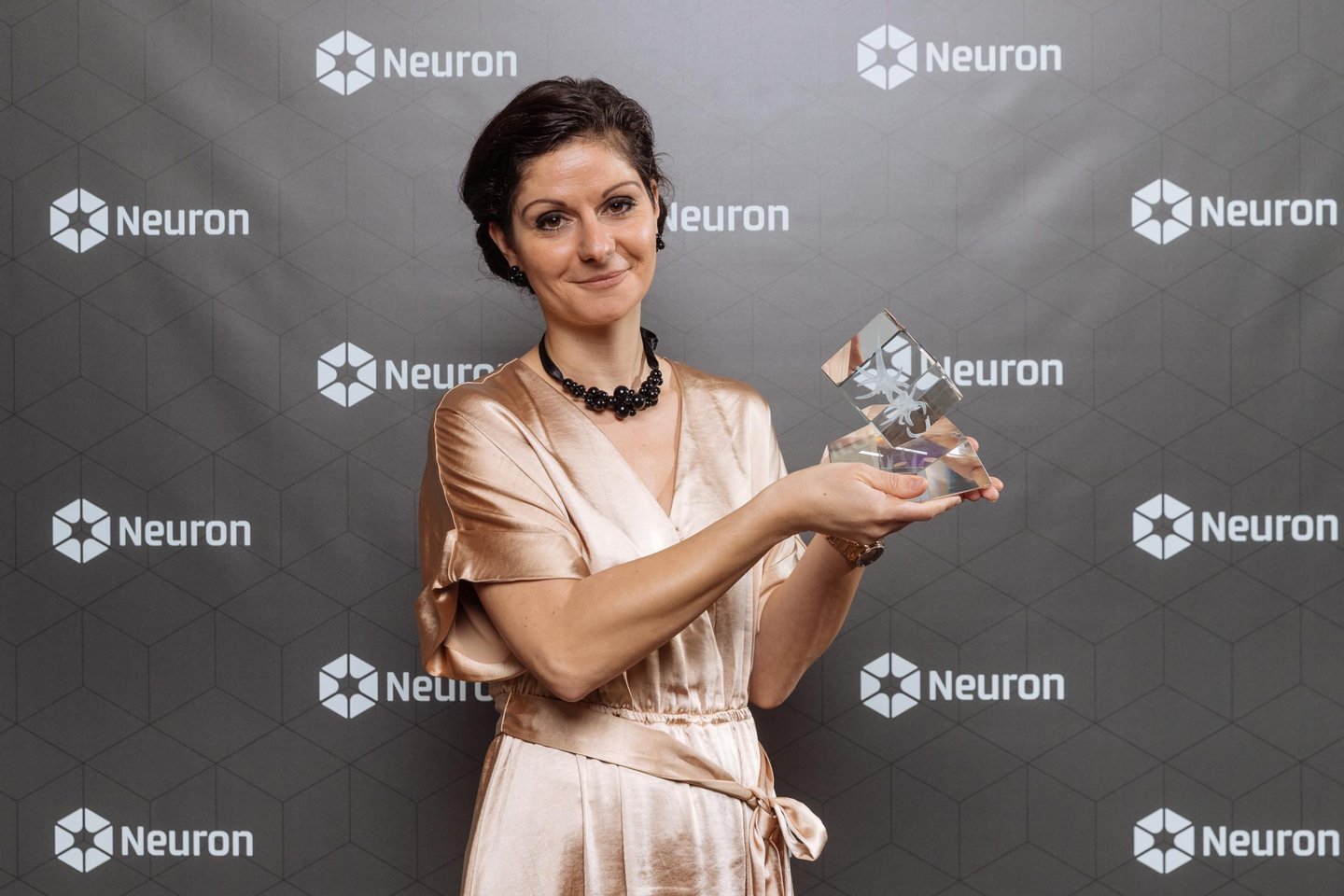
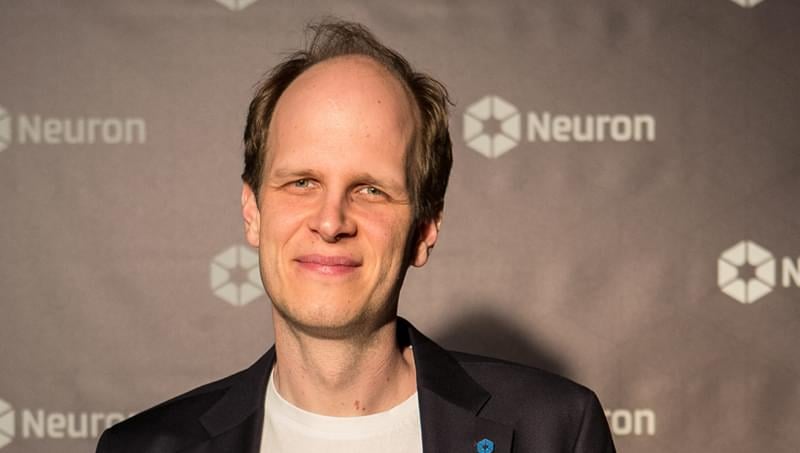
Michal Šimíček left Cambridge in order to lead a top research team in Ostrava. He received the 2019 Neuron Award for investigating the processes that cause malignant diseases and their drug resistance. Although he was educated and worked for a long time at prestigious institutions abroad in Belgium, London and Cambridge, he did not hesitate to return to his native Ostrava to get a top-class research centre going there, where he is developing a unique cell therapy technology for treating cancer.
Ostrava has long since stopped being the black heart of the country.
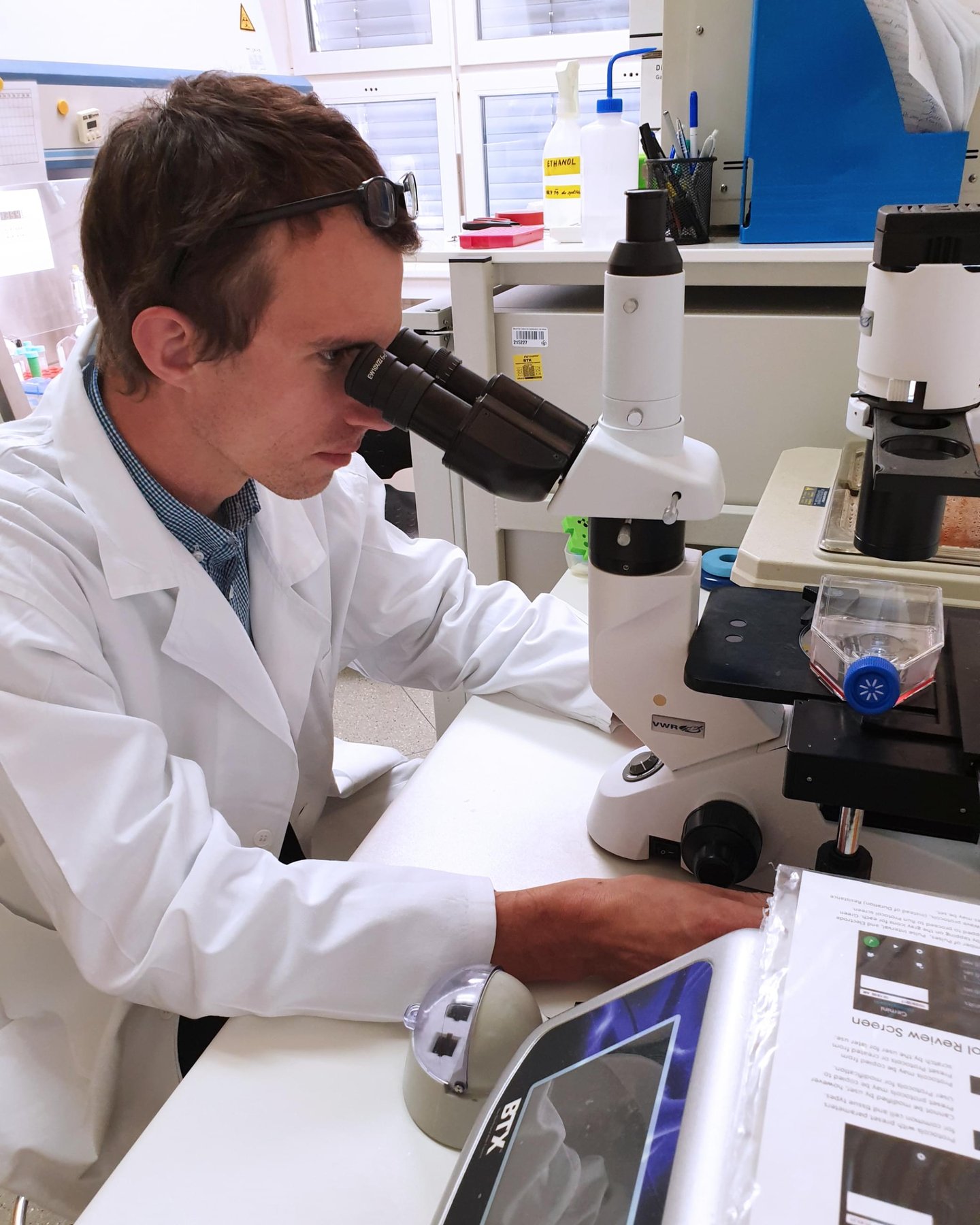
The astrophysicist Aleš Pejcha received the Neuron Award for enriching our knowledge of the behaviour of supernovae and of other deaths and transformations of stars. He completed his doctoral studies at Ohio State University, after which he became a postdoctoral researcher at the famous Princeton University. There he managed to win a NASA fellowship for research into the interaction of binary stars.
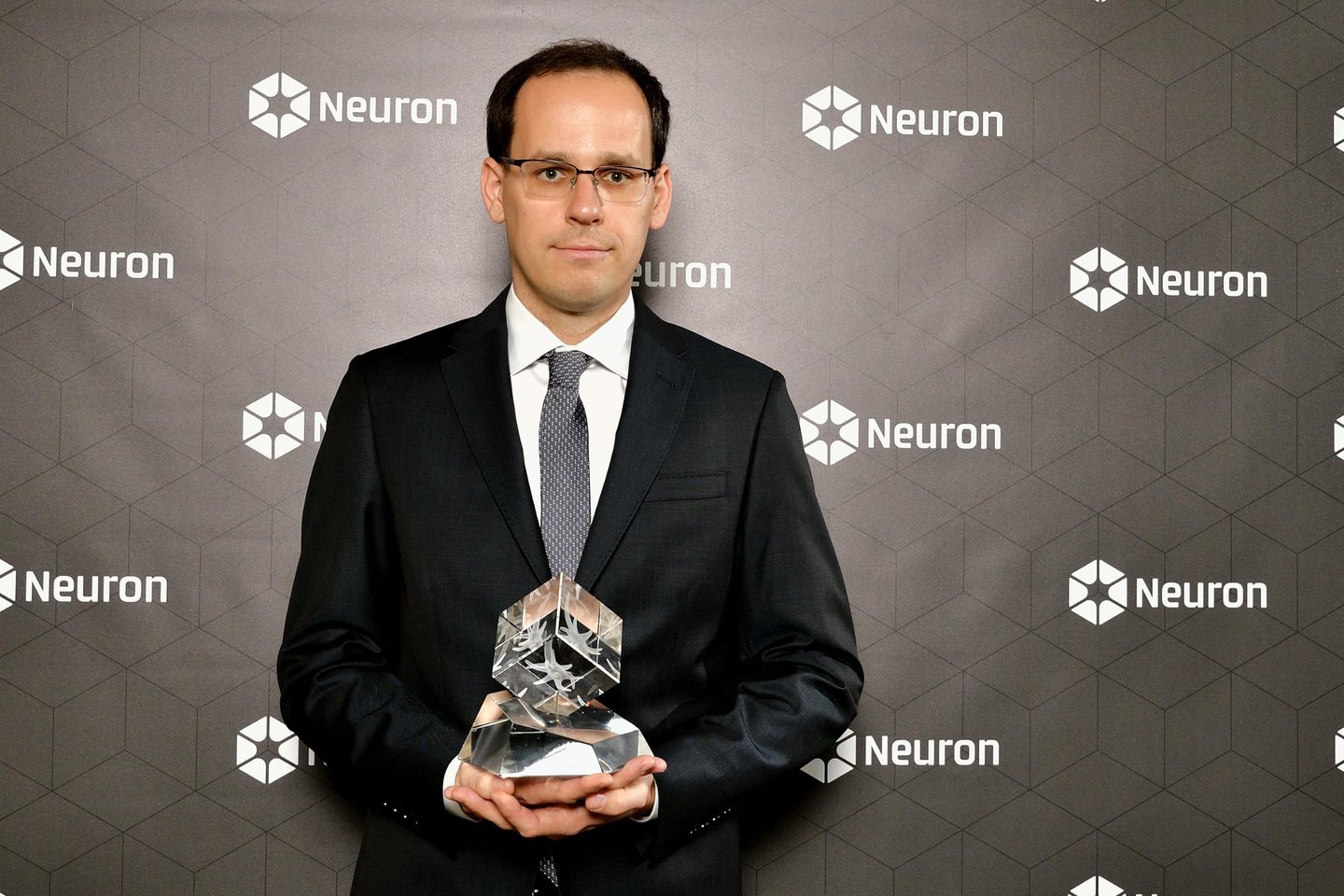
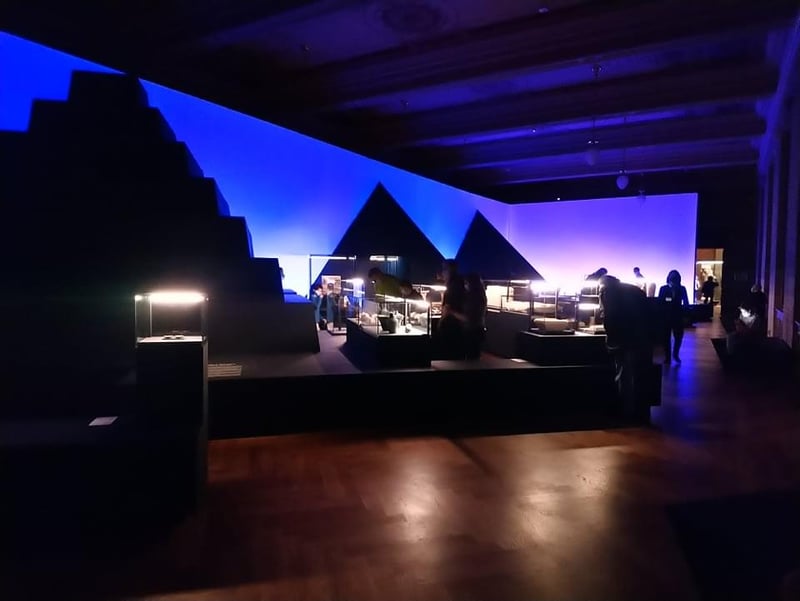
The historian Petr Koura specialises in Czech political and cultural history of the 20th century, the history of the Protectorate of Bohemia and Moravia, the culture of remembrance and films on historical themes. Thanks to the readers of Aktuálně.cz, who demonstrated broad historical knowledge, an interesting excursion into Czech history of the 20th century came about.
Sometimes it even frightens me how many parallels with the past I see in the Czech Republic today.
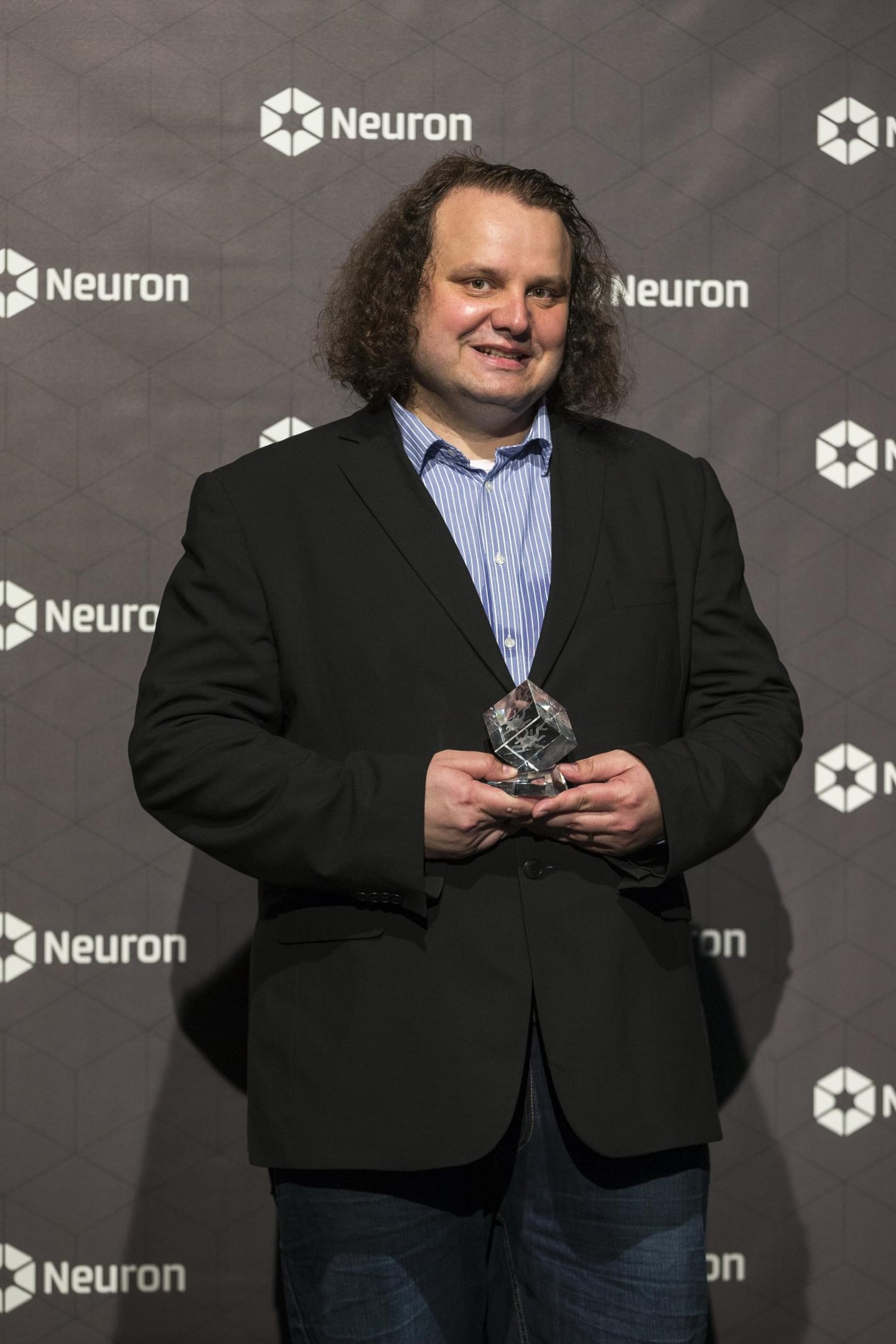
Daniel Sýkora was the last of the scientists in the Ask the scientists series. Professor Sýkora teaches computers to paint. He took part, for instance, in converting the film The Lion King to 3D, and he coloured the black-and-white stories of Rumcajs the Robber. He has worked in Hollywood and for such giants as The Walt Disney Studio and Adobe Research.
I've had to turn down further offers from Hollywood, I can't keep up.