Czech scientists are saving the African wilderness
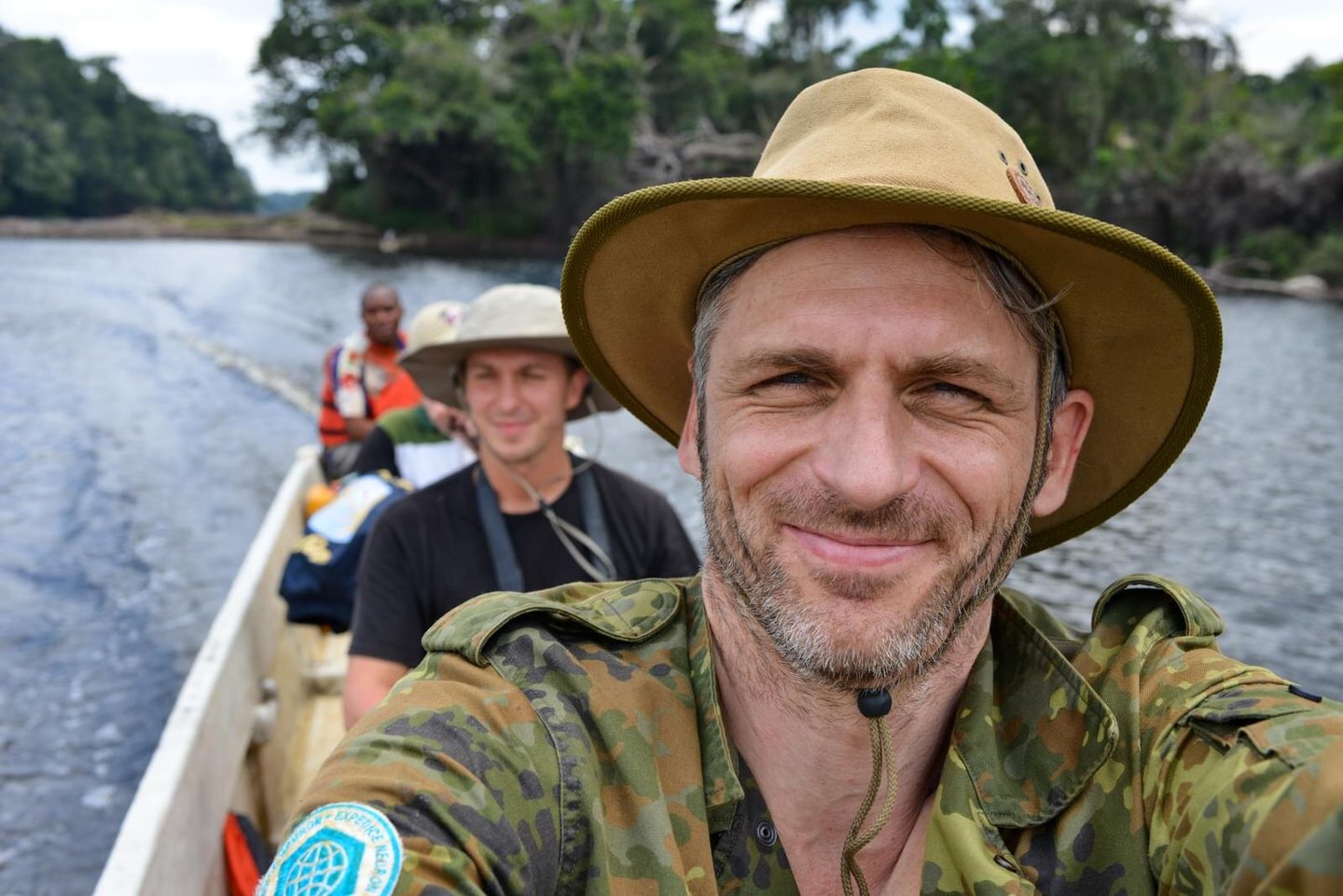
A team of Czech scientists led by the zoologists Arthur Sniegon and Tomáš Jůnek, who set out to study the little-mapped rainforests of Congo, reports its first successes. In the course of a single year, the Neuron Expedition Dzamba ya lobi managed not only to explore hitherto unstudied areas of the African rainforest and the lives of their animal inhabitants, but also to establish crucial cooperation with local authorities and the World Wide Fund for Nature. Next year you can also look forward to a documentary film from the expedition.
A team of Czech scientists led by the zoologists Arthur Sniegon and Tomáš Jůnek, who set out to study the little-mapped rainforests of Congo, reports its first successes. In the course of a single year, the Neuron Expedition Dzamba ya lobi managed not only to explore hitherto unstudied areas of the African rainforest and the lives of their animal inhabitants, but also to establish crucial cooperation with local authorities and the World Wide Fund for Nature. Next year you can also look forward to a documentary film from the expedition by the director Michal Varga.
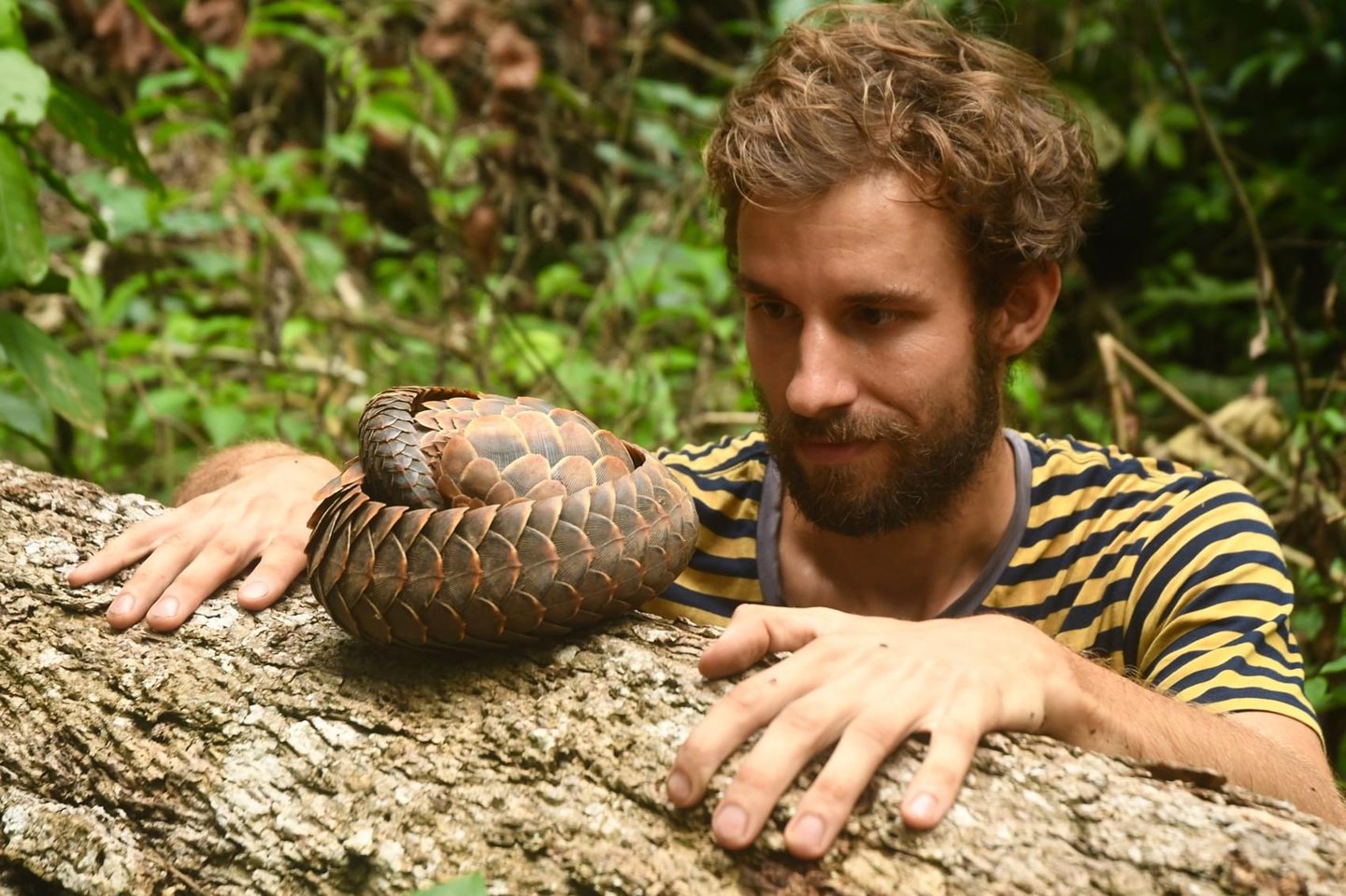
Dzamba ya lobi means "the rainforest of tomorrow". But if African rainforests are really to live to see tomorrow, a dialogue has to be established between the local government, the loggers of multinational corporations, the local population and the authorities, and also with the global organisations active in these areas. And that is exactly what the team of Arthur Sniegon (Save Elephants) and Tomáš Jůnek (Faculty of Environmental Sciences, Czech University of Life Sciences Prague) achieved during the expedition, which the Neuron Foundation supported with almost a million crowns. "The Neuron Expeditions support Czech scientists in field research all over the world. The aim of the Dzamba ya lobi expedition was to map endangered populations of elephants, gorillas and other large mammals in protected and unprotected areas, to check the state of biocorridors, to specify the threats to the local environment and population and to monitor illegal activities. We are pleased that the expedition's results will contribute to more effective nature protection in Congo," says Monika Vondráková, Neuron Founder.
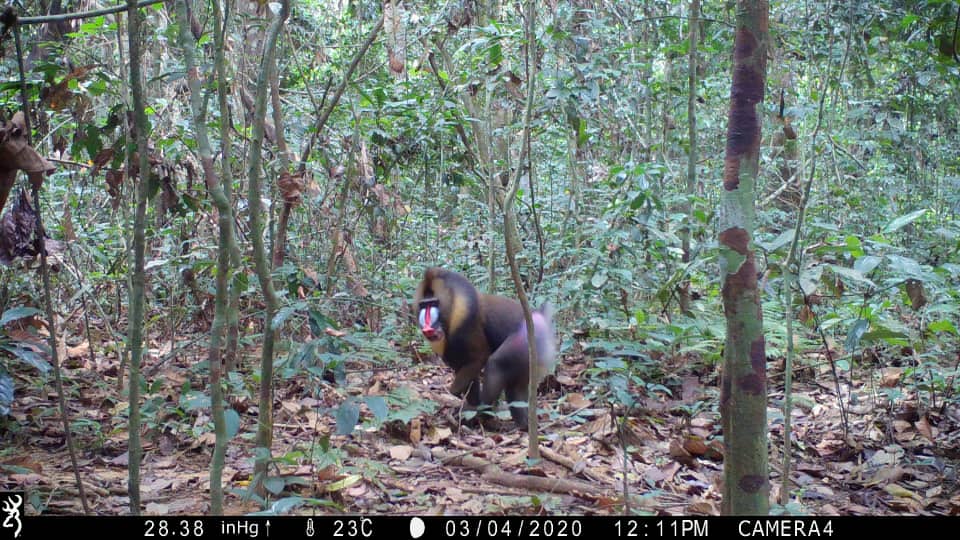
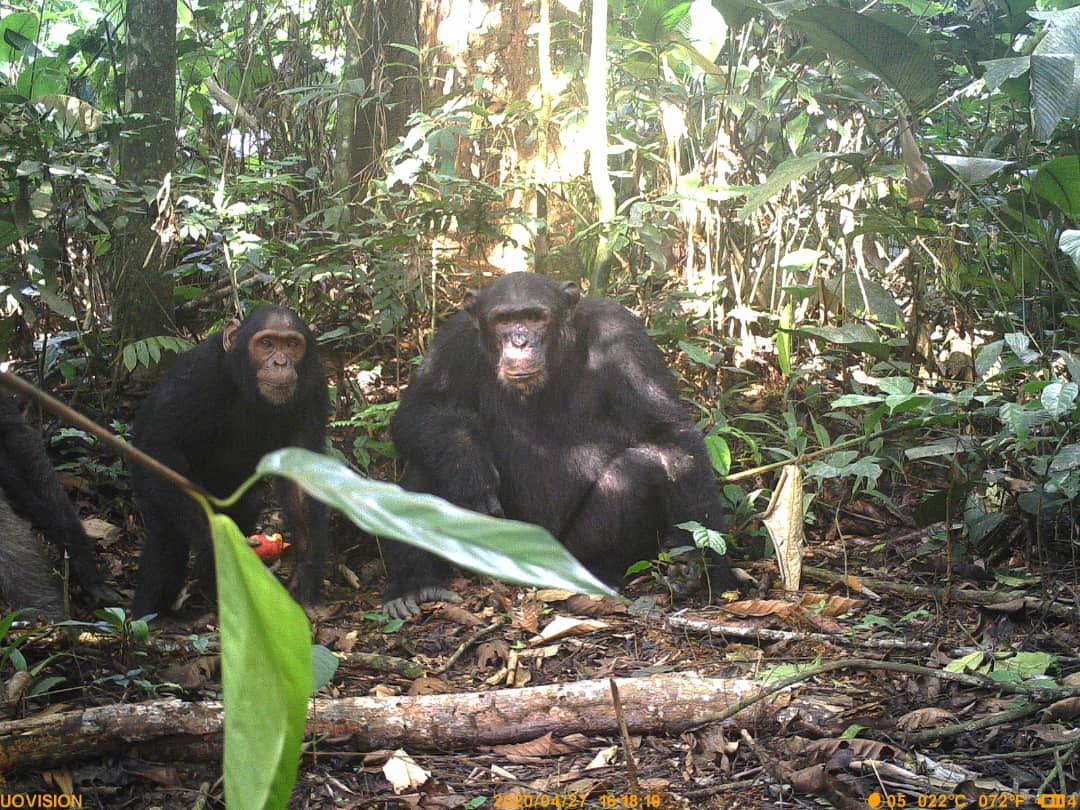
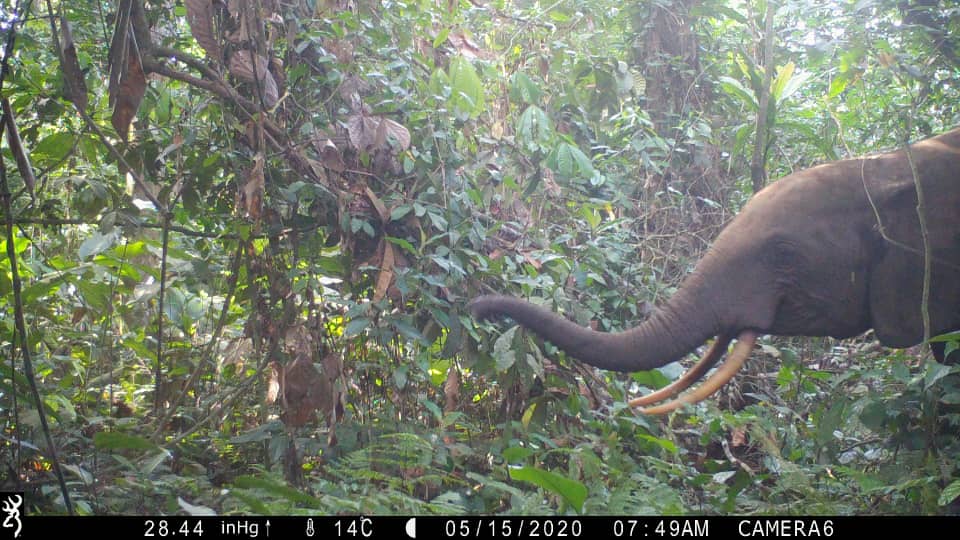
The researchers were surprised by relatively frequent sightings of pangolins, but also of mandrills and chimpanzees, on camera traps, and they additionally explored a periodically flooded rainforest. "The expedition team succeeded in three main areas: concluding a strategic partnership with the World Wide Fund for Nature (WWF), taking 16,628 photographs and videos of mammals and poachers from four dozen camera traps, and gaining more detailed knowledge about populations of rare pangolins and about the problem of hunting them and of bushmeat markets in general," Arthur Sniegon says of the expedition's success.
Part of the Neuron Expedition was also the monitoring of illegal activities such as poaching and the subsequent sale of meat at bushmeat markets in Congo. "So the expedition often had a detective plot too, when we searched for illegal products (pangolin scales, for instance) at markets or with local dealers, and recorded illegal activities that threaten protected species," Sniegon adds, along with the alarming information that unless we now work intensively on protecting the Congolese rainforests, there is a risk that by 2100 there will be nothing left to save, because this, the world's second largest rainforest, will have disappeared.
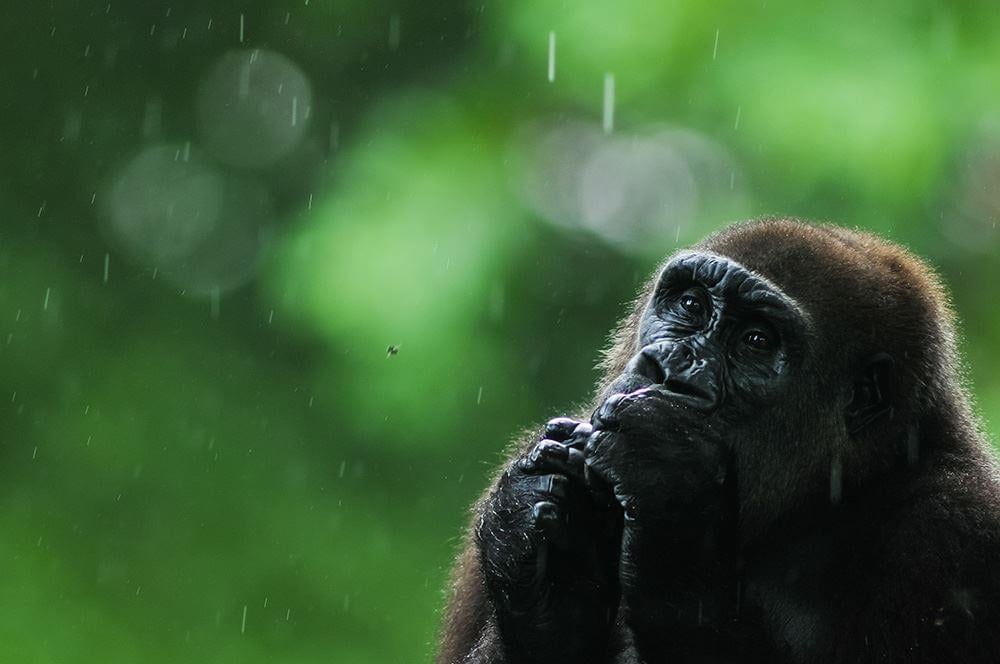
"A successful conservation strategy requires not only establishing a dialogue with local actors, but also having enough reliable data, which we scientists often lack. We filled that gap during the Neuron Expedition, placing dozens of camera traps at various sites in Congo. The subsequent analysis of systematic monitoring has the ambition of ultimately improving nature protection and, ideally, of supporting the preservation of corridors for wild animals between protected areas — but that depends on effective cooperation with other players in the area," says the zoologist Tomáš Jůnek.
In some cases the photographic material obtained is the very first direct evidence that the species in question occurs in the area. Besides detecting several groups of entirely wild gorillas, the researchers also managed to document more thoroughly a group of semi-habituated gorillas in the Odzala-Kokoua National Park, which an international team of primatologists has been following for more than three years. Research on this troop is essential for an ecotourism programme now taking shape. The camera trap records will become part of the global Wildlife Insights platform, which uses millions of records to evaluate biodiversity trends across all the tropical regions of the world. The current coronavirus crisis brings a new challenge for nature protection; the Expedition is responding to it and, together with its partners, is preparing new ways of collecting data and new sources of funding for further work.
The Neuron Expedition Dzamba ya lobi is also giving rise to a documentary film by the director Michal Varga and the cameraman Michal Gálik, which people will be able to look forward to at lectures and, hopefully, on screen. Watch the trailer for the forthcoming documentary, which is currently looking for further sponsors to complete it.
The Neuron Expedition in numbers
Camera traps installed during the Neuron Expedition: 40
Photographs taken: 16,628 during the research itself (March – May)
Animal species captured: 23 mammals, poachers, an unspecified number of birds
Sites studied in Congo: approximately 10 sites
Significant local contacts: 4 – WWF Congo, WWF Cameroon, the Consulate of the Czech Republic in Congo, the Chief Forest Inspectorate of Congo
Person-days spent working in the field*: 280 person-days
* Does not include other costs such as preparation, logistics and so on.
Did the story of the Neuron Expedition Dzamba ya lobi interest you? Watch the Czech Television report [starts at 56:07] or read the interview for iHned.cz.