Neuron and IOCB Tech have helped five Ukrainian women scientists
The Neuron Foundation and IOCB Tech grant has its first recipients. We have not only paid the Ukrainian scientists a financial contribution of CZK 200,000 towards the costs of setting up a base in the Czech Republic, but thanks to the solidarity of Czech scientists we have also helped them find employment.
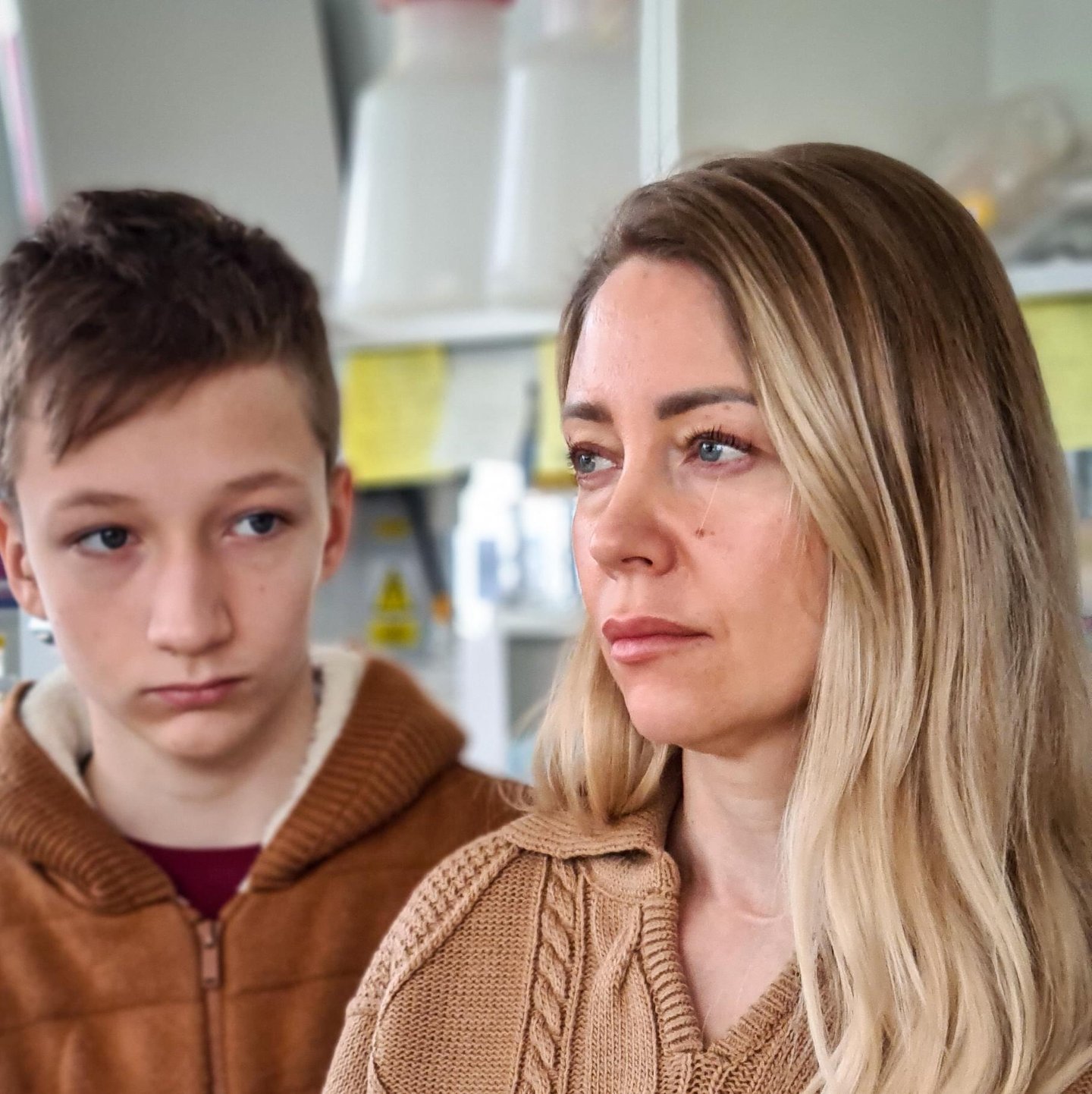
Viktoriya Levytska with her son Nikolas
A parasitologist heads for České Budějovice
With the support of our grant, Viktoriya Levytska is joining the Biology Centre of the Czech Academy of Sciences. She is a specialist in tick-borne diseases, PCR and other methods of molecular parasitology, so her new refuge is the Laboratory of Molecular Biology of Ticks at the Institute of Parasitology. Support and temporary accommodation were offered to her by colleagues from the Biology Centre, who also helped her obtain the Neuron grant. Great credit for the success of the whole effort goes to Prof. Julius Lukeš, a member of the Neuron Foundation's scientific council for biology.
The scientist arrived in České Budějovice with her son on Saturday 5 March. "My husband, my parents and our two cats stayed in Ukraine; it was a hard decision. Our town was quite safe, because it is in the south-west of Ukraine, but after three days of sirens sounding and having to go to the bomb shelter, we decided to leave Ukraine. I left with my son; the journey by car took two and a half days and we went through five countries," Viktoriya Levytska says.
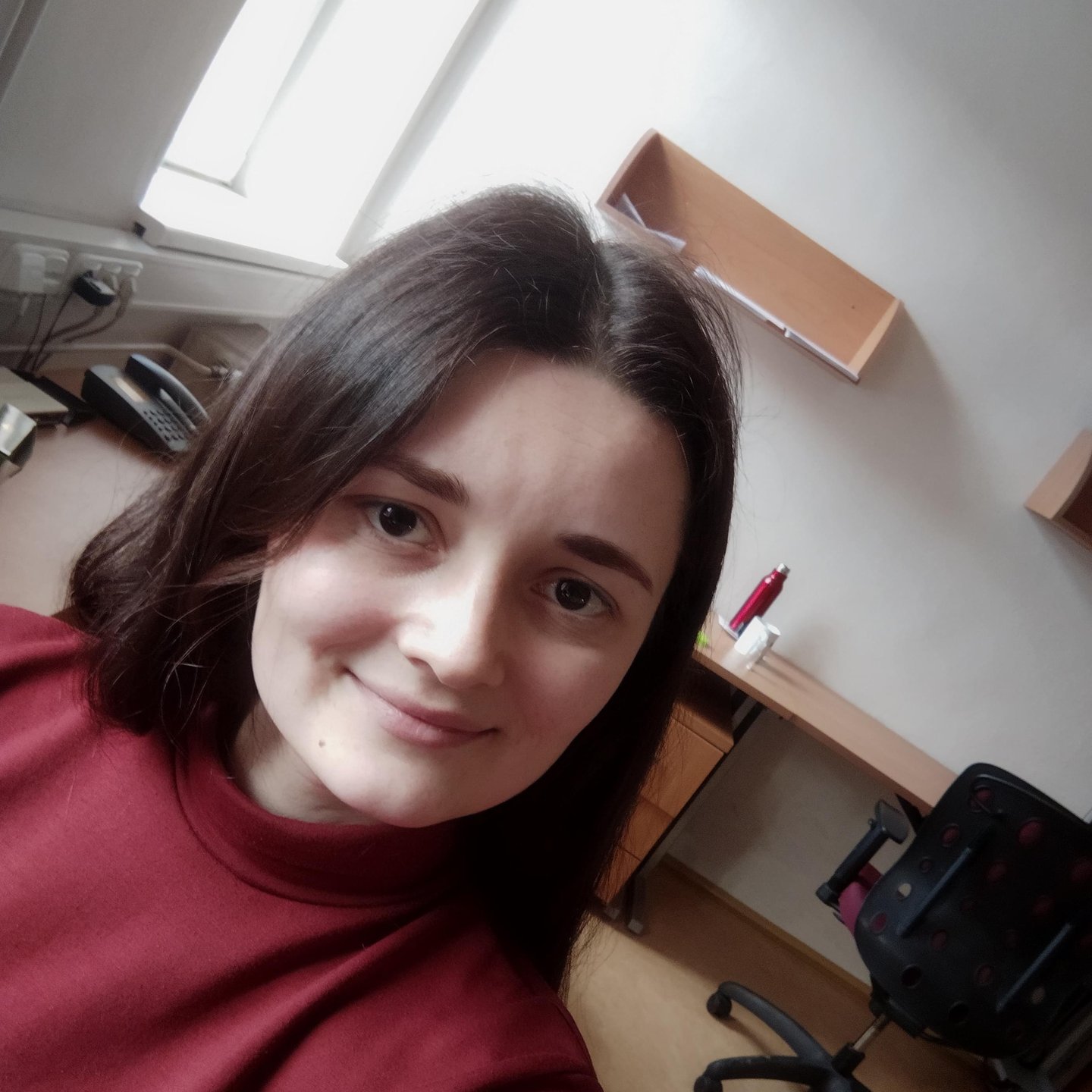
Olena Atlasiuk
Work for a mathematician from the Ukrainian academy
Olena Atlasiuk learned about our grant while travelling from Ukraine to Poland, but first she needed to obtain employment at a Czech research institution. With the help of the Neuron Foundation scientific council guarantor Martin Markl and in cooperation with Tomáš Vejchodský, director of the Institute of Mathematics of the Czech Academy of Sciences, a post was secured for her at that institution.
In Ukraine Olena Atlasiuk worked at the country's academy of sciences; two years ago she defended a dissertation on "One-dimensional Fredholm boundary-value problems with a parameter", and she has spoken at many conferences across Europe, including in 2019 and 2021 at the Summer School of Geometry and Topology held by the University of Hradec Králové.
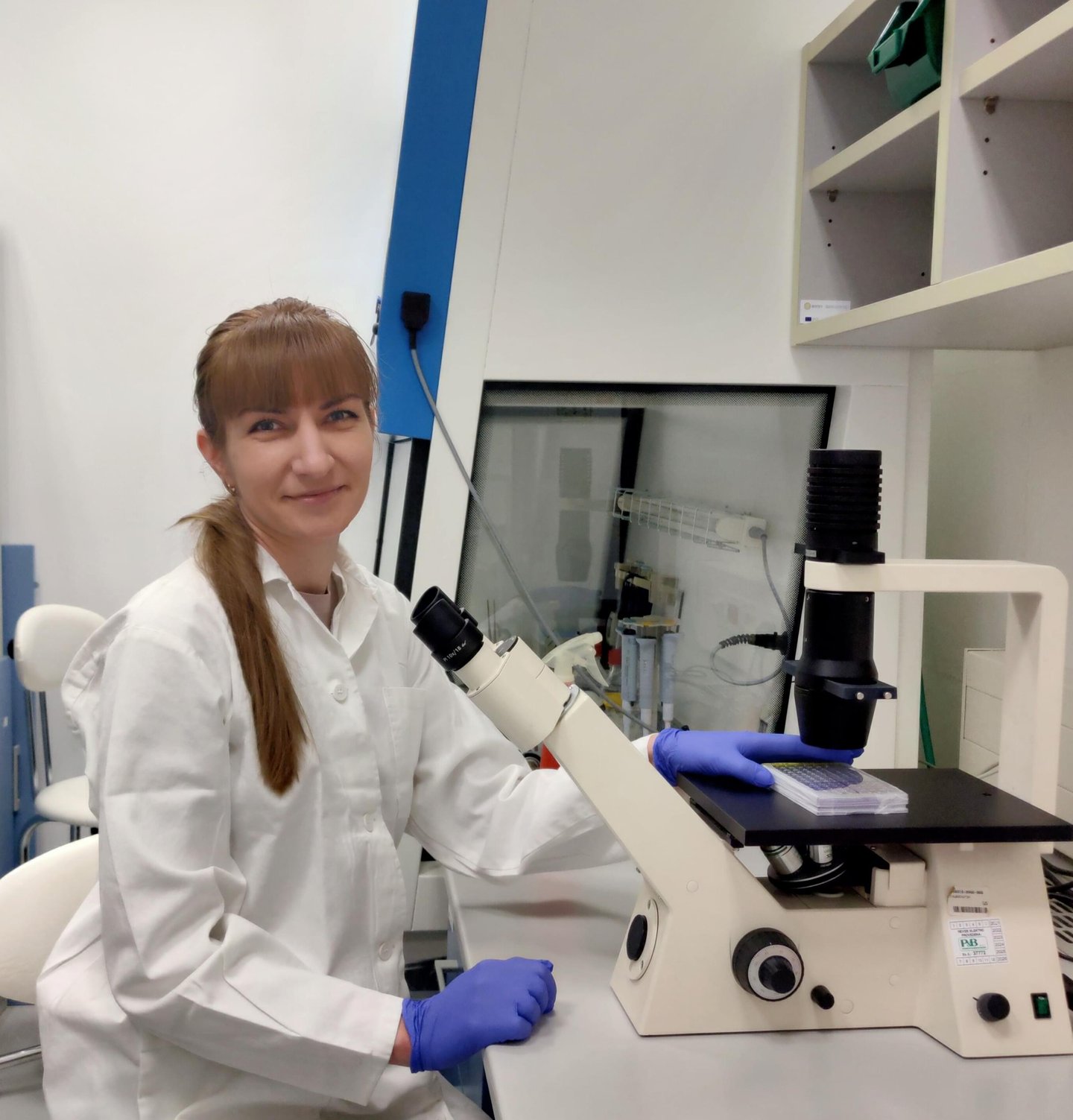
Olena Rohulska
A stem cell specialist will help the academy
On 15 March Olena Rohulska became a new employee of the Institute of Physiology of the Czech Academy of Sciences. From Ukraine she brings valuable experience in using stem cells for tissue engineering, wound healing and other areas of regenerative medicine, and she has mastered methods of long-term cryopreservation of these cells.
At the Department of Biomaterials and Tissue Engineering and at the newly built biotechnology and biomedical centre BIOCEV she will build on her successful work in Ukraine: Olena Rohulska is the author of a number of high-quality publications (h-index 8) and the holder of Ukrainian scientific awards.
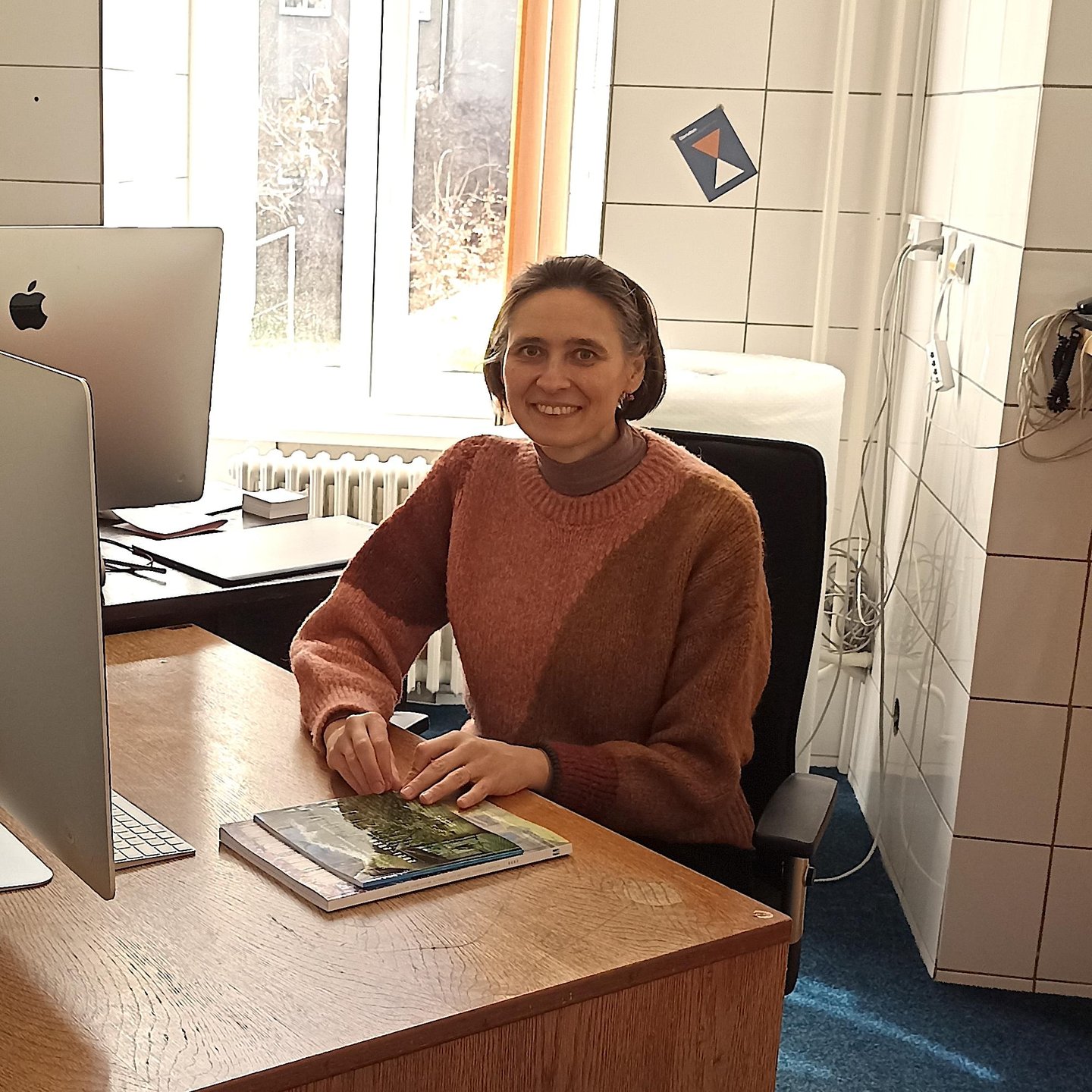
Mariya Horyacha
Research on the history of the Eastern church continues in Brno
Mariya Horyacha is a researcher in early Christianity, working on its history with a focus on Ukraine, on Eastern spirituality and on the Orthodox churches. She gained her doctorate at the Catholic University of Leuven with the thesis "The way within the heart: The dynamic anthropology of Pseudo-Macarius", and worked at the Faculty of Theology of the Ukrainian Catholic University in Lviv. Today she has found refuge at the Faculty of Arts of Masaryk University in the Centre for Early Medieval Studies.
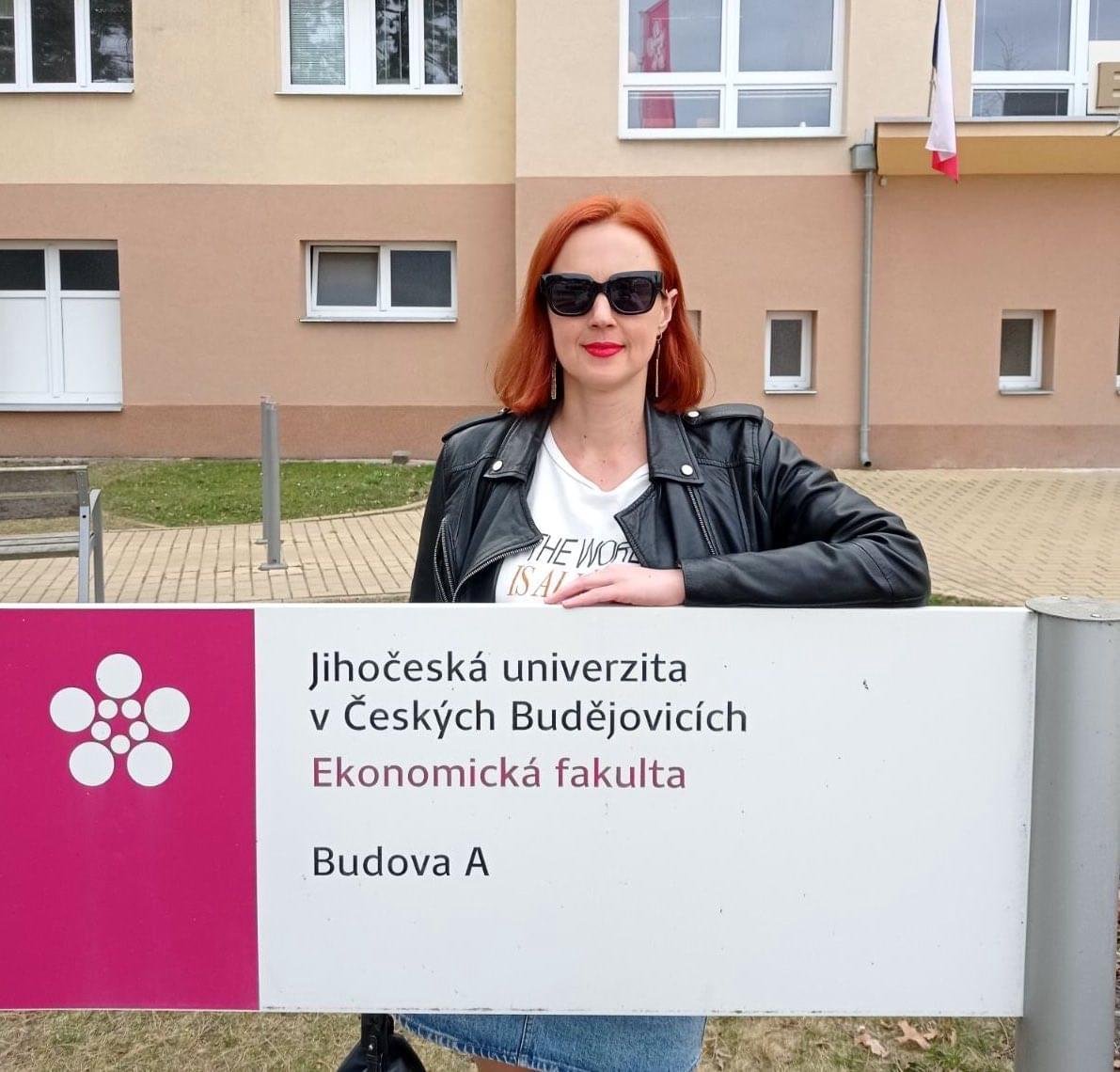
Viktoriya Kulyk
An economist has gained a position in České Budějovice
Her alma mater and later workplace was the university in the Poltava region, one of the oldest educational institutions in that area. In peacetime over 9,000 students studied there, and Viktoriya Kulyk was professor of economics in the department of accounting and economic control. The war forced her to leave Ukraine and she found help in academia in České Budějovice. The University of South Bohemia employed her at the Faculty of Economics, where she can continue her work. "Professor Kulyk had already worked at our faculty and was a guest here under a Visegrad Fund grant in 2015–2016. Our working and personal experience of her is the best possible," the faculty's dean adds regarding the grant Viktoriya Kulyk received from IOCB Tech and the Neuron Foundation.