We want to find out how life on glaciers works
25 August 2022
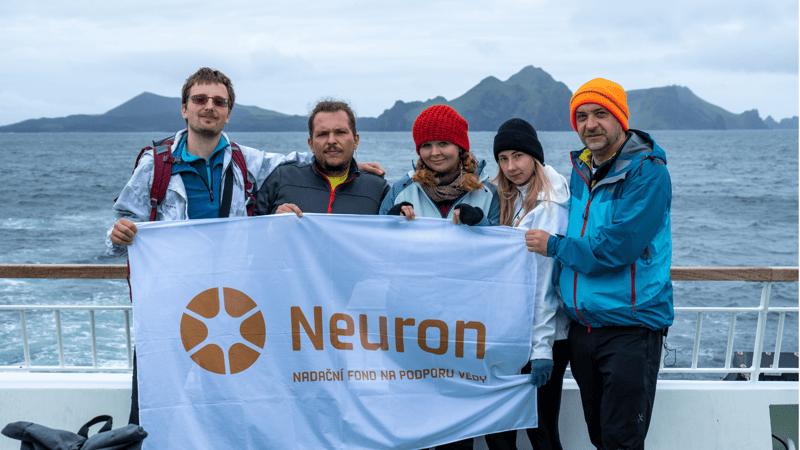
"Glaciers have their own biosystem, and we are studying how life in the ice on Svalbard differs from a glacier in equatorial Africa," says Marie Šabacká. Together with Jan Lukačevič she was a guest of Petr Horký, presenting the results so far of the Neuron Expedition In Search of Tropical Glaciers.
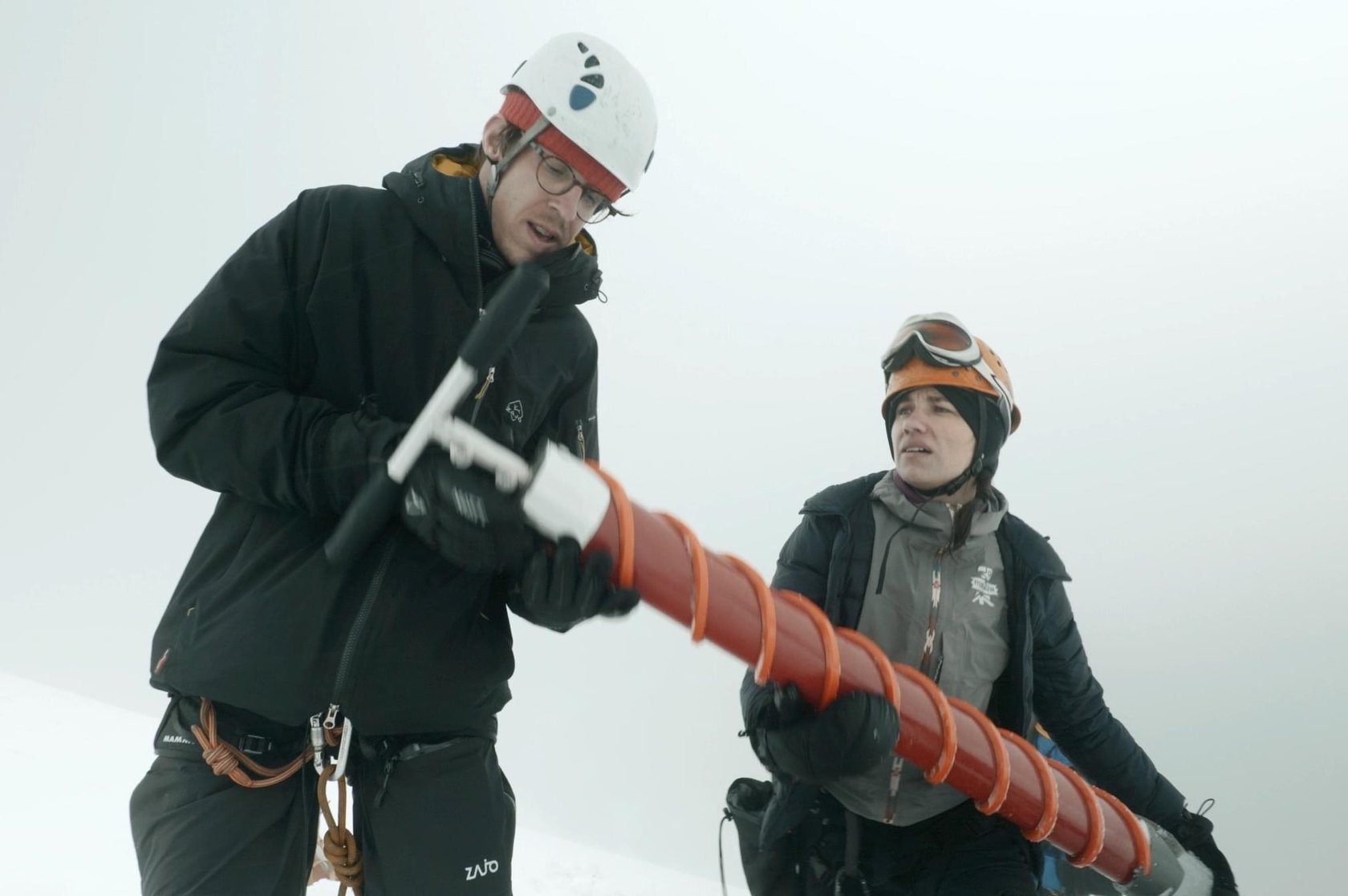
"Glaciers have their own biosystem, and we are studying how life in the ice on Svalbard differs from a glacier in equatorial Africa," says Marie Šabacká. Together with Jan Lukačevič she was a guest of Petr Horký, presenting the results so far of the Neuron Expedition In Search of Tropical Glaciers.
Tropical glaciers will most likely disappear within a few decades, and with them key information about ecology and climate that has been stored in them for thousands of years. Although ours is the last generation that can study them, we do not know even the basic outlines of their ecology. The winning Neuron Expedition project set out to fill that gap with a first trip to Svalbard in 2018 and then, in the summer of 2022, to Uganda.
The aim of the expedition is to describe the hitherto unknown diversity and productivity of the African glaciers of the Rwenzori Mountains in Uganda. By comparing them with temperate glaciers (Norway, the Alps) and polar glaciers (Svalbard), we will find out whether tropical glaciers are merely the southernmost outposts of extensive polar ecosystems, or whether they host entirely unique and isolated communities.