A Czech student on an internship contributed to research helping paralysed people walk again
The development of artificial intelligence can help in medicine too — for instance in helping paralysed people walk again. The Swiss laboratory .NeuroRestore is working on implants that use AI to give patients back control of their limbs. The Czech student Martin Picek has now completed a six-month internship in Lausanne thanks to Neuron.
Spinal injury and the loss of mobility is often considered an irreversible condition. The .NeuroRestore team is trying to change that. It is currently working on an implant intended to help restore the interrupted signals between the spinal cord and the brain and thereby give patients back the ability to move. It was to the laboratories of this Swiss institution that the bioinformatics student Martin Picek travelled for six months, thanks to a Neuron Foundation internship.
How does it actually work?
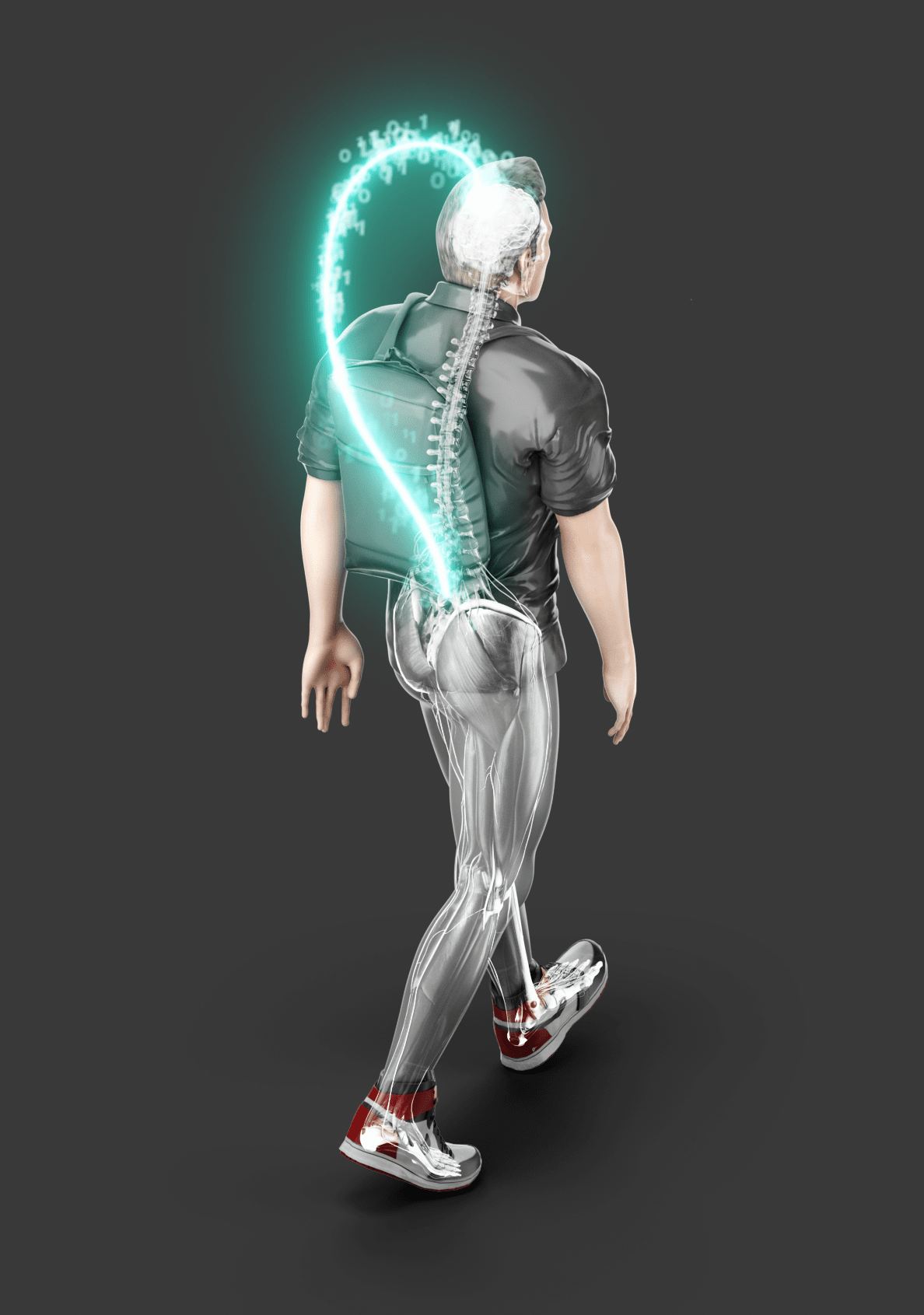
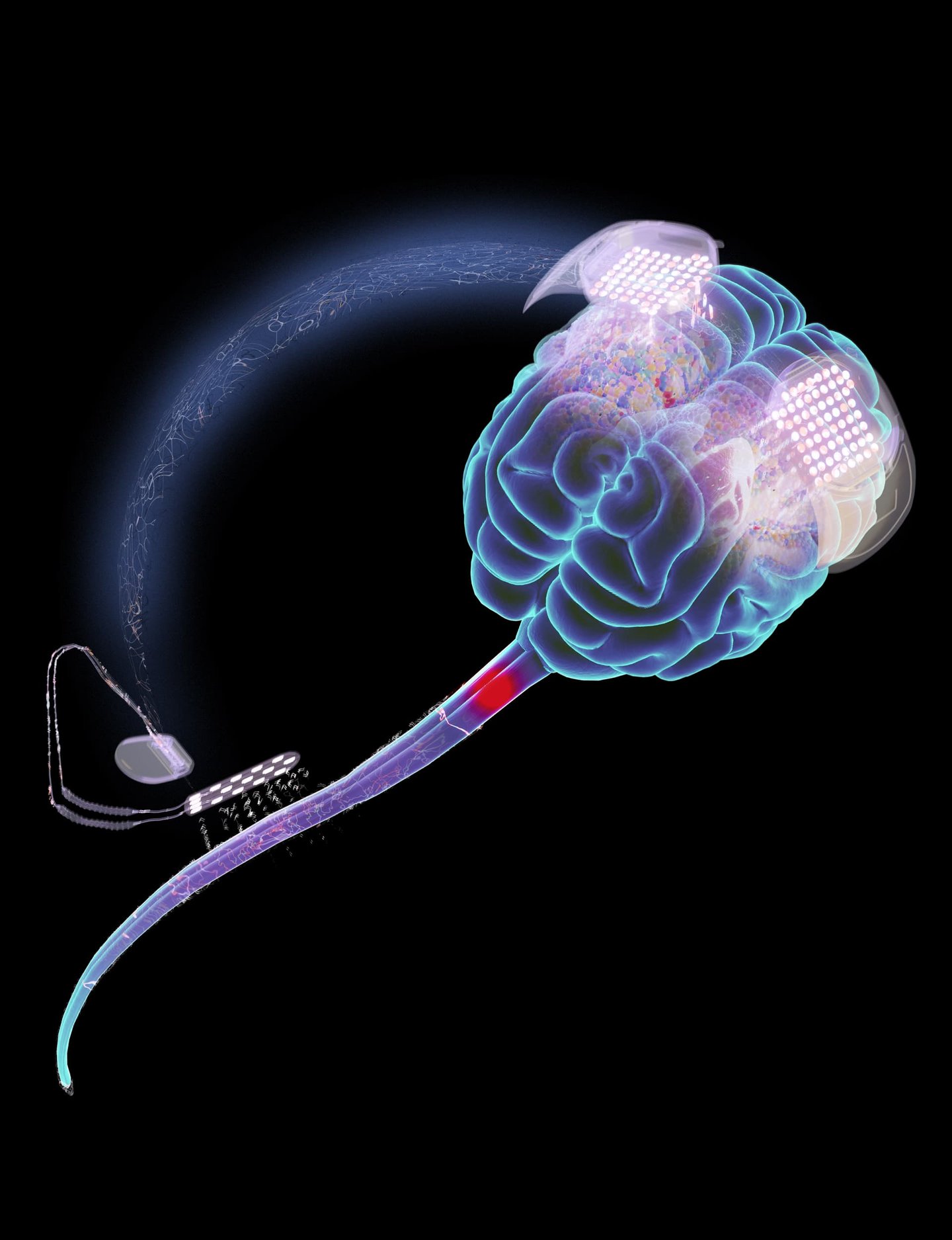
"An implant is inserted into the spinal cord that stimulates and activates the nerves leading to the muscles," Martin explains of the innovative research. At first patients controlled their movements using two buttons representing the left and right leg. According to the latest studies, however, it is enough for them merely to think about the movement. "Implants are now placed in the brain as well. The signals make it possible to determine what movement the patient wants to make and, on that basis, to send stimulation to the spinal cord," he adds. Thanks to this technology, patients are able to move on their own with the help of crutches or a walking frame.
Developing neurotechnologies of this kind requires processing an enormous amount of complex data, and that is exactly what Martin Picek helped with in Switzerland. Together with the team he processed and decoded signals from the implants so that they could later design, program and train an entire neural network capable of estimating the patient's intended movements as accurately as possible.
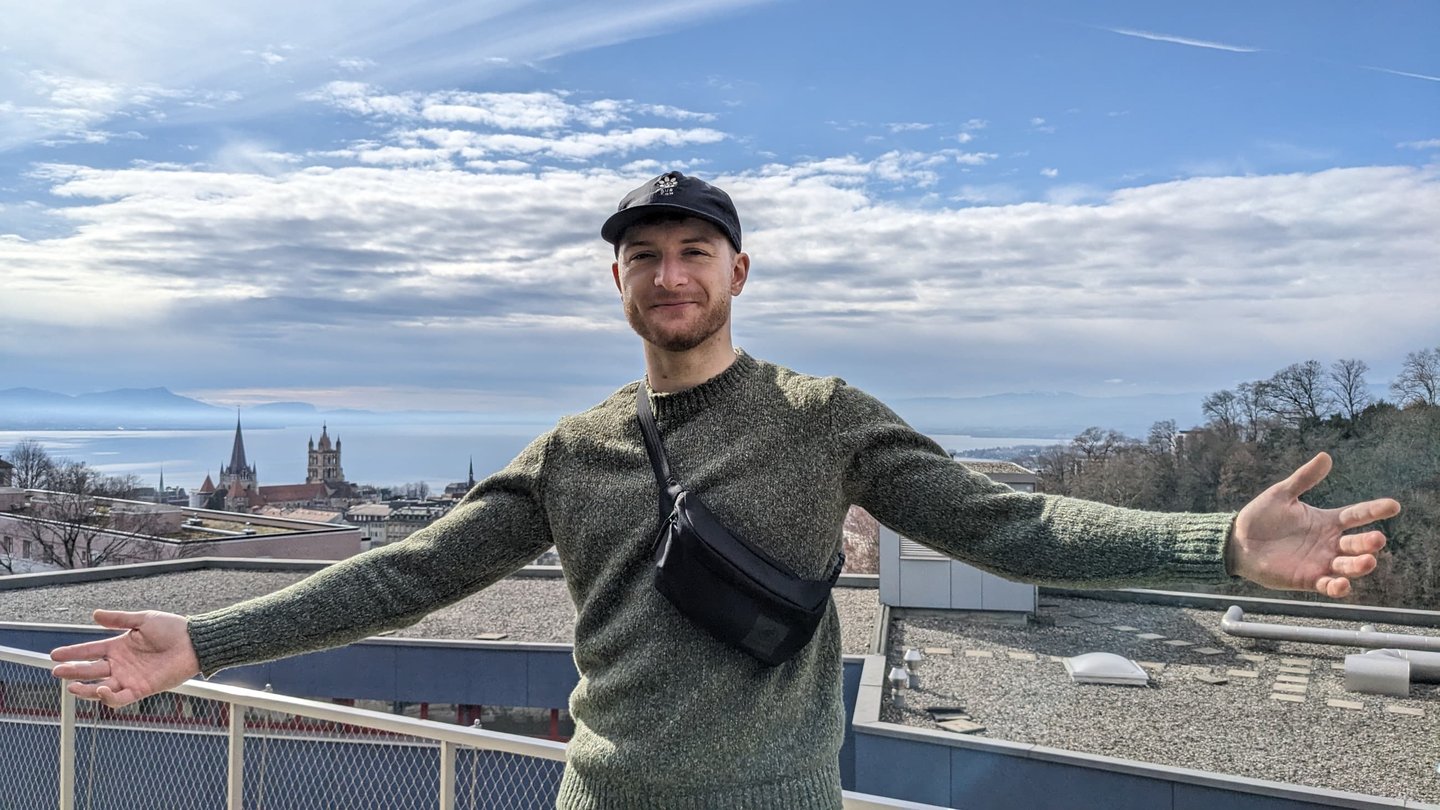
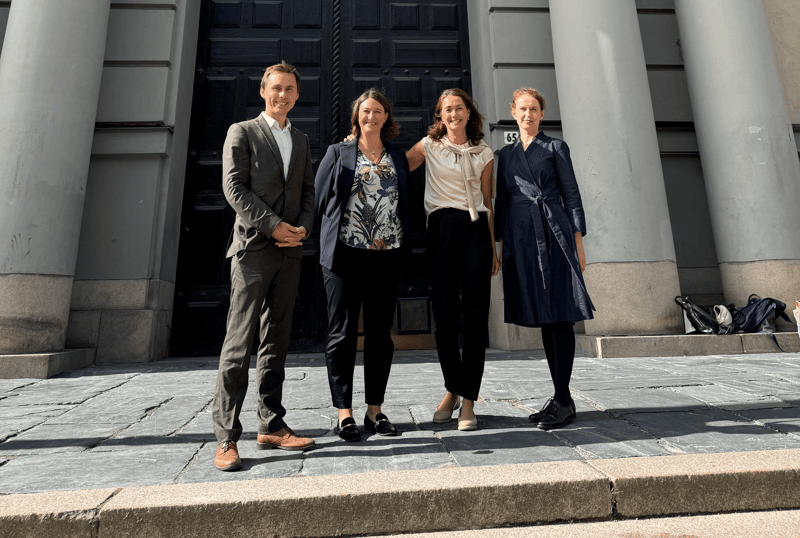
"We are delighted that we were able to arrange an internship for Martin at such a prestigious institution. We see a great future in the .NeuroRestore project and it is wonderful that we are able to let Czech students draw inspiration and gain valuable experience in this area," says the co-founder and director of the Neuron Foundation Monika Vondráková.
"It is fascinating to contribute to creating these devices, which push the boundaries of humanity a step further. Seeing a patient our research has helped is a wonderful feeling," says Martin. The internship gave him a great deal. "The internship showed me completely new ways of helping people directly through technology. I think that's great. You can literally develop technologies that have an impact and change individual people's lives. It gave me a direction," he adds.
Practical experience while still at university
What would he recommend to other students interested in science? "Once you get to university, say, I think it is important to do internships — even if your studies don't require them," he says of his own experience. "My studies didn't require any internship and I don't know how common it is in the Czech Republic. It seems to me that in technical fields it is almost unheard of. In Switzerland it is completely normal; there you have two compulsory internships during a master's degree. And I originally went to Switzerland purely out of my own interest. I didn't go because I needed it for my studies. So I think going on some internship and seeing how things are done somewhere means you get to try the work out."
The main thing, according to Martin, is to stay proactive. "I think scientists generally have plenty of ideas about what could be done. What they don't have is students to do it. So they will often be glad of the people, but they don't have time to write individual advertisements. The best thing is simply to send an email," he sums up.
And where, for Martin, does the beauty of science lie? "Science is beautiful in that you have relative freedom and can do the things that interest you and that seem important to you. And that you are discovering something nobody has done before. That's great."