Science is a team sport and the pandemic showed how necessary cooperation is, says sociologist Lucie Kalousová
What was their year like, what has changed and what lies ahead of them? We invited Neuron Award laureates to our survey — Neuron gives the impulse with the first sentence, the scientists finish the theme.
"Sociology has begun to take more interest in health and health care. Given that population health is my main research field, the increased interest of my sociologist colleagues pleases me," says the sociologist Lucie Kalousová.
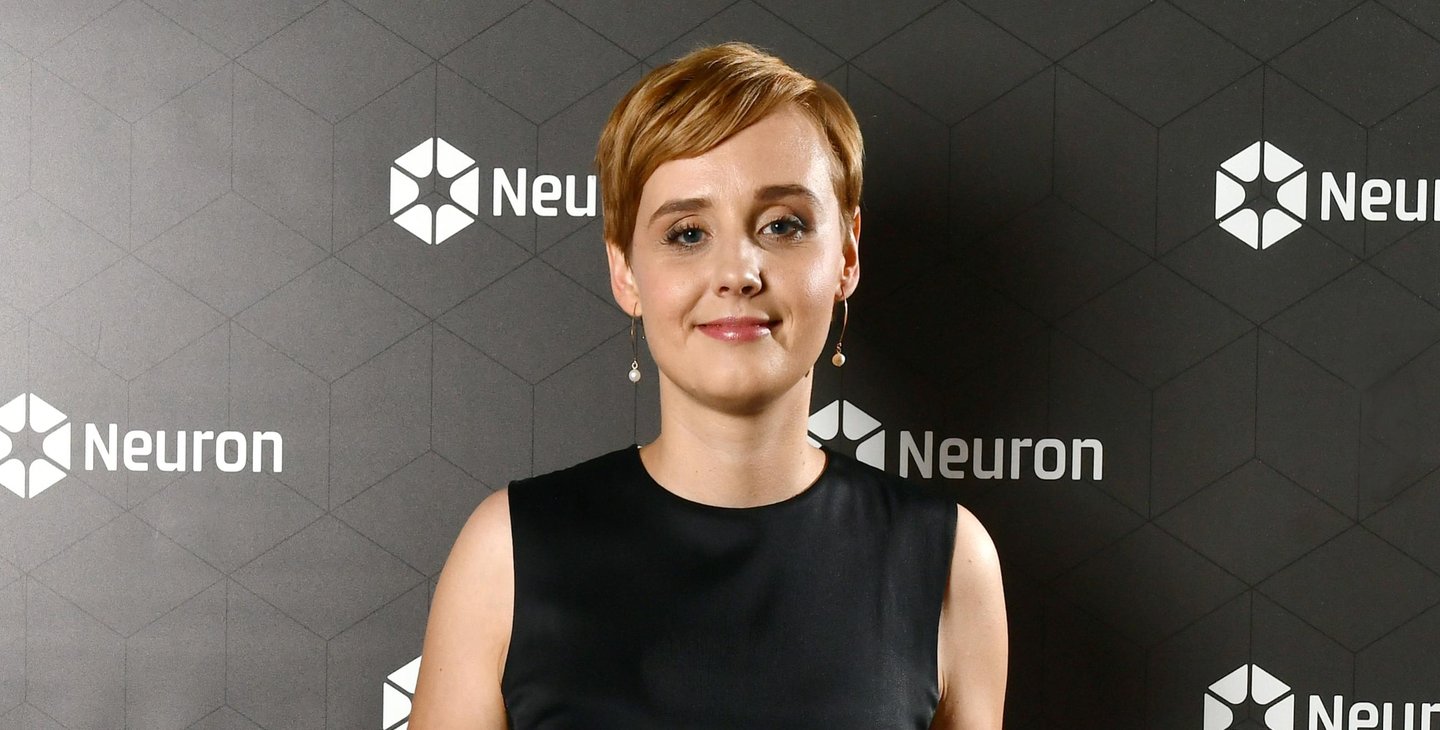
Lucie Kalousová received the 2019 Neuron Award for research into the relationship between social inequality and the health of the population. Our health is influenced not only by health care or genetic disposition but also by factors such as education, income or the neighbourhood we live in. She studies why the relationship between socioeconomic status and health is stronger in some countries and weaker in others, and how such a strong relationship can be prevented. Lucie Kalousová lives in the USA and from the autumn will work at Vanderbilt University in Tennessee.
When I received the Neuron Award, I could not imagine that
it would be the last time I would see the Czech Republic for several years, but that I would nevertheless be lucky enough to be more connected with my Czech colleagues than before, thanks to the boom in online conferences and scientific meetings.
Last year was for me
a year of learning how to teach differently and better. For a great many students the change in the form of teaching meant fundamental changes in their lives. (The Californian university system has been entirely online since March 2020 and will only reopen fully at the end of September.) They lost the support of libraries, accommodation and sometimes their jobs too. To make it possible for them to continue their studies, I adapted my lectures and exams. I also developed a new seminar on the social impacts of the pandemic, which quickly became popular among students. I look forward to the resumption of ordinary teaching, but I will keep some of the pedagogical changes in my lectures.
My field responded to the pandemic by
becoming more publicly engaged in political discussions and debates. Social relationships and the dynamics of social groups, which fundamentally influence the effectiveness of anti-infection measures, are our daily bread as sociologists. Sociology in general has also begun to take more interest in health and health care. Given that population health is my main research field, the increased interest of my sociologist colleagues in health pleases me.
What will hopefully remain good about it is that
we will be more aware of the deep connection between individual social and economic conditions and the capacity to protect oneself against health risks.
And we will definitively rid ourselves of
the disciplinary barriers that divide social scientists from scientists in medical and related fields. As last year clearly showed, solving complex problems requires cooperation, a willingness to learn from one another and a good dose of humility.
Because I expect that in the coming months we must prepare for
several months of social euphoria, which will be followed by another smaller wave of infections, mainly among younger people. To cope with it mentally, we must prepare ourselves for the fact that COVID will be here with us for some time yet, and not fall into despair when it makes itself loudly known again.
In practical terms I am getting ready for that by
spending a lot of time with family and friends and valuing every opportunity to be together.
And my field should focus above all on
research into the extent to which the pandemic has affected us and goes on affecting us, the inequalities connected with it and what its long-term social impacts will be. Because similar situations will certainly recur in the future, it is also up to us to find out how most effectively to strengthen social and health institutions so that they are better prepared in the future. Social scientists should also take a fundamental part in social and political proposals guaranteeing priority protection to those with greater economic and health risks.
So that the next Neuron Award laureates can successfully crack
the truly pressing scientific problems of our time, I suggest they think of themselves more as members of our large and varied scientific community and less as the head of one research group. Science is a team sport and the most interesting problems are often on the boundaries between fields.