The benefit of scientific internships? Contacts with top institutions and personal growth too
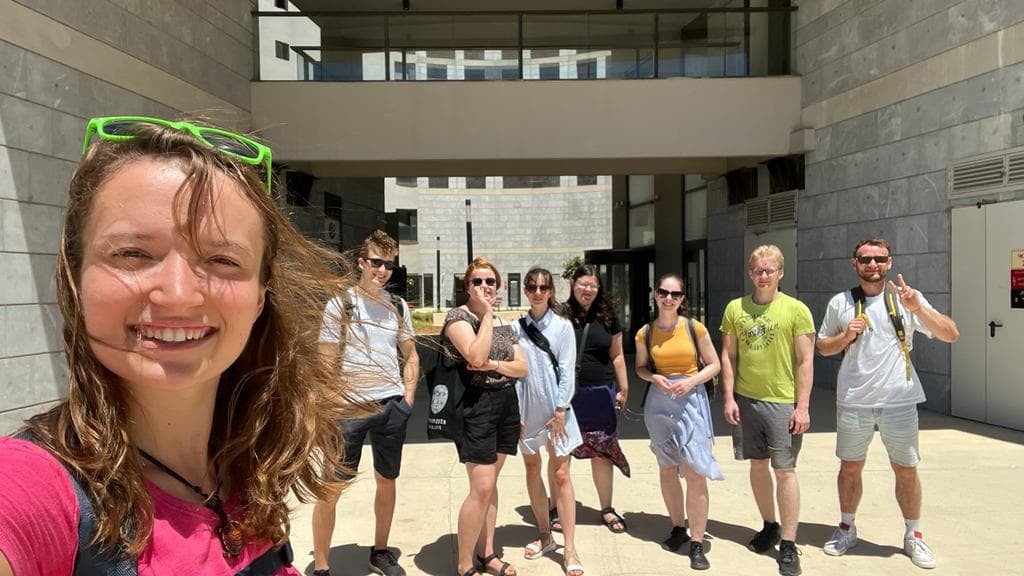
A broader outlook on science, establishing relationships with world-class institutions, learning new laboratory techniques, the chance to compare the Czech education system with one abroad, but also personal growth and greater self-confidence. The two-month internships in Israel benefited the students both academically and personally. What do they rate as the greatest bonus?
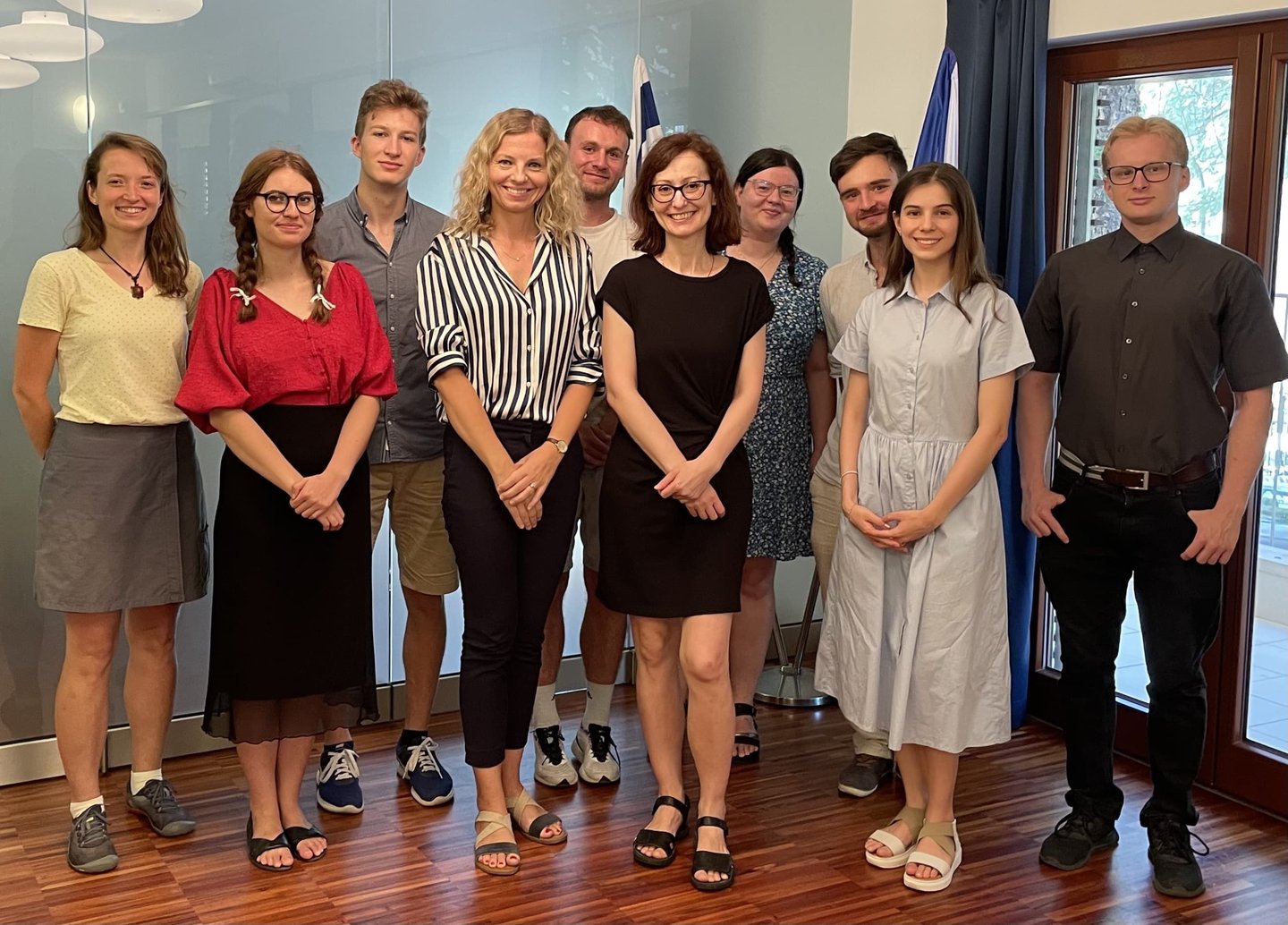
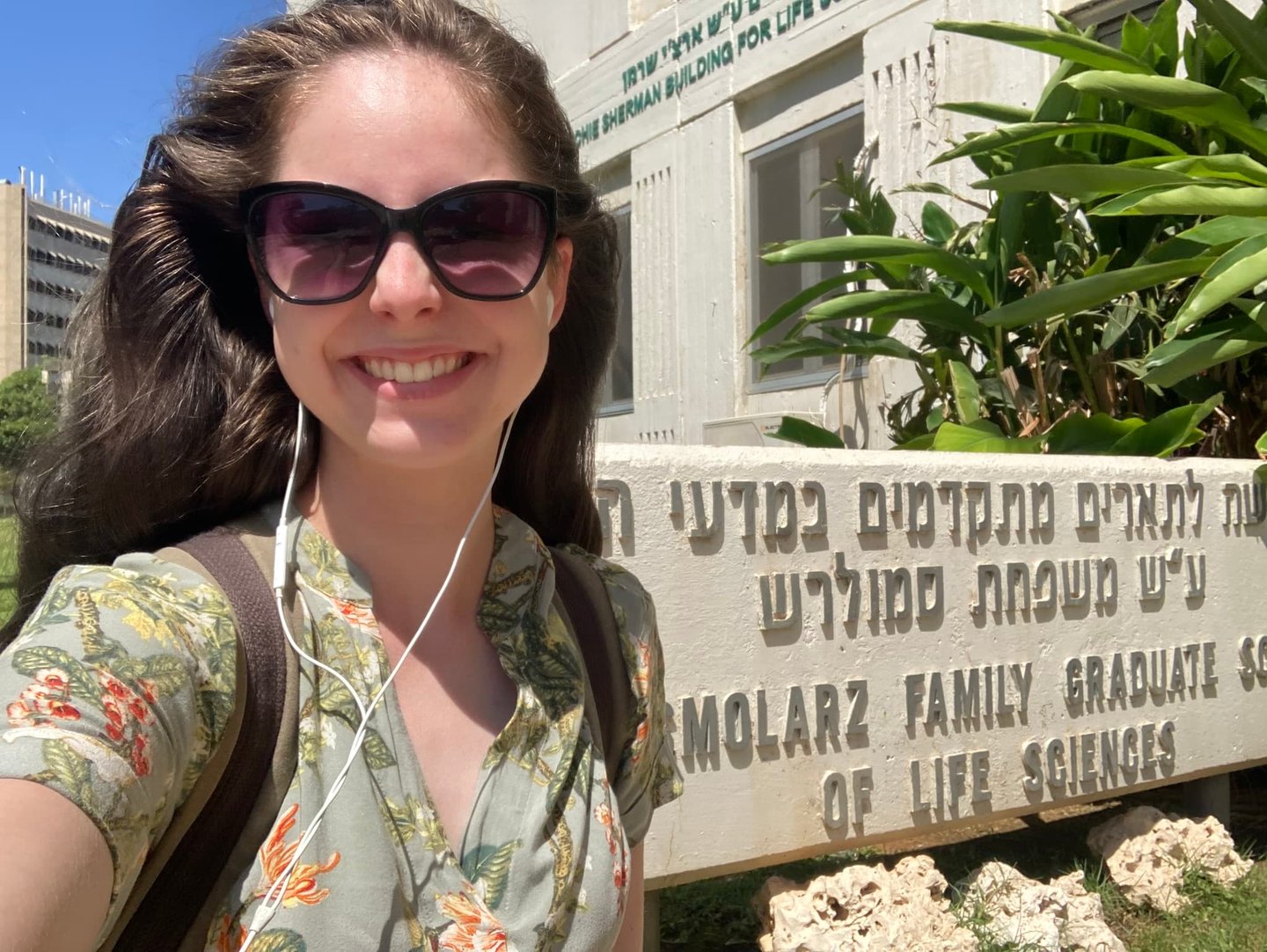
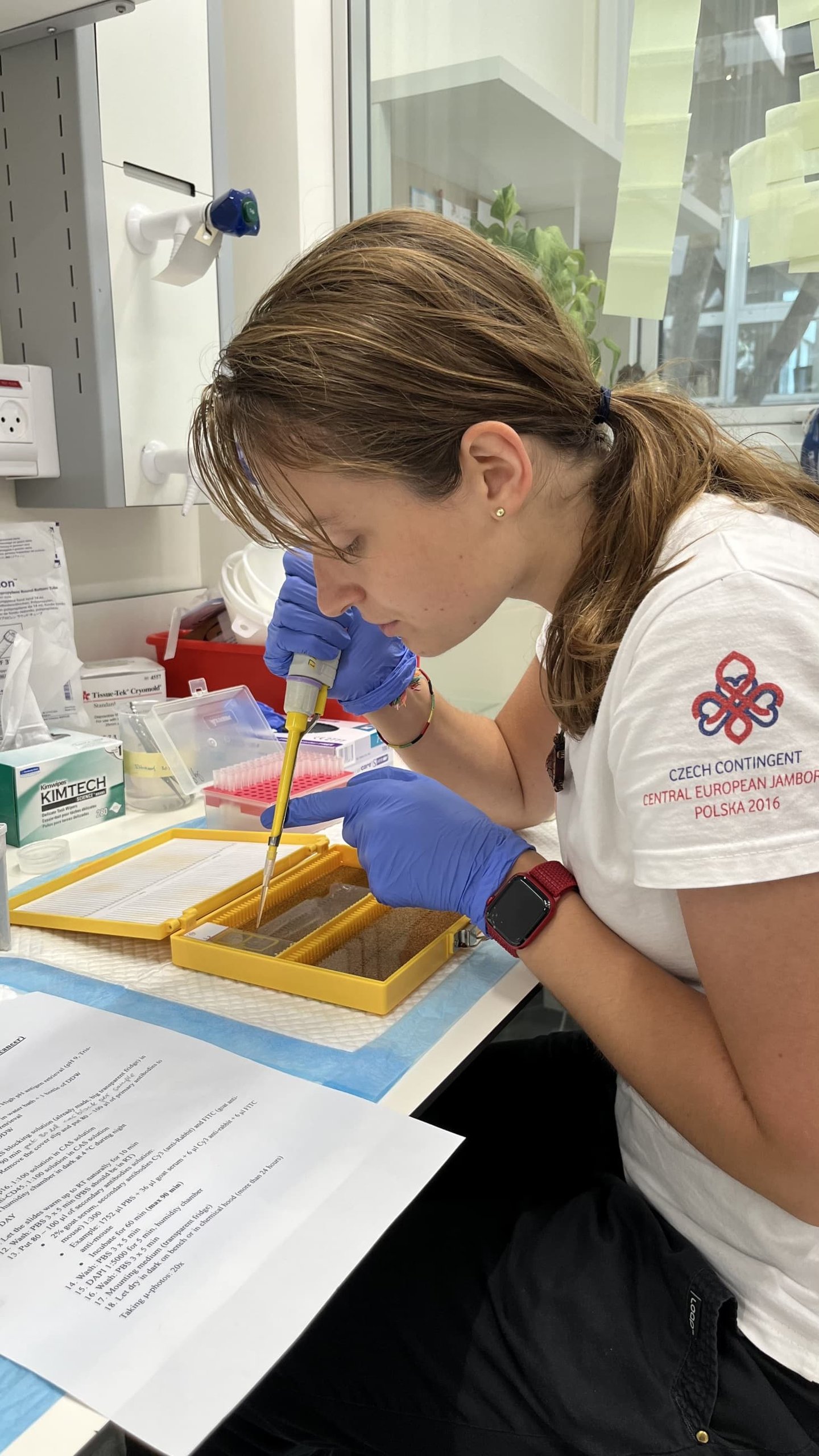
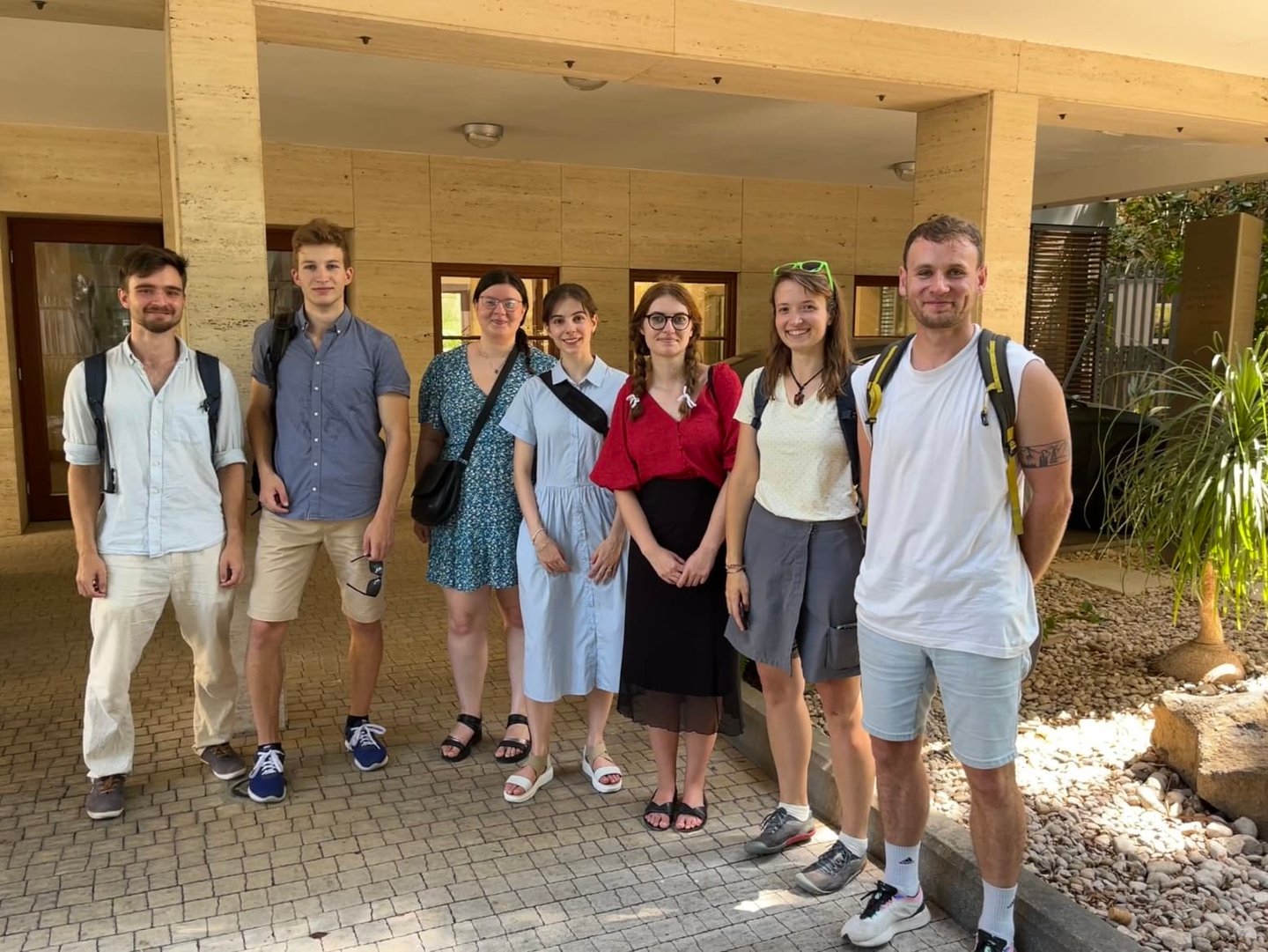
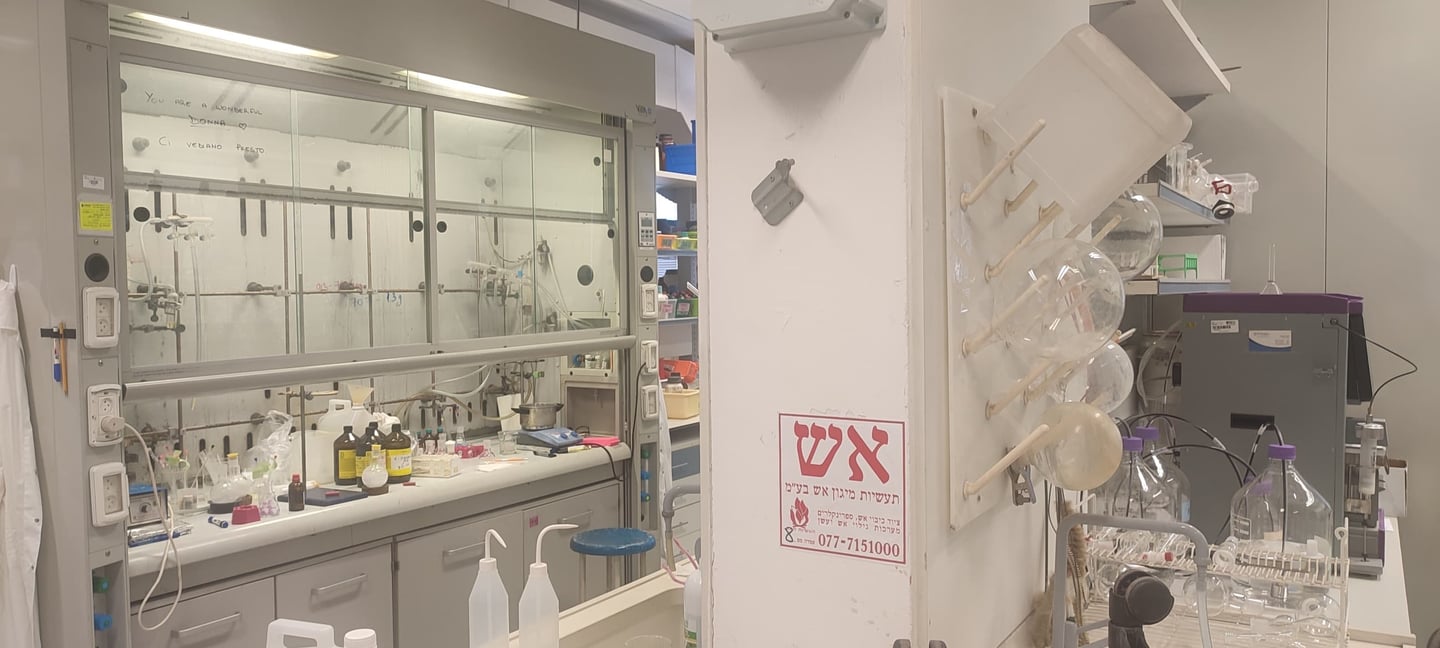
Eleven Czech students from various universities set off under the Neuron banner for two months of experience in Israel. During the summer internships (from June to September 2023) they worked at the prestigious Weizmann Institute of Science, Bar Ilan University in Tel Aviv and the Hebrew University of Jerusalem, where they got to know the Israeli ecosystem and gained experience with the commercialisation of the results of basic research and with technology transfer in science.
Note: the internships took place before the outbreak of the conflict in Israel; all the students returned safely to the Czech Republic.
Connecting science and business: the Czech Republic vs. Israel
"In Israel they often try to find the commercial significance of primary research at its very outset. They also pay far more attention to presenting their ideas. They try to sell science," sums up Eliška Trampotová, a student at the Faculty of Science of Charles University who interned at Tel Aviv University.
According to Karolína Mrzílková, who worked at the prestigious Weizmann Institute of Science in Israel, one of the main differences is the legislative and bureaucratic side. "The moment an Israeli laboratory decides to introduce a new method or technique, it has far fewer obstacles in its way than it would here in the Czech Republic. There is also definitely a perceptible difference between Israel and the Czech Republic in how science and research are seen in terms of public opinion — in Israel a scientist certainly has a higher social status than here in the Czech Republic, where their work is often seen by the general public as pointless."
Relations between academia and industry are better thought through, several organisations arrange contact between students and industry, and the connection is apparent at the universities too. That is how another intern, David Ryzák, who spent his time at the Technion — Israel Institute of Technology, sees the differences. The Technion works as a hub, holding hackathons and accelerator programmes that help students make the transition from study to business. And it has recently opened a centre for inventors.

A hub helps students find the right product
"In practice it works like this: you can build a physical prototype of your invention there and they have the means for it — materials, 3D printers and so on. The Technion also deals with commercialisation, for instance when founding a startup. It is also a place that can help students find a suitable market for an idea or a product," explains David Ryzák, who studies at the Faculty of Mathematics and Physics of Charles University in the Czech Republic.
Jan Šnábl, an intern at Tel-Hai Academic College, would add to the differences between the Czech and Israeli environments the way teachers and researchers treat students: "Over time I got the impression that in Israel the roles of superior and subordinate don't apply, but the supervisor and the student deal with each other as equals, which creates room for a friendly environment to develop."
Go abroad, the interns agree
During her study stay at Tel Aviv University, Františka Belzová Konvalinková also observed that Israeli students come to university as more mature personalities: "They are more motivated to think about their career while they are still studying."
And what was it all actually for? During the two-month internship one strengthened their self-confidence and learned to deal with people, another confirmed their expertise in the laboratory, refined the topic of their project and their ways of solving problems, or made new contacts. Insight into another culture is simply enriching, as is the chance to live somewhere other than the Czech Republic for a while.
Vojtěch Dvořák, who worked at Sami Shamoon College of Engineering in Israel, summed it up aptly: "The internship helped me on a personal level, I got the chance to gain a different view of myself and of my skills. On the academic level I then moved on quite a bit in the skill of writing scientific texts, in doing literature searches and in using artificial intelligence tools in research. Networking with local academics helped me too; I believe that on the strength of it we will come up with some possible publication or other collaboration in the future."
The interns unequivocally recommend trying an internship for yourself. "Going abroad for 2 months doesn't commit you to anything, but at the same time it is possible to learn a great many things in that time," thinks David Ryzák.
Neuron & IOCB Tech Internship in Israel
The first round of the Neuron & IOCB Tech Internship in Israel scholarship programme took place with the support of the Neuron Foundation, the IOCB Tech Endowment Fund, the Embassy of the State of Israel and the Embassy of the Czech Republic in Tel Aviv. Eleven Czech students travelled between June and September 2023 to prestigious Israeli educational institutions, where they pursued their research and, in addition, got to know the Israeli scientific ecosystem with a focus on applied research, commercialisation and transfer. The students managed to get the most out of the two-month stay thanks to being directed towards specific institutions and their professors. Another round of the Neuron internships in Israel will depend on the geopolitical situation in the country; safety comes first.