Rainforest salt licks. The new goal of the Neuron Expedition to Congo
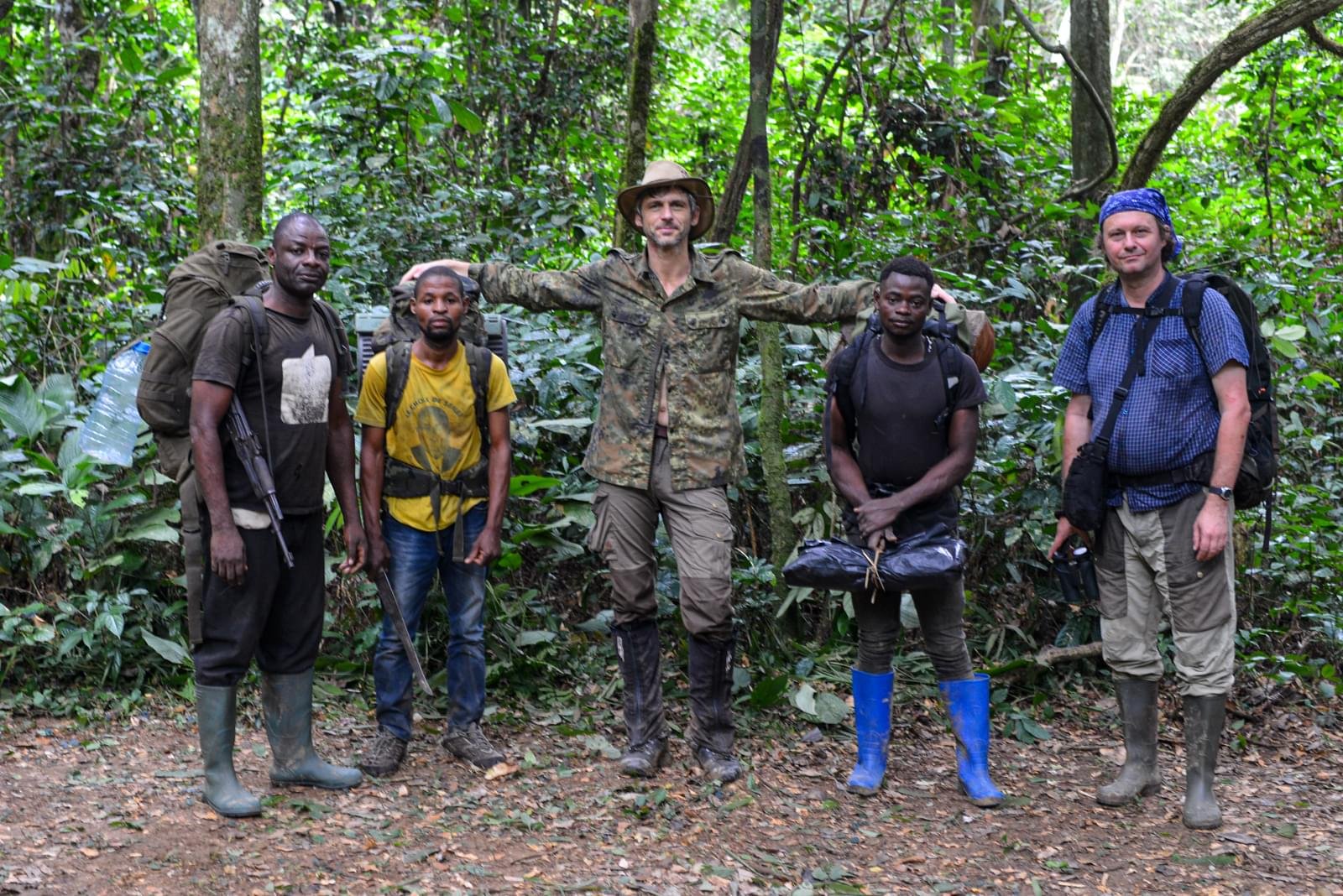
When a plane takes off from Vienna for Brazzaville in the first week of August, three Czech scientists will be on board. They are flying to Africa to continue work they have been doing successfully in recent years: in Congo they map the occurrence of animals between national parks and produce arguments for preserving their natural space despite logging and new construction. Now they will focus on life at the forest salt licks in one of the possible biocorridors. The Neuron Foundation supports their work from the donations of patrons of Czech science.
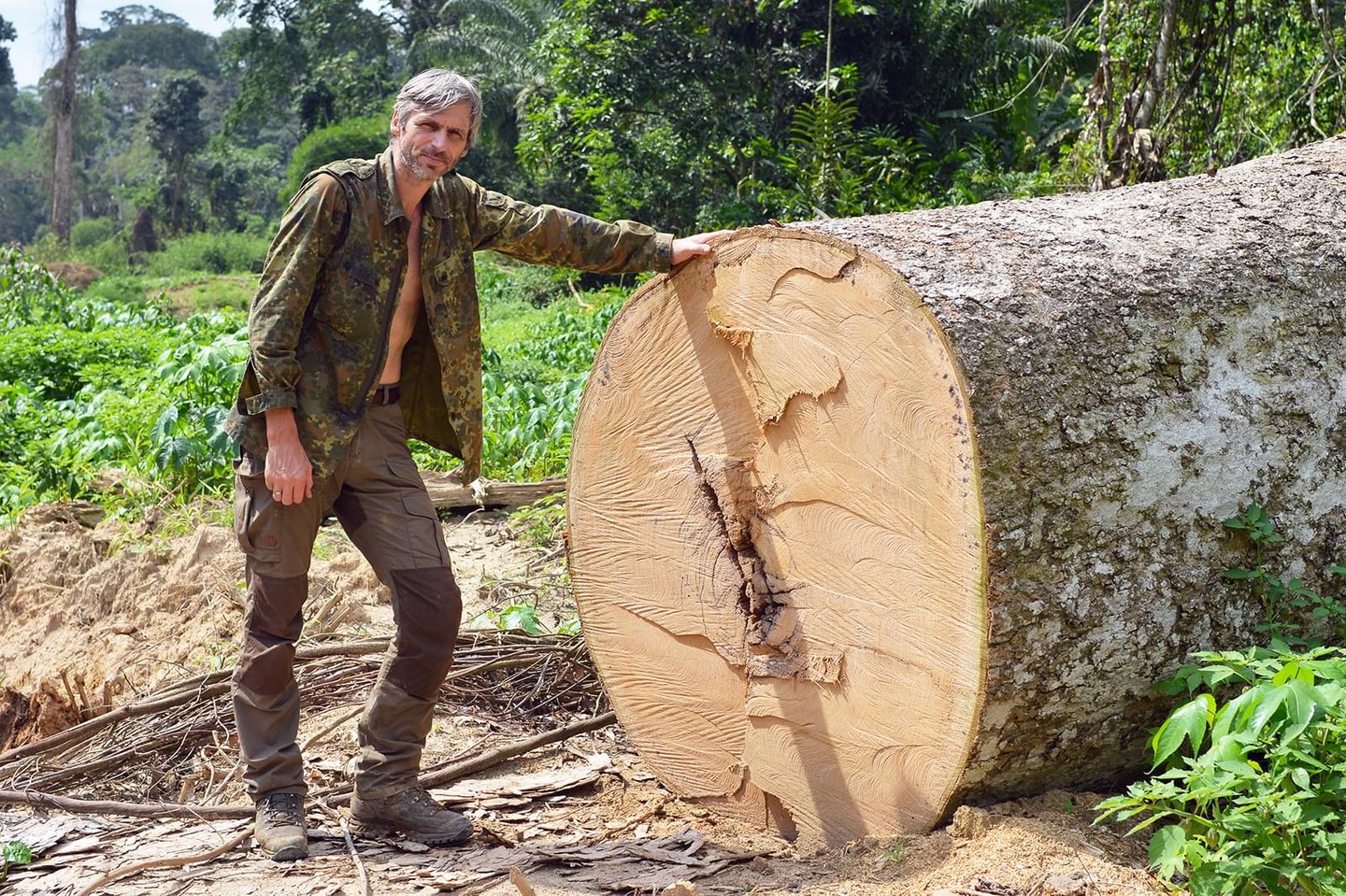
"Preserving corridors is essential; if, say, Ebola wipes out all the gorillas in a national park that then loses its connection with the Congolese rainforest, gorillas will never get there naturally again," the zoologist Tomáš Jůnek explains before departure. Setting off with him on the Neuron Expedition Dzamba Ya Lobi (The Rainforest of Tomorrow) are the primatologist Stanislav Lhota and Ondřej Peč, a student at the Czech University of Life Sciences. In Congo a dozen local people will join them, from a tracker through porters to a boatman, to spend three weeks in the rainforest. "In Congo we are finding out which animal species live in rainforest without formal protection, in what numbers, and what kind of human activity affects their populations," he adds.
Food for elephants, a playground for monkeys
As a researcher and photographer at the Faculty of Environmental Sciences of the Czech University of Life Sciences, Tomáš Jůnek returns to Africa repeatedly; this expedition will build on the first stage of Dzamba Ya Lobi in 2019. Then he and Artur Sniegon managed to establish a partnership with the WWF and local authorities; now the expedition would like to engage with diplomats and universities too.
But the main work will be in the field, and the goal is the salt licks. "These are clearings in the rainforest, between 30 and 150 metres across. Monkeys come here to play, because in open space they are not afraid of predators; elephants eat the mineralised soil, which is like activated charcoal for them," he says. "What is more, salt licks are the only place where you can see rainforest animals in the open. That is why hunters seek them out too."
The Neuron Expedition has chosen six salt licks — the primatologist and the student will observe animals from mobile positions, while Tomáš Jůnek will look for and explore new salt licks. "It is fairly hilly terrain and you have to hack your way through the rainforest to the salt licks; you can cover at most ten kilometres a day," he explains, aware that his journey to Congo will be a hundred times longer.
GPS locator, photos and the sounds of the rainforest
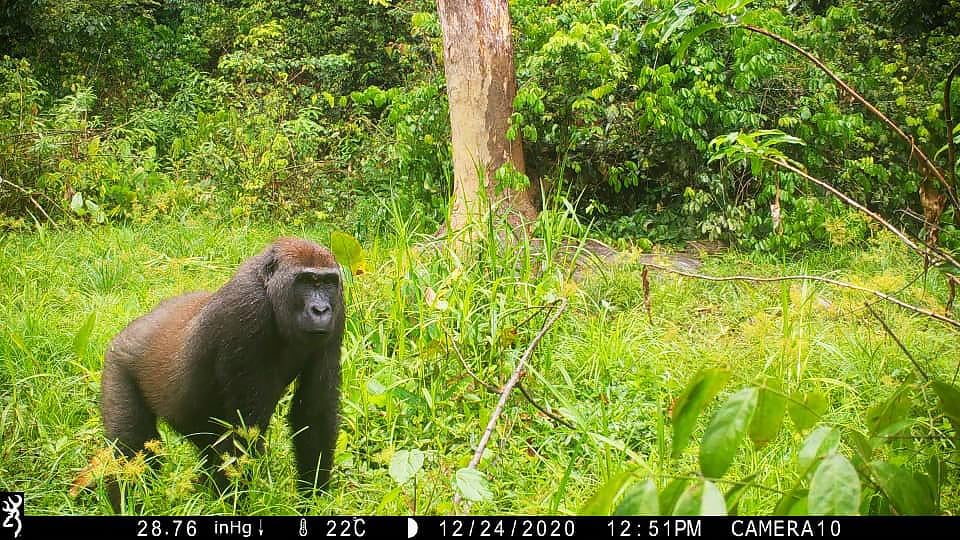
The expedition will have its base camp in the Messok-Dja forest on the border between Congo and Cameroon, a thousand kilometres from the capital. The scientists carry all their equipment with them; there is no mobile signal on site. "We no longer use a satellite phone; we have special GPS locators with which I can send a message every evening to say I am all right," Tomáš Jůnek explains of his adventure. But reliable data are important to his story — the expedition will place non-invasive camera traps and audio recorders at the salt licks, which over twelve months will capture the movement of animals and also, for instance, gunfire.
After an expected return to Africa this winter, the data should be analysed and used as the basic argument for preserving the environment for wild animals. "We have used camera traps in Congo before; now we also want to record sound, to see whether a machine gun can be heard," he adds, thereby recalling another of the Congolese rainforest's problems — hunting. Together with logging it reduces the number of animals, among them forest elephants, duikers and pangolins. That is why the Neuron Expedition, in cooperation with the WWF, has been mapping the area over the long term and helping preserve the diversity of nature.
"Because of restrictions it was not certain when or how we would fly," Tomáš Jůnek says in parting. "It worked out for August, when the weather in Congo is pleasant. The dry season is much like the weather here at the moment. I am looking forward to it." Then he hurries off to have his photo taken for visas; in a few days airport checks await him.
The Neuron Foundation contributed CZK 500,000 from its patrons' donations, and we will keep you informed about the expedition on our website and social media.