We supported young natural scientists
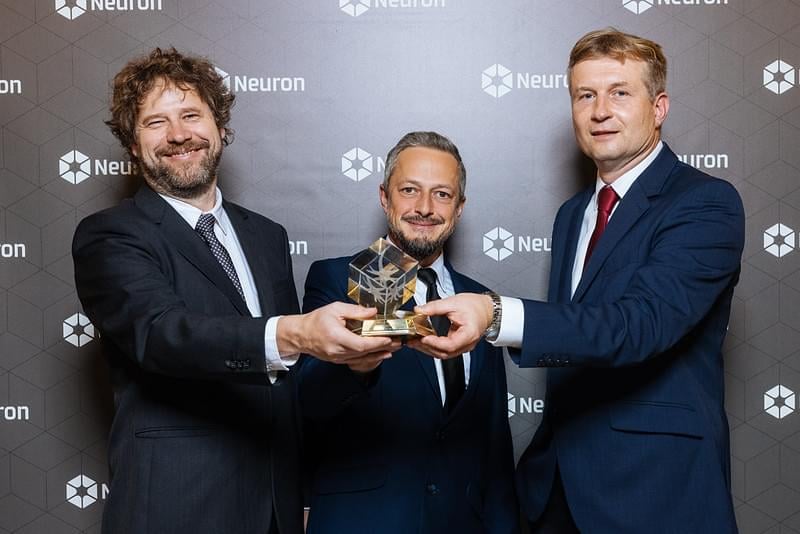
In 2022 too our contribution helped talented pupils who came to the Faculty of Science from all over the Czech Republic. The 11th Junior Science Conference traditionally belongs to the Neuron Junior programme, through which we support pupils, students and scientists starting out.
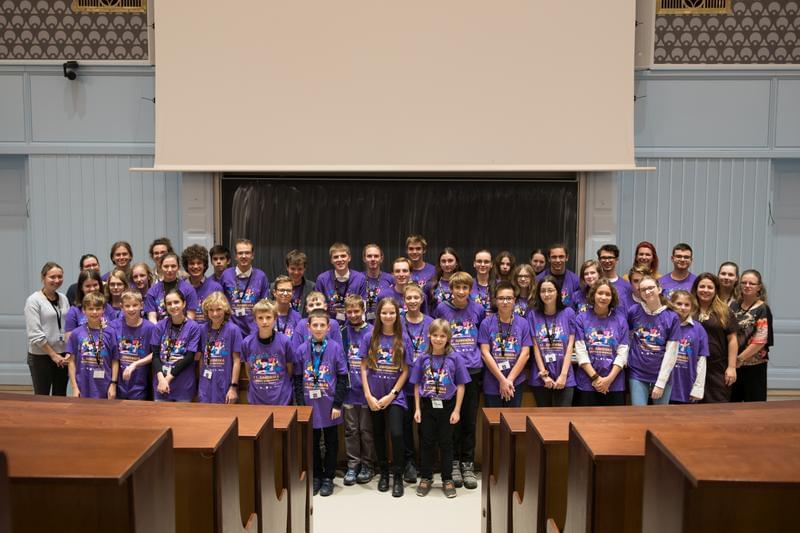
Participants in the Junior Science Conference spent two days packed with competition talks on nature, the human being, chemistry and physics and hi-tech, while the supporting programme offered them further learning.
The Junior Science Conference is among the key projects of the Neuron Junior programme. We believe that inspiring scientists starting out benefits society as a whole, and we are now preparing meetings between selected students and our laureates. We want to show the coming generation the beauty and the point of science in practice.
Interest in taking part in the conference is rising and the junior papers are better year by year. The expert jury said as much, rating some of the talks as good enough for a university setting. We believe that from among them will come significant scientists who will push our knowledge further.
Watch all the competition talks: https://youtube.com/playlist?list=PLhpxql2FdSYlUf80DBgWqXQ_fAMNdJQIT
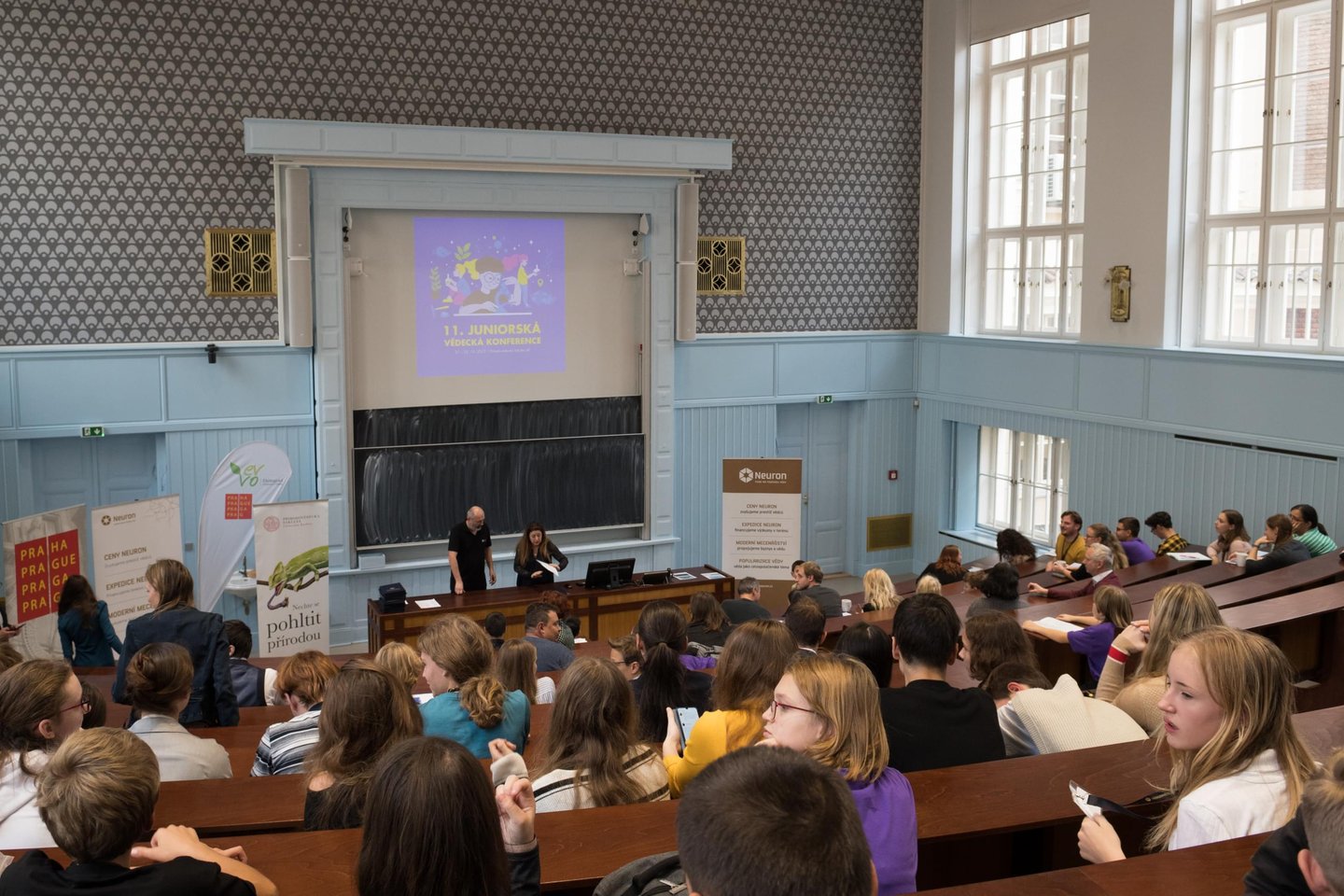
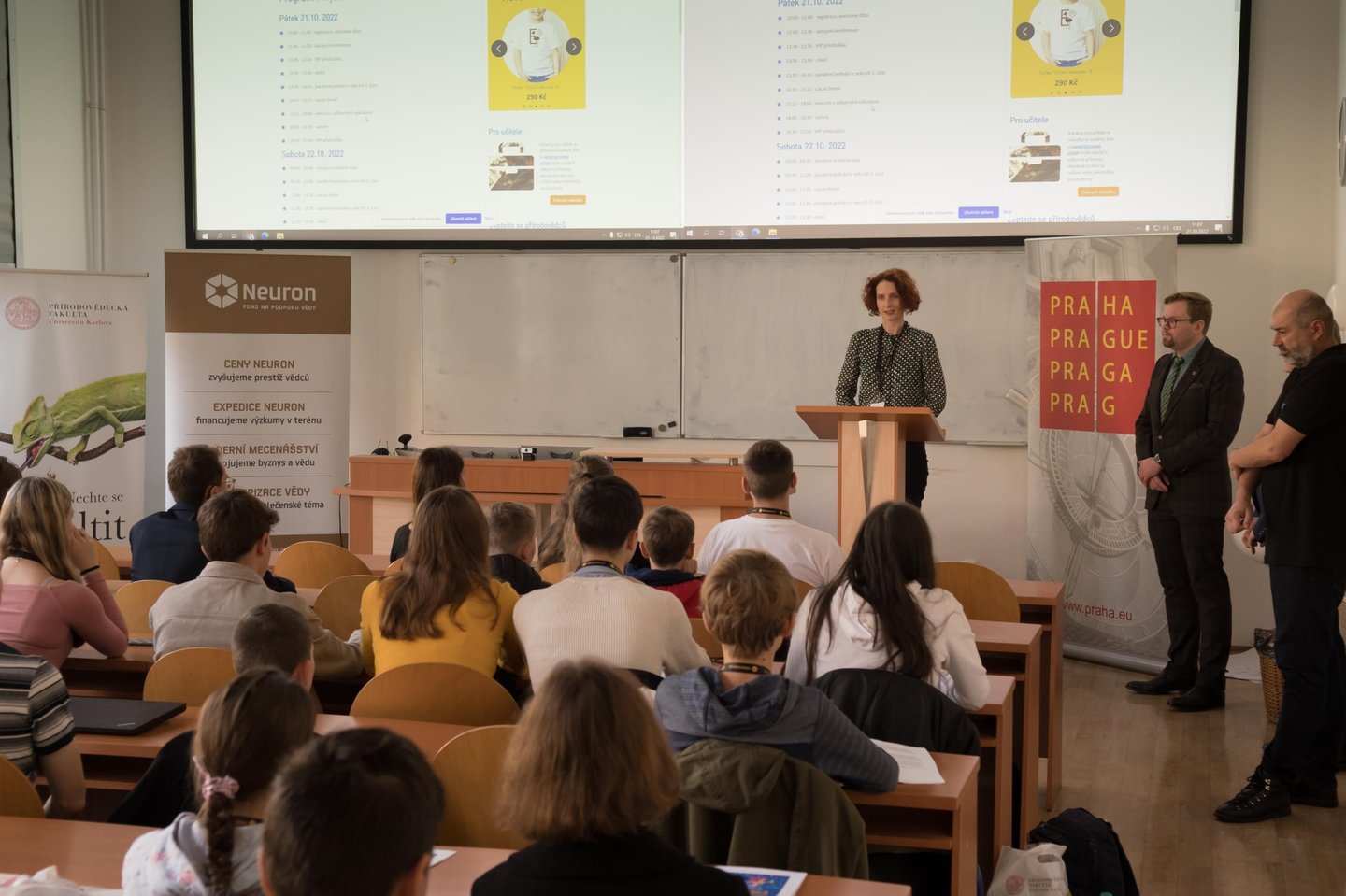
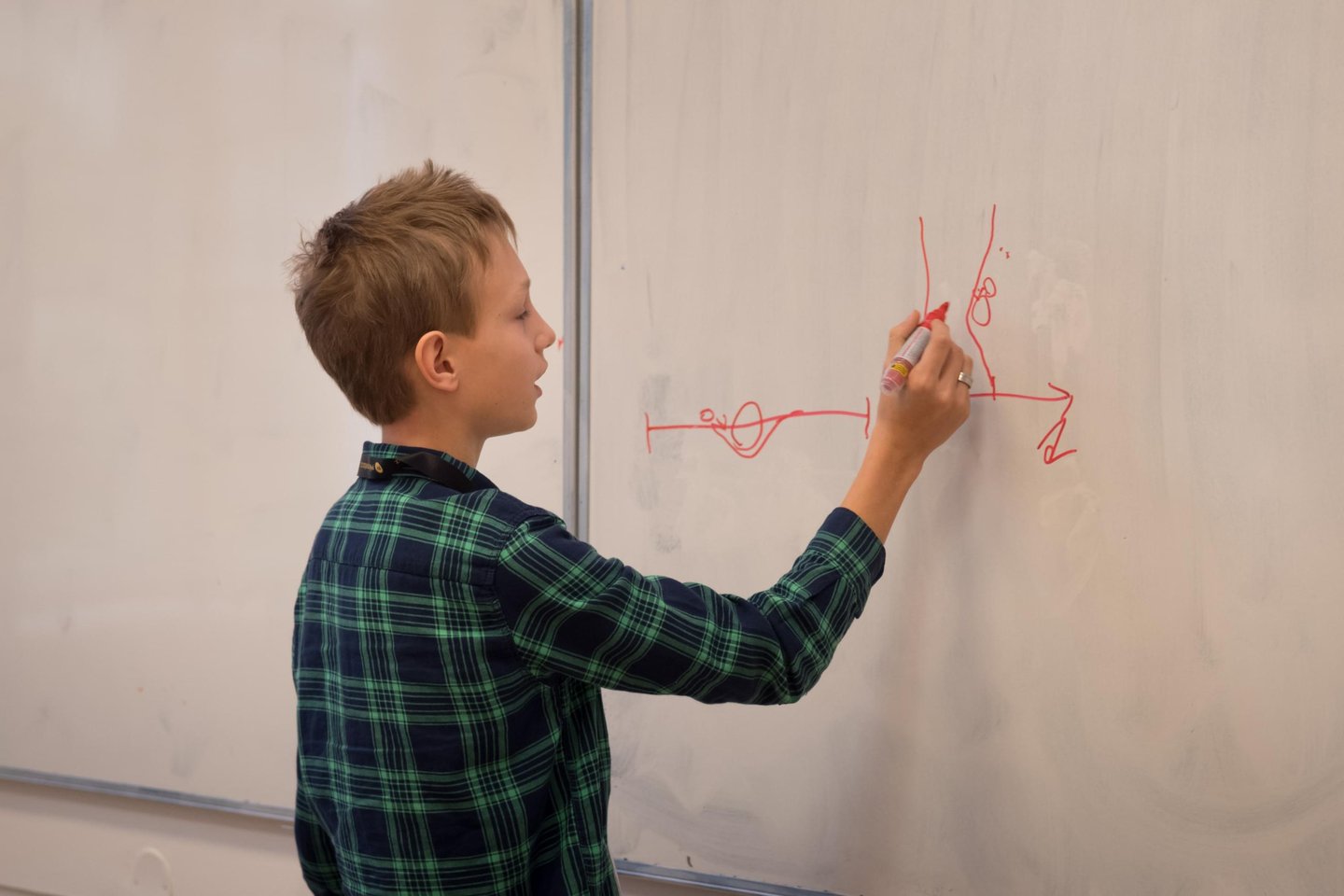
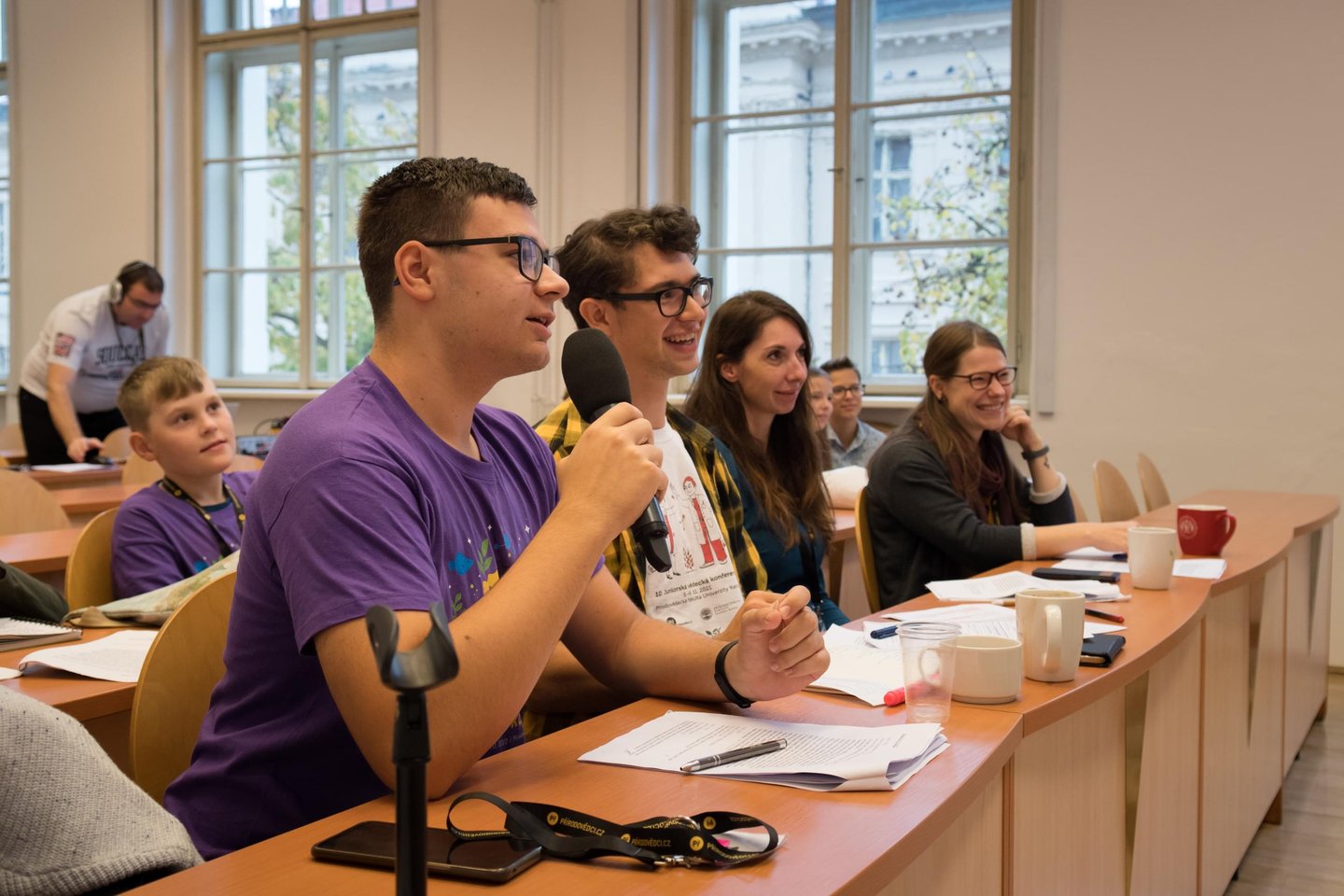
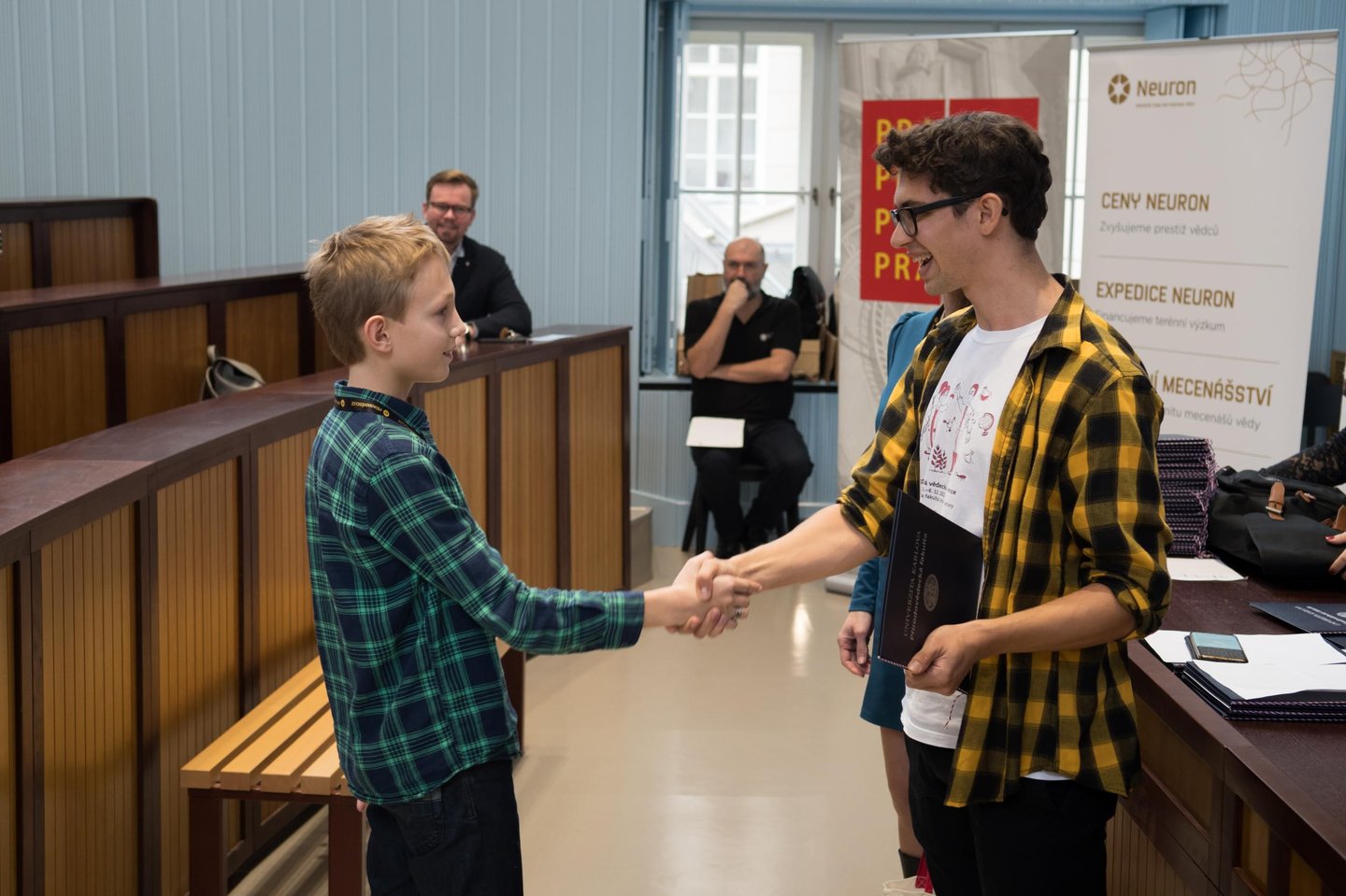
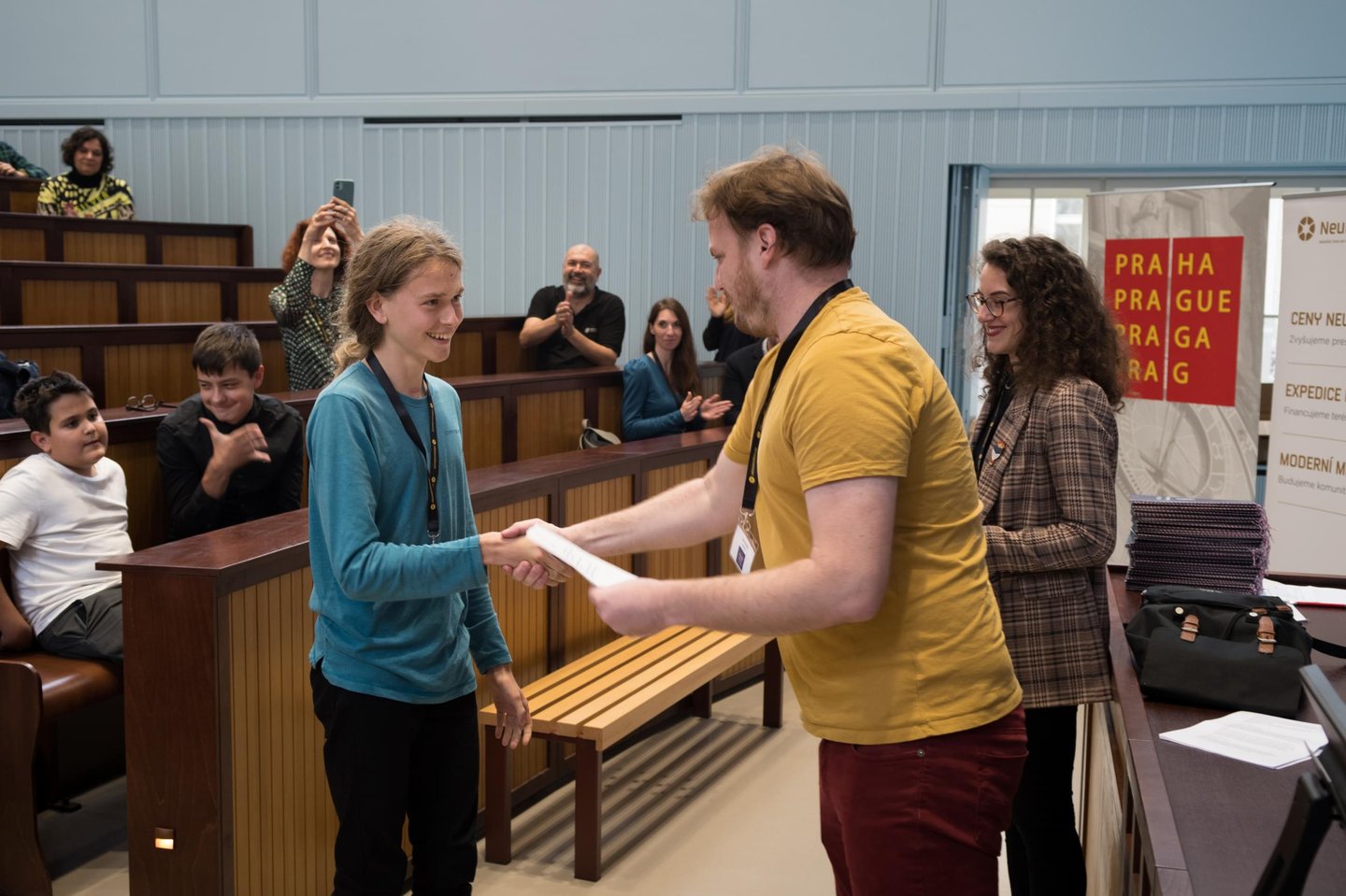
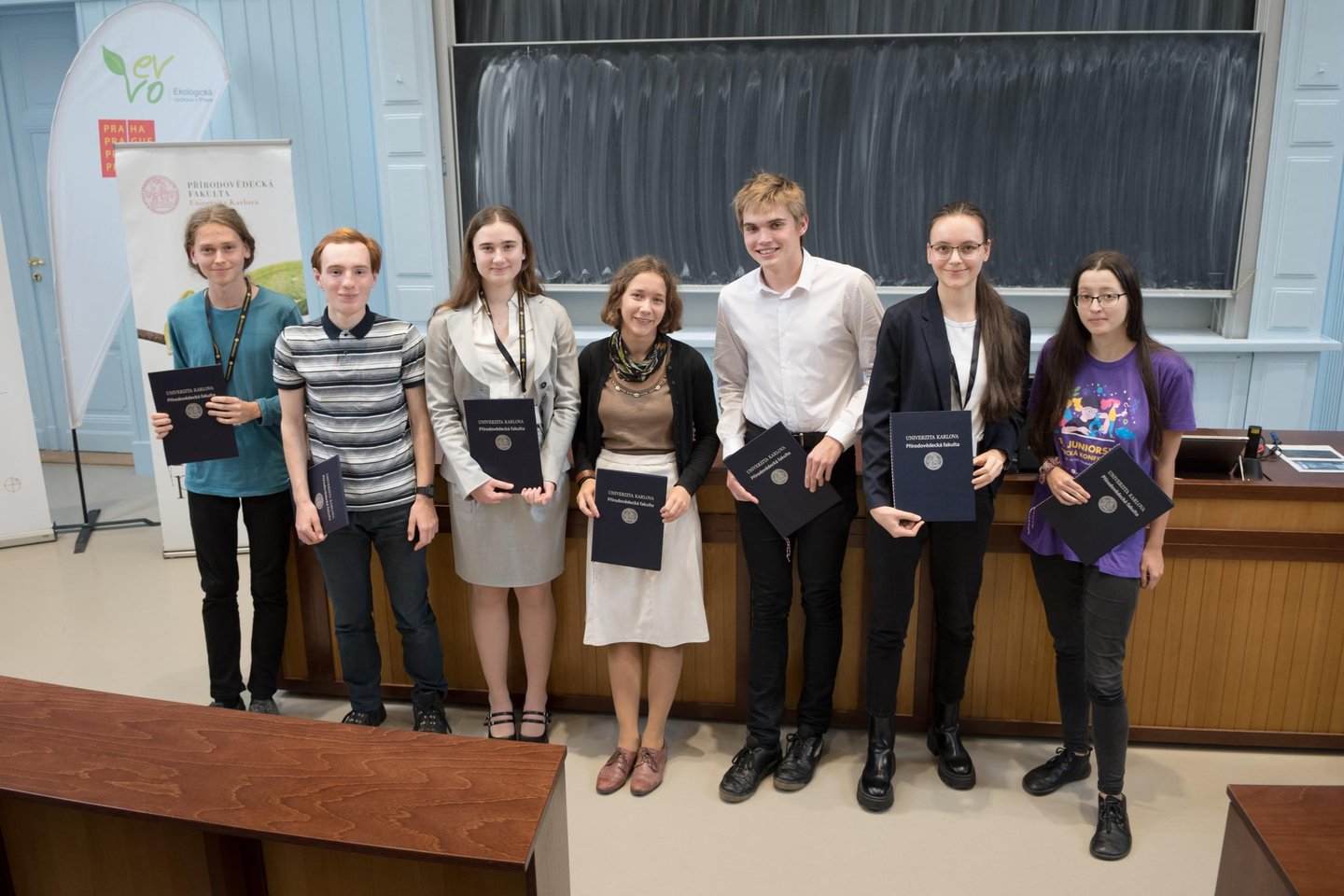
The winners of the 11th Junior Science Conference, held on 21–22 October 2022 on the premises of the Faculty of Science of Charles University in Prague:
In the 1st age category
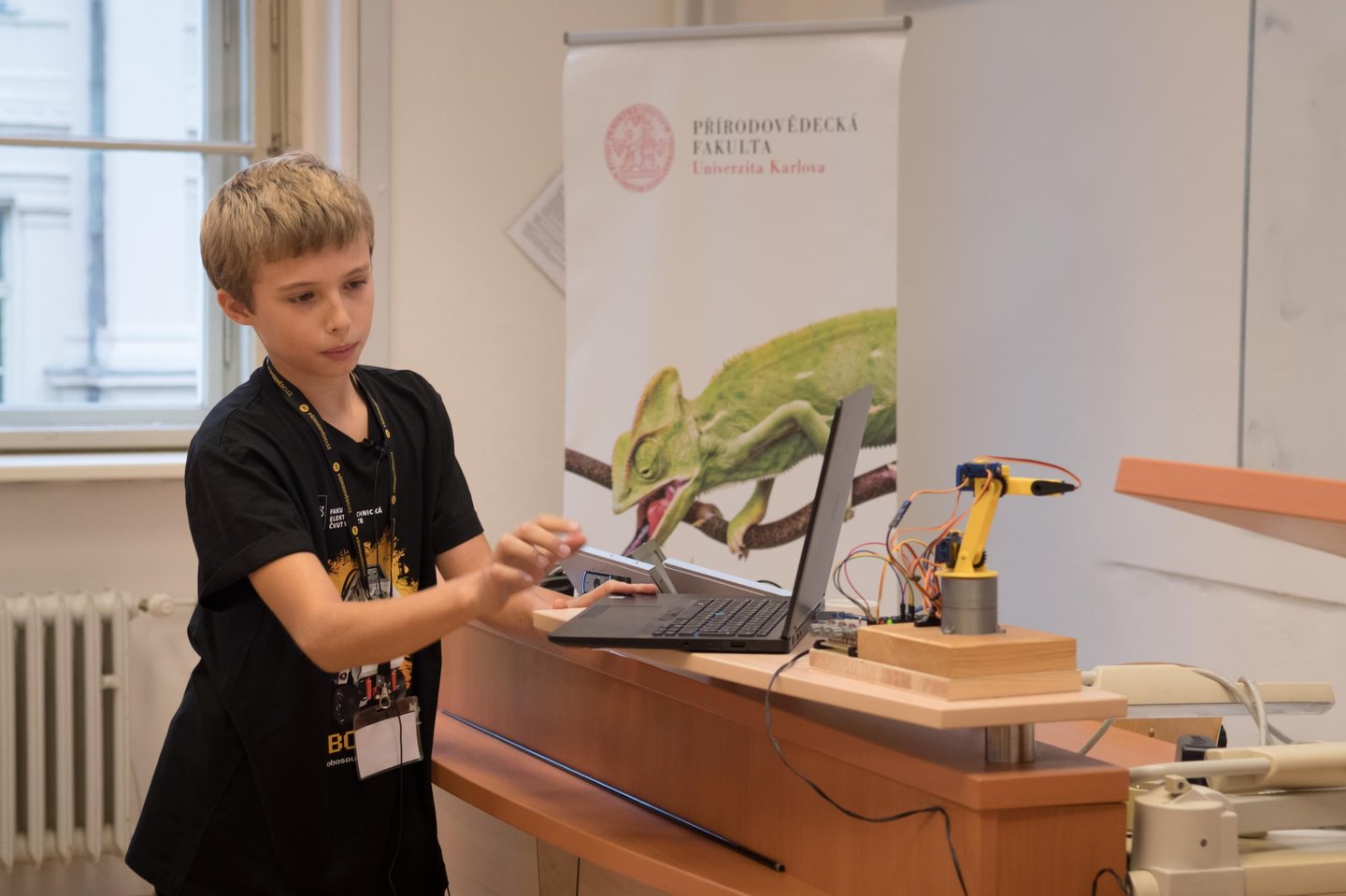
1st place Martin Půlpytel – The kinematics of a robotic arm
2nd place Lukáš Hanzlíček – Spacetime and black holes
3rd place Anna Roučová – The avifauna of the Ovčárecký pond in Nové Dvory near Kutná Hora
Jury's honourable mention Matyáš Rak – Marsupials
In the 2nd age category
1st place Filip Mészáros – Looking for a beetle in a woodpile: identifying sites of potential occurrence of saproxylic beetles using remote sensing
2nd place Pavel Chaloupka and Štěpán Hejda – A portable hydroelectric plant
3rd place Anna Štrosová – Termite trail pheromones
3rd place Mikuláš Peroutka – An analysis of the rocks and minerals of Prague
In the 3rd age category
1st place Michael Ježek – Evolutionary simulators, or life in silicon
2nd place Jakub Kulhavý – Characterising rocket engines
3rd place Jiří Klivan – The occurrence of microorganisms in the malting industry
Final report – the 11th Junior Science Conference
The 11th Junior Science Conference took place on 21–22 October 2022 on the academic premises of the Faculty of Science of Charles University.
The conference's concept follows traditional scientific conferences, only adapted to young participants. The young scientists thus experienced the atmosphere of a real conference, from meeting genuine specialists and getting to know friends with the same interests, through presenting their findings before an audience, to specialist lectures and cocoa breaks. Children aged 10 to 19 took part in the conference by registering their projects in the fields of:
Earth Sciences (geography, geology, meteorology, mineralogy, palaeontology…)
Living Nature (biology, zoology, anthropology, botany, ecology…)
The Human Body and Medicine (anatomy, toxicology, physiology, medicines, pharmacology…)
Hi-tech (technology, computers, space flight, astronomy…)
Chemical and Physical Magic (chemical or physical phenomena and experiments…)
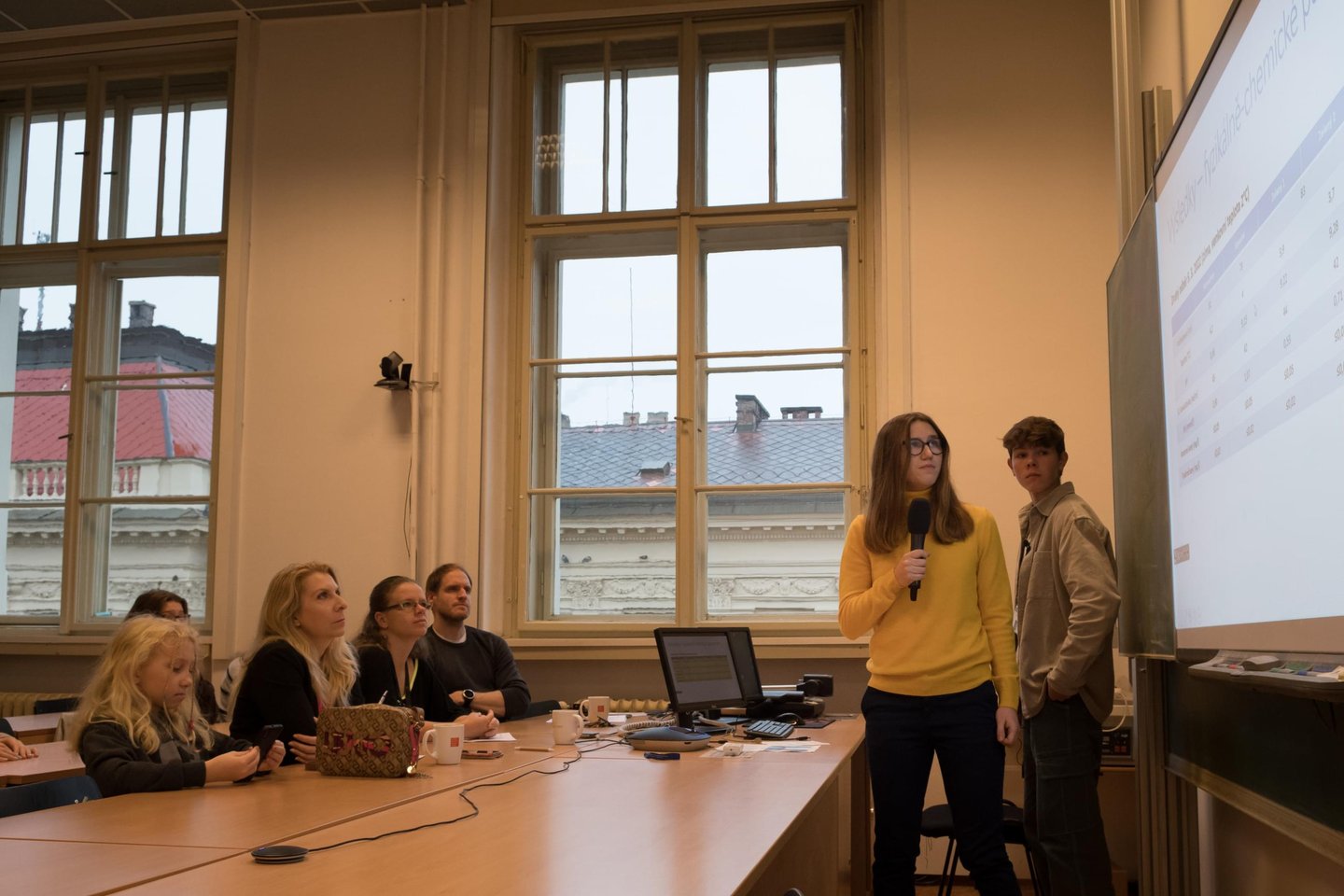
On the premises of the Faculty of Science of Charles University they then presented their subjects in the form of talks, either as individuals or in teams of no more than two. This year only 9 pairs presented; the other participants prepared their papers as individuals.
Besides specialist lectures, special excursions and workshops awaited the participants:
Lecture Little Tibet – Brontosaurs in the Himalayas
The authentic story of Tereza Matějková, a zoology student at the Faculty of Science of Charles University, who took part as a volunteer in a volunteering programme in the village of Mulbekh in Little Tibet in northern India. She showed our participants how it is possible to help pupils at the school there.
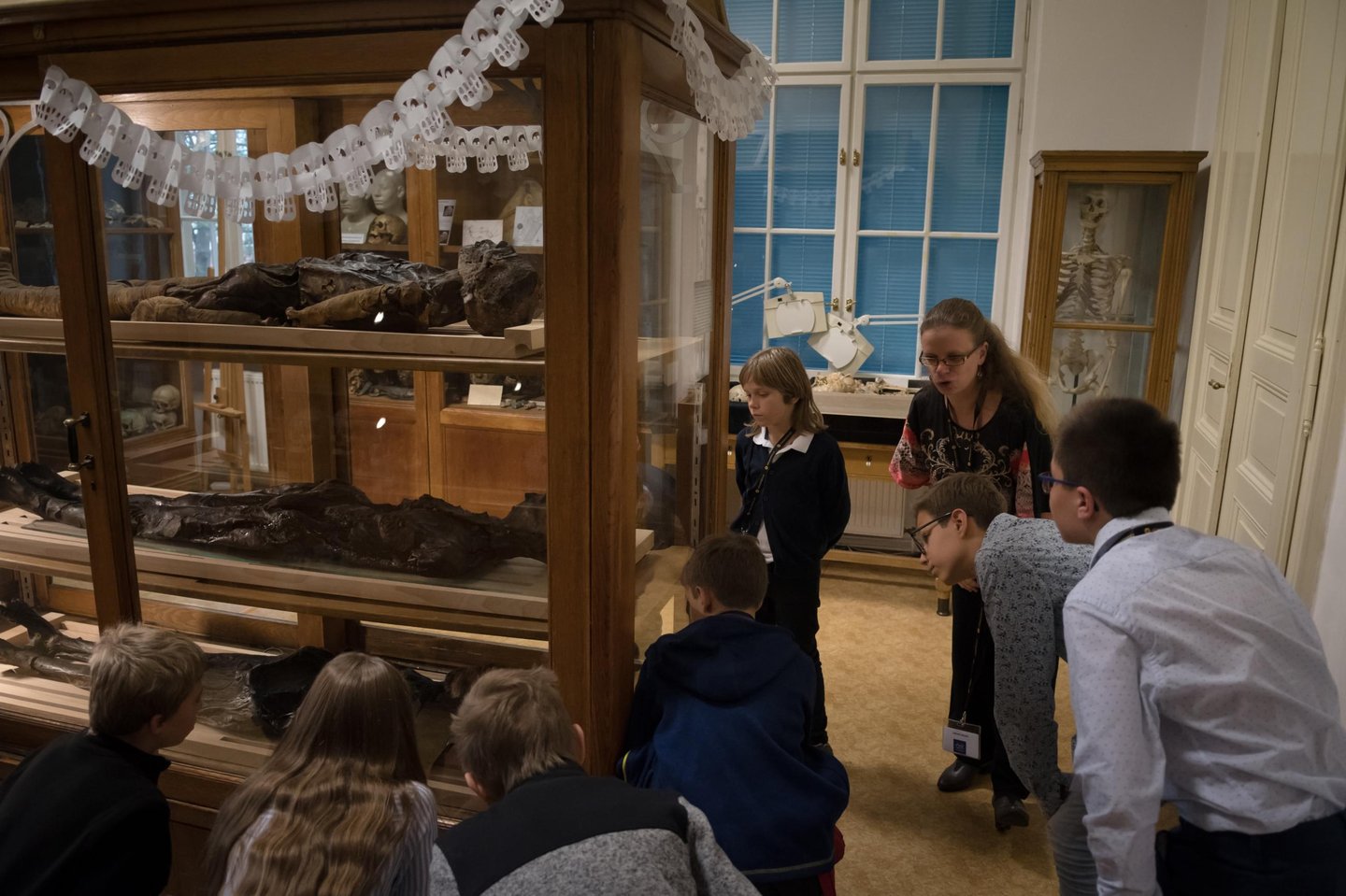
Guided tour of the Hrdlička Museum of Man
The themed guided tour Pathology and Death focused on the possibilities of basic diagnosis of human disease from bones or mummified tissue. We learned what happens to the body after death and what characteristics of an individual can be read from a skeleton. It also included examples of the manifestations of disease, of medical interventions and of injuries in people from the 16th to the 18th century.
Excursion – guided tour of the zoological collections and aquariums
The Department of Zoology maintains extensive collections of both invertebrates and vertebrates. During our excursion, conference participants had the chance to visit the collections of cold-blooded vertebrates in the so-called aquarium. The aquarium is divided into three rooms with different climatic conditions. The warm, humid room is used mainly for keeping basal groups of fish such as the Nile and Senegal bichirs (Polypterus bichir, Polypterus senegalus) and the longnose gar (Lepisosteus osseus). Panaque catfish, cichlids, tetras and various species of turtle can also be seen there. Cold-loving species have another room, where mainly amphibians but also some species of fish are kept. Conference participants had the chance to see, for instance, the axolotl (Ambystoma mexicanum) and the barred tiger salamander (Ambystoma mavortium), the African clawed frog (Xenopus laevis), the oriental fire-bellied toad (Bombina orientalis) and the oldest inhabitant of the collection, a European eel (Anguilla anguilla). The last, warm and dry room is used mainly for keeping reptiles (turtles, lizards).
The next stop was the zoological collections of the Department of Zoology. Most of the specimens in the collections date from the end of the 19th and the beginning of the 20th century, from the days of the then Charles-Ferdinand University, so their historical and scientific value can hardly be quantified today. The collections contain an extensive set of spirit, osteological and taxidermy specimens of vertebrates and a large number of invertebrates. Among the most significant exhibits is the now extinct passenger pigeon (Ectopistes migratorius). The collections also include a unique set of illustrated plates of animals. Today the collections serve mainly for teaching, but for research purposes too.
Evening specialist lecture
Screening of the film Planet Prague, including a closing discussion
Through the film Planet Prague, conference participants took part in an adventurous expedition into the urban jungle of our capital city.
Number of participants: 73 registered, of whom an expert committee selected 50 juniors who presented their projects before 13 members of the expert jury. Medical supervision, 5 members of the organising team and of course 4 guarantors of the supporting programme were also present.
Goals achieved
The event's main aim was to give children a unique taste of the scientific environment and thereby motivate them to go on studying science and technology. To let them visit specialist laboratories and meet real scientists who can help them gain experience in their further research work.
Results
For the eleventh time, young science enthusiasts gathered at Albertov with conference papers they had prepared, competing for the favour of a demanding jury made up of biologists, chemists, mathematicians, physicists and geologists. Given the large number of high-quality and at the same time varied talks, the jury had a very hard task and the process of determining the winners was a genuinely long one.