From Guatemala to Tibet: the Neuron Foundation's scientific missions
The Darwinian question of whether cooperation or egoism wins out in nature may find its answer in Guatemalan digger wasps. And after 70 years Czech scientists are returning to Tibet in the footsteps of legendary film-makers. Two expeditions, two continents, one question: what can change the world? This year the field was so strong that the Neuron Foundation's expedition council chose two projects. The first sets off in the autumn, the second awaits spring 2026.
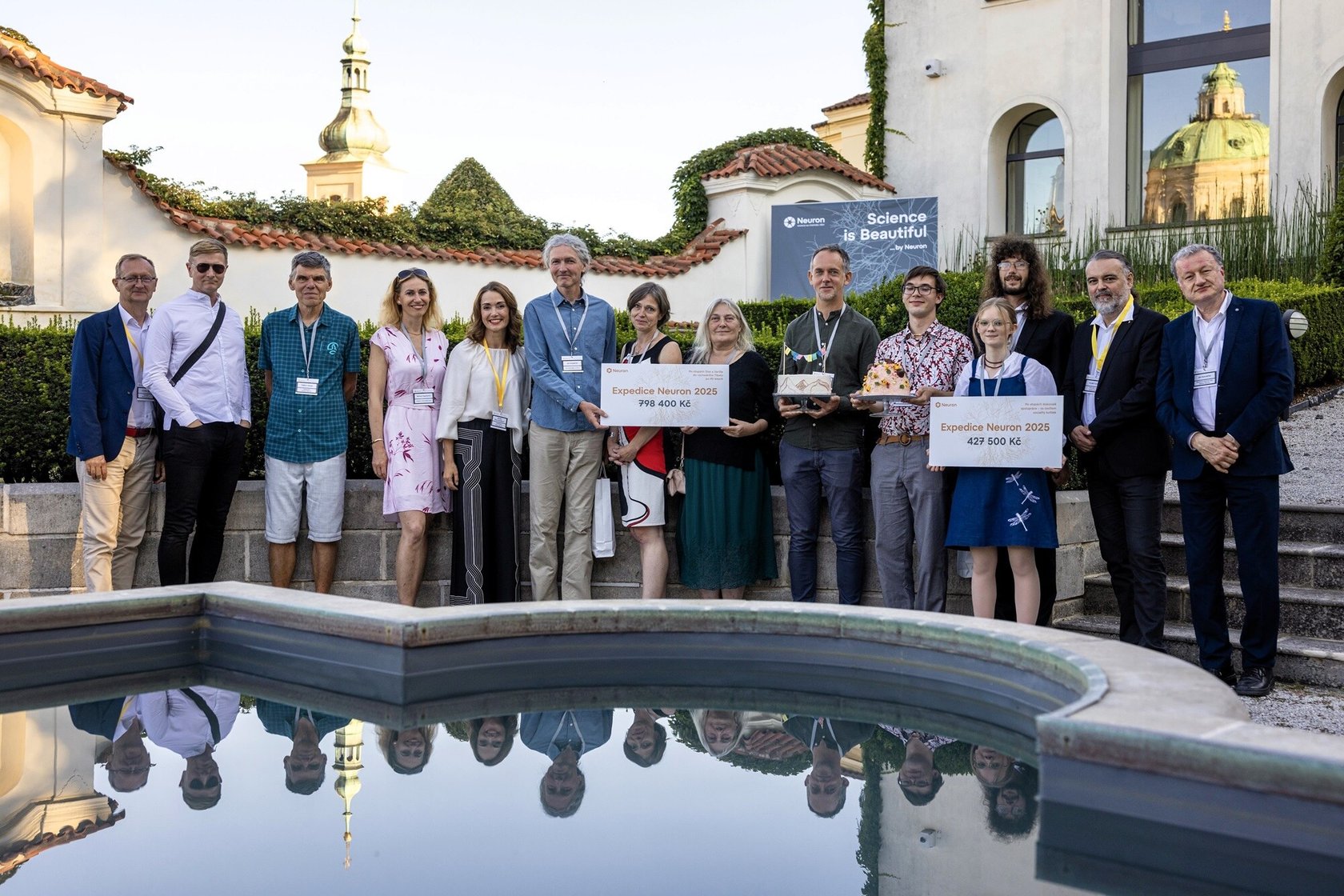
The Darwinian question of whether cooperation or egoism wins out in nature may find its answer in Guatemalan digger wasps. And after 70 years Czech scientists are returning to Tibet in the footsteps of legendary film-makers. Two expeditions, two continents, one question: what can change the world? This year the field was so strong that the Neuron Foundation's expedition council chose two projects. The first sets off in the autumn, the second awaits spring 2026.
Digger wasps – on the trail of perfect cooperation
One of the winning projects will take young Czech scientists to an evolutionary marvel in the mountains of Guatemala in search of an answer to a question that has troubled biologists for a century and a half: why are social insects so successful when only a small part of the colony reproduces?
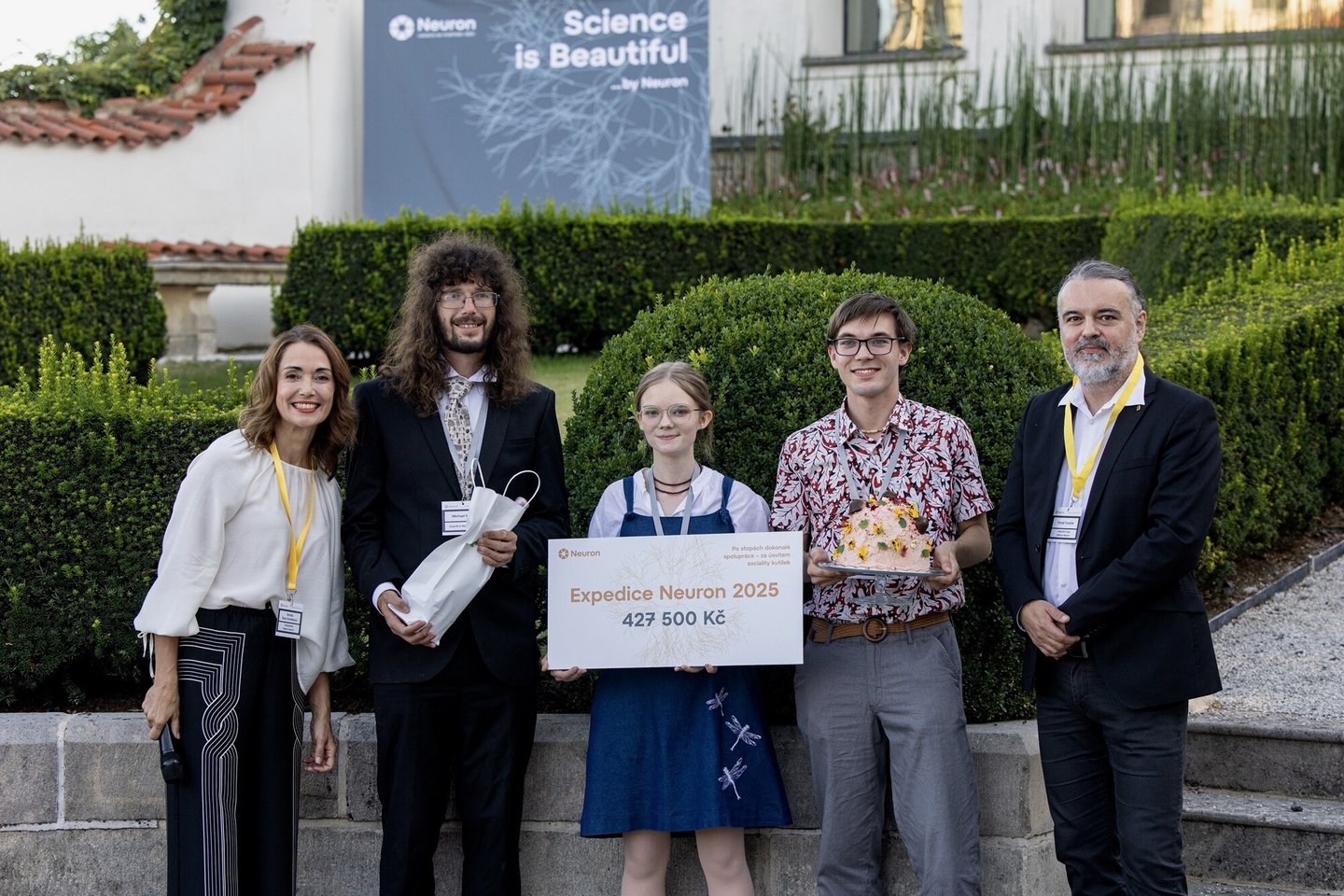
The answer may be hidden in Guatemalan digger wasps — hymenopterans closely related to bees which, unlike bees, do not collect pollen but hunt other small animals. And a Czech team of young scientists led by Michael Mikát of the Faculty of Science of Charles University will travel in November to various ecosystems in Guatemala to uncover their secret.
A living textbook of evolution
"The expedition's aim is to study the nesting of digger wasps that are on the threshold of sociality," Michael Mikát explains. "We will focus on genera in which social behaviour has not yet been scientifically described."
Guatemalan digger wasps are like a living textbook of evolution. In them we can observe both strategies: the solitary and the social way of life. Sociality had so far been known in only one genus, but Mikát's team discovered two more with surprising social behaviour. That means cooperation evolved independently in three different groups of digger wasps.
Guatemala functions as a natural laboratory with enormous diversity of habitats — dry forests full of cacti, rainforests, volcanic slopes. Each habitat creates a different evolutionary pressure. In some places solitary life pays off, in others certainly not.
An expedition of young enthusiasts
A very young team with an average age of around 25 will head into the Guatemalan rainforest. The expedition will be led by Michael Mikát of the Faculty of Science of Charles University, joined by the 18-year-old Czech Television director Kateřina Fialová and other students from the Czech Republic and Guatemala.
"Supporting young scientists is an absolute priority for us. When I see how unafraid they are to head into the Guatemalan rainforest to study the secrets of cooperation, I know the future of Czech science is in good hands," says Monika Vondráková, director of the Neuron Foundation.
Hopefully the young team will manage to uncover the secret of the transition from solitary life to sociality. Perhaps they will finally solve the riddle of when it pays to give up one's own interests for the good of the whole. And it may be Guatemalan digger wasps that hold the key to understanding perfect cooperation — not only in insects but in people too.
In the footsteps of Sís and Vaniš
The year 1954. Four years after the People's Liberation Army entered Tibet. Soldiers are completing the first road link to Lhasa. The Czechoslovak film-makers Vladimír Sís and Josef Vaniš document the construction of this demanding project. They are the very first foreigners allowed to enter Chinese-controlled Tibet, with permits numbers 1 and 2.
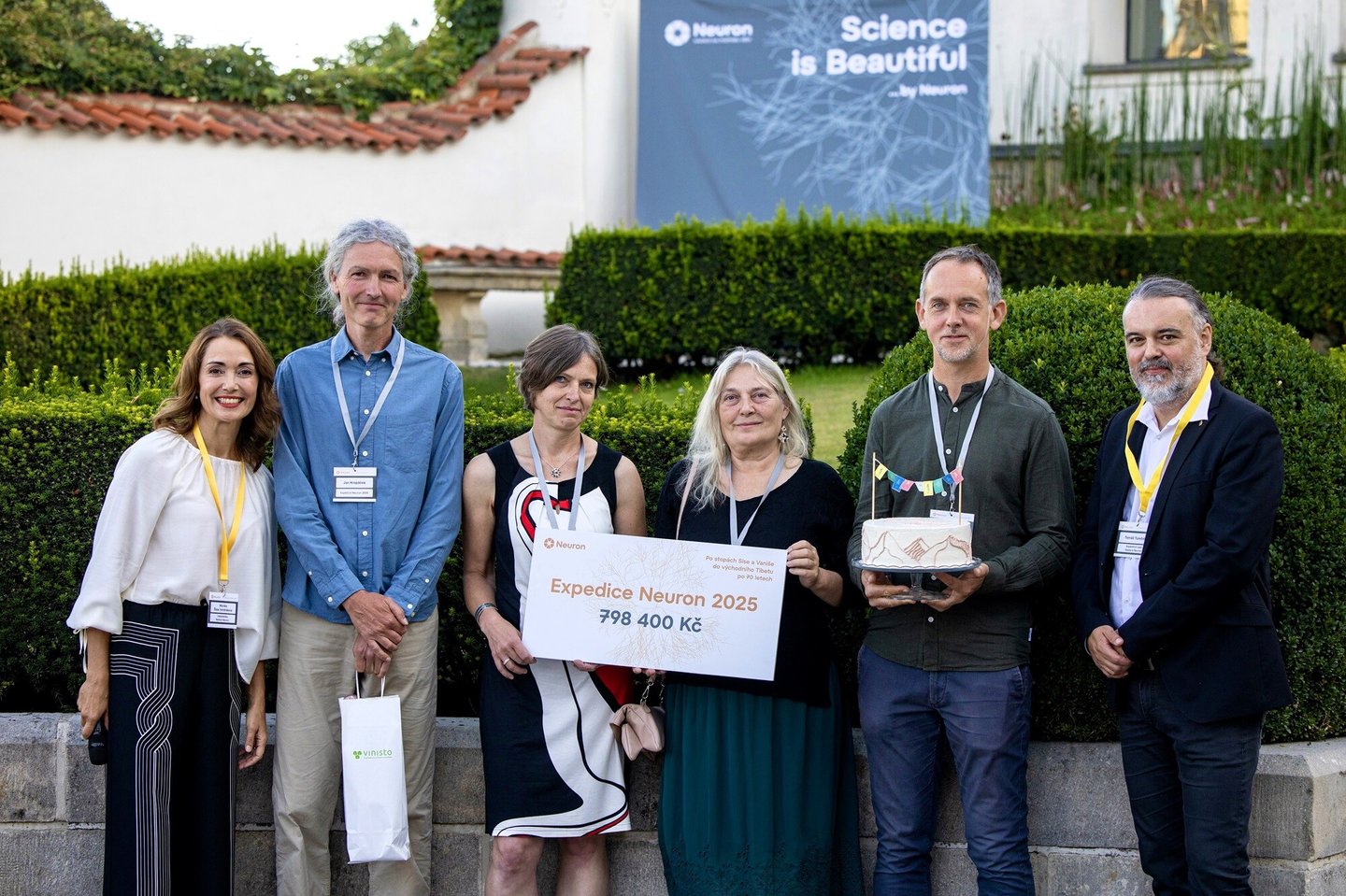
"Our expedition will lead to Tibet in the footsteps of the Czechoslovak film-makers," says Jan Kropáček of the Faculty of Science of Charles University. "We have managed to locate a number of their images and will try to repeat them on the spot."
The expedition will be documented by David Sís, son of one of the original film-makers. After 70 years he will return to the places where his father risked his life for unique footage and will complete the work his
father began in 1954.
What has changed in 70 years
Sís and Vaniš captured Tibet on the threshold of the greatest transformation in its history. They saw a landscape and its inhabitants untouched by modern ways of life. The road opened access to remote areas and the movement of people, machines and materials, and permanently transformed the Tibetan plateau. The current team will set out to see how deeply modern infrastructure affects culture, demography and the character of the landscape, and how climate change has marked the planet's "third pole".
"Tibet represents a fascinating opportunity to connect history with modern science. The chance to document the changes of seven decades and to build on the work of Czechoslovak film-makers is something exceptional," says Monika Vondráková, director of the Neuron Foundation.
After the covid pandemic China is opening up again, but in today's world full of uncertainty the window of opportunity may close again quickly. The next chance may not come for decades. The expedition will create a unique comparison of Tibet in 1954 and Tibet in 2026. A travelling exhibition together with a documentary will show what a single road can do and how quickly a whole civilisation can change.
Recall last year's successful Neuron Expedition, which discovered the largest underground thermal lake, Neuron, in Albania: