Human immunity on the front line
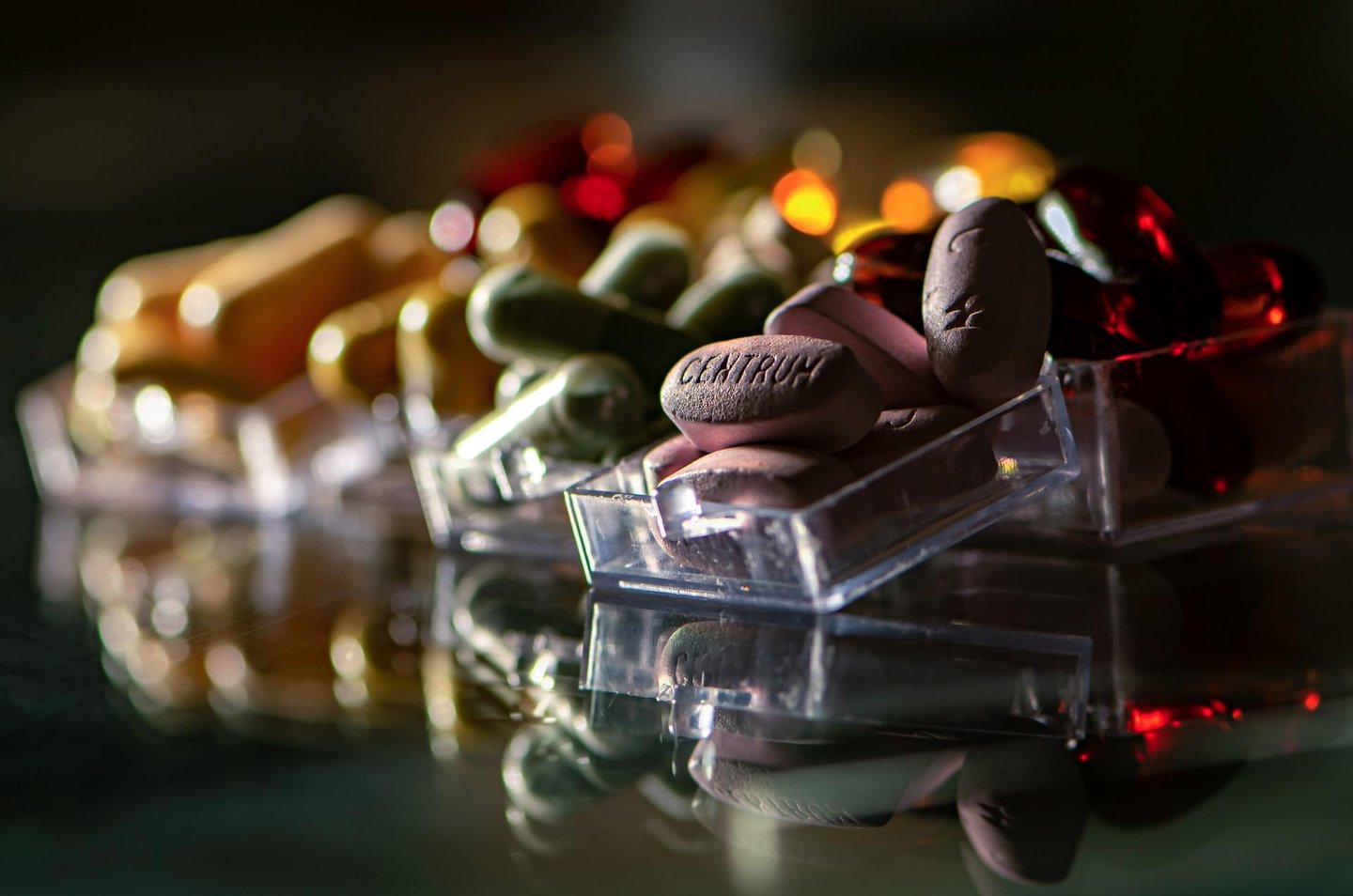
Image source: https://lindyhealth.com
Human immunity as the first line of defence against viruses was the subject of another Neuron Club online. Together with our patrons and scientists we discussed immunity and its role in the battle with viruses and bacteria. Read a selection of the most interesting moments of the discussion.
The immune system consists of various types of white blood cell. Normally it protects us and helps us deal with the threat of pathogens, but it also removes abnormal (damaged, tumour) cells. Sometimes immune reactions are so strong that they can do more damage than the virus or bacterium itself (immunopathological reactions of the immune system).
The immune system has several layers
Phagocytes – "eating" cells – seek out everything that does not belong in the organism and devour the intruders.
Antibodies – protein molecules produced by B lymphocytes. There are hundreds of millions of clones, and each of these clones produces unique antibodies that differ from one another in the structure of their binding sites. That allows them to recognise an enormous number of different specific chemical structures.
Antibodies are divided into classes: IgA, IgD, IgE, IgG, IgM. Very important are the memory B lymphocytes, which after repeated infection rapidly produce large quantities of specific antibodies — something also used in vaccination.
T lymphocytes – responsible for specific, cell-mediated immunity. Types include:
Helper T lymphocytes – help B lymphocytes produce good antibodies, activate phagocytes and regulate the immune response.
Cytotoxic T lymphocytes – recognise infected cells and destroy them so that they do not become a source of further infection. A very effective but at the same time dangerous kind of response, which can sometimes lead to greater damage to the organism than the pathogen itself would cause.
Regulatory T lymphocytes – suppress inappropriate immune responses. Their malfunction causes autoimmune disease.
The role of antibodies in viral infection of the respiratory tract
Generally speaking, the immune response on mucous membranes produces mostly IgA antibodies (mucosal antibodies) — when they are deployed, no inflammatory reactions are triggered and the tissue of the mucous membranes is not damaged.
But viruses are not found only on mucous membranes. That is why antibodies can also be detected in the blood: IgM and IgG, for instance, are also produced in respiratory tract infection and were detected in SARS (IgG). "So if we want to test effectively, ideally we should test for all classes of these antibodies (IgA, IgG, IgM)."
Our immunity and Covid-19
History has seen far larger epidemics than Covid-19 (AIDS, the Spanish flu). The reproduction number R for measles, for instance, is 16 times that of Covid-19: R = 2–3. The most lethal virus is Ebola: a fatality rate of 50% versus Covid-19: around 3%.
As Covid-19 spread from China to Europe and beyond, the virus changed its genetic information. The one circulating here has the same genetic information as in Italy, unlike the American or Asian continents. There are several viruses in the coronavirus family: besides SARS, MERS and Covid-19 we know of others that cause respiratory problems. Coronaviruses are therefore nothing new; what is new are the circumstances of Covid-19's spread.
The resilience of our immunity depends on how large a viral load a person receives. "The point of masks is that they reduce the intensity of the viral load." With a small load the immune system can cope (a mild or moderate course of the disease); with a larger one the virus gets into the lower respiratory tract and causes damage (a severe course of the disease).
The immune system is as effective as we ourselves are in good condition. "The virus targets metabolic problems such as obesity, diabetes and so on, which weaken our immune balance. The only chance is to take care of our lifestyle and prevent panic, because that weakens us still further."
Immunity for ever and ever?
In the discussion of whether further waves of the epidemic await us, a major role is played by the stability of the immunity of those who have already had the infection. Reactivation of the virus is not likely. It is more that we do not currently have enough data, so we do not know how long the immunity of patients who have had the disease can work. Repeat infection could occur. On the other hand, patients who had an ordinary coronavirus infection two years ago still have antibodies. "Isolation is not sustainable; we have to expect the situation to keep developing."
Vaccination to the rescue?
Generally, vaccination stimulates the immune system and brings not only specific resistance to a particular disease but probably also increases resistance to other diseases. So far, though, studies have not shown that vaccination against TB, for instance, brings any benefit in the form of increased resistance to Covid-19: in the UK, for example, TB vaccination continued until 2010 and the current situation there is catastrophic.
How do we return society to its normal rhythm?
Health and life come first. There is no need for full stadiums and pubs. Until there is a vaccine it would be good to avoid mass events. Society needs to be restarted above all economically — the priority is to prevent economic collapse.
"We have to accept a certain level of risk that I may become infected, and learn to live with the fact that this situation may last a while yet." What matters is trying to minimise risk factors and taking care of our fitness and our physical and mental health. "The pandemic will end when we say it has ended. People have to take the situation on board and learn to live with it."