Jan Starý: New drugs will replace chemotherapy and transplantation
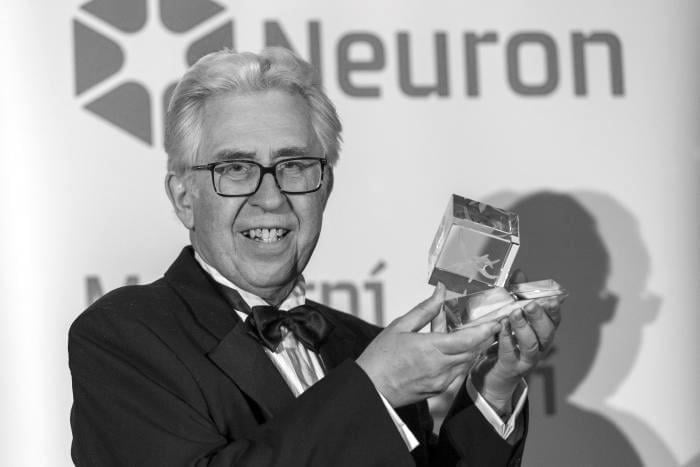
Prof. Jan Starý is an internationally recognised paediatric haematologist and oncologist who received the Neuron Award 2022 for his lifelong work. What has changed since last October, when he received the prestigious scientific award at the National Museum? What does he expect from the future? "In recent years we have made great progress in understanding the biology of a number of childhood cancers. But in many cases improvements in treatment lag behind, and with some tumours progress over the past 30 years has been small or almost non-existent. I would very much like that to change in the foreseeable future," says Jan Starý.
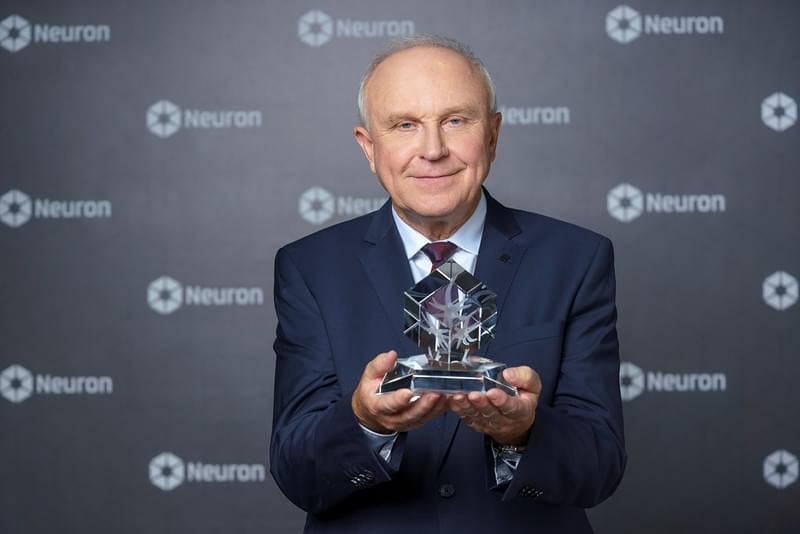
Prof. Jan Starý is an internationally recognised paediatric haematologist and oncologist who received the Neuron Award 2022 for his lifelong work. What has changed since last October, when he received the prestigious scientific award at the National Museum? What does he expect from the future? "In recent years we have made great progress in understanding the biology of a number of childhood cancers. But in many cases improvements in treatment lag behind, and with some tumours progress over the past 30 years has been small or almost non-existent. I would very much like that to change in the foreseeable future," says Jan Starý.
You received the Neuron Award last October. How has your field moved on since then?
We are working intensively on preparing a new treatment protocol for children with various forms of acute leukaemia. In our treatment procedures we will combine chemotherapy with new targeted drugs and immunotherapy. The treatment will be carried out in international cooperation. We hope the new procedures will improve results while reducing the incidence of side effects.
What interesting things have happened to you personally since October?
After two online virtual meetings, the European congress of paediatric oncology was finally held face to face in Valencia, Spain. Online meetings are a good alternative for working sessions, but they cannot replace a congress where you can meet face to face. The end of the covid period also allowed me to take a postponed holiday in South America.
How can your field help society as a whole in 2023?
Paediatric oncology has benefited from international cooperation for many years. There are joint studies of the diagnosis and treatment of selected childhood cancers that stimulate progress, and our patients benefit from it. Successful European and transatlantic cooperation can therefore be a positive example for other fields and for politicians too.
What do you expect from science further into the future?
I will stick to my own field. In recent years we have made great progress in understanding the biology of a number of childhood cancers. But in many cases improvements in treatment lag behind, and with some tumours progress over the past 30 years has been small or almost non-existent. I would very much like that to change in the foreseeable future. Demonstrating the changes in cellular processes that lead to a tumour, and understanding the body's immune reactions that eliminate tumour cells, leads to the development of new targeted drugs. Where progress in treatment is marked, as with acute leukaemia or Hodgkin's lymphoma, I expect the importance of chemotherapy, and perhaps of bone marrow transplantation too, to recede in future, which will reduce both the acute and the late consequences of treatment. With tumours where chemotherapy is less successful, developing new drugs is a great challenge.