Global civilisation as both an opportunity and a threat
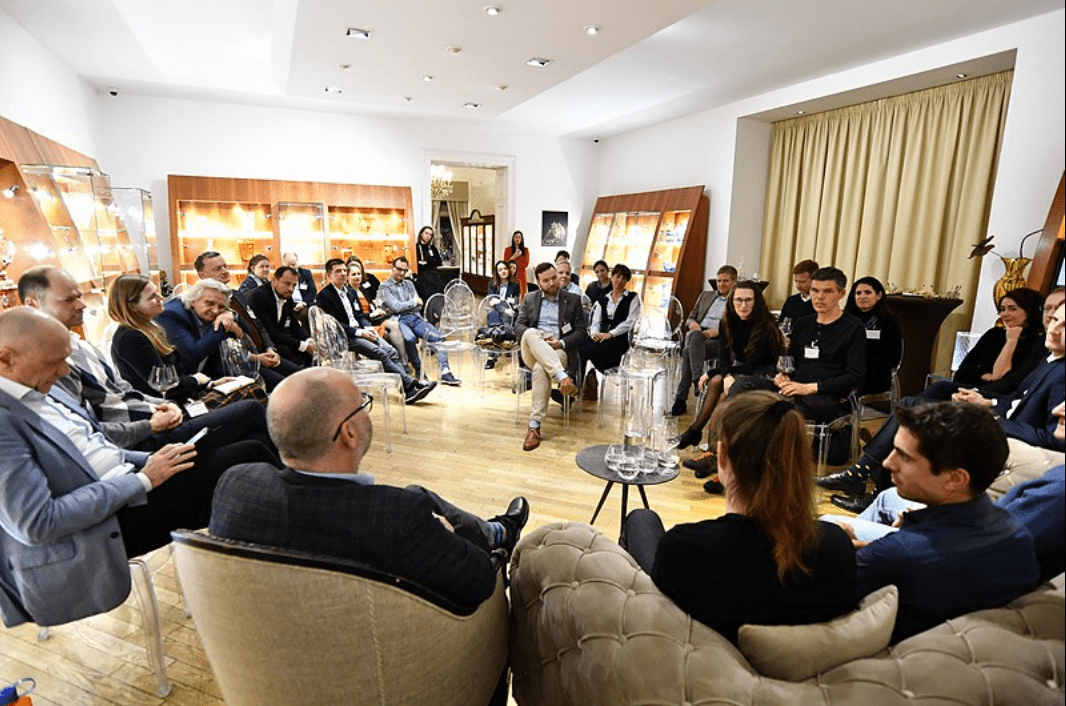
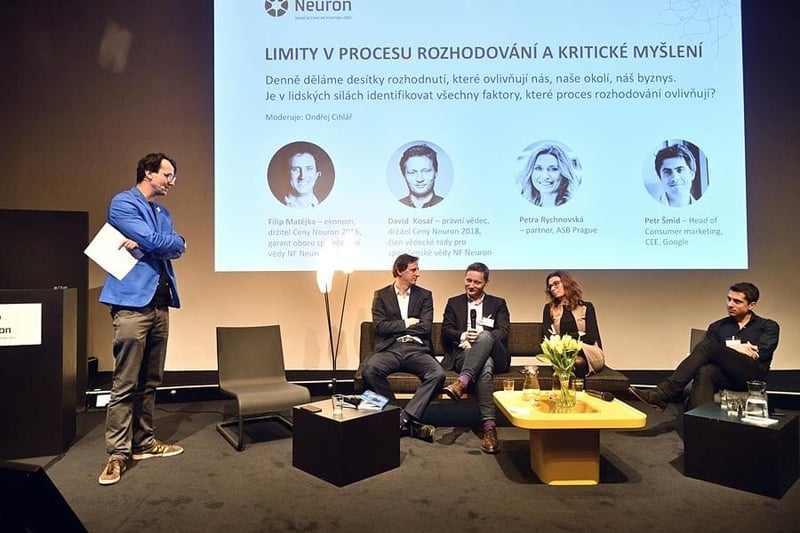
We are globally connected as never before. Has the world changed once and for all? Can we make use of the new opportunities we now have? Are we more vulnerable, and is the complexity of systems growing so fast that we are more likely to face collapse? Will modern technology help us reduce the risks? These and other topics were discussed at another Neuron Club on 13 February 2020 at Moser.

What makes today's world different?
Besides socio-economic factors such as increasing life expectancy, greater urbanisation and falling crime in the West, what is fundamental is the availability and quantity of information. We do not quite know how to evaluate it and we are not using its potential to the full. Those who know how to make the right decisions will be the successful ones in future.
"The interests of the entire world population are being averaged out. Billions of people know the same things, the same celebrities, the same football clubs, have the same ideas and function in the same way, but perhaps that is a pity, because we are squandering the potential we have as humanity. We are impoverishing the world of individuality. In business it is very hard for local companies to compete with global players." The danger of globalisation: as human beings we are not adapted to being so uniform and to functioning in such large communities.
Where do the risks and the progress of our time lie?
We are homogenising the world – which makes civilisation more susceptible to disease and so on. These threats will grow as human society becomes more interconnected, larger and more alike. The more homogeneous we are, the more easily we can be attacked. That is a disadvantage compared with civilisation a hundred years ago, for instance.
The threat of artificial intelligence – manipulating people's consciousness. Disinformation is a critical area — we have two dominant players, Google and Facebook, which are powerful because they take part in the flow of information. Public opinion is nothing other than a reflection of what information reaches us. Whoever controls that flow is able to manipulate people's consciousness. These companies have not taken a responsible position on this, and evidently will not, because if they began to behave more responsibly towards society their profits would fall. The whole situation will get considerably worse as deep fakes spread.
The need for decentralisation – an important part of preventing problems. A central government, for instance, never has local information. All decentralised systems (political or economic) function slowly and awkwardly (which people often complain about), but over the long term they work better, because there is no sudden change that could cause major problems. "When a big problem comes all at once and we have a dictator who decides badly, it can bury the whole system. If we preserve decentralisation, we minimise the risks."
Technology has enormous potential — in the positive sense it can bring a larger number of people into decision-making. Its negative risk lies above all in the manipulation of public opinion through disinformation. That is best detected through so-called narratives (used mainly by states). On the other hand, as soon as we create a filter for disinformation, the opposing players adapt immediately and the measure stops working in practice.
Probably the best prevention against the negative influence of technology is a good education and a functioning family that does not give up on bringing up the new generation.