Neuron Expedition — after the uses of ayahuasca to the Amazon, 2016
17 September 2016
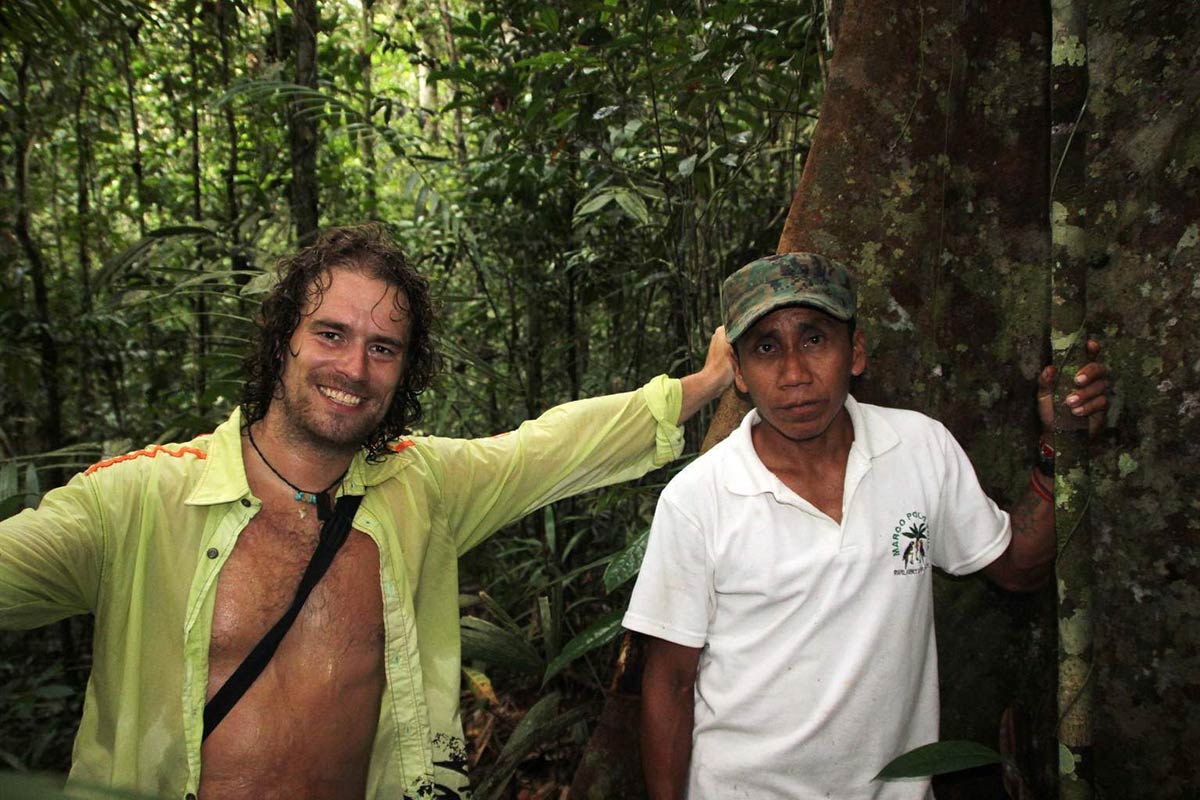
Natural hallucinogens as a new hope in the treatment of depressive disorders. Does the ritual use of the psychedelic ayahuasca have antidepressant potential? The psychiatrist Tomáš Páleníček will find the answer in Peru.
LATEST: listen to fresh news from the May journey after ayahuasca HERE (from 7:56)
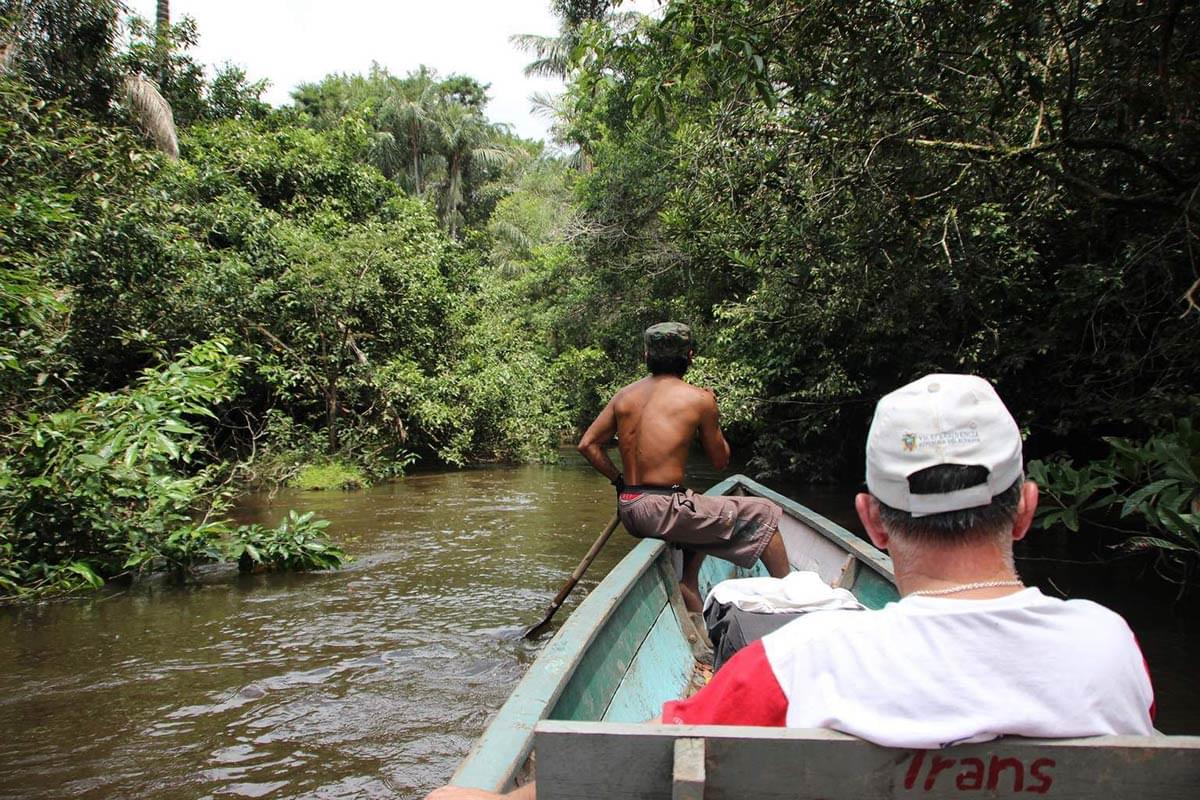
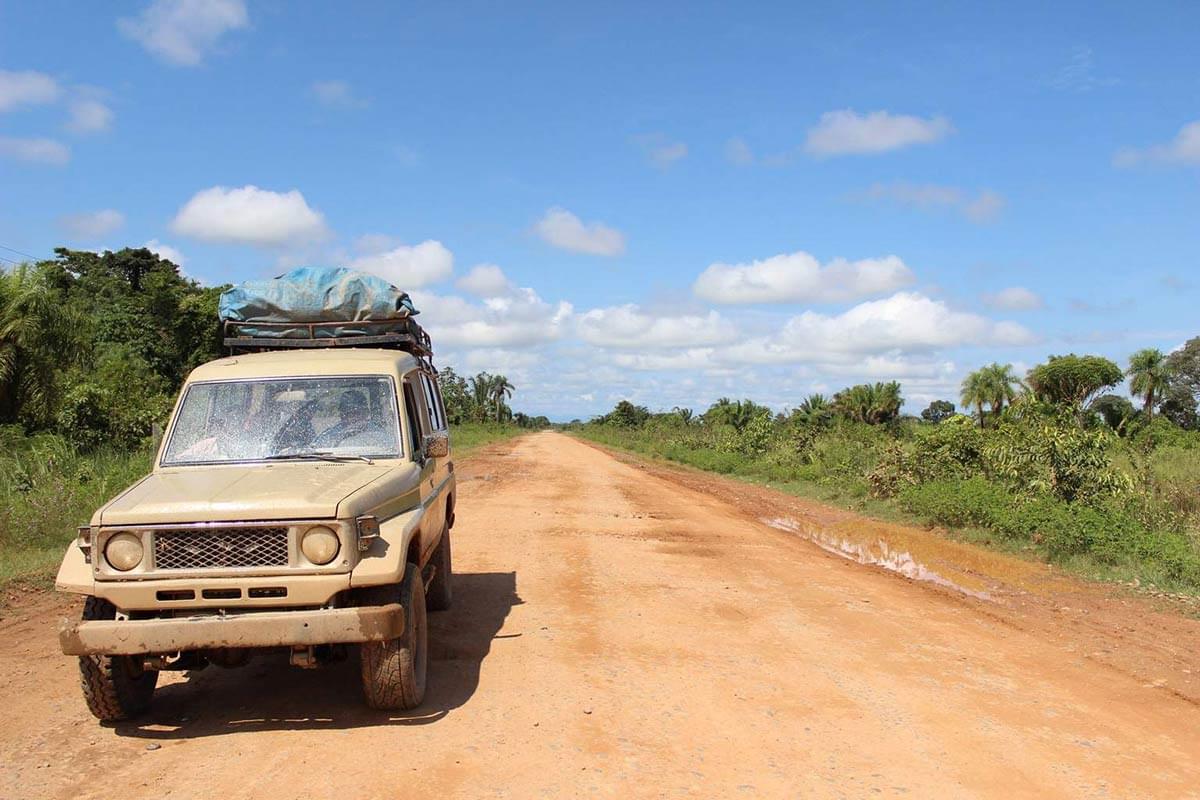
Treating depression with antidepressants works in only some patients, so new ways of treating it must be sought. A very rapid and strong antidepressant effect has newly been found in some psychedelics. The aim of the expedition led by Dr Tomáš Páleníček is to answer the question of whether the ritual use of the psychedelic ayahuasca has antidepressant potential from a clinical and a neurobiological point of view, and can thus be used in further research into treating depression. The findings of the team, which thanks to the support of the Neuron Endowment Fund will set off for Peru in August 2017, may thus contribute significantly to reducing the suffering of depressed patients.
Tomáš Páleníček
He has worked at the National Institute of Mental Health (NUDZ, formerly the Prague Psychiatric Centre) since 2001, when he began preclinical research into the neurobiology of schizophrenia in pharmacological models of psychosis. Very soon he extended his field of activity to research into the neurobiology of the effects of psychedelics (LSD, psilocin, 2C-B, mescaline and so on) and entactogens (the drug Ecstasy, or MDMA) and of new synthetic drugs. Alongside the research activities carried out during his postgraduate studies he completed clinical training in psychiatry and obtained a specialist qualification in electroencephalography (EEG). He defended his PhD in 2009 and obtained his specialisation in psychiatry in 2012. He has now extended his research activities to human experiments as well. He takes part in projects with ketamine as a model of psychosis and also in studying its antidepressant effects. He is the principal investigator of the first project in the Czech Republic aimed at researching the acute effects of cannabis in healthy volunteers and of the first project in the Czech Republic in which the psychedelic psilocybin is administered to human volunteers as a model of psychosis. The main direction he pursues within this research is the functional connectivity of the brain, studied by means of EEG. In clinical practice he currently works in outpatient care.
What they wrote about the Neuron Expedition:
Neuron Expedition — Ayahuasca — Tomáš Páleníček (ČT 24, 7:56, 20 June 2019)
Treasure in the jungle — Tomáš Páleníček (Reflex, p. 14, 23 May 2019)
Neuron Expedition — ayahuasca — Tomáš Páleníček (ČT 24 — News, 18:35, 17 April 2019)
New methods in treating depression — Tomáš Páleníček (ČT — Studio 6, 17 April 2019)
Czech scientists are heading on an expedition to the Amazon. They will study a hallucinogenic drink (novinky.cz — 23 November 2018)
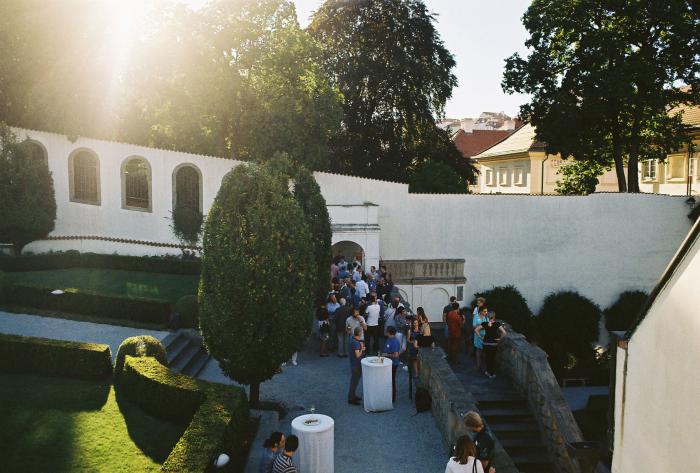
Psychedelics in medicine and psychiatry (Science Café Prague, June 2016)
Hallucinogens as antidepressants? (Czech Radio Plus Leonardo, 13 June 2016)
Psychedelics in medicine and psychiatry (Science Café Prague, June 2016)