Grygar, Havrdová and rising scientific hopes lit up the Neuron Awards 2025
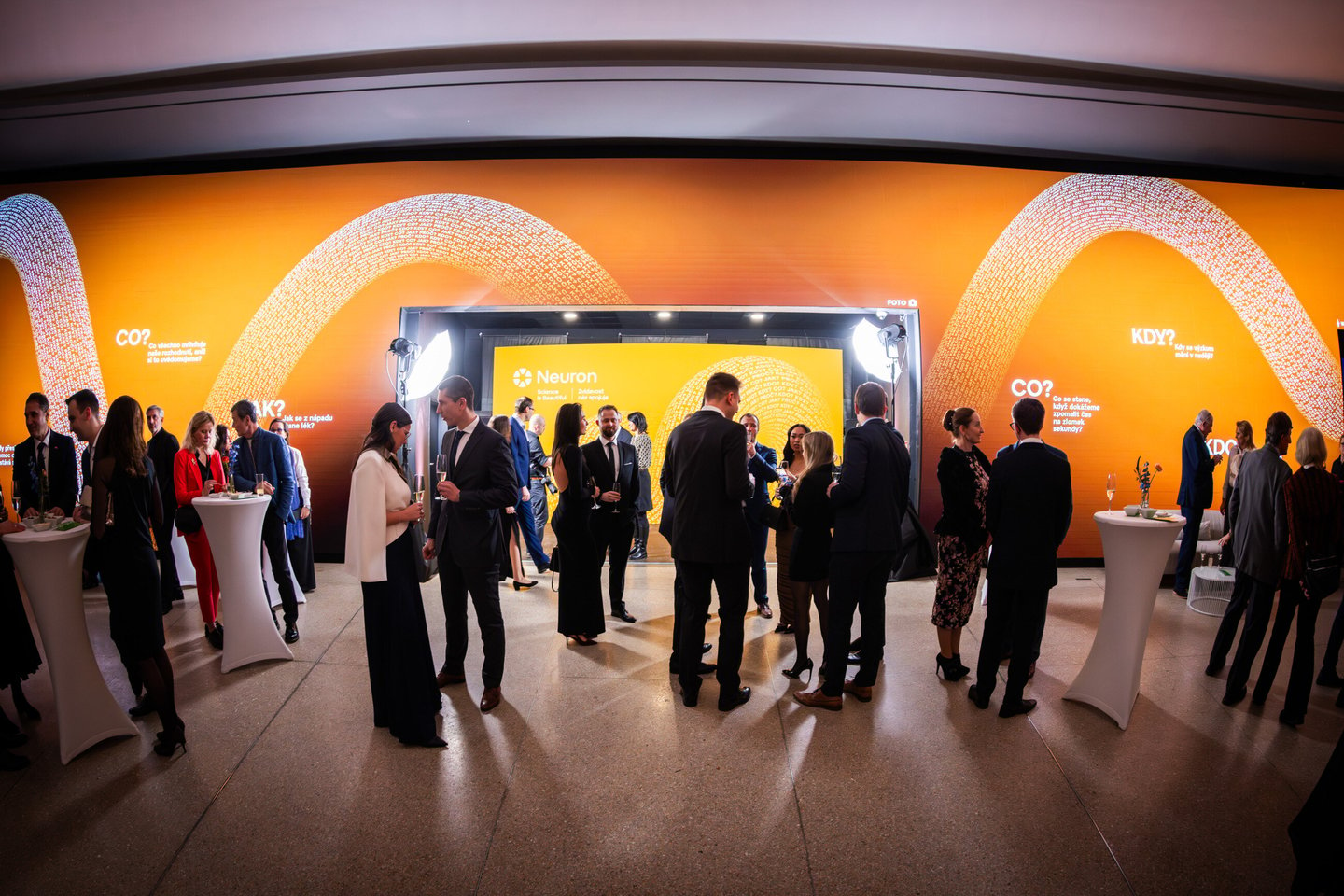
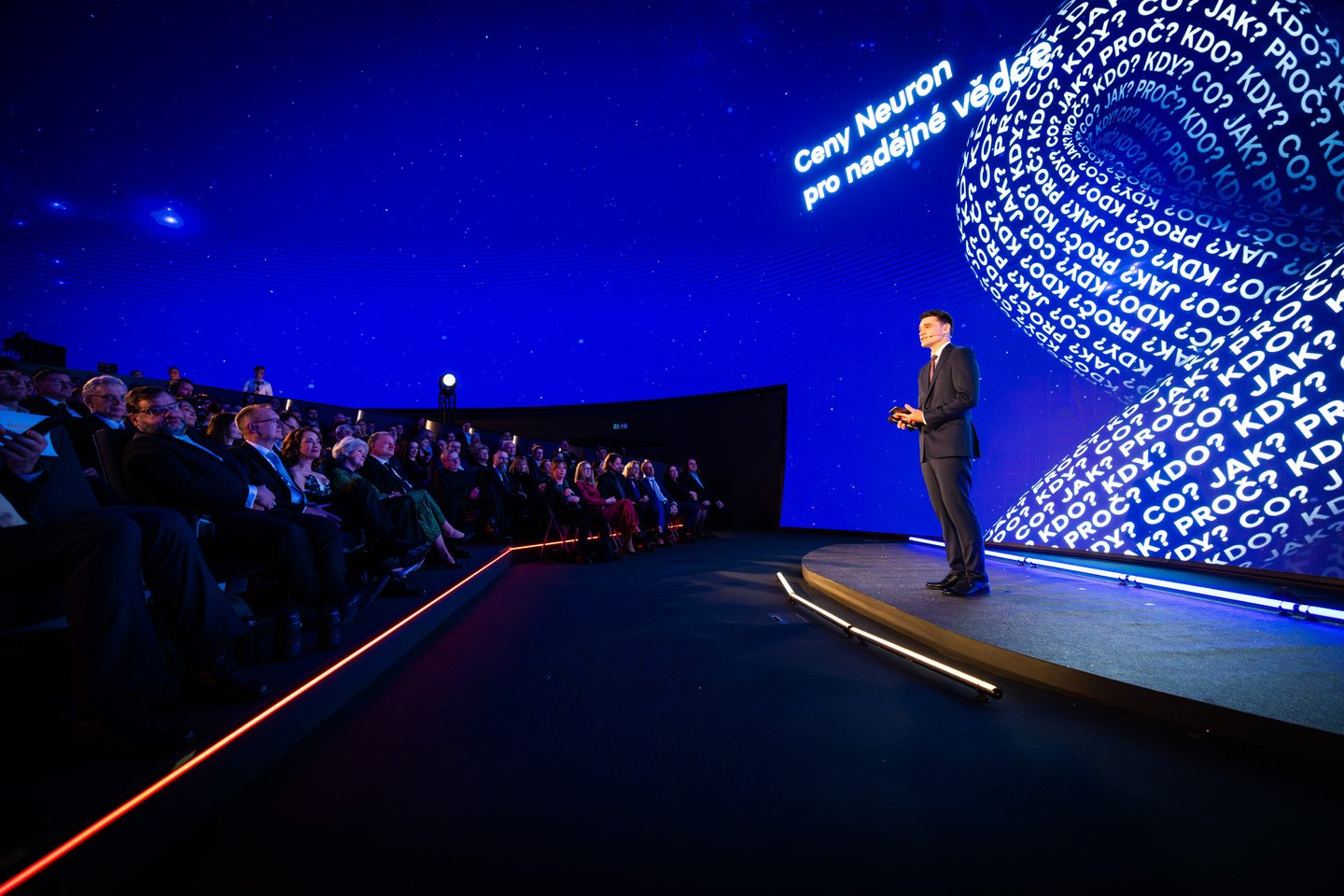
The Sunday gala evening at the Prague Planetarium, at which the Neuron Foundation presented the prestigious Neuron Awards 2025, was a great success. We set off together for the "stars" — above all thanks to the legendary astrophysicist Jiří Grygar, who to thunderous applause from three hundred spectators under the dome received the Neuron Award for fostering a love of science. He received it on the direct nomination of Monika Řasa Vondráková, director of the Neuron Foundation, and from the hands of co-founder and patron Dalibor Dědek, together with a glass statuette and a cheque for CZK 500,000. "I can't believe it, but it is true that I have sent a lot of people into orbit," said Grygar, whose video spot as a keen cyclist had the hall laughing. The Neuron event was held under the auspices of the President of the Czech Republic, Petr Pavel.
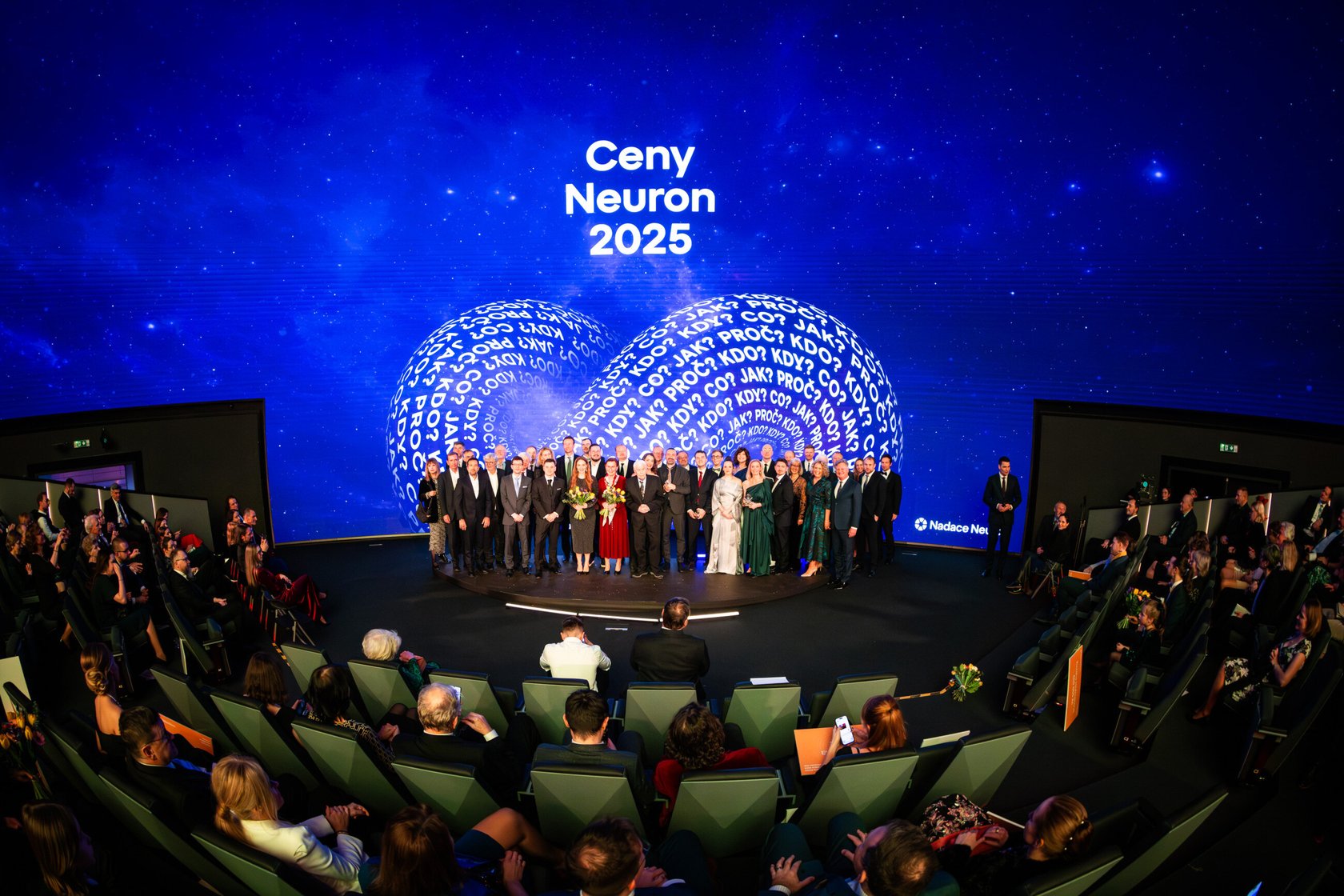
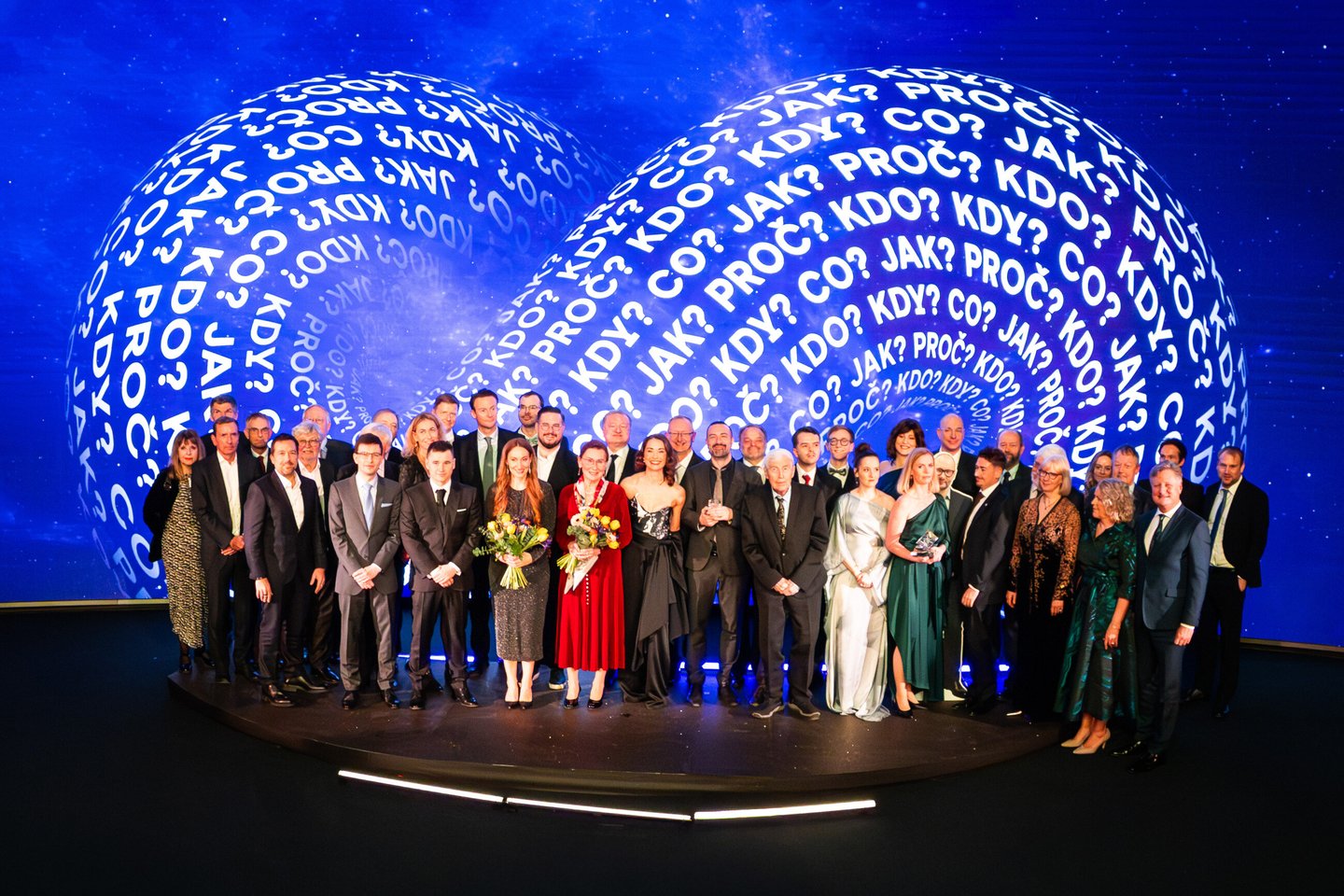
The Sunday gala evening at the Prague Planetarium, at which the Neuron Foundation presented the prestigious Neuron Awards 2025, was a great success. We set off together for the "stars" — above all thanks to the legendary astrophysicist Jiří Grygar, who to thunderous applause from three hundred spectators under the dome received the Neuron Award for fostering a love of science. He received it on the direct nomination of Monika Řasa Vondráková, director of the Neuron Foundation, and from the hands of co-founder and patron Dalibor Dědek, together with a glass statuette and a cheque for CZK 500,000. "I can't believe it, but it is true that I have sent a lot of people into orbit," said Grygar, whose video spot as a keen cyclist had the hall laughing. The Neuron event was held under the auspices of the President of the Czech Republic, Petr Pavel.
It was magnificent!
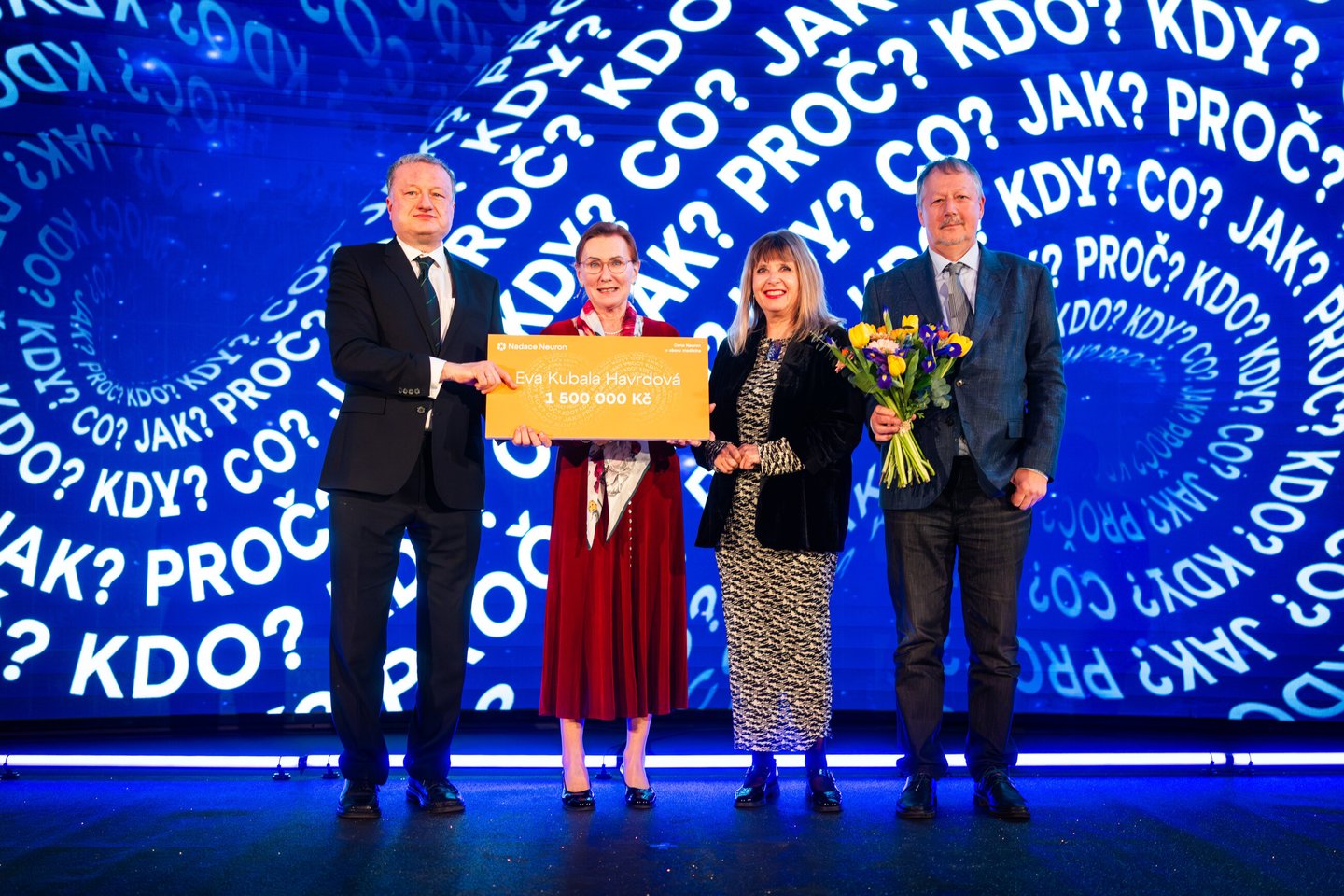
During the live broadcast, hosted by Daniel Stach of the ČT24 science desk, eleven awards were presented in all: the debut Neuron Rising Star award for a young talent, seven crystal trophies for promising world-class scientists by field, the award for connecting science with business and, of course, the main Neuron Award 2025. That went to the physician Eva Kubala Havrdová of the Department of Neurology of the First Faculty of Medicine and the General University Hospital, whose research, work and care have brought a marked improvement in the lives of patients with multiple sclerosis. And not only at home, but abroad as well. The award was presented to her by the chair of Neuron's scientific council, Professor Jan Konvalinka, and the patron Libor Winkler. The Centre for the Treatment of Multiple Sclerosis at Prague's General University Hospital, led by Havrdová, sets world trends in the field. "The subject of multiple sclerosis used to be completely ignored here. When I was starting out and setting up a newly conceived kind of care for patients with this disease, I had respect abroad. Here, nothing. Just obstacles put in my way. It took years for that to change. That is also why I see the Neuron Award as satisfaction — recognition of my work, and it makes me happy," says Professor Kubala Havrdová, who received a personal financial premium of CZK 1.5 million along with the award.
With a number of new features, and with youth
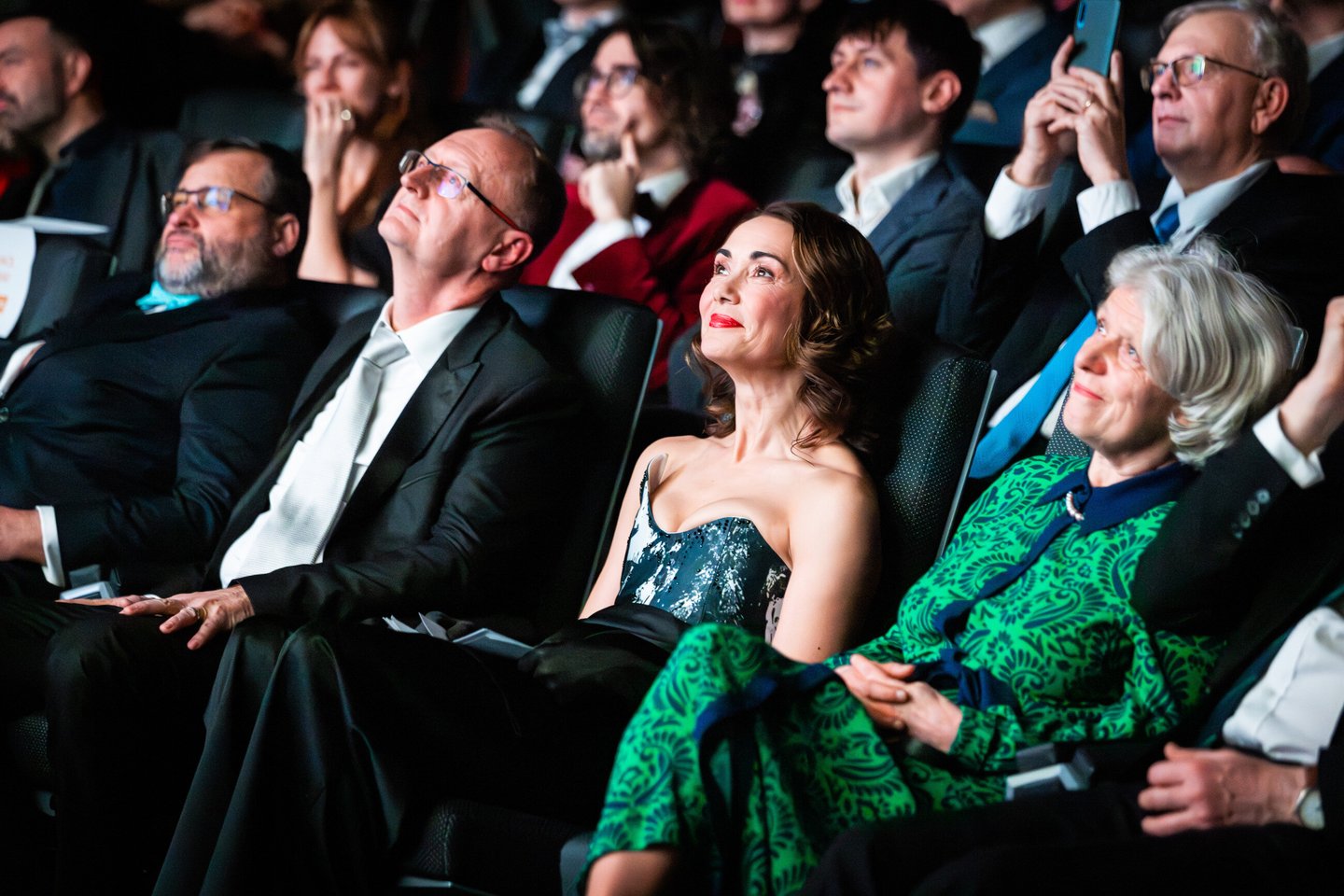
The modern Planetarium, with its hi-tech equipment, added to the scientific atmosphere of the evening. "We are enormously happy about the gala evening. Exceptional, wonderful people came together here to pay tribute to outstanding award-winning scientists. Neuron was founded so that scientists in this country would have good conditions for their work and would be respected here. Today we can see that it is working, that the Neuron Foundation's mission is a success and makes sense. That is also why, together with our patrons, we are opening another chapter. We are aiming more at youth. We want to connect outstanding young talents from science, and from business too, with the best and with each other as soon as possible — with the clear aim that their curiosity, knowledge and energy bring lasting benefit to the Czech Republic. Curiosity is what connects us," says Monika Řasa Vondráková, who accompanied the visitors through the gala evening together with Dan Stach.
As proof of Neuron's interest in young scientific hopes, the Neuron Rising Star award was presented for the first time to the (eighteen-year-old) chemist Václav Verner. Although he only recently sat his school-leaving exams at the PORG Libeň grammar school in Prague, he went straight into the second year of chemistry at the University of Chemistry and Technology and already has a paper in a scientific journal! Neuron sent him on his way with a cheque for CZK 100,000, presented to him along with the award by the new patron and technology visionary Jaroslav Beck.
Seven world-class scientists
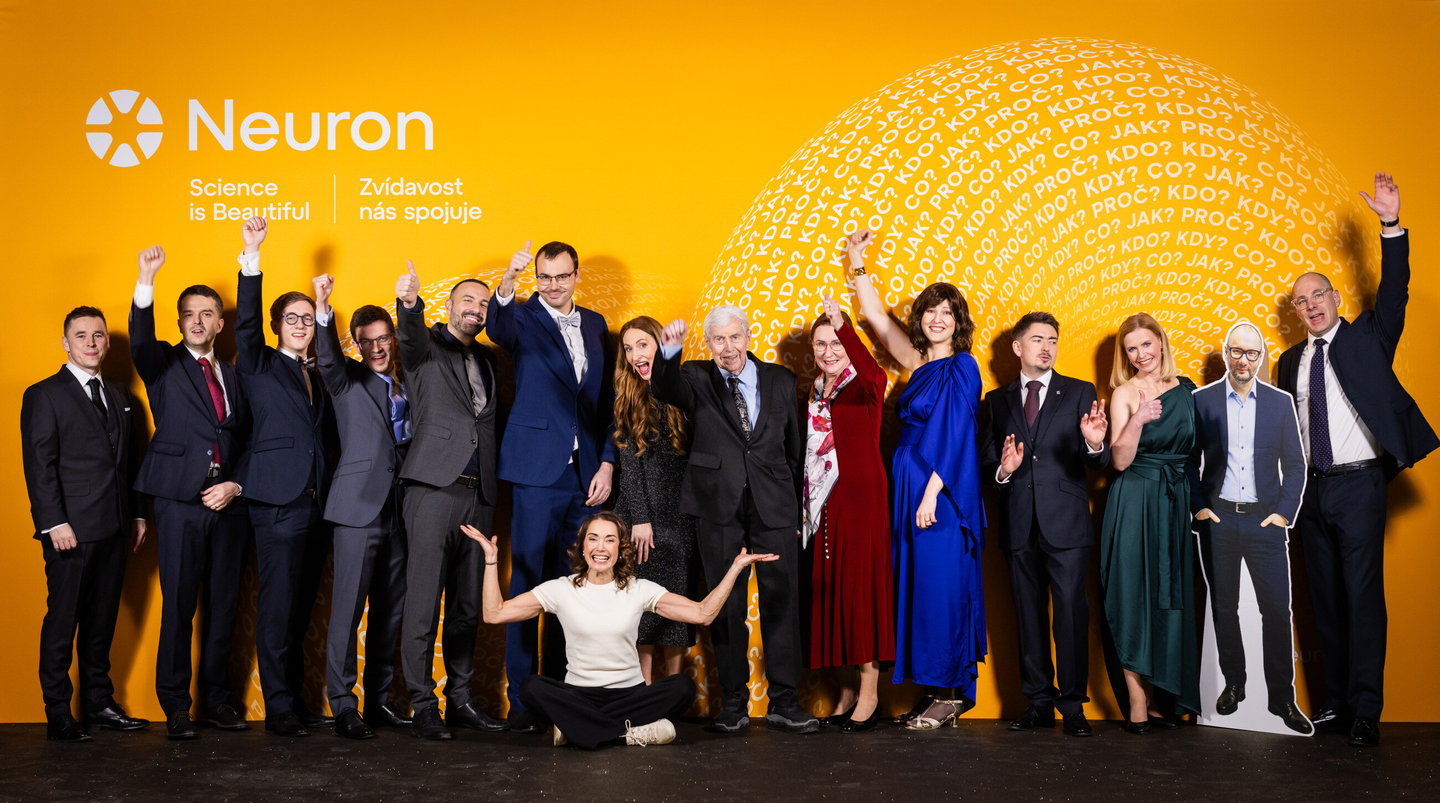
And then came the triumphs by field. The traditional Neuron Awards for promising scientists went this year to seven young scientists who are achieving significant international success in their fields and who, besides curiosity, share experience from elite global institutions: from MIT, the University of California, Berkeley and ETH Zürich. Thanks to the Neuron Foundation's patrons, the laureates receive a premium of CZK 500,000 in support of their further scientific work.
The first to receive an award, for the social sciences, was Michal Smetana of the Faculty of Social Sciences of Charles University, who innovatively connects international relations, security studies and political psychology, into which he has even brought experimental methods from the natural sciences. He recently also won an elite European Research Council (ERC) grant for research into the stability of NATO, a highly topical subject. The Neuron Award was presented to him at the Planetarium by the patron Václav Dejčmar.
An exceptional figure in world mathematics is Erin Claire Carson of the Faculty of Mathematics and Physics of Charles University, who managed to crack a seemingly unsolvable computational problem, with an impact across a spectrum of disciplines — from high-performance computing (HPC) through simulations to machine learning. The Neuron Foundation recognised her qualities and the donor Josef Průša offered his congratulations.
International excellence is also achieved by the physician Tomáš Jelínek, the laureate in medicine. He won the award for combining top-level research with clinical practice and for his efforts to make cancer treatment more humane and less painful. His work is proof that world-class medicine can be done outside the great global centres too, if it is done by people with vision and courage. The cheque and crystal trophy were presented to the physician of the University of Ostrava and the University Hospital Ostrava by the patron Marek Dospiva.
In biology the award went to Zuzana Hofmanová of Masaryk University and the Max Planck Institute for Evolutionary Anthropology in Leipzig, who founded one of the first laboratories for the analysis of ancient DNA in the Czech Republic and who, thanks to unique analyses, is writing new chapters of human history and developing the promising field of archaeogenomics. The award was presented by the patron Jan Hammer.
Visitors were also amused by the "taxi" video of Václav Rozhoň, the deserving winner in computer science. The scientist from the Faculty of Mathematics and Physics of Charles University won for breakthrough results in the theory of algorithms, for explaining why one of the most widely used machine learning algorithms (K-Means) works, and for his ability to bring science to the public in an accessible way. That was appreciated not only by Neuron's scientific council but, on stage in person, by the long-standing patron Eduard Kučera.
At the same faculty, the Faculty of Mathematics and Physics, there is cause to celebrate the Neuron Award for physics, which now belongs to Michal Vališka. He developed the preparation of extremely pure crystals of the uranium compound UTe2, which have fundamentally influenced world research into quantum materials and brought the development of superconductors and quantum computers closer. The award was presented to him on Sunday by the patron Jaroslav Řasa, who was joined in the presentation by the newly appointed chair of Neuron's scientific council Tomáš Jungwirth — a scientist of world standing (in spintronics).
And finally, in chemistry, the award crafted by Lasvit went to Vít Svoboda of the University of Chemistry and Technology in Prague, who is able to use ultrashort pulses of light to "slow down time", as it were, and make visible what is otherwise invisible, revealing the principles of the dynamic behaviour of molecules and potentially leading to breakthrough applications. The award was presented to this outstanding chemist, who came to the Czech Republic from ETH Zürich, by the patron Libor Musil.
Connecting business and science
The Czech spin-off company Adalid Sciences, which grew out of the Institute of Organic Chemistry and Biochemistry of the Czech Academy of Sciences, has already reached practical use and applications. Its founders are Klára Grantz Šašková, Petr Cígler, František Sedlák and David Schreib. They can now boast the renowned Neuron Award for connecting science and business, because they have developed and are improving nanoparticles with the superhero name XMANi, which may play a key role in the rapidly developing field of gene therapy. The award was presented to them at the Planetarium by Martina Benešová Schafer.
"We bring together top-class science and top-class business. We enjoy that. But it would not be possible without our patrons, supporters and partners," the director Řasa Vondráková recalled. The Neuron Foundation therefore thanks above all its patrons, among them: Jan Barta, Ondřej Bartoš, Jaroslav Beck, Václav Dejčmar, Dalibor Dědek, Marek Dospiva, Ondřej Fryc, Jan Hammer, Eduard Kučera, Barbara Paldus, Josef Průša, Jaroslav and Monika Řasa, Jan Široký and Libor Winkler. Great thanks also go to the general partners (IOCB of the Czech Academy of Sciences and IOCB Tech), the main partners (Notino, the Holeček Family Foundation), the partners (Accolade, Erste Private Banking, ČSOB Private Banking, FTMO, the Planetarium) and special thanks are due to Lasvit, Vinisto and Kytky od Pepy. Thank you, and see you next year!