Laureate Biology
Mgr. Zuzana Hofmanová, Dr.
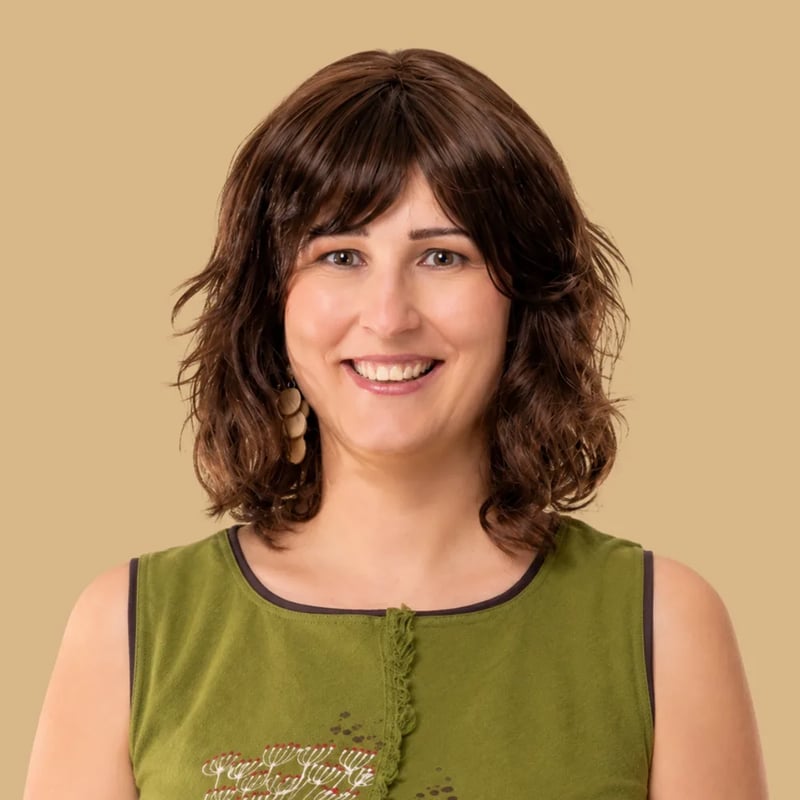
Neuron Award laureate for promising scientists
We all know stories told through literature, paintings, songs or films. Zuzana Hofmanová, though, can read the fates of ancient people from molecules of DNA as well. She is among the Czech pioneers of archaeogenomics, a field that joins genetics, archaeology and biology. Her aim is to find out where people moved in the past, what families they formed and how their life stories intertwined. She is especially interested in the “invisible” people of history — women, members of the lower classes and of disadvantaged ethnic groups.
She studied anthropology, archaeology and genetics in Czechia (at Masaryk University and Charles University) and in Germany, and she connects all these fields effectively in her research. She leads laboratories at the Max Planck Institute for Evolutionary Anthropology in Leipzig and at Masaryk University in Brno. She founded one of the first laboratories for the analysis of ancient DNA in Czechia. She is among the most productive and most significant Czech scientists of her generation.
Why did she receive the Neuron Award?
She founded one of the first laboratories for the analysis of ancient DNA in Czechia, and her unique analyses write new chapters of human history. Abroad she has won international standing, which she now uses to support science in Czechia. She has a significant share in the development of archaeogenomics and is among the most important Czech scientists of her generation.
Her work writes new chapters of human history and gives a voice to those who have long been gone. Besides human fates she also studies animals, plants and other organisms.
Can you recall a turning point in your career?
When we were assembling our first large family tree of ancient people, each further sample gave results showing that the family would be bigger and bigger. Late in the evening I was looking around the institute for anyone I could tell, hopping along the corridors. Before that they had been graves next to one another, skeletons, samples — and suddenly they were mothers, sisters, uncles, grandfathers.
Do you remember any childhood questions that kept you awake? Has a child (or an adult) ever asked you a question that inspired you somehow?
The questions I would like answered are unanswerable — how people thought long ago, what it would be like to talk to them, and what those who come after us will remember about us.
One of the questions that inspired me came when I was telling someone about history — France, I think — and they asked me how things were here at that time. At that moment I fully realised how selective history is. How little is known about whole large regions, and also about poorer people or about women. And yet they were our ancestors too.
Which five words or phrases describe you?
Decisiveness, doggedness, creativity, impatience, optimism
If you could have any superpower, what would it be and why?
Probably the ability to heal. Or to travel in time — but then my science would not be needed nearly as much.
What must not be missing from a recipe for good science?
Curiosity and enthusiasm. And a certain stubbornness.
Science and family — how do they rhyme for you?
With difficulty, but they do. If you attempt to have more than one child and do science at the highest level, the choice of partner is crucial. People like to talk about supporting women in science, but few are willing to do something really big and personal about it — to live that reality every day. I was enormously lucky to find someone like that.
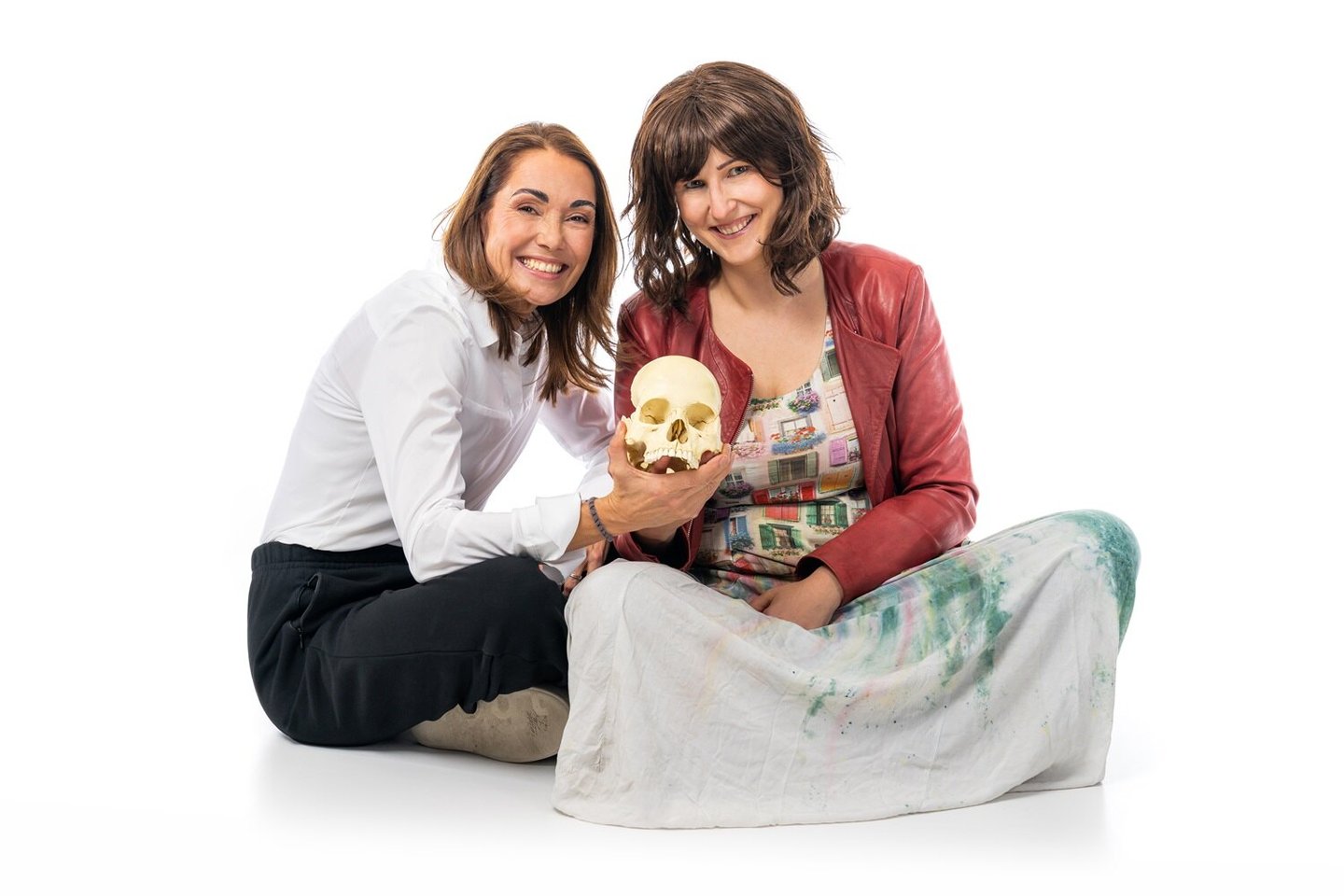
“History is selective. How little is known about whole large regions, and also about poorer people or about women… And yet they were our ancestors too.”