Laureate Social sciences
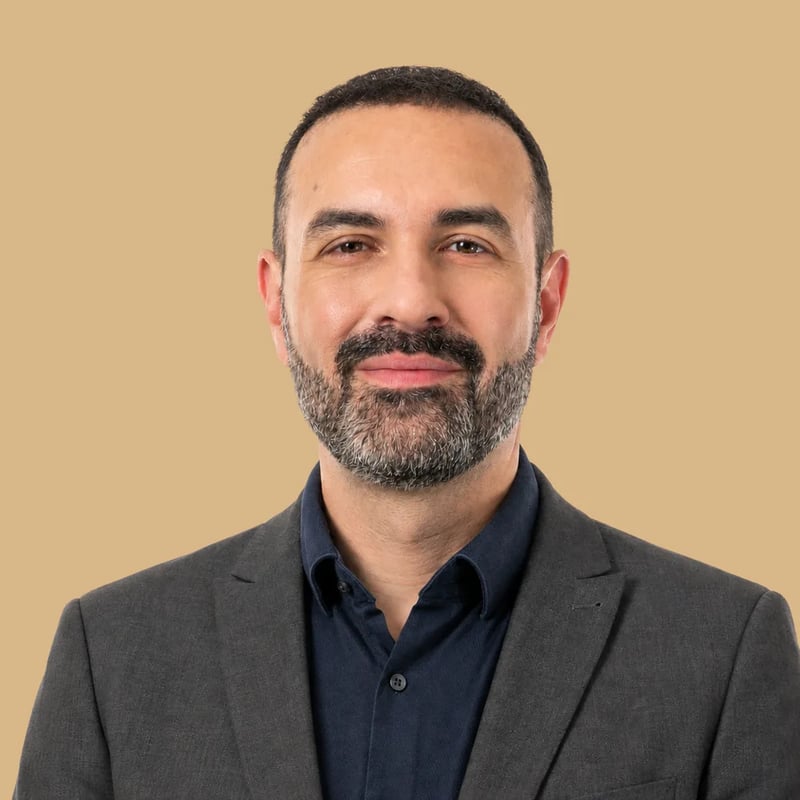
Doc. PhDr. Michal Smetana, Ph.D.
Neuron Award laureate for promising scientists
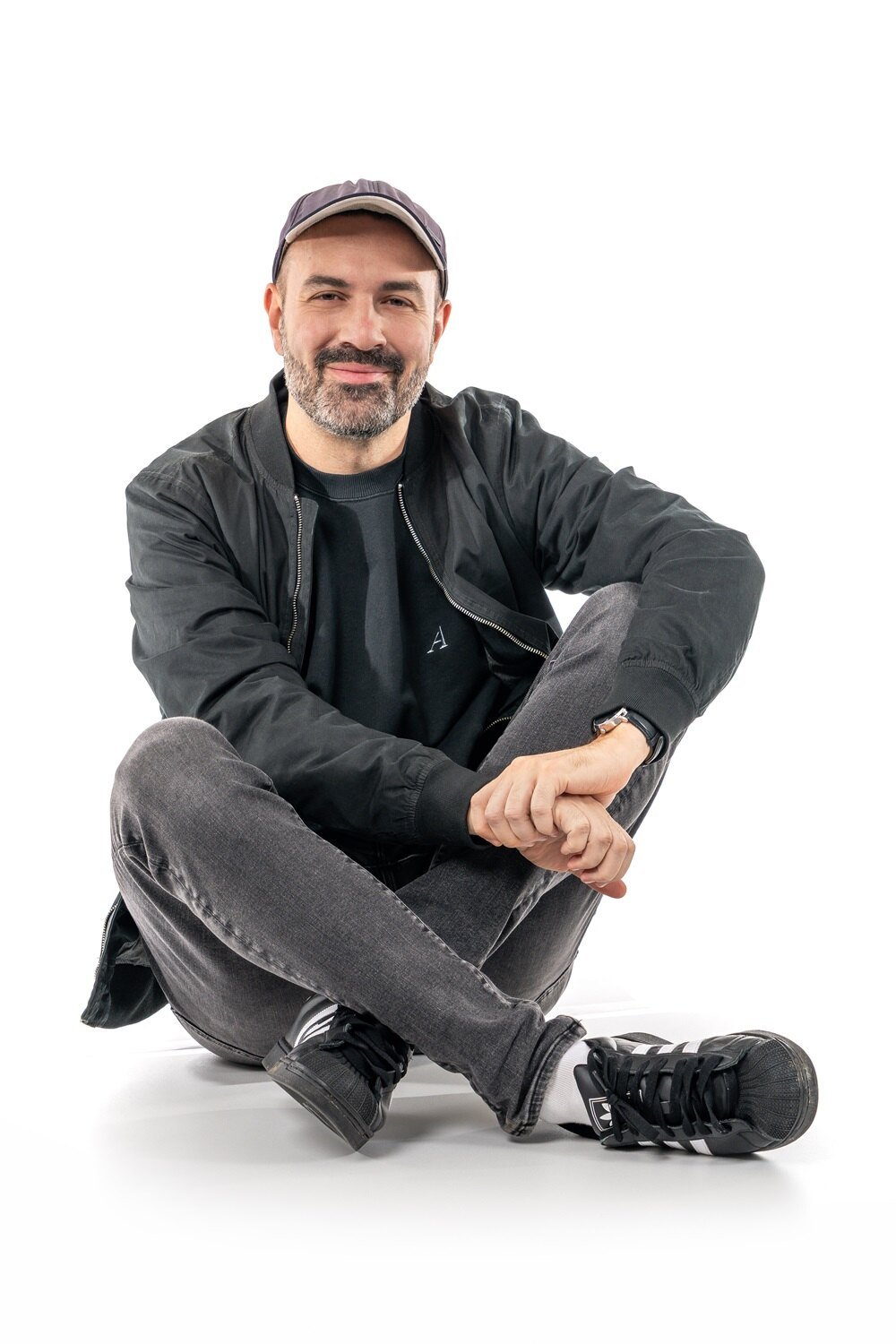
He works at the Faculty of Social Sciences of Charles University in Prague. He focuses on nuclear weapons, disarmament and the ways in which international norms are contested and eroded, connecting international relations, security studies and political psychology in his research. He runs the Peace Research Center Prague and leads the Experimental Laboratory for International Security Studies (ELISS) at Charles University. He received an ERC Starting Grant of 1.5 million euros for a project on the stability of NATO. He presents his research and lectures at major universities abroad (Harvard, Stanford and Cambridge among them).
All sorts of things can be studied in laboratories: tissue samples, micro-organisms, chemical reactions… and, surprisingly, war and peace as well, as Michal Smetana does at the Experimental Laboratory for International Security Studies (ELISS). He studies how people react to threats, what trust between nations grows out of, and why conflicts escalate. What others consider abstract, he turns into numbers, models and experiments — he makes emotions into measurable quantities. At the Faculty of Social Sciences of Charles University he leads, besides ELISS, the Peace Research Center Prague, and he presents his research at famous universities abroad such as Harvard, Stanford and Cambridge.
Why did he receive the Neuron Award?
In his work he connects international relations, security studies and political psychology in an innovative way. He brought the experimental methods of the natural sciences into the social sciences.
While others merely debate war and peace, he studies them scientifically — and on top of that he can translate expert language into a form the general public can understand. He has won the respect of the world research community and shown that a Czech scientist can shape the international debate about security.
Can you recall a eureka / aha / wow moment of your own?
When, many years ago, I first ran a statistical analysis of data to replicate a well-known experimental study, the results came out exactly the same as in the original… and suddenly, for the first time, it really clicked what the law of large numbers is about, and that experimental methods really can be used in the social sciences for tremendously interesting and widely valid discoveries.
Which five words or phrases describe you?
Neuroticism, a lively imagination, determination, melancholy, curiosity.
If you could have any superpower, what would it be and why?
Time travel. I used to think it would be mainly to see what the future looks like. Now I would rather go back to nice moments in the past now and then.
Have you had a life or work "fuck-up"? And what did your fuck-up give you and take from you?
I have plenty of work fuck-ups behind me, and sadly life ones too. A lot of them turned out to be quite useful in the end and helped me become the person I am today.
Often it is exactly these fuck-ups that give you the motivation to do things better the second time. But of course some of them are simply failures where it is hard to look for the bright side, and part of life is coming to terms with them somehow.
As one of the great philosophers of the 21st century, Dwight K. Schrute, says: "Not everything is a lesson, Ryan. Sometimes you just fail."
What must not be missing from a recipe for good science?
- Learning to love the process and not fixating on partial successes.
- Creating a pleasant and inspiring working environment first, and only then expecting great scientific output from people.
- Understanding how crucial teamwork is in science today. And that openness and cooperation in science pay off in the long run.
Science and family — how do they rhyme for you?
I do not have children (yet), so I can hardly judge it well… but I do not consider myself a workaholic and I have a rich personal life and plenty of non-work activities even now, so I believe that one day this will fit together too.
I enjoy science enormously, but in general I think it is a big mistake to fixate on work at the expense of close relationships.