Laureate Medicine
prof. MUDr. Karel Raška, DrSc.
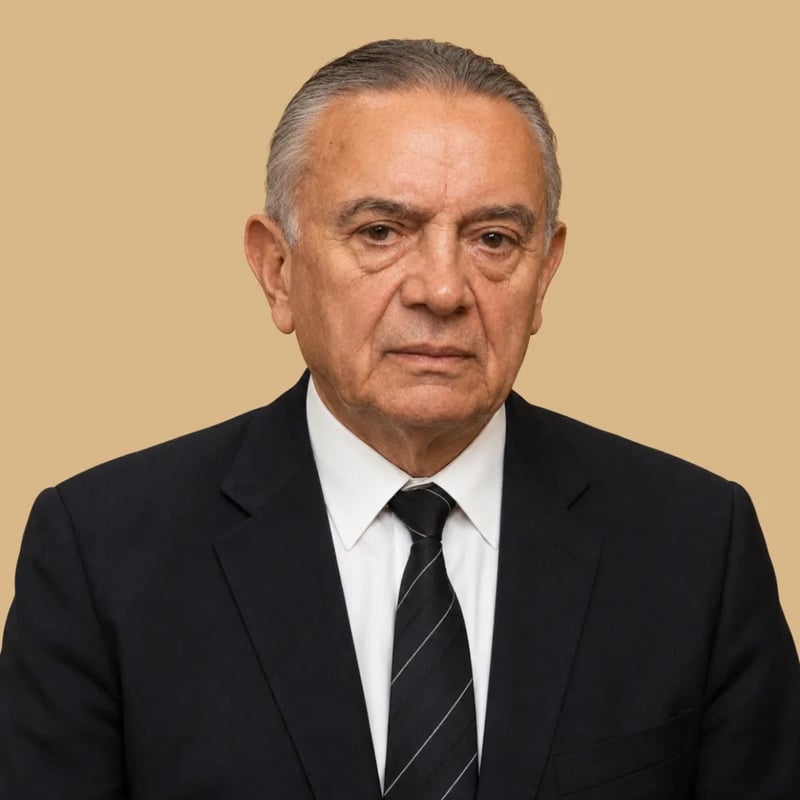
Honorary Neuron Award laureate, in memoriam, 2020 – medicine
In the exceptional year of 2020 the expert scientific board decided to present an extraordinary award: the Honorary Neuron Award, in memoriam, to Karel Raška — a scientist whose work and research contributed to the worldwide eradication of the smallpox virus and who had never been honoured by anyone in this country. Watch the medallion of Karel Raška and get to know the story of the microbe hunter and father of Czechoslovak epidemiology.
The story of the father of Czech epidemiology, Professor Karel Raška, can be compared to a detective novel. In his life he faced many dangers and risked his neck and his health fighting epidemics — at home, suppressing the typhus epidemic at Terezín at the end of the war, and later worldwide in the eradication of smallpox. The World Health Organization still follows his manuals during epidemics and pandemics today.
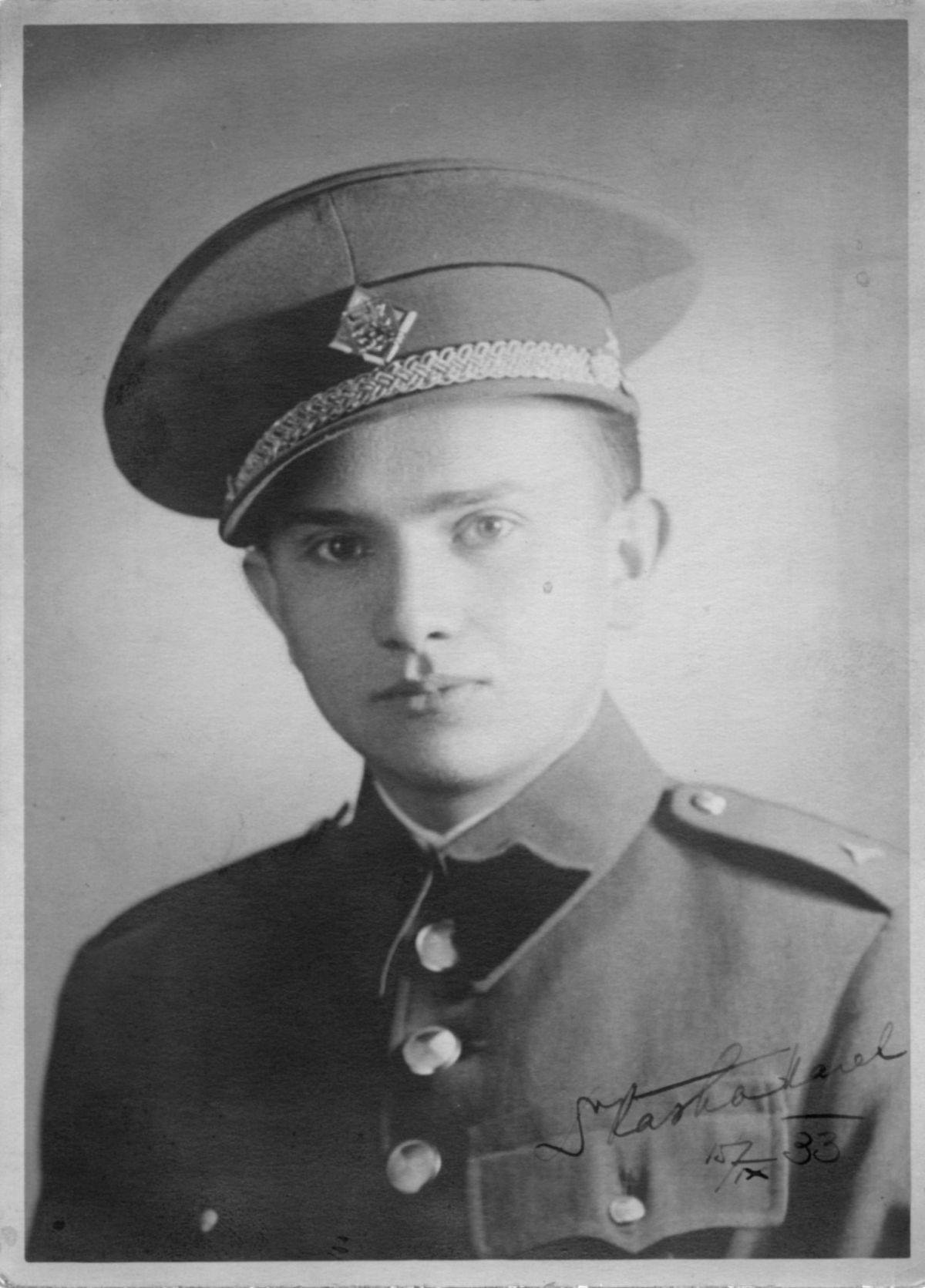
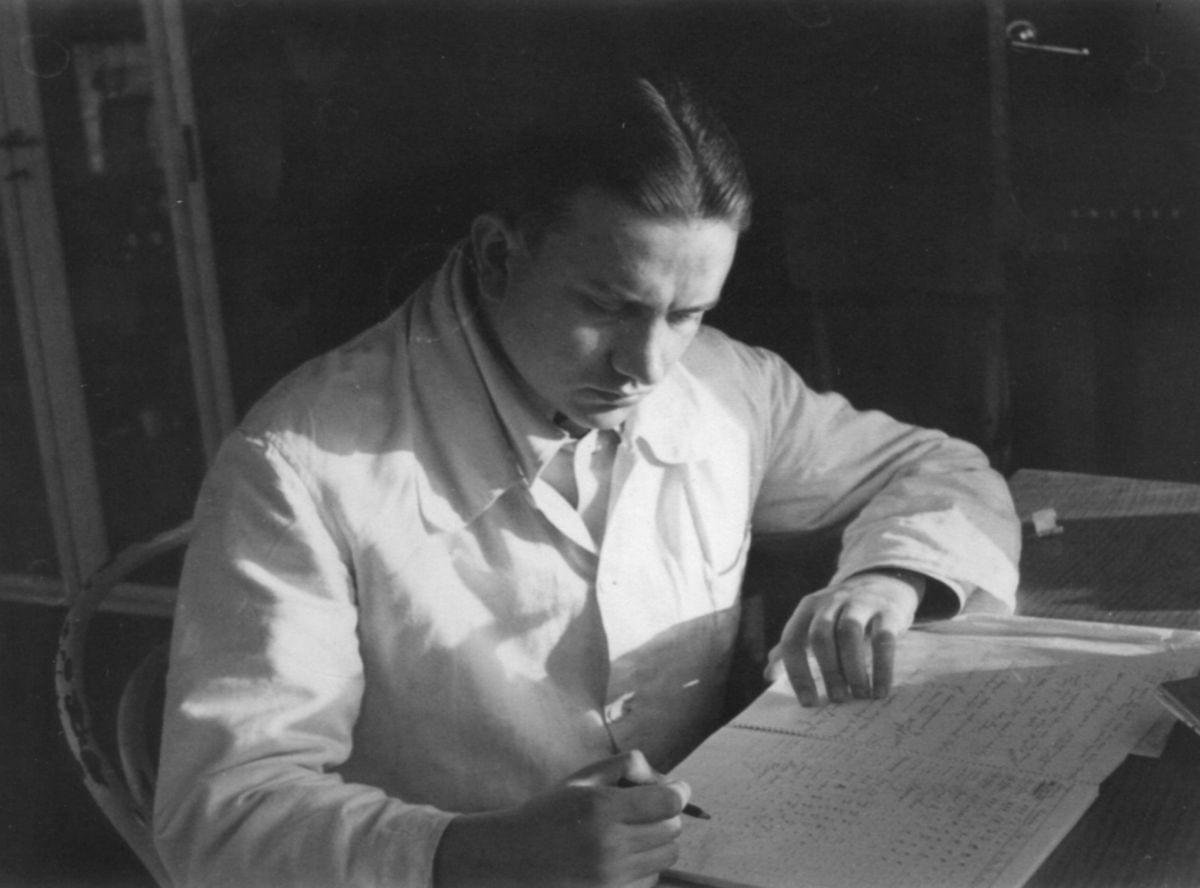
Karel Raška was born in 1909 in the small village of Strašín in the Šumava mountains, into a teacher's family. He attended grammar school in Sušice and then left for Prague to study medicine. Microbes began to interest him very early on; perhaps that is why his first work focused on sexually transmitted diseases and mapped the brothels of Prague. He was the first person in the world to describe the presence of the syphilis pathogen in the heart valve of a dead woman, for instance.
Before the war Raška oversaw health in the camps of expelled Czech refugees after the annexation of the Sudetenland. As a military doctor he collaborated with the Institute of Microbiology of the Faculty of Medicine of Charles University, and at just 30 he became head of the department of epidemiology and microbiology of the State Institute of Health.
He met his future wife Helena, a distinguished pharmacologist, at a medical students' ball. Helena came from a scientific family — her mother was one of the first women doctors in Europe, her father a significant scientist. Their sons Ivan and Karel Raška remember their mother as a brilliant woman with a drive to get things done.
The first great test
The first great test awaited Karel Raška in 1945. At Terezín, mass infection with typhus broke out among thousands of prisoners. Negotiation was needed before the SS soldiers let him into the prison. Then it was necessary to act fast. "My father was not afraid to stand up to authority, and above all he held to the rule that politics must not interfere in epidemiology. When action is needed, it has to be taken regardless of what the people currently in power think. That cost my father dearly many times later on."
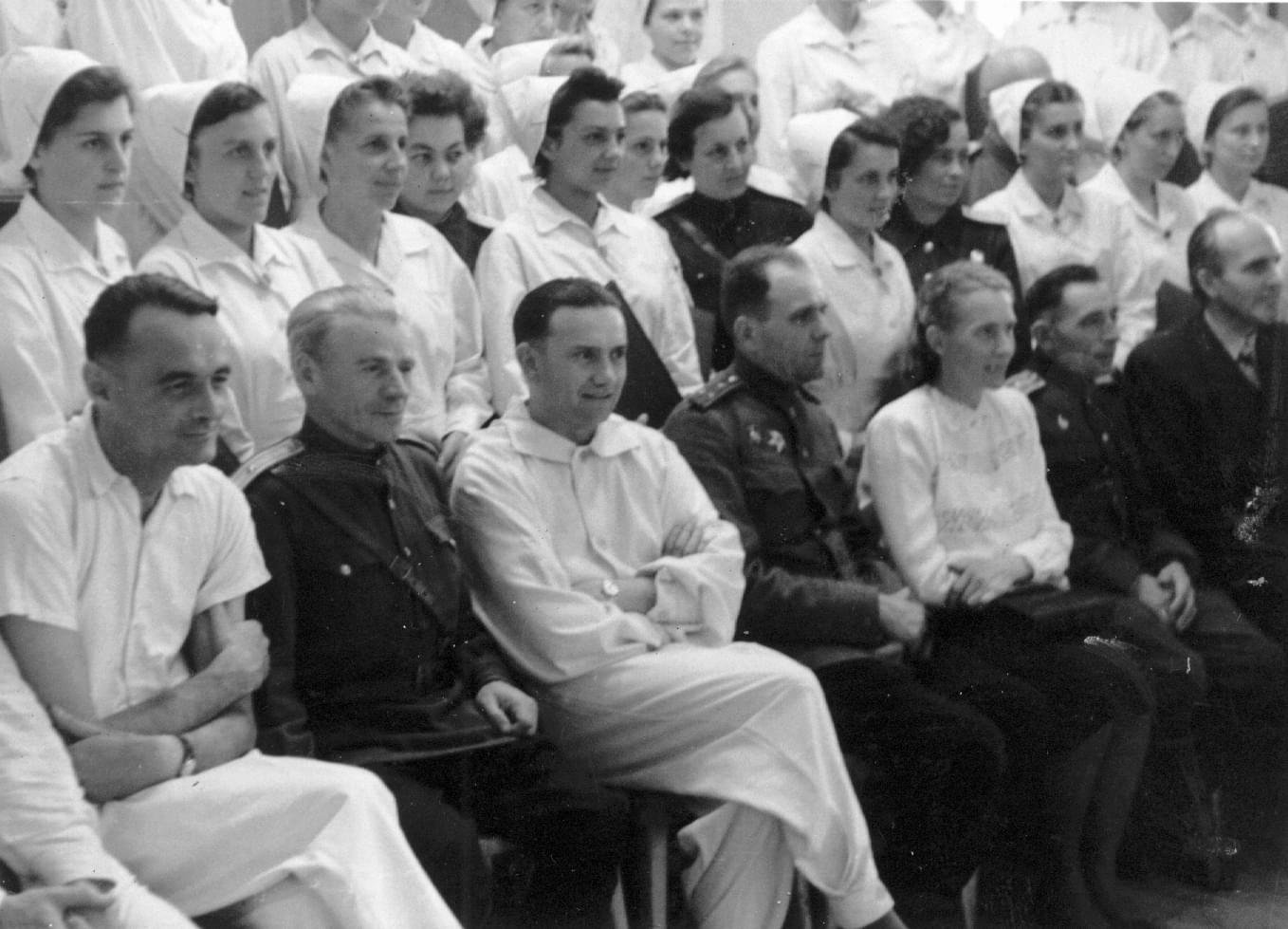
The already dramatic situation in the Terezín ghetto was complicated by a shortage of expert staff and medical supplies, and by further train transports bringing prisoners from concentration camps being liquidated in Germany. Karel Raška realised the gravity of the situation and the need to isolate Terezín from its surroundings. The ghetto's hygienic conditions were dire. He ordered thorough delousing of everyone present and the disinfection of all the premises. Thanks to his intervention the epidemic was brought under control after five months. Even so, several hundred people died of typhus, including sixty medical volunteers.
Malaria as his strongest rival
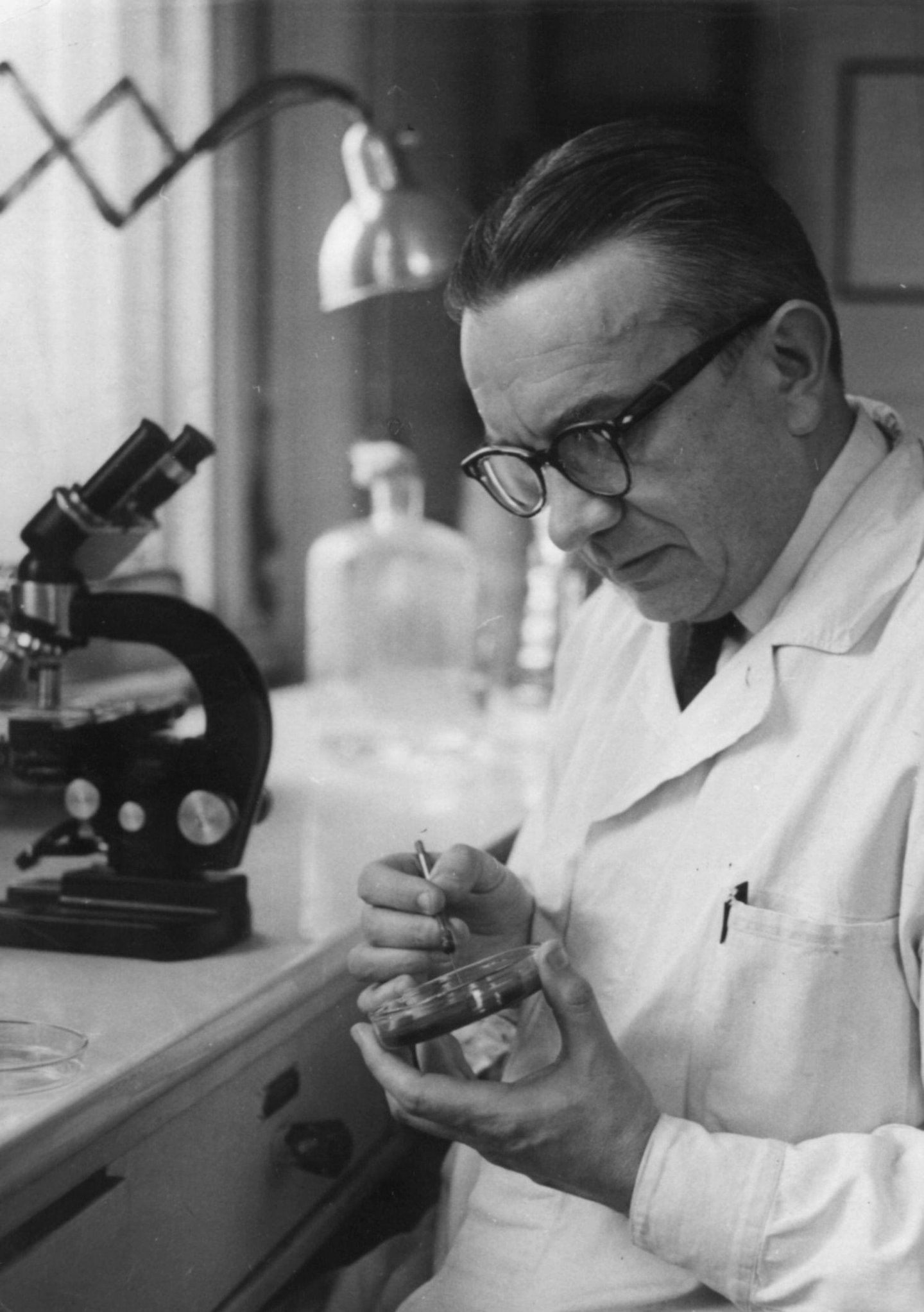
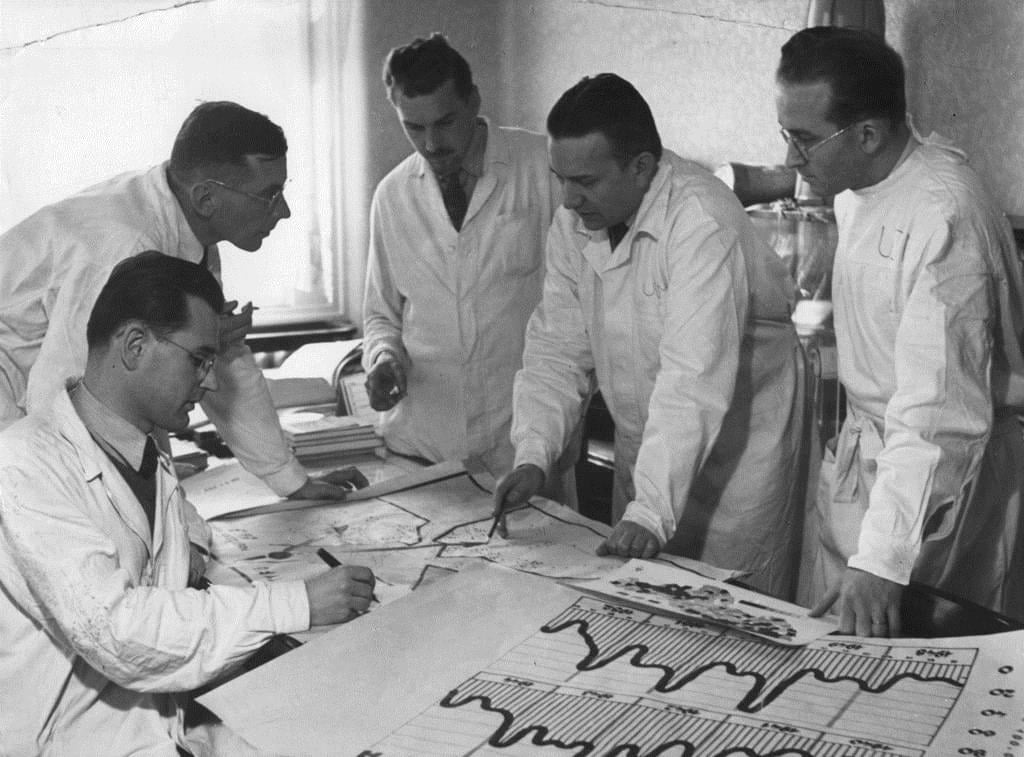
After the war Professor Raška turned to intestinal and streptococcal infections. He extended his interest to hepatitis, polio, diphtheria and whooping cough as well. He played a significant part in the fight against tuberculosis. His projects to eliminate infections against which vaccines existed succeeded all over the world. According to his son Ivan, though, Karel Raška considered malaria his strongest rival.
In Prague Karel Raška founded a world serum bank for monitoring the level of immunity in the population. He also worked on veterinary medicine. He developed cooperation with veterinary doctors and helped to eliminate bovine brucellosis, which was entering the country with the practically uncontrolled import of animals from abroad.
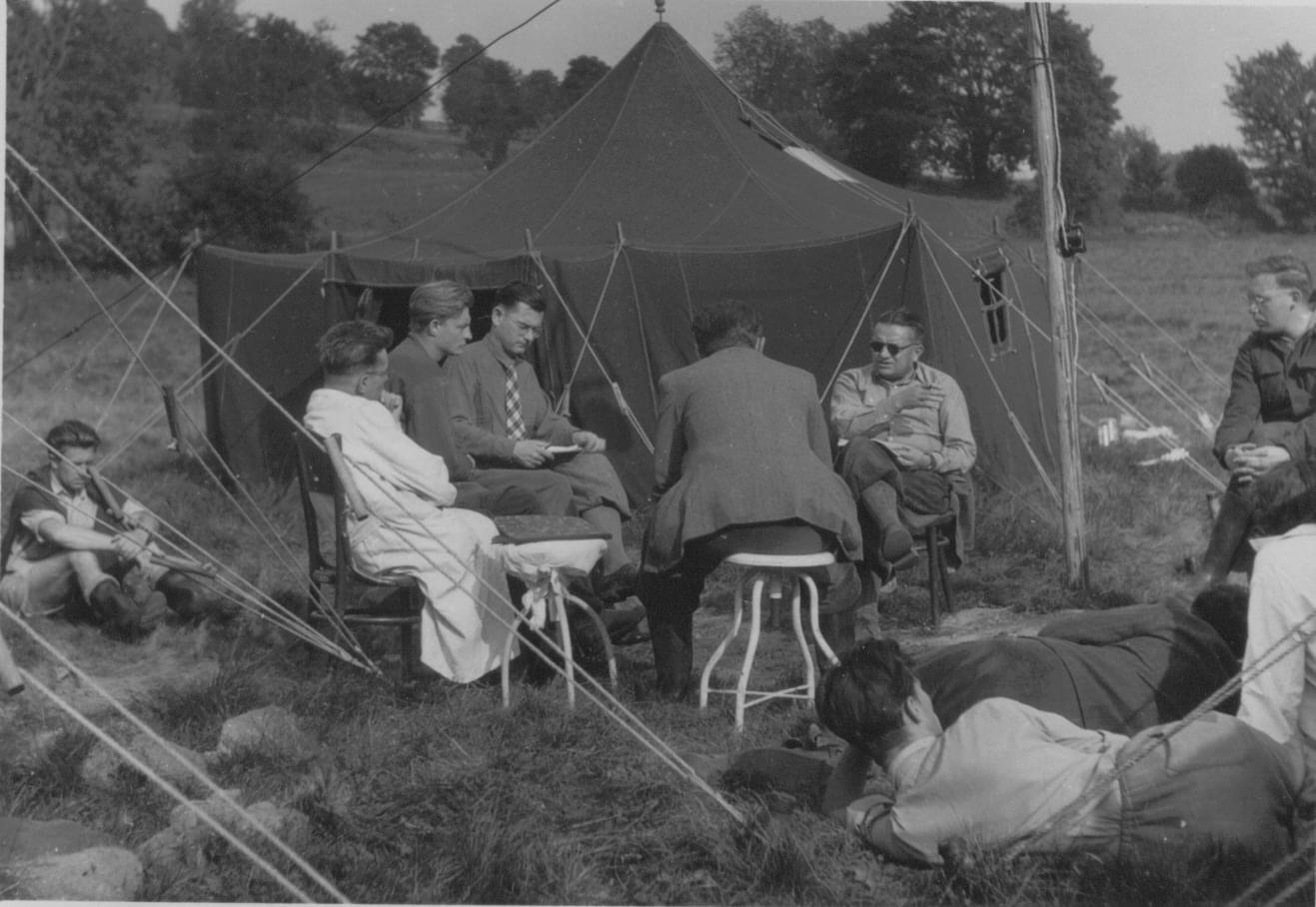
His detective work brought results. In 1951 an epidemic of a febrile illness broke out in the Rožňava area, which some microbiologists took for atypical typhoid fever. Raška and his team correctly recognised it as tick-borne encephalitis. They traced the cause: with pasteurisation failing, cow's milk was being secretly diluted with milk from infected goats. He was similarly successful in identifying other focal infections, such as tularaemia in hares in the Horšovský Týn area or Q fever in the Kraslice area, spread by sheep donated from Romania.
Karel Raška approached problems rationally and turned medical findings into practice quickly. It is on the principle of fast, coordinated containment of a potential infection that his system of epidemiological "surveillance" is built. That is also why the World Health Organization chose him for the post of director of its division of communicable diseases.
The eradication of smallpox
The document on the eradication of smallpox that Karel Raška presented in 1964 became the cornerstone of the fight against the disease. He also managed to win the support of the United States, which contributed significantly to the eradication. Thanks to that, smallpox — a disease that until then killed millions of people a year — was completely eradicated within 12 years. For this success the Royal Society of Medicine awarded Karel Raška the Jenner Medal in 1984.
Professor Raška's work was not confined to our planet. In 1969 he was invited to a NASA facility, the Lunar Receiving Laboratory at the Johnson Space Center in Houston, to give his view on the risks posed by potentially bringing cosmic diseases back from the Moon. Thanks in part to Karel Raška, the first astronauts to walk on the Moon really were kept in isolation for fear of a possible "astrodemic".
Professor Raška was an epidemiologist who did not hesitate to pack up overnight and set out wherever he was needed — whether it was a measles epidemic in Albania or an outbreak of plague in China.
According to his sons he would have handled today's coronavirus pandemic with strict rules and consistency in enforcing them: "None of this one thing today and another tomorrow." And he would of course have applied that epidemiological surveillance which has become the generally accepted basic method of public health all over the world, and of which the "smart quarantine" is one modification.
Karel Raška in the media (in Czech):
- Cuni.cz A Neuron Award for Professor Karel Raška, in memoriam
- Universitas.cz The virologist Cihlář and the epidemiologist Raška received the Extraordinary Neuron Award
- Vědavýzkum.cz Extraordinary Neuron Awards went to two scientists for the fight against viral and bacterial infections
“I am very glad that my father has received such a significant honour in our country. The Neuron Award means that even in Czechia the world importance of Karel Raška's work is not forgotten.”