Laureate
Adalid Sciences s.r.o.
Neuron Award 2025 for Connecting Science and Business
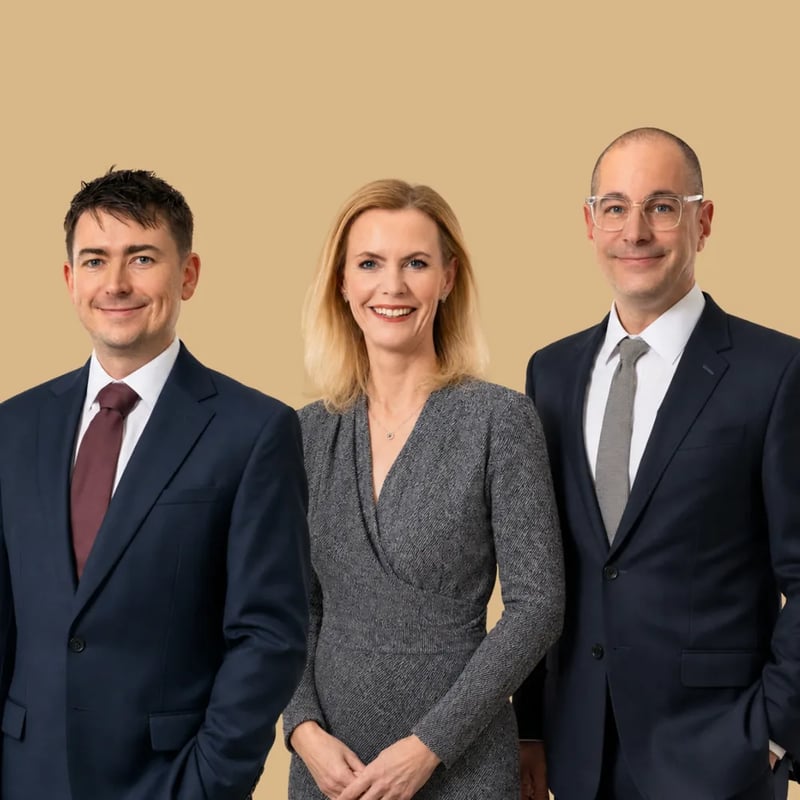
They call them XMANs. Nanoparticles with a superhero name, with the potential to play a significant role in the fast-developing field of gene therapy, developed by a team of Klára Grantz Šašková, Petr Cígler, František Sedlák and David Schreib at the Institute of Organic Chemistry and Biochemistry of the Czech Academy of Sciences. The particles became the valuable scientific capital of the spin-off company Adalid Sciences. The money and the know-how of big business were put into the company by the BTL group. And valuable assets in the form of initial support and generous facilities were provided by IOCB Tech.
What can the company do that is unique? The XMANs they developed can deliver nucleic acids into cells — from the basic building blocks of DNA to long chains of RNA and combinations of the two — which can then be used to suppress, replace or repair faulty genetic information. That makes it possible to fight diseases that have so far been hard to treat, and their role in developing effective vaccines is significant as well. Although gene therapy has barely left the starting blocks, more than thirty drugs have already been approved. And more are added every year. Well-known examples include the drug against SMA (spinal muscular atrophy) and those against haemophilia A and B.
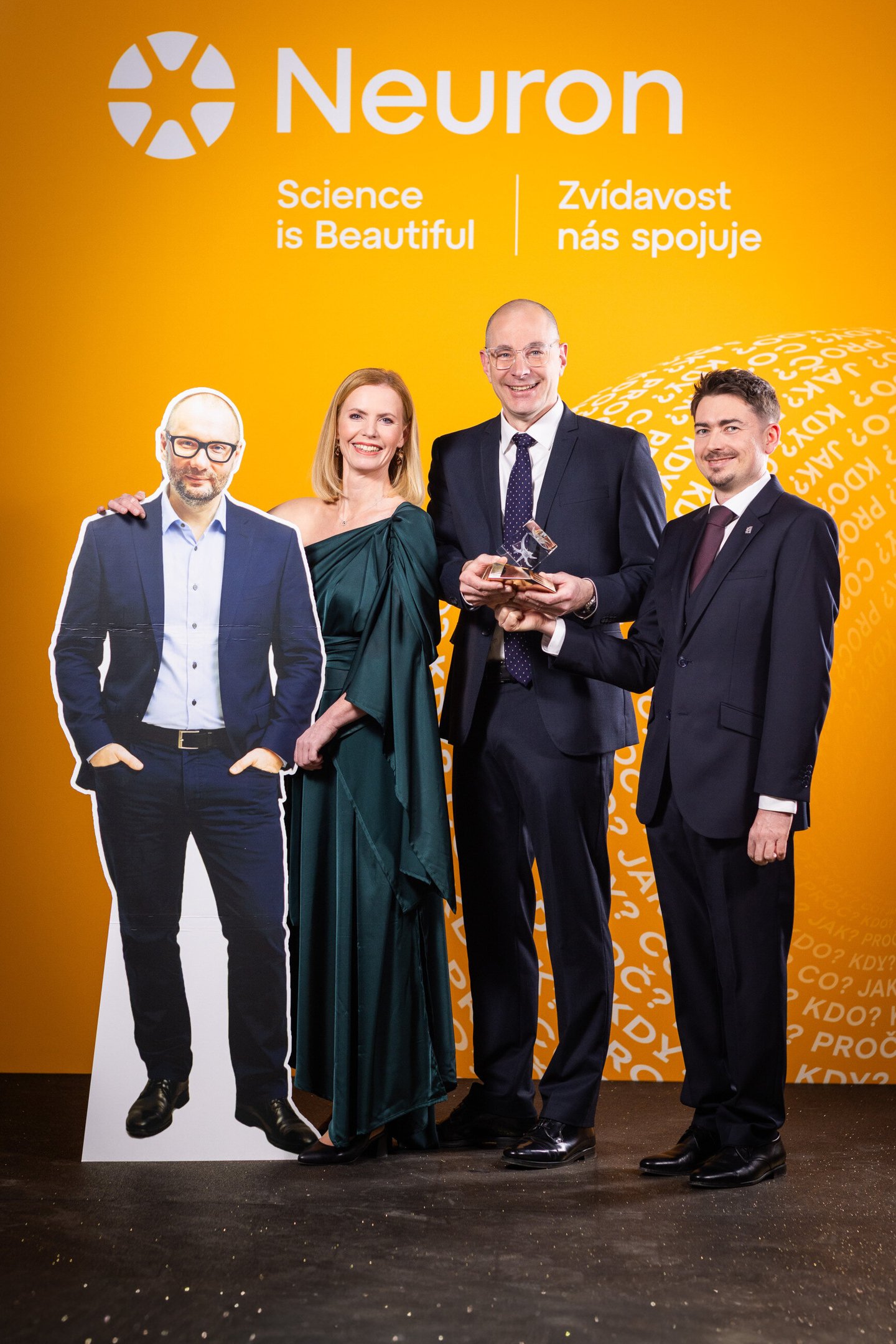
The co-founders of Adalid (from the left): the cardboard one is Petr Cígler, at the time in Australia (he is the company's Chief Scientific Officer, CSO), then the real and living Klára Grantz Šašková (Chief Executive Officer, CEO), David Schreib (Chief Commercial Officer, CCO) and František Sedlák (Chief Medical Officer).
What makes the XMANs from Adalid Sciences innovative?
"Our advantage is that we offer lipid nanoparticles with markedly better properties than the existing ones. They are more effective, they are not toxic and the body tolerates them well even after repeated administration," says Petr Cígler, Adalid's CSO. At the time of the Neuron Award, the company was in talks with commercial partners looking for a delivery system for their therapeutic nucleic acid. "We try to prepare tailor-made solutions with unique properties, and we keep expanding our patent portfolio," Cígler continues. "The goal is to get our products into clinical trials as soon as possible and to become one of the main players in the world field of gene medicine," says Grantz Šašková, making no secret of her confidence — any other approach would make no sense with the stakes so high in such a competitive environment.
Cígler then adds to the description of the nanoparticles: "With the XMANs we managed to design a family of molecules with exceptional chemical and biological properties. We adjusted and improved the basic structure. Now we have a whole range of unique substances in hand that form therapeutically very active nanostructures with nucleic acids."
At Adalid Sciences they naturally believe that a great triumph awaits at the end of their research and effort. "We value our team enormously — everyone in it does more than carry out assigned tasks; they try to come up with genuinely innovative nanomaterials," the CEO Klára Grantz Šašková stresses. The team's aim is to let new gene therapies face down diseases that humanity has been losing the fight against so far.