Two scientists received Extraordinary Neuron Awards for the fight against viral and bacterial infections

The eradication of smallpox, the treatment of people with HIV and the development of Viread and Remdesivir. For these and many other world-class achievements we have the Czech scientists Tomáš Cihlář and Karel Raška to thank, whose courage is changing the future of people all over the world. That is why the Neuron Foundation has awarded them Extraordinary Neuron Awards this year.
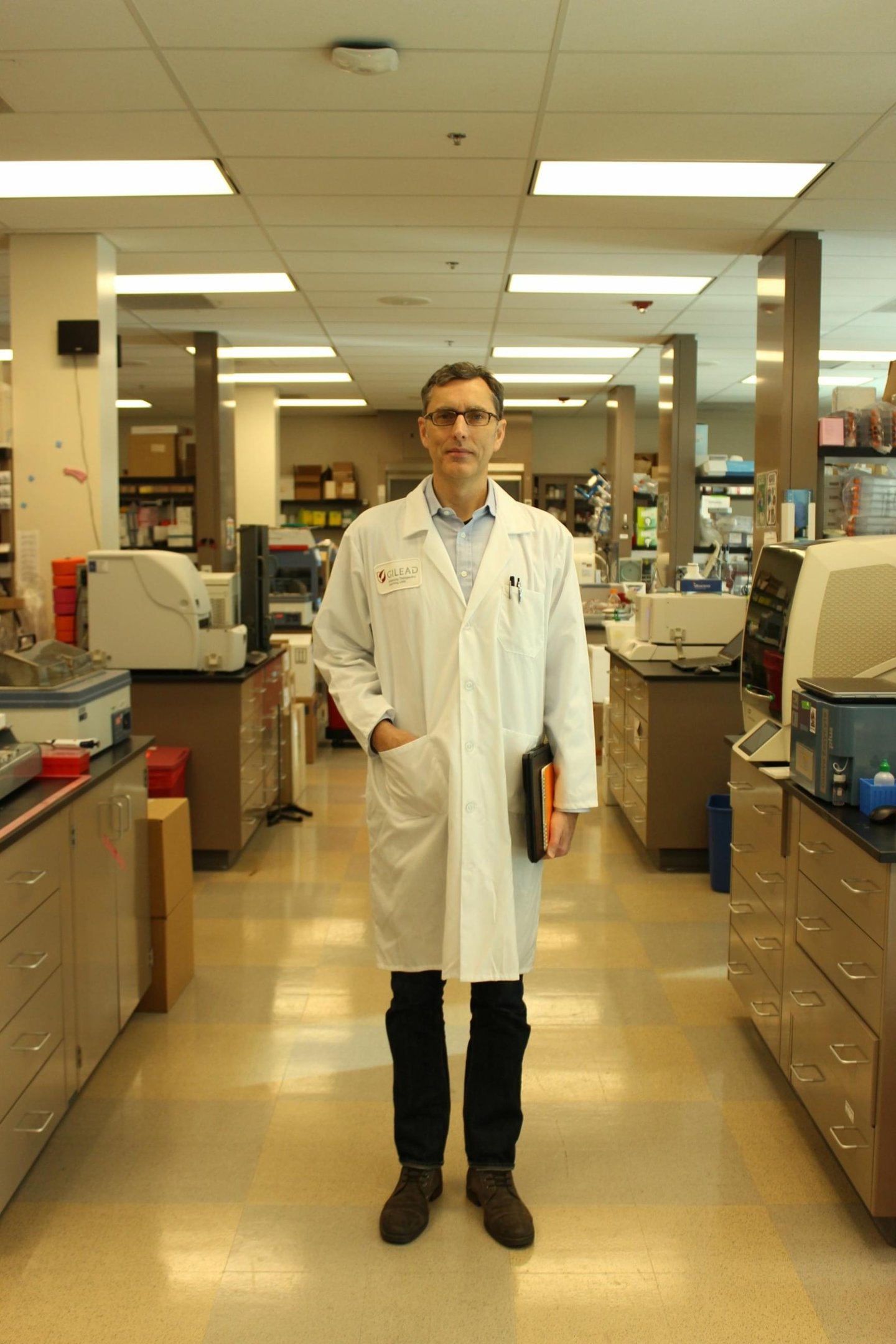
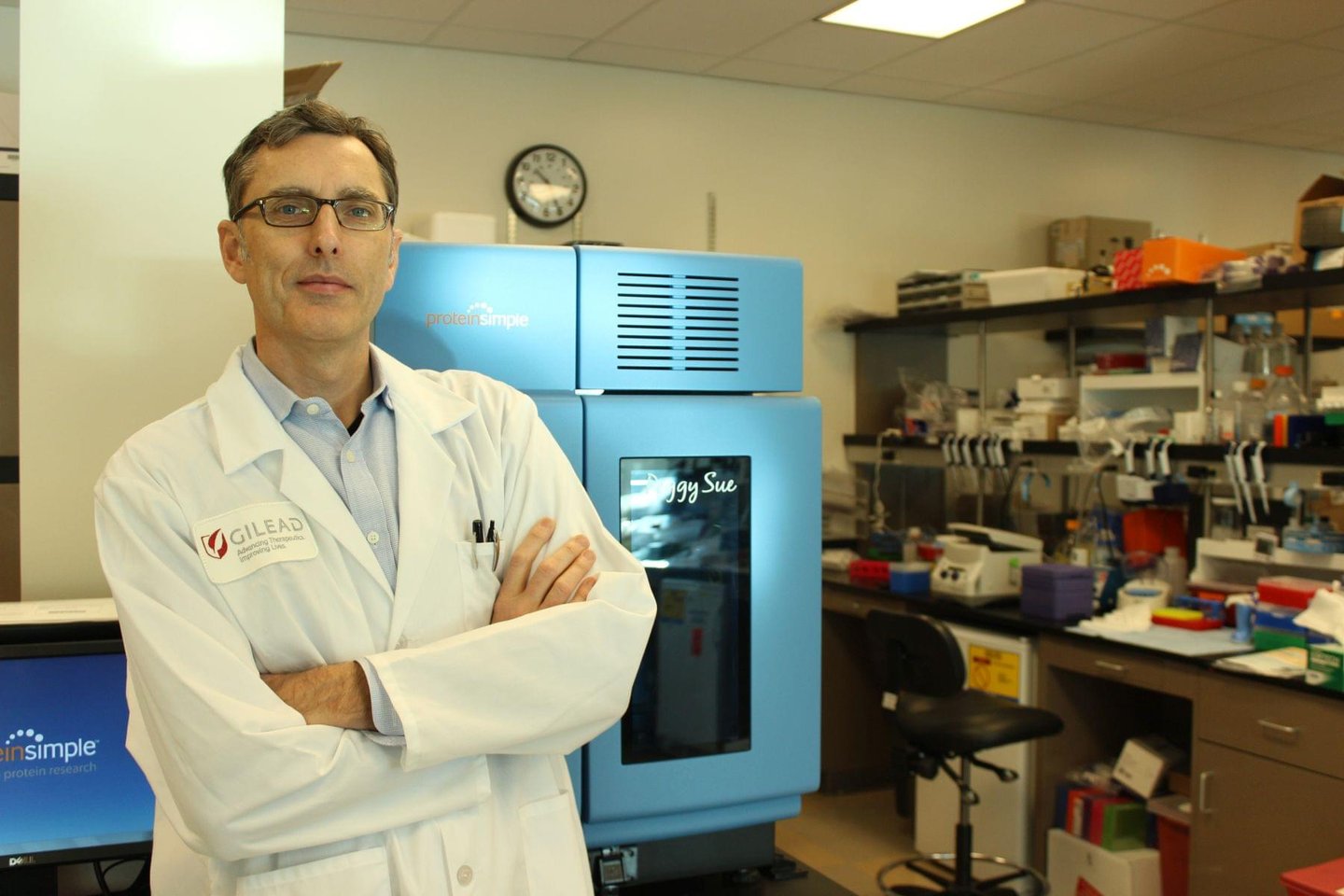
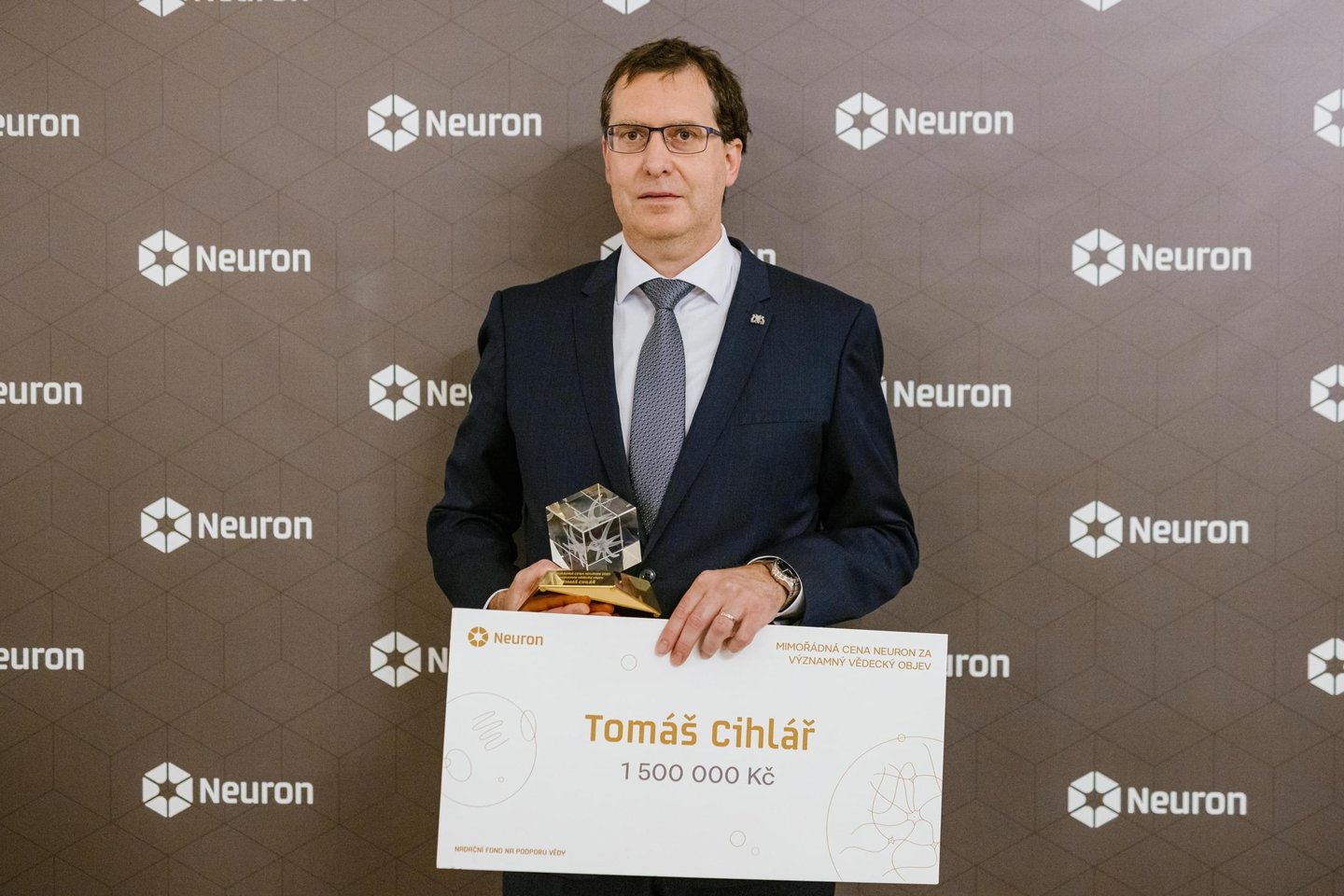
The internationally recognised virologist Tomáš Cihlář received the Extraordinary Neuron Award for a significant scientific discovery, for his part in developing antivirals against serious viral diseases and for his overall service to Czech and world science. A native of Chomutov, he rose to one of the leading positions at the American company Gilead, where he took part in developing the promising drug Remdesivir, on which the whole world has its eyes fixed. "Our work is teamwork, so it is above all a significant recognition not only of my own efforts but of the long years of work of all my colleagues at Gilead who contributed to the development of remdesivir and many other antiviral preparations. But it is also public recognition of the approach we have always taken, which lies in effectively combining basic academic research with industrial development in a company," says the internationally recognised virologist, adding: "I personally also see it as recognition of my family's support and patience, without which I could not do this work."
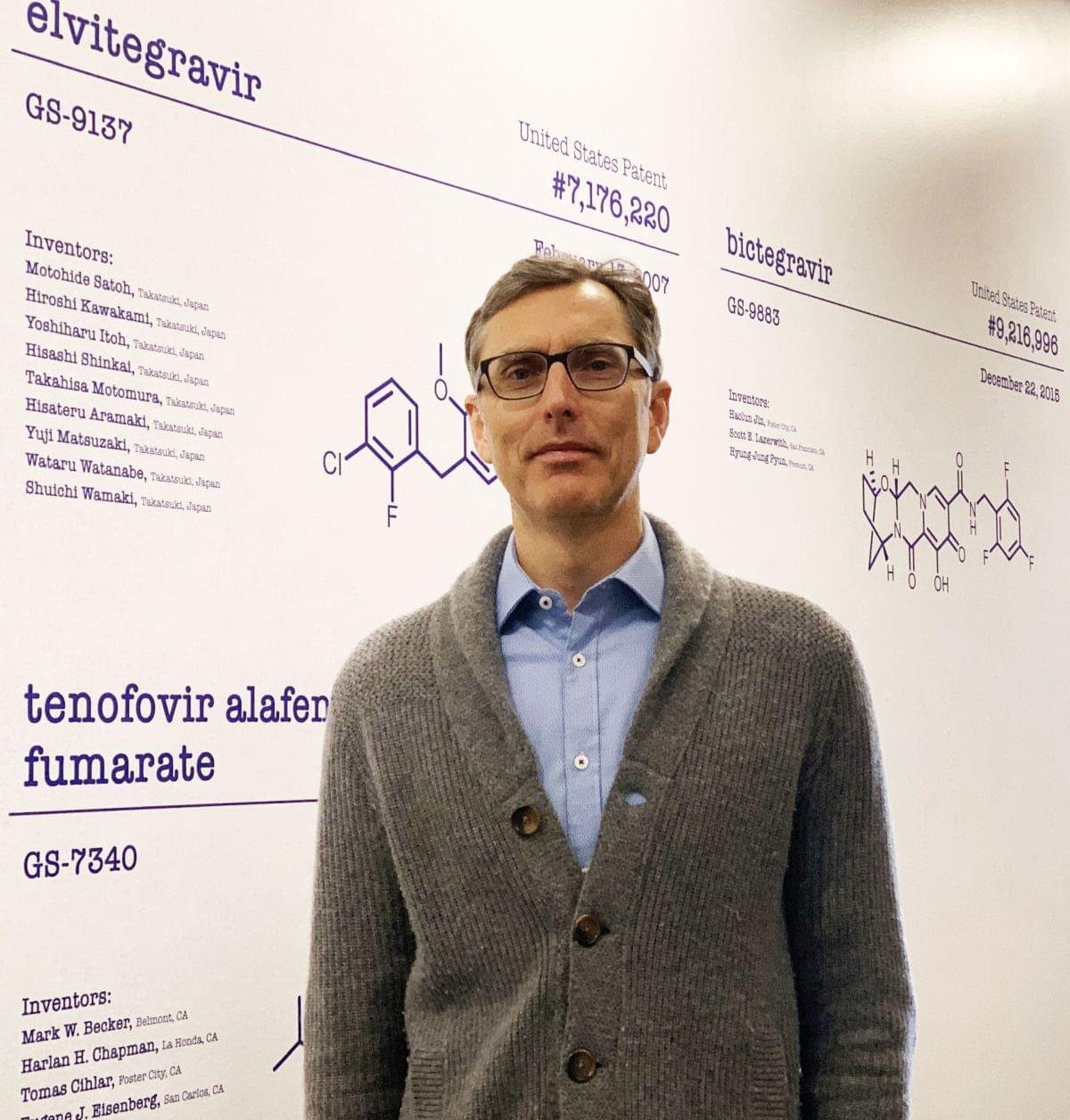
Tomáš Cihlář's research was inspired by Antonín Holý's work too. He and his hundred-strong team at Gilead used a number of Holý's principles in selecting and testing the drug Remdesivir. Although he lives and works across the ocean, he keeps in professional contact with the Czech scientific community, especially with the Institute of Organic Chemistry and Biochemistry in Prague, whose chemists contributed their experience and creativity to the drug's development. Along with the Extraordinary Neuron Award for a significant scientific discovery, Tomáš Cihlář also received a cash premium of one and a half million crowns, part of which he wants to return to science through Neuron. "I have great respect for what Neuron does and for the way it supports talented scientists. That is why I would like to give part of the financial reward back to supporting science and young scientists, mainly in the fight against infectious diseases," Tomáš Cihlář explains.
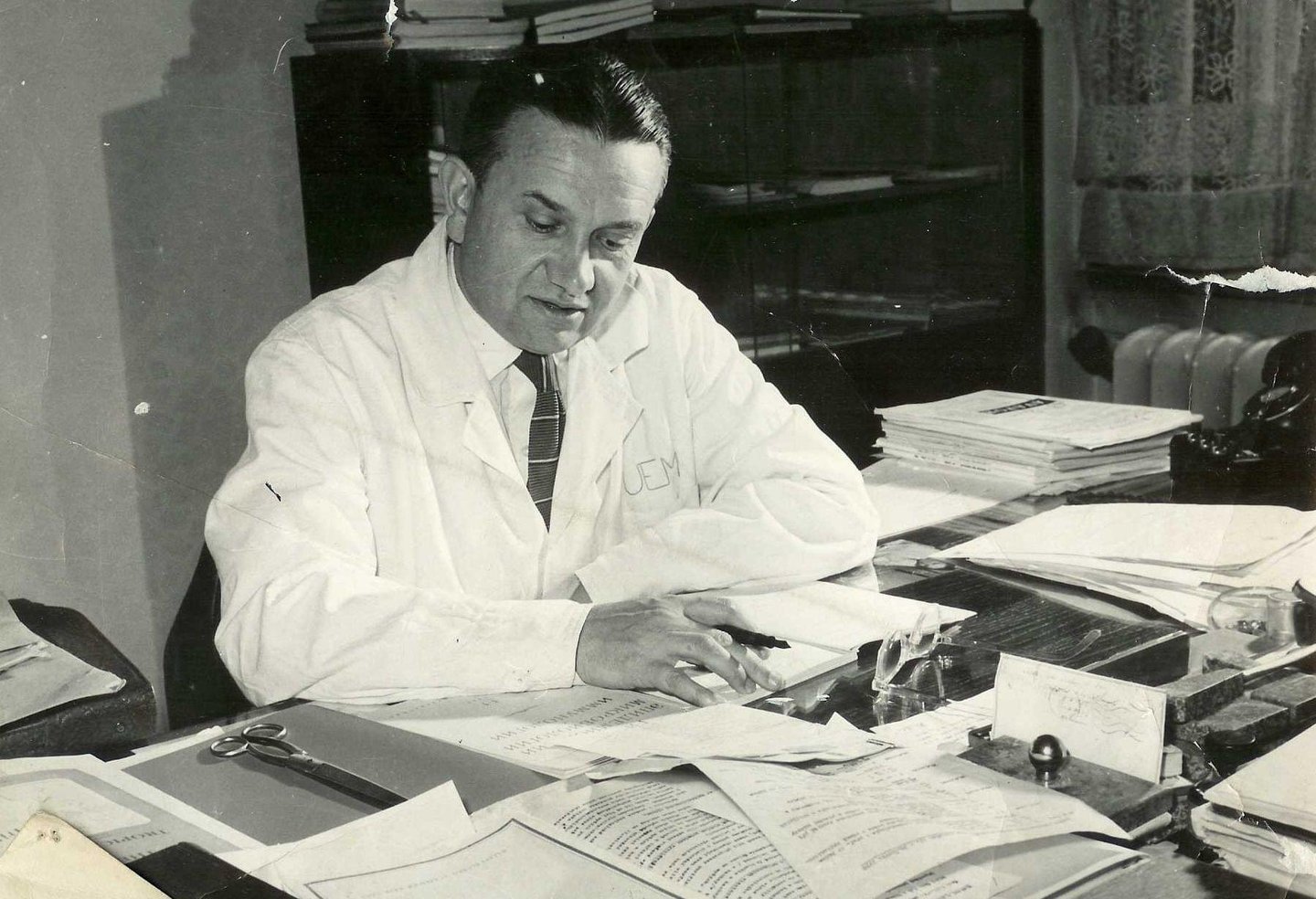
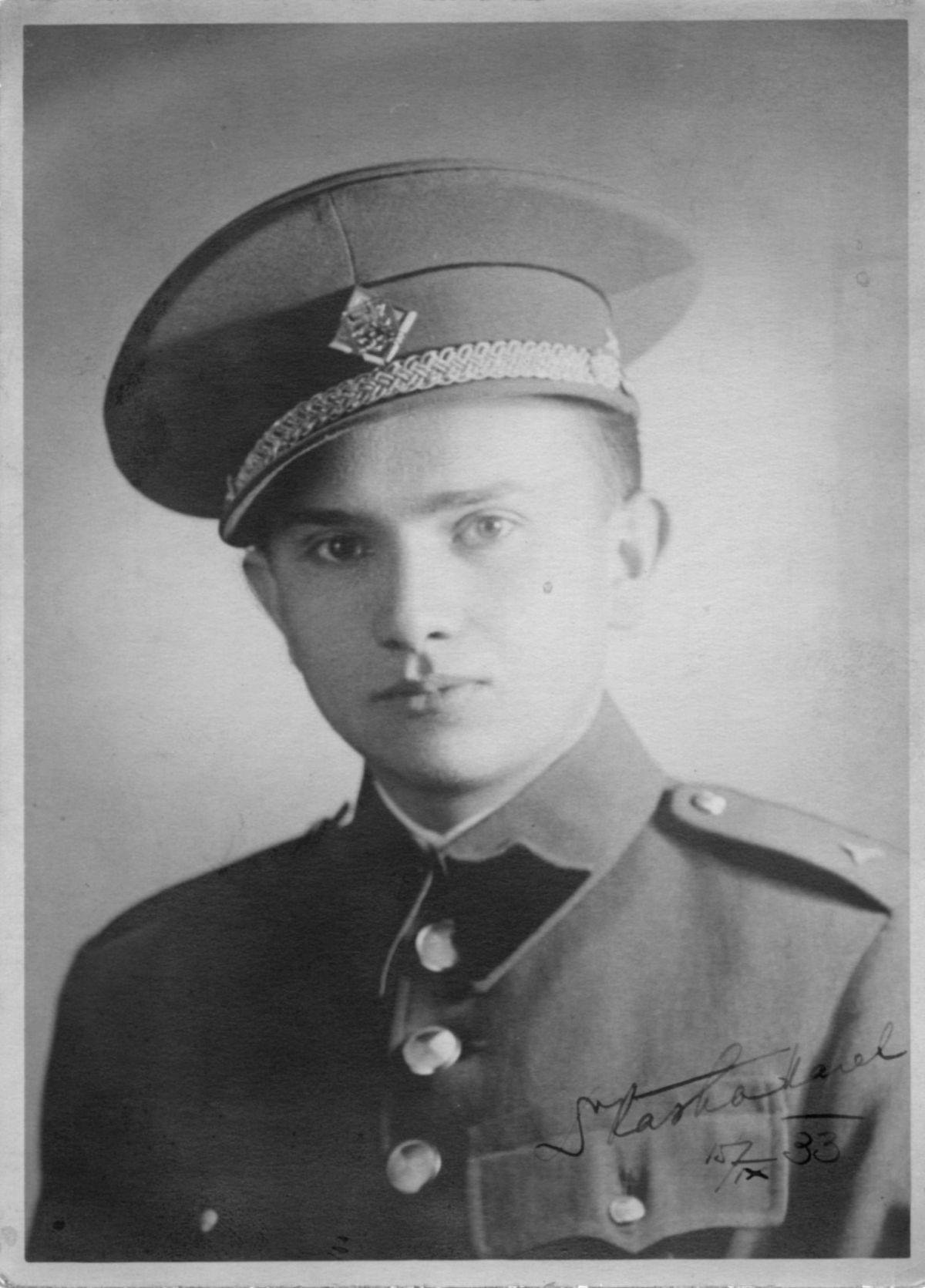
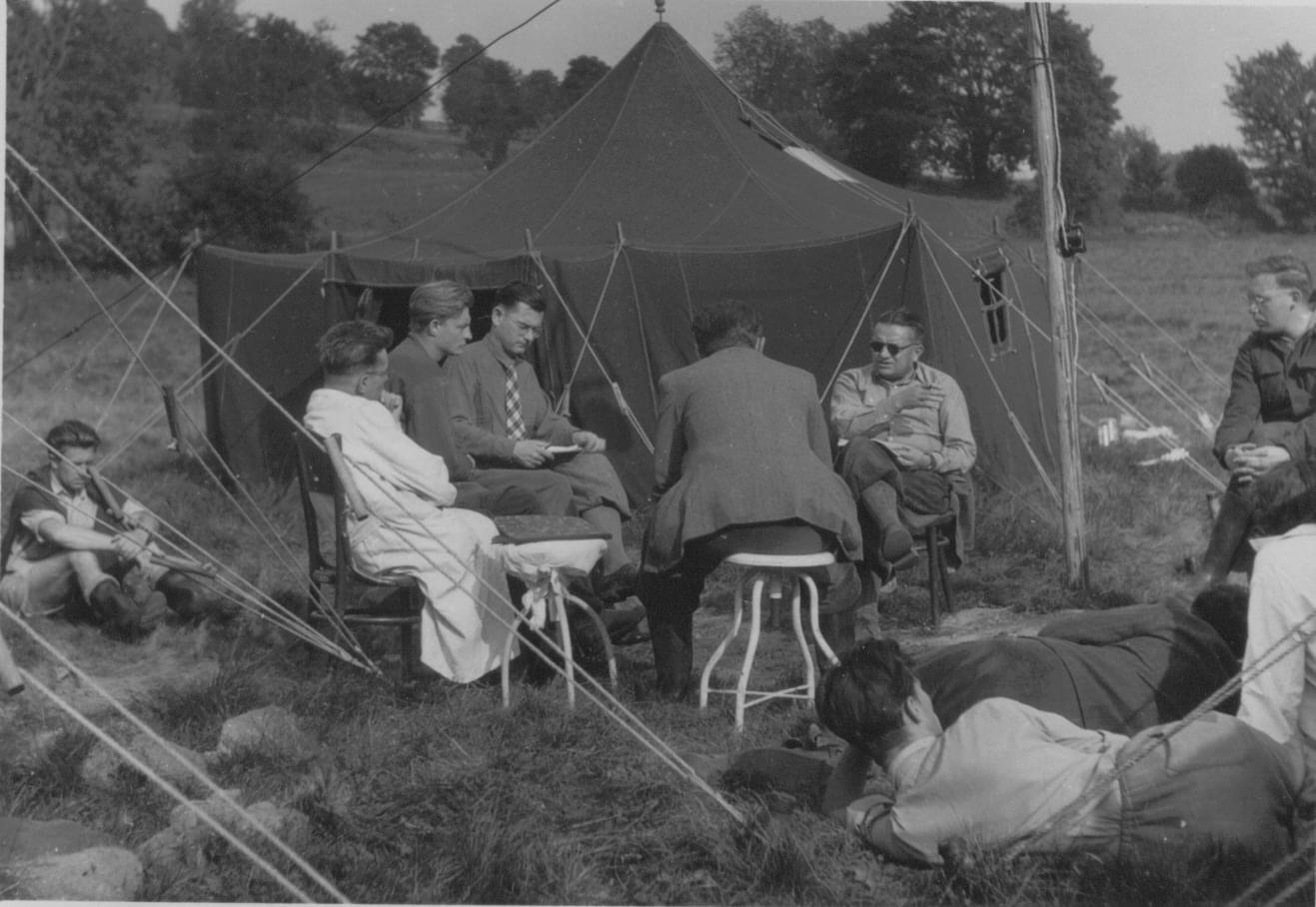
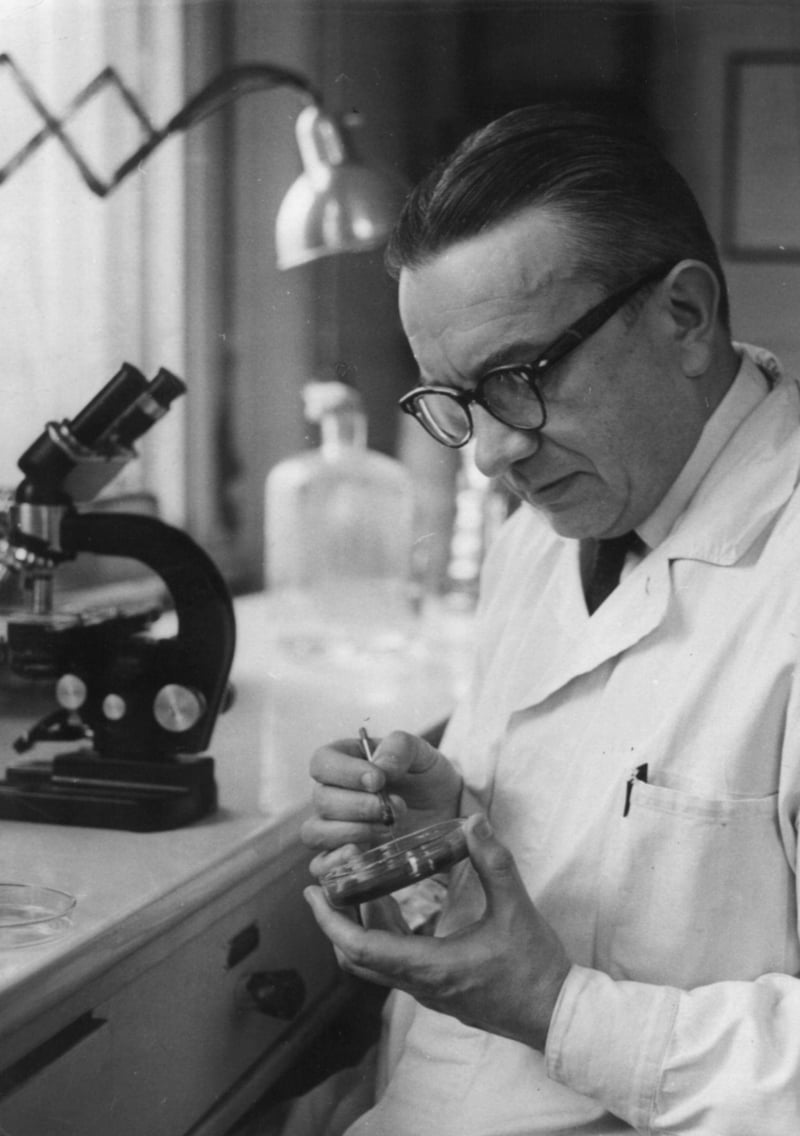
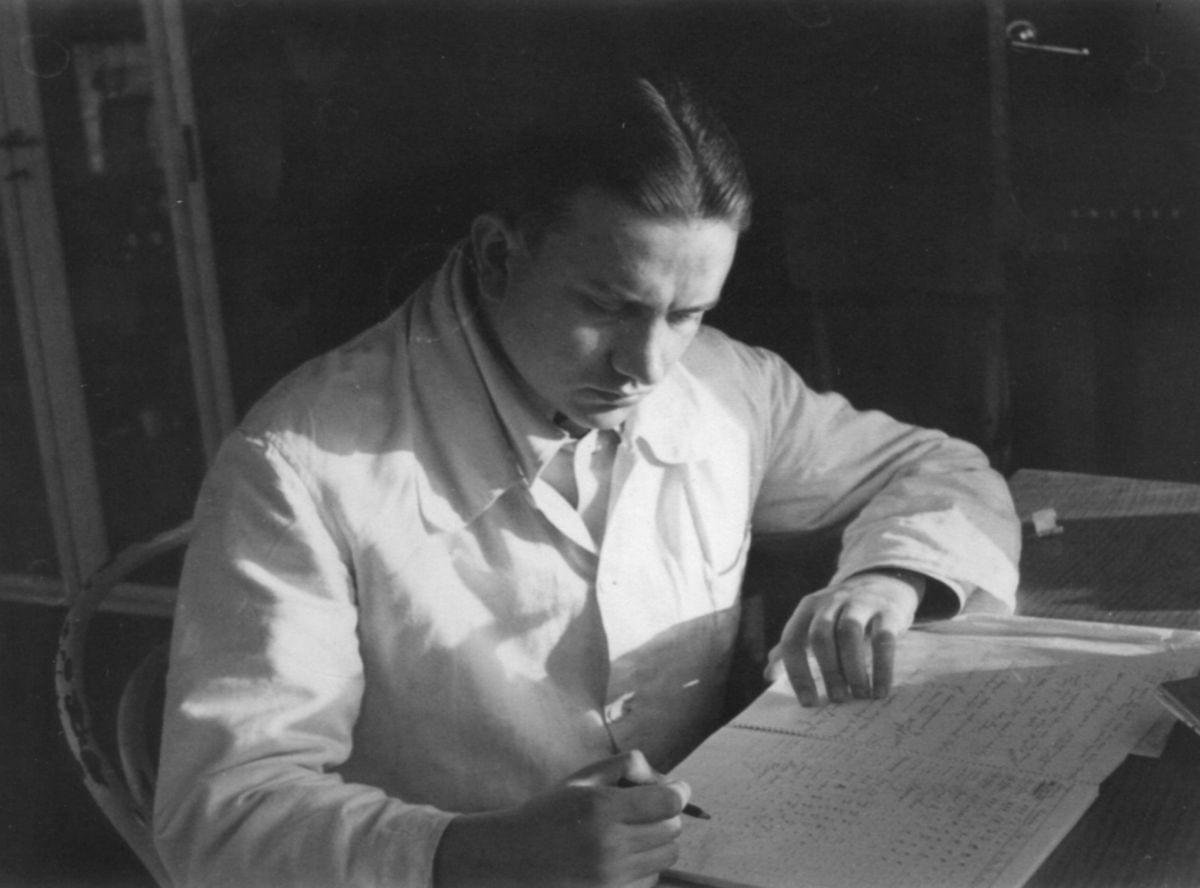
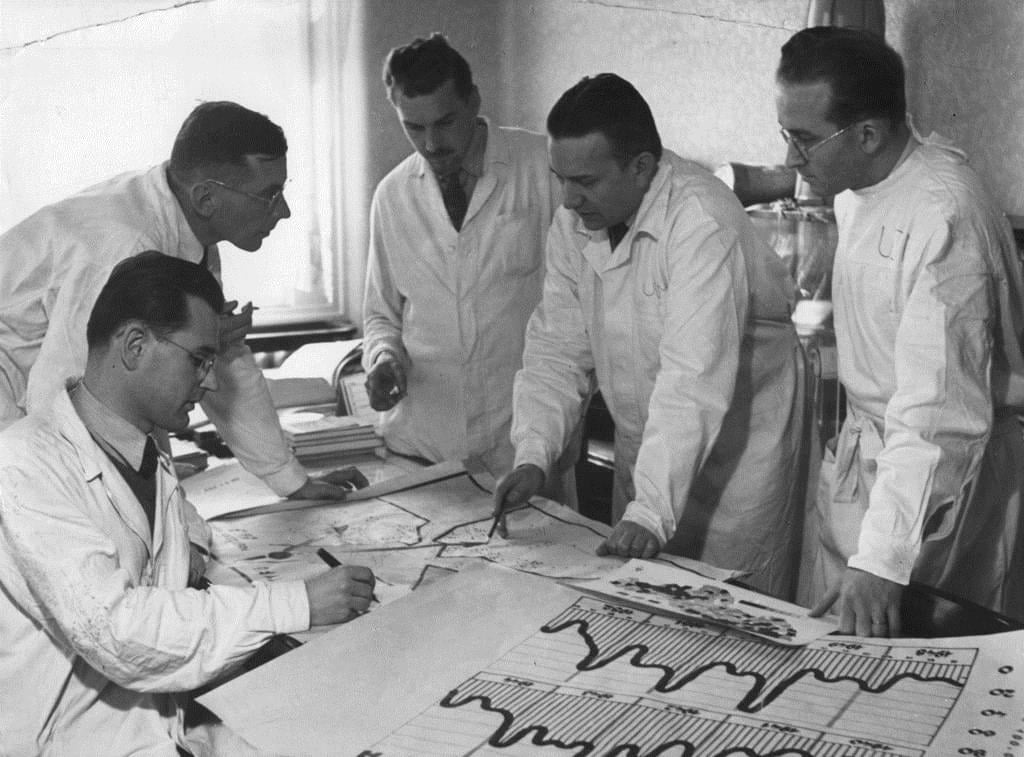
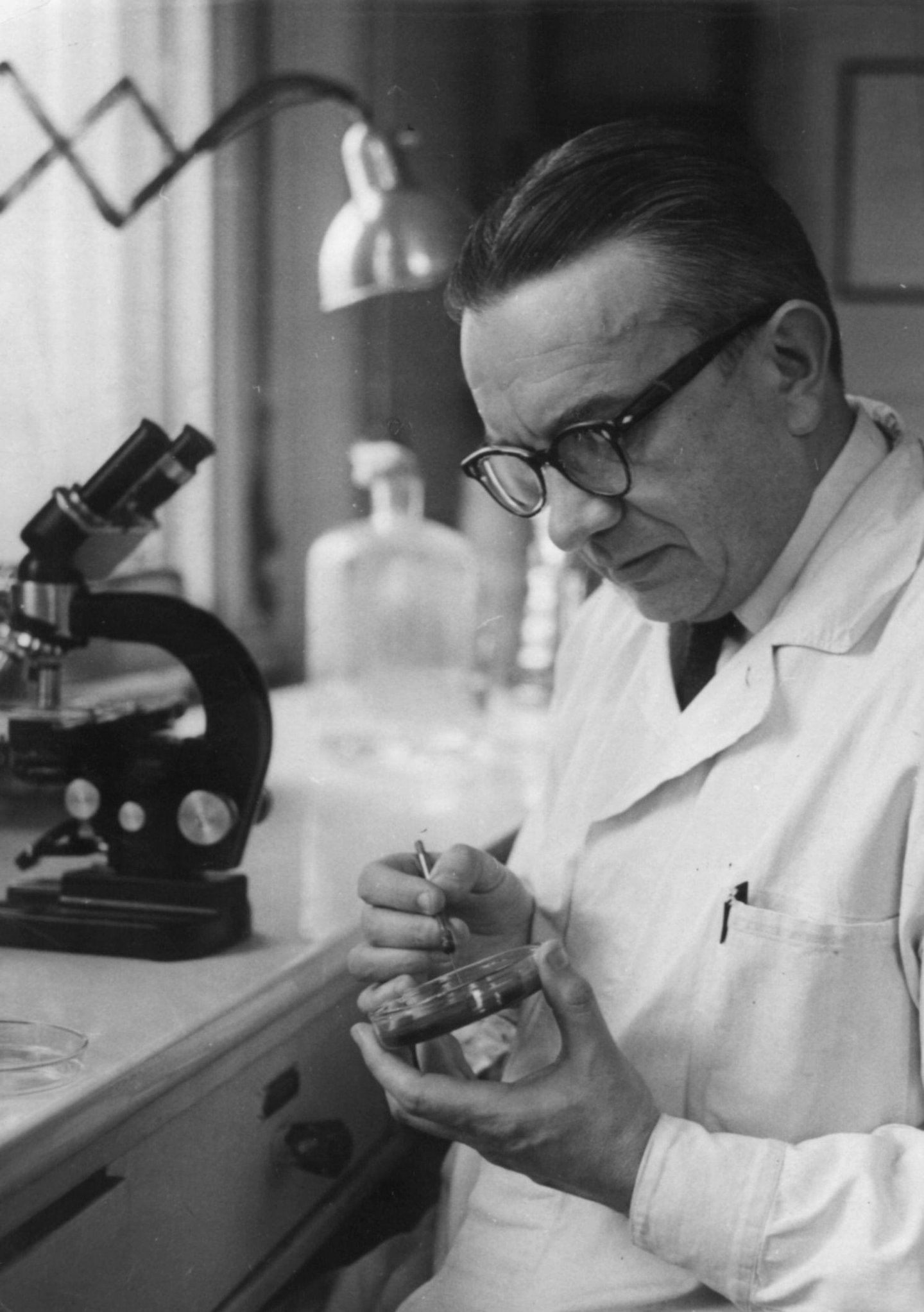
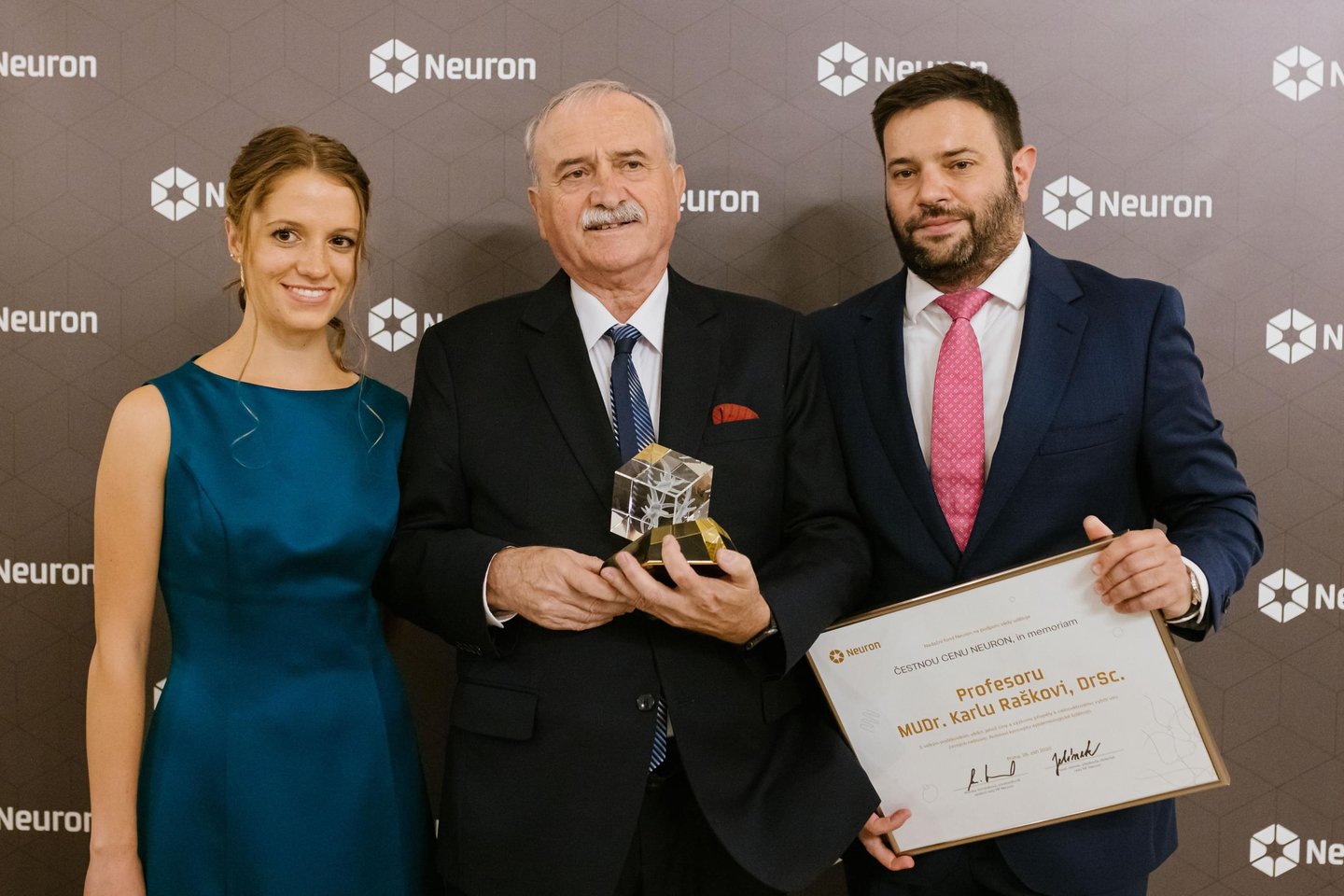
The founder of modern Czechoslovak epidemiology and microbe hunter Karel Raška received the Honorary Neuron Award in memoriam for his lifelong contribution to science and for the worldwide eradication of the smallpox virus. Karel Raška is the founder of modern Czechoslovak epidemiology. He is among the most significant figures of Czech science, and the World Health Organization still follows his system of epidemiological surveillance, built on the principle of rapid, coordinated containment of potential outbreaks. The document adopted in 1964 by the World Health Organization, whose Division of Communicable Diseases he headed, led to the eradication of smallpox.
"I am very glad that my father has received such a significant honour in our country. The Neuron Award means that even in the Czech Republic the worldwide importance of Karel Raška's work is not forgotten," Karel Raška's son Ivan says of the Honorary Neuron Award in memoriam. The foundation revealed both laureates' names on Czech Statehood Day, 28 September, at a gala evening in the newly restored State Opera in Prague.
"Given the situation prevailing in society, the foundation decided this year to award two Extraordinary Neuron Awards to Czech scientists who have helped in the fight against viral and bacterial infections. We put it all in context and, together with the stories of Raška, Holý and Cihlář, arranged it into a single gala evening. With the play Elegance of the Molecule we show how important our foundation's work is. We want to go on connecting the world of science with the world of business and honouring outstanding scientists along their path. The whole event is at the same time a thank-you to all the scientists who have been very active in this area since March," is how Monika Vondráková, Neuron Founder and chair of the board, describes the foundation's motivation.
The ceremony was a thank-you to all the scientists and staff of research institutions who did not idle for a minute and immediately put their shoulders to the wheel. The evening ended with the play Elegance of the Molecule, in which the Dejvice Theatre brought to life one of the greatest stories of Czech science. The Neuron Foundation supported the production financially.
About Tomáš Cihlář
Tomáš Cihlář is a Czech virologist and a native of Chomutov who worked his way up to one of the leading positions at the American company Gilead, where he took part in developing the promising drug Remdesivir. After studying at the grammar school in Chomutov he continued at the University of Chemistry and Technology in Prague, working on bioengineering and fermentation chemistry. At the Institute of Organic Chemistry and Biochemistry of the Czech Academy of Sciences he completed postgraduate studies during which he researched antiviral substances, and in 1994 he gained the title Candidate of Sciences. He has stayed with virology and antivirals in particular ever since. After completing his studies he left for a placement at the American pharmaceutical company Gilead Sciences. In his research he worked on developing antivirals, especially preparations against HIV infection. The HIV drugs Gilead has developed so far, including Viread and a range of drug combinations, today treat over 10 million people worldwide.

About Karel Raška
Karel Raška is considered the father of Czechoslovak epidemiology, a man who did not hesitate to risk his neck and his health in fighting epidemics. Whether here, in suppressing the typhus epidemic at the end of the war in Terezín, or later worldwide in eradicating smallpox. The World Health Organization still follows his manuals during epidemics and pandemics. Karel Raška was born in 1909 in the small village of Strašín in the Šumava mountains into a teacher's family. He attended grammar school in Sušice and then left for Prague to study medicine. He became interested in microbes very early on, which may be why his first work focused on sexually transmitted diseases and mapped the brothels of Prague.
He was the first in the world, for instance, to describe the presence of the syphilis pathogen in the heart valve of a dead woman. As a military physician he worked with the Institute of Microbiology of the Faculty of Medicine of Charles University and at just 30 became head of the department of epidemiology and microbiology at the State Health Institute. After the war Professor Raška turned to intestinal and streptococcal infections. He extended his interest to hepatitis, polio, diphtheria and whooping cough. He played a significant part in the fight against tuberculosis. His projects to eliminate infections against which vaccines existed were successful all over the world.