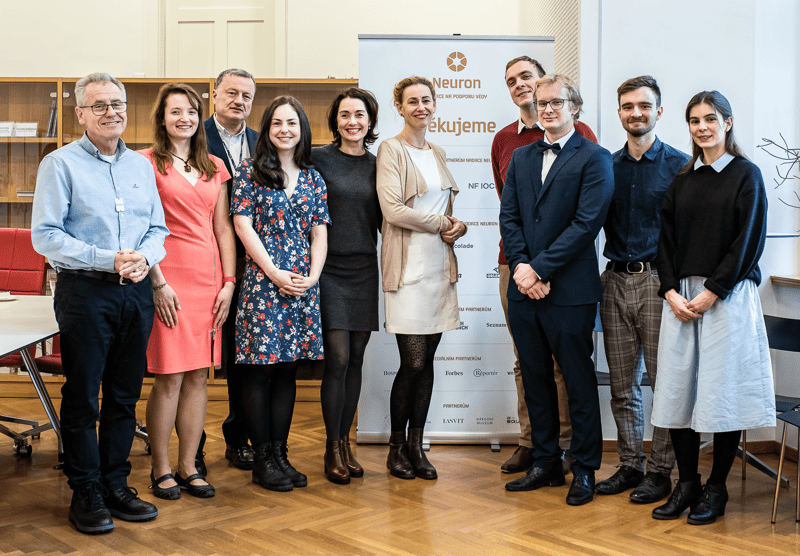
Communication, prevention, education: Neuron debated the future of health at Opero
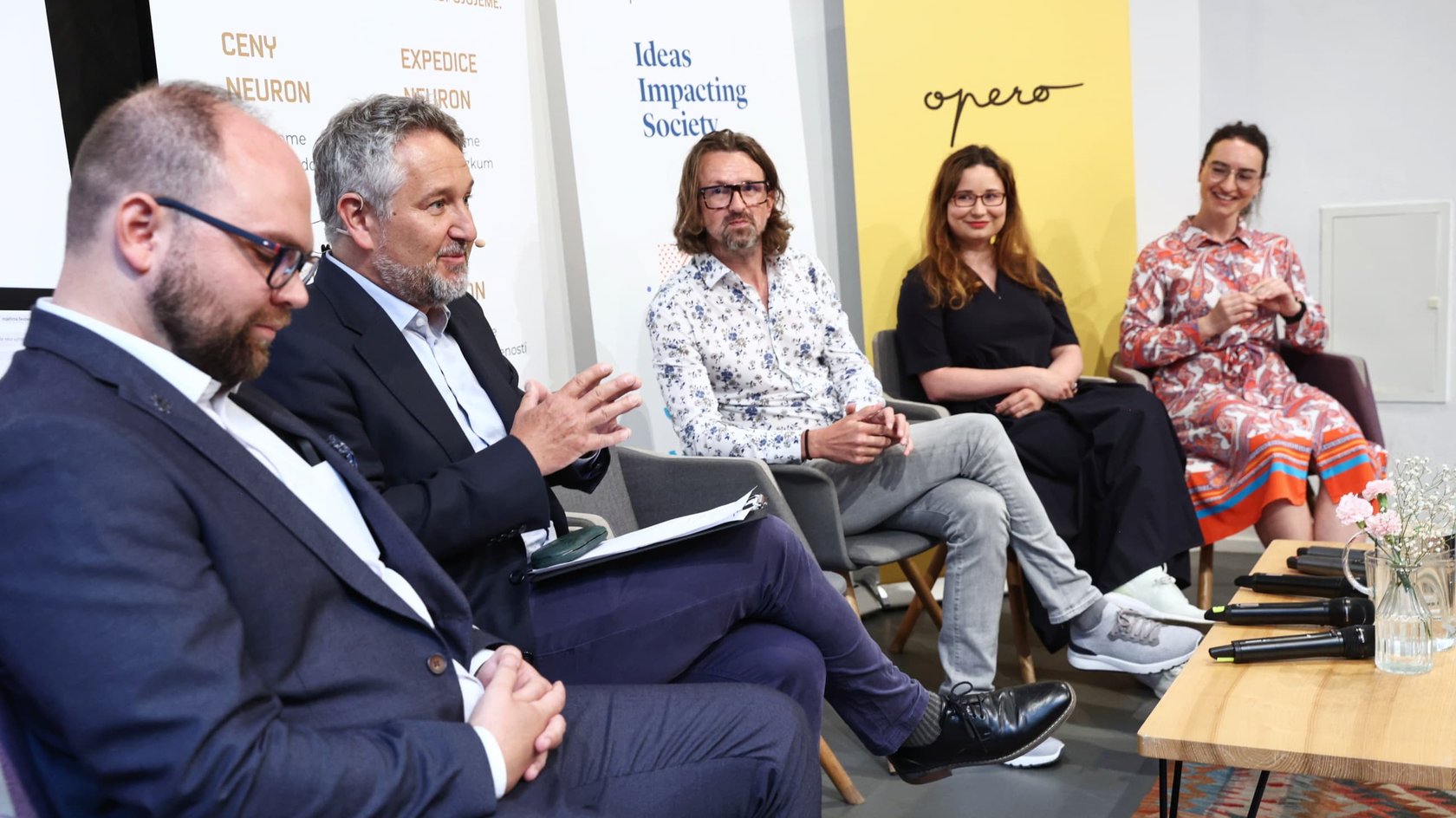
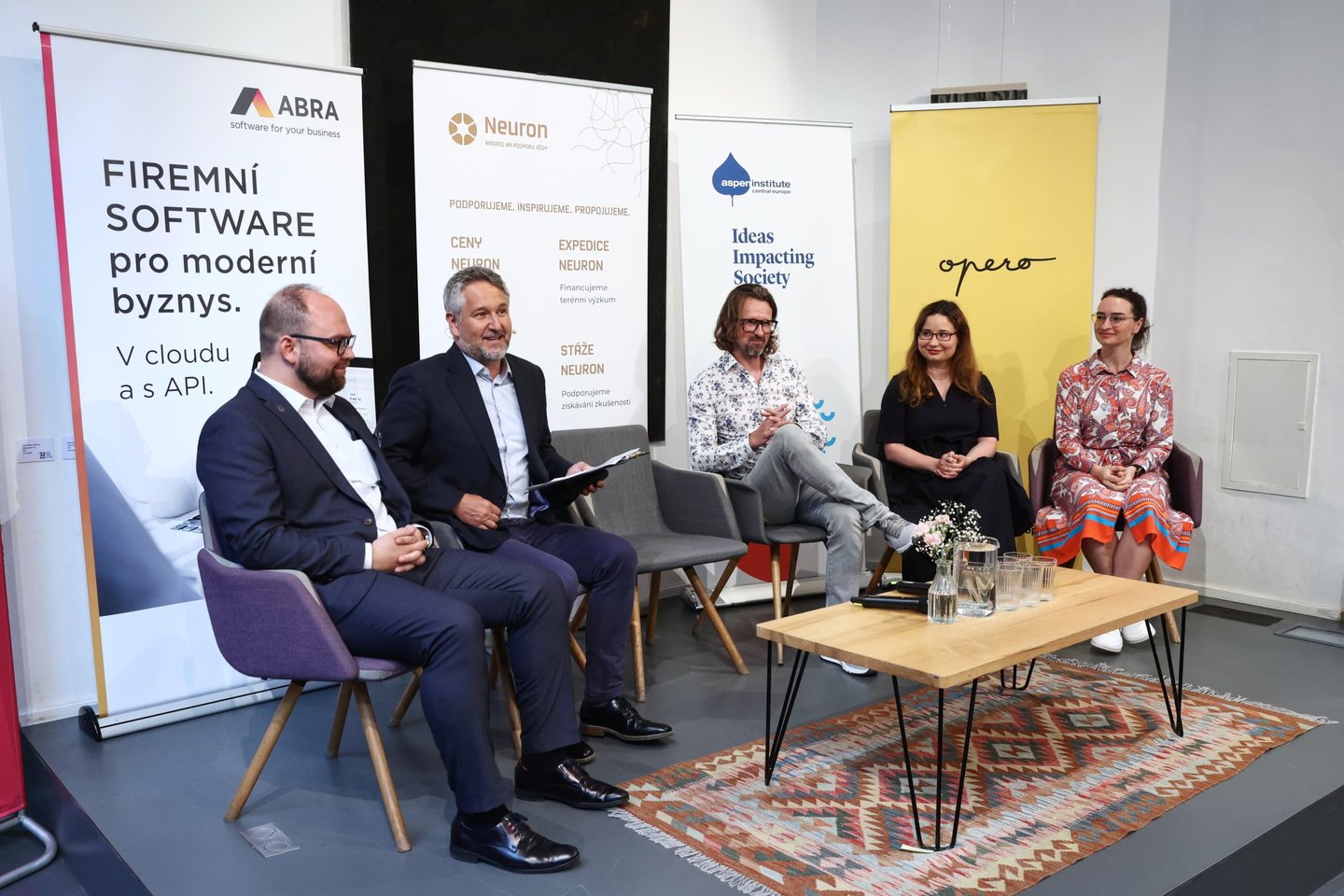
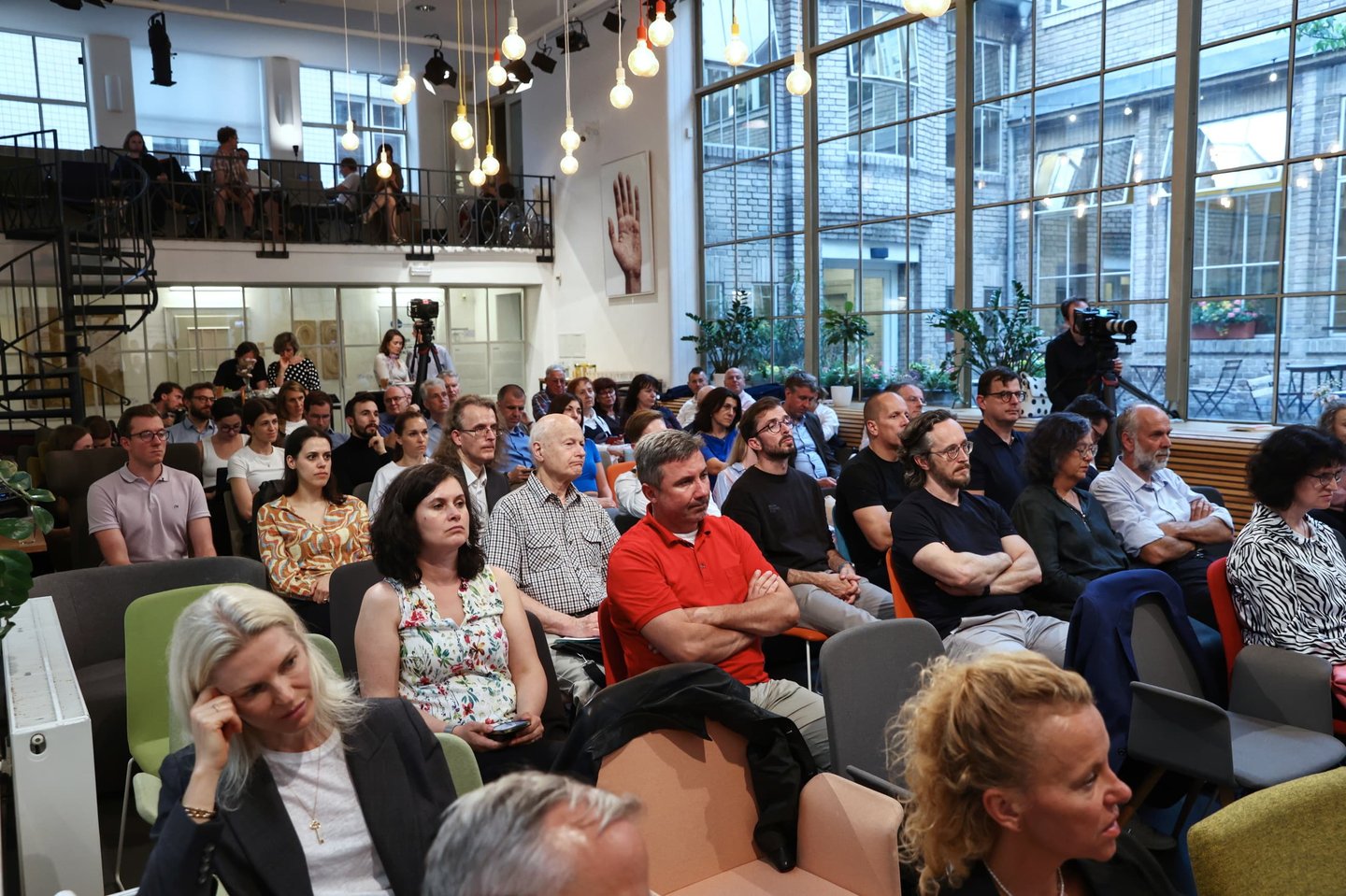
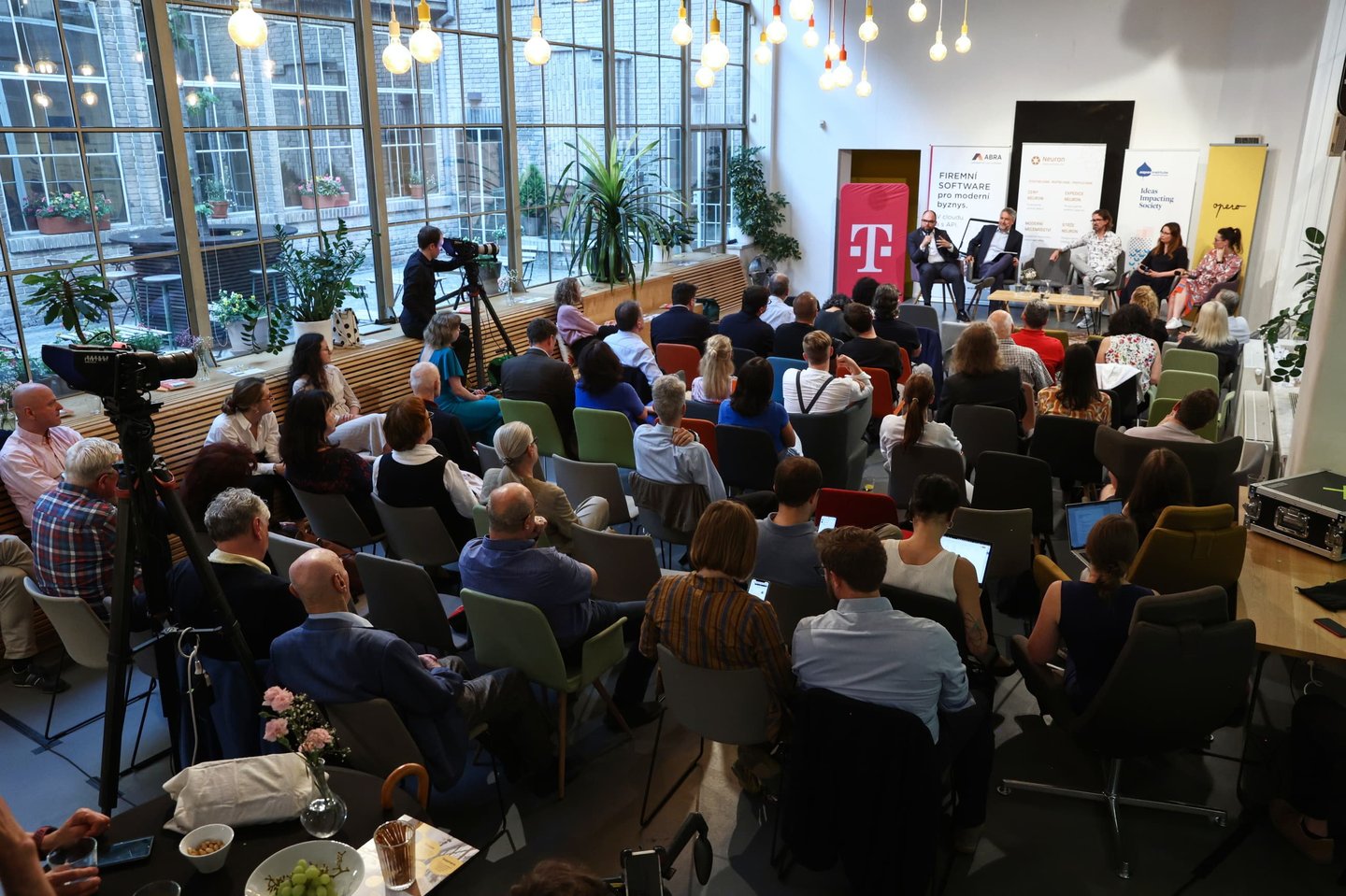
Five experts accepted an invitation to a joint debate on the Future of Health from the Society 4.0 series in the elegant surroundings of Opero, which together with the Neuron Foundation and Aspen Institute CE was also the evening's organiser. The panellists examined a timeless and topical subject — the future of health in the context of the influence of modern technologies and innovation.
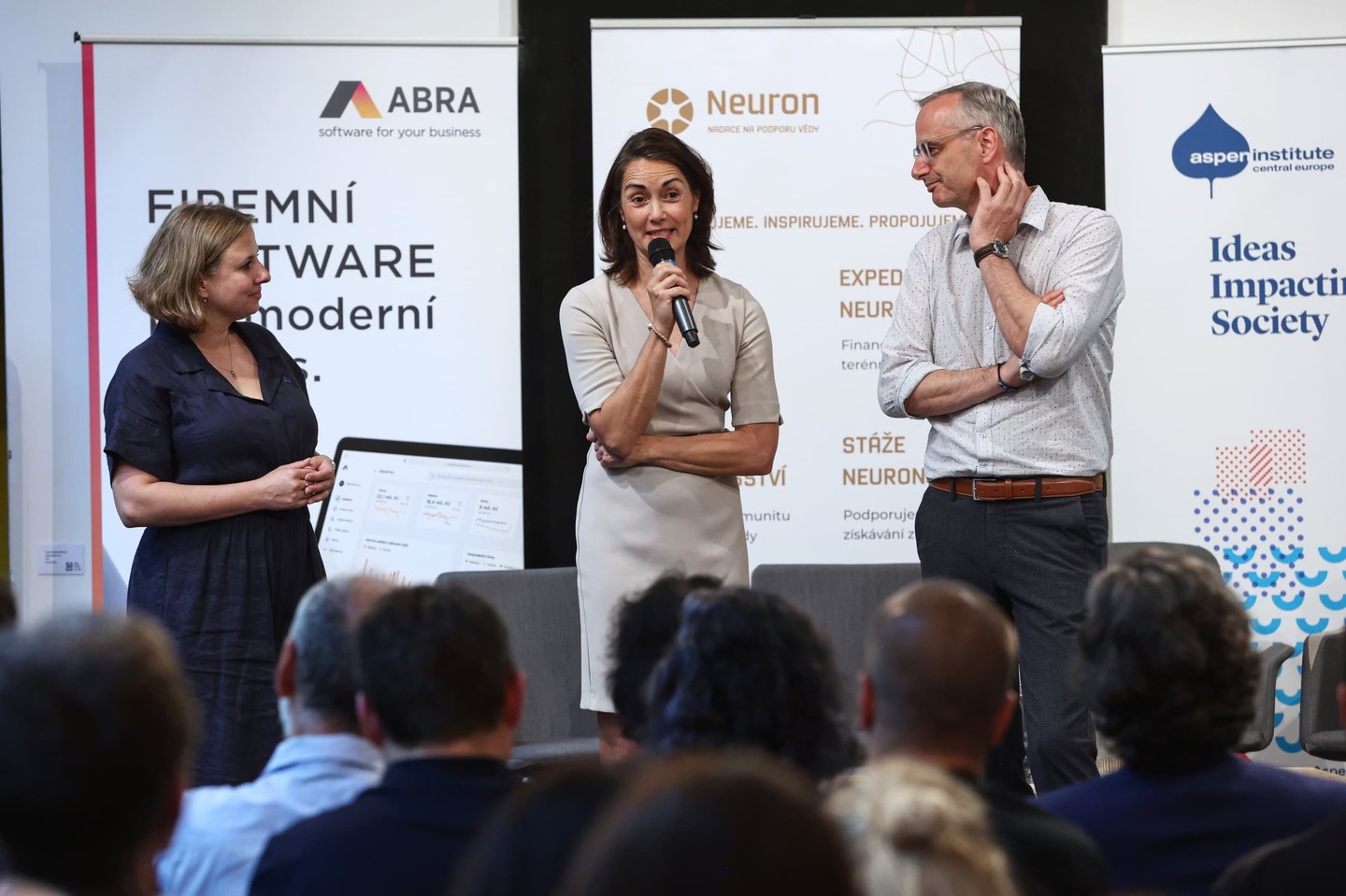
"Science is advancing in leaps. New impulses, subjects and even new fields are appearing. The existing ones have to respond to the development of modern technologies. That is why it is important to organise debates and take away from them what innovation specifically brings to our projects, strategies and businesses. How it will affect us, or how we will use it to affect those around us. All the Neuron Foundation's activities are, after all, founded on discovering new paths," is how the director Monika Vondráková describes the essence of the Society 4.0 discussions the foundation co-hosts.
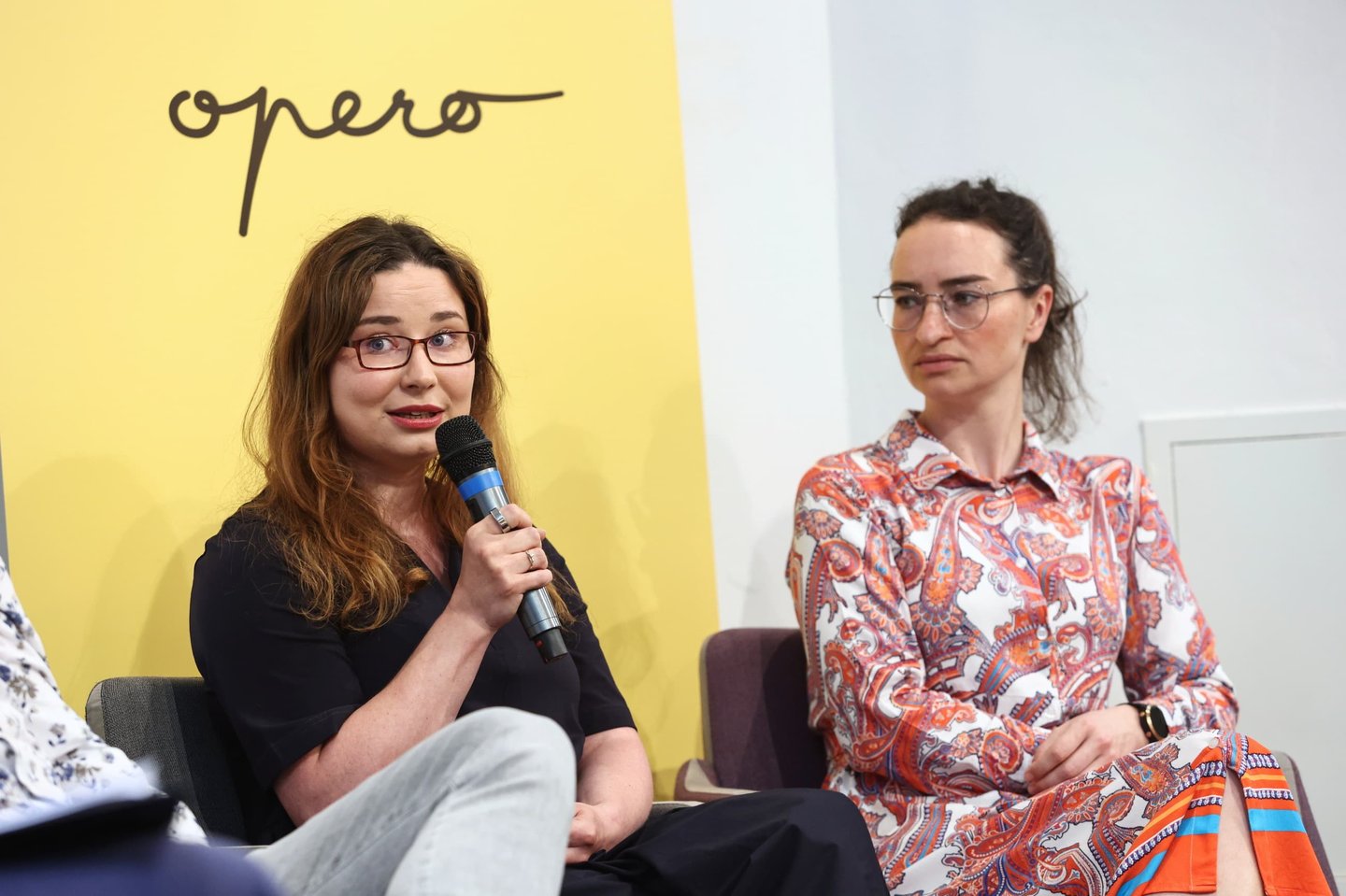
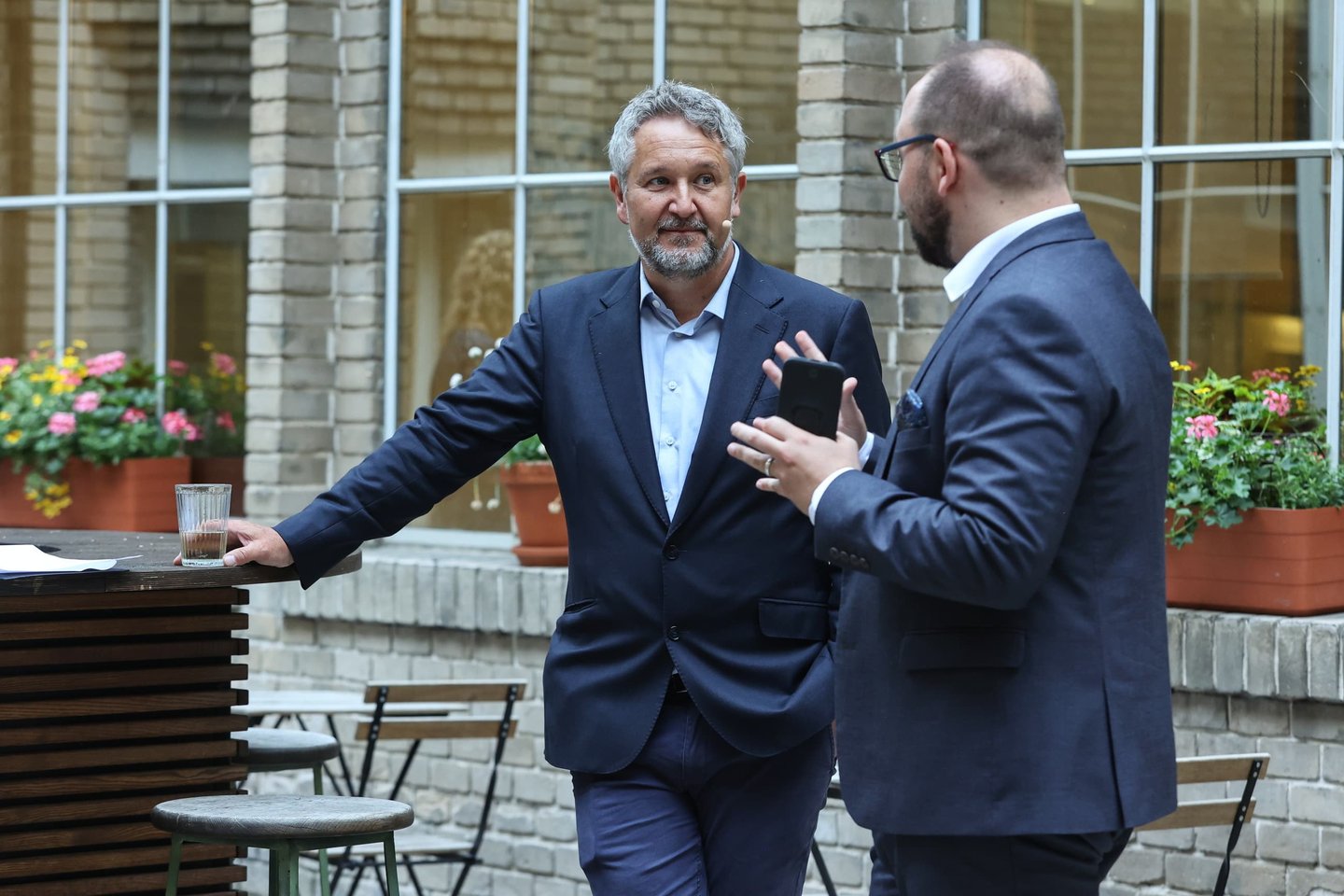
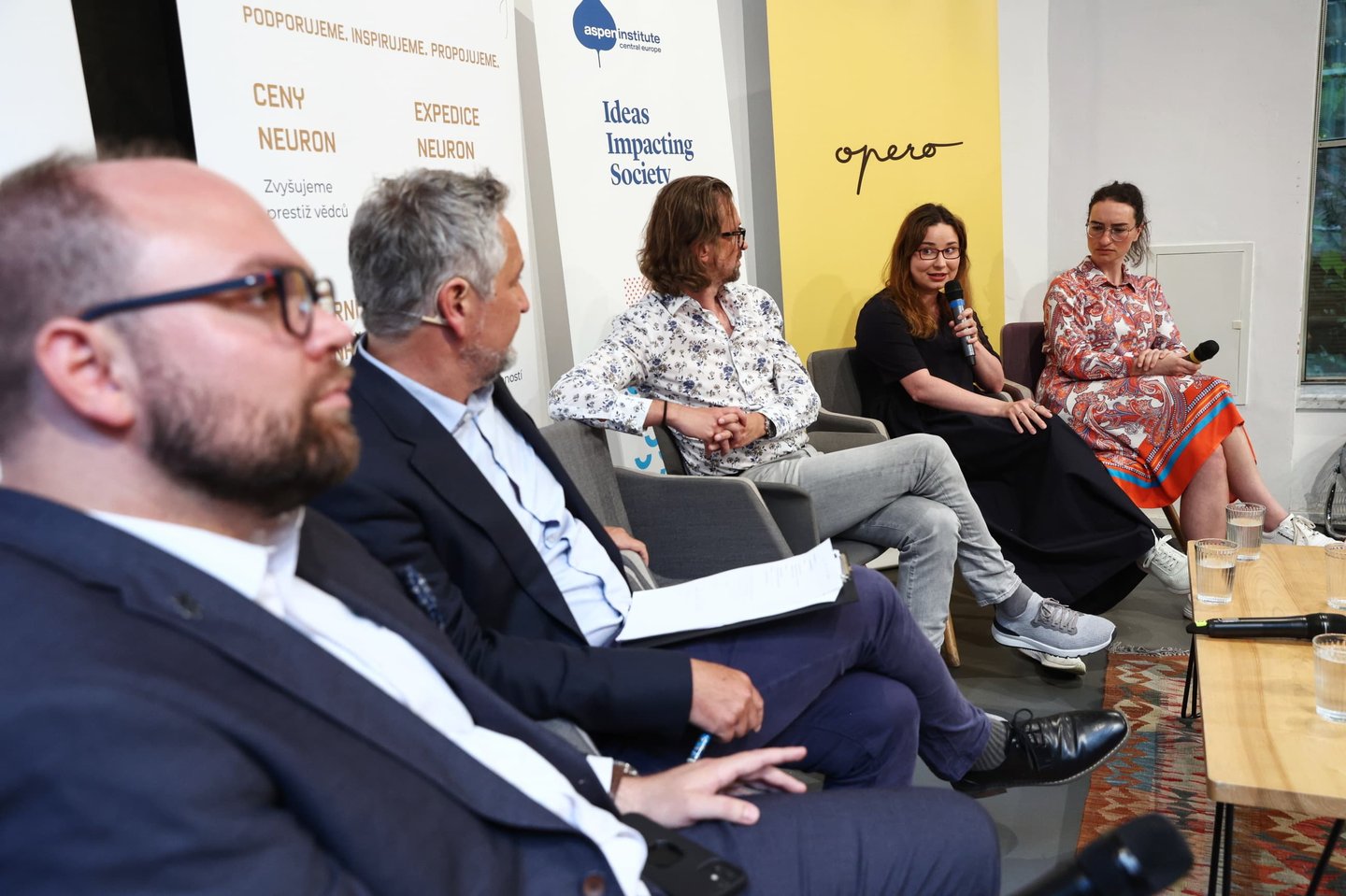
The guests at the evening's debate were the Czech deputy minister of health Václav Pláteník, the director of the organisation Ministr zdraví Kateřina Hellebrandtová, the healthcare investor and entrepreneur Miloš Dendis, the founder of the organisation Nevypusť duši Marie Salomonová, and the internist and infectious disease specialist Petr Smejkal, who also took on the role of moderator.
Miloš Dendis opened the debate by recalling three key historical milestones:
- 1796 – the English physician Edward Jenner introduced a vaccine against smallpox.
- 1928 – the Scottish physician Alexander Fleming discovered penicillin.
- 1953 – the American biochemist Fritz Albert Lipmann and the German physician Hans Adolf Krebs received the Nobel Prize in Chemistry for their work on metabolism in the human body.
The meteoric rise of modern technology. That is the next revolution affecting our health. Thanks to innovation we can work better with data, digitalise databases, educate society and communicate important subjects as part of prevention. According to Kateřina Hellebrandtová it is habits that are the most influential factor in the state and health of society. Sleep, exercise, eating habits and levels of smoking or alcohol.
She also recalled the important role of social media. Society is built on the general scheme in which older people pass their experience on to the young. But Kateřina Hellebrandtová drew attention to the idea that with social media it is the other way round. Young people teach older ones how to work with the networks and how to move around online. The young pass their experience on to their elders. That too is part of the modern technology revolution.
The subject of youth was one of the threads running through the whole evening's discussion. We should not forget mental health either, and we should respond to the increasing sensitivity of the coming generations, Marie Salomonová recalled. Again through education and by removing the taboo around the whole subject. Social media serve that well. She noted that if prevention of mental ill health were sufficiently covered, the overwhelming majority of the psychiatric cases the Czech population faces would fall away.
What might the future look like?
The guests agreed that modern technologies, digitalisation, education and artificial intelligence have the potential to shape the future of our health, but that it remains true that what matters most is the attitude of individual doctors. They have the greatest influence over whether they decide to pay attention to new technologies and be open to them, or whether they stay in the familiar grooves they know.
Petr Smejkal recalled that Czech health care sins most in its handling of data, in insufficient rigour in evaluating it and in a low capacity to introduce new approaches into practice. But he also stressed that our health service is of a very good standard. On this the panellists agreed 100%. The whole matter also depends, not least, on the responsiveness of the state and of professional bodies.
Whatever the development of technology in health care brings, the key thing is clear communication with the wider public. Artificial intelligence can lend a hand there too, but in the end the future is in human hands and human hands alone.
The Society 4.0 debate on the future of health took place on 27 May 2024 at Opero in Prague.