The Neuron Expedition 2021 in Congo discovered new territory and acted against poachers
30 September 2021
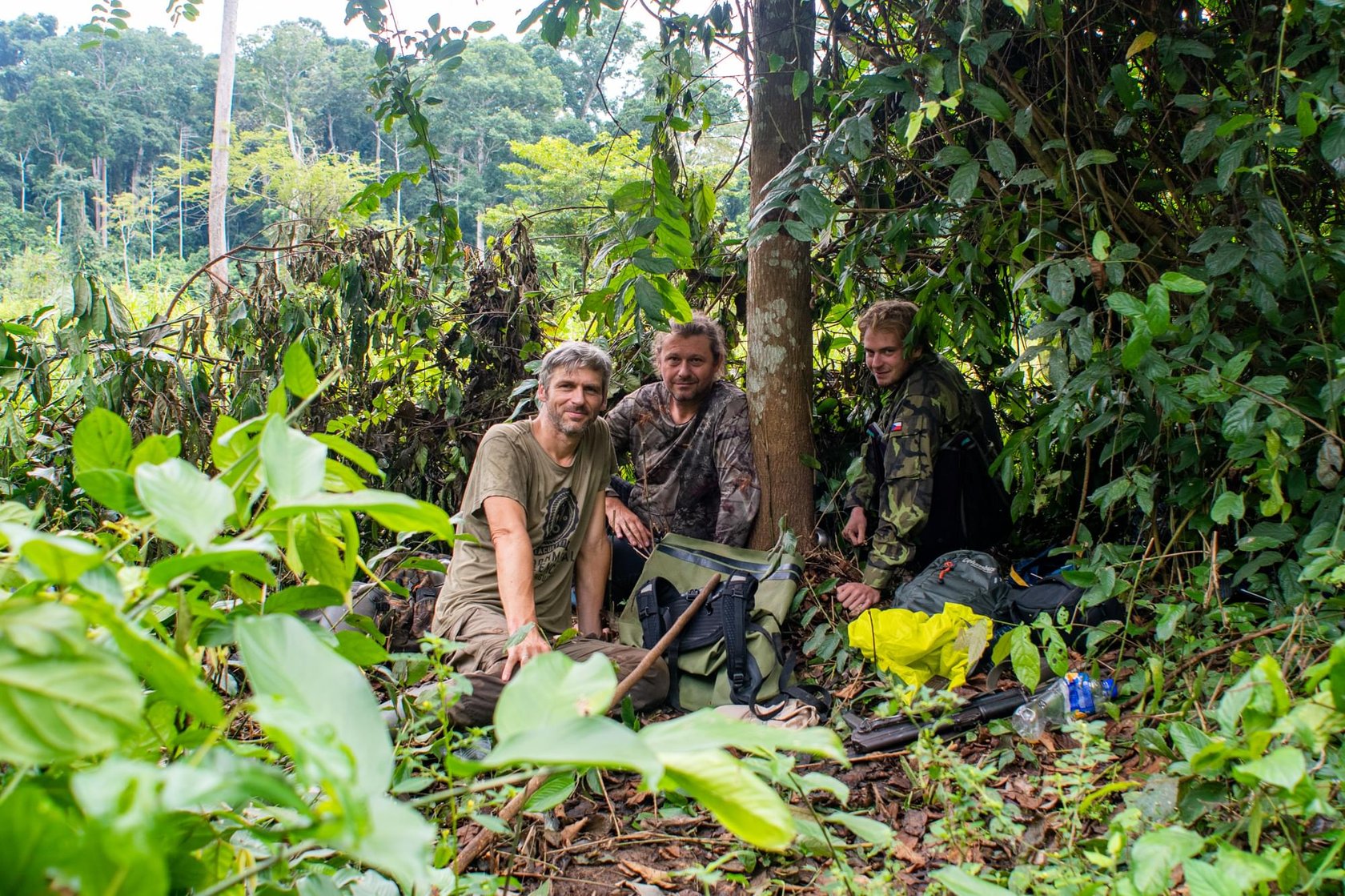
In September 2021 the Neuron Expedition Dzamba Ya Lobi returned from the Republic of the Congo with an unexpected discovery. In remote rainforests on the border with Cameroon, the Czech scientists led by the zoologist Tomáš Jůnek managed to discover a hitherto unknown salt lick, an important habitat for endangered animals, to break up two poaching groups and to record the presence of the rare black colobus.
The scientists became involved in nature protection in Congo back in 2019, when the Neuron Foundation supported their Dzamba Ya Lobi expedition. This year it contributed CZK 500,000 from its patrons' donations to a continuation of the expedition. Tomáš Jůnek's group maps the occurrence of species in unprotected areas between national parks, works with conservationists from the World Wide Fund for Nature (WWF) to preserve the animals' natural space and fights poaching.
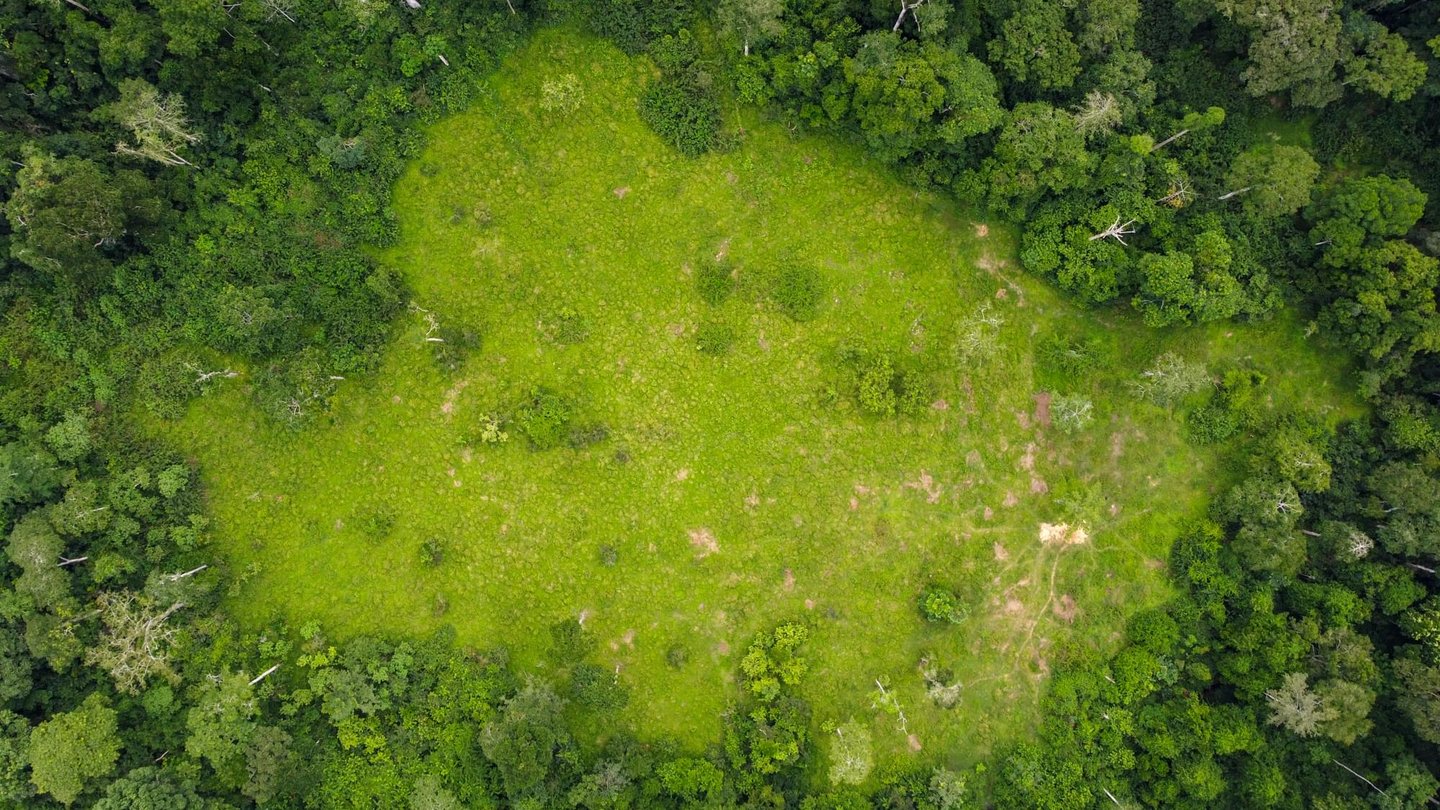
On this year's expedition the scientists focused on the occurrence of salt licks in the rainforests of Congo. Salt licks are open clearings where elephants and other animal species top up their minerals and which they also use for social interaction. Poachers exploit these rare opportunities to spot forest animals in the open.
"I discovered the new salt lick thanks to satellite map data, which they do not have available in Congo. Salt licks are usually located near rivers, where people move about more often, so they are known to locals and conservationists alike," is how the expedition's leader Tomáš Jůnek of the Faculty of Environmental Sciences of the Czech University of Life Sciences describes the successful trip. The newly discovered salt lick is the only one lying in the middle of the rainforest and is an important meeting place for elephants. "The last signs of human presence are a day and a half's walk through difficult terrain away from it. It probably came about through the death of trees in a muddy valley, and my Congolese colleague and I were the first people to see it," Jůnek adds.
The significance of salt licks for various animal species is the subject of ongoing research, which combines observation with monitoring by camera traps and audio recorders. "After a month of survey work we have to emphasise the exceptionally high numbers of gorillas around the salt licks, the highest I have ever seen. Western lowland gorillas are a critically endangered species. Salt licks may also be a lure for poachers, so our results will influence conservation strategies," said the expedition member and primatologist Stanislav Lhota, who was helped with the fieldwork by the student Ondřej Peč.
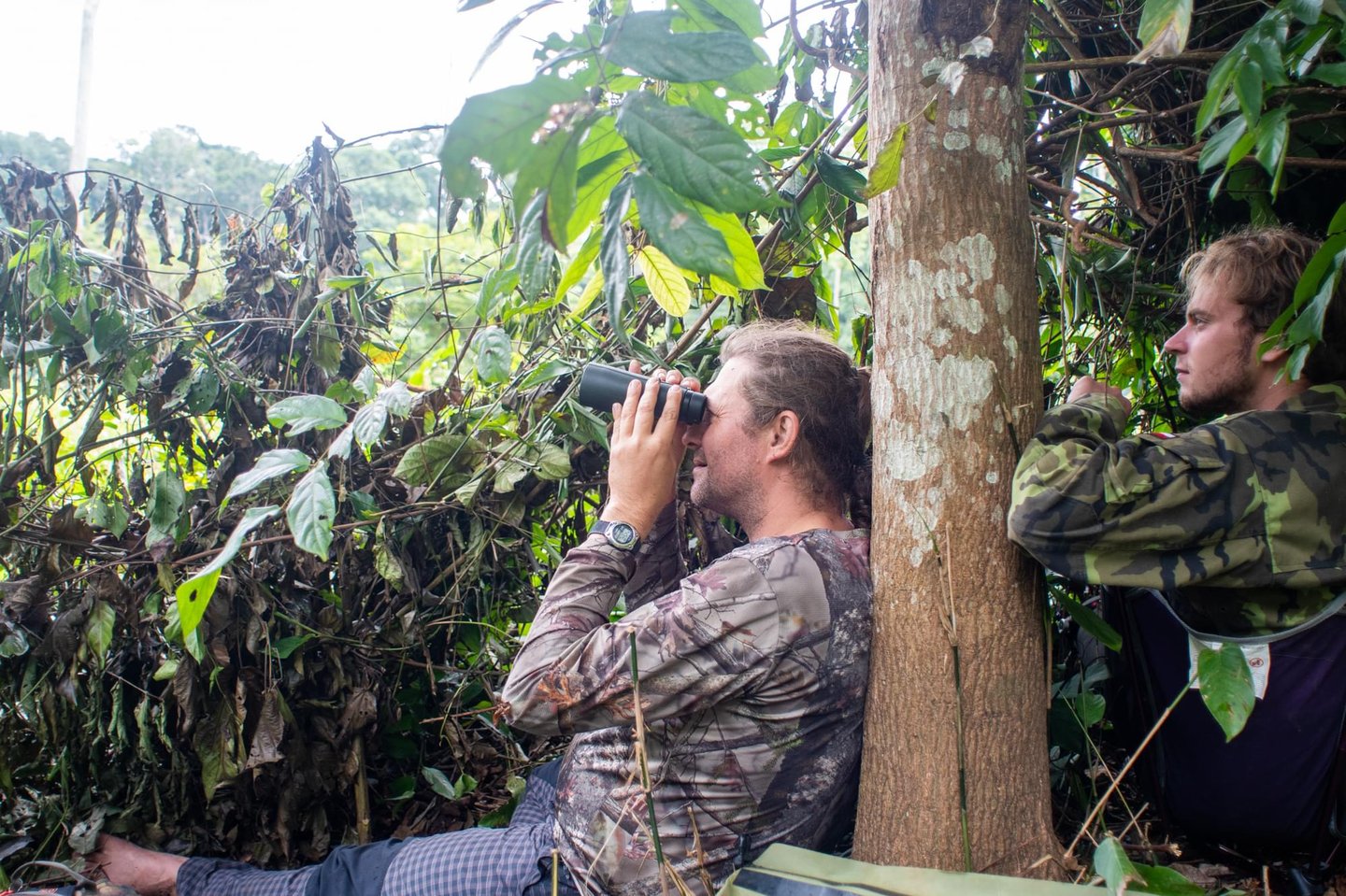
The expedition also made it possible for an anti-poaching unit to return to the area for the first time since May. The financial difficulties of conservation organisations during the covid period have reduced the frequency of ranger patrols, which is reflected in the presence of hunters even from the neighbouring country and across formally closed borders. "I am very glad that our grant from the Neuron Foundation helped intensify the rangers' work," Tomáš Jůnek said.
The Neuron Expedition uncovered two poaching groups from Cameroon. One of the poachers was arrested and is now in custody awaiting trial, which is an important signal for the whole area. A raid on the poachers' camps found, besides ammunition for hunting elephants, freshly killed red river hogs, a protected water chevrotain and a greater spot-nosed monkey. The poachers were also targeting protected African grey parrots, specifically their red feathers and heads, which are dried and used for shamanic purposes in Cameroon.
The Czech scientists are now working with the WWF to find ways of ensuring more frequent protection of the area. "In the winter the expedition will continue at new salt licks, so we will check on developments in this unique wilderness in person," Tomáš Jůnek added, noting that mapping the rare black colobus, which the scientists had the chance to observe during the last expedition, is a further challenge.